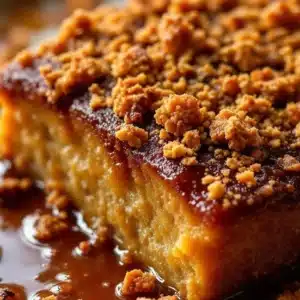
Frantically pulling open the fridge door, I found half a bag of carrots, a wrinkly beet, and three parsnips that had definitely seen better days. It was twenty minutes before guests arrived, and my beautiful plan for a fancy appetizer had completely fallen apart. I remember standing there, the cold air hitting my face, thinking, “Well, this is what we’re working with.”
That’s honestly how this Perfect Roasted Root Vegetable Medley with Balsamic Glaze was born—not from a carefully tested recipe, but from sheer panic and a desperate need to make something presentable. I grabbed the cutting board and started chopping, hoping for the best. The kitchen smelled like earth and garlic as the vegetables hit the hot sheet pan, and I drizzled some balsamic vinegar I found in the back of the pantry over the top.
When I pulled that pan out of the oven, the edges were caramelized and sticky, the beets had turned a deep ruby red, and the whole thing looked like something from a fancy restaurant menu. My guests devoured every last piece, asking for the recipe before they even left the table. That’s the thing about this dish—it turns humble, forgotten vegetables into the star of the show. It’s the kind of recipe that makes you feel like a kitchen genius even when you’re just winging it.
Why You’ll Love This Recipe
Let me tell you, after making this dish more times than I can count, I’ve never had it fail. Not once. And that’s saying something, because I’ve tried it with different vegetables, different ovens, even different pans, and it always delivers.
- Simple Ingredients, Big Flavor : You don’t need anything fancy here. Just root vegetables, olive oil, balsamic vinegar, and some basic seasonings. I bet you have most of these in your kitchen right now.
- Perfect for Busy Nights : This comes together in about 45 minutes, but most of that is hands-off oven time. You can prep the veggies while the oven preheats, toss them on a pan, and let the heat do the work.
- Crowd-Pleaser Every Time : I’ve served this at Thanksgiving, at casual weeknight dinners, and even at a fancy dinner party. People go crazy for it. The balsamic glaze gets all sticky and sweet, and the vegetables get those gorgeous caramelized edges that everyone fights over.
- Incredibly Versatile : This recipe is more of a method than a strict set of rules. You can swap in whatever root vegetables you have on hand, and it’ll still turn out amazing. It’s the kind of dish that adapts to your fridge, not the other way around.
- Healthy Without Trying : Honestly, this is one of those rare dishes that tastes indulgent but is actually really good for you. Root vegetables are packed with fiber, vitamins, and antioxidants. You get all that sweet, caramelized goodness without any guilt.
What makes this version different from all the others out there? It’s the balance. The balsamic glaze isn’t just a drizzle at the end—it goes on before roasting, so it gets concentrated and syrupy as the vegetables cook. The result is this incredible sweet-savory thing that’s just irresistible. Plus, I’ve tested the exact oven temperature and timing so your vegetables come out perfectly tender on the inside and beautifully caramelized on the outside, every single time.
What Ingredients You Will Need
This recipe uses simple, wholesome ingredients that come together to create something truly special. Most of these are pantry staples or easy to find at any grocery store, which makes this dish perfect for those nights when you need something impressive without a special shopping trip.
- Carrots (4 medium, peeled and cut into 2-inch chunks) — I prefer using regular orange carrots for their sweetness, but rainbow carrots work beautifully too if you want a more colorful presentation. Look for firm carrots without any soft spots.
- Parsnips (3 medium, peeled and cut into 2-inch chunks) — These have a lovely, slightly peppery flavor that mellows and sweetens as they roast. I like to get parsnips that are similar in size to the carrots so they cook evenly.
- Beets (2 medium, peeled and cut into 1-inch chunks) — Beets add that gorgeous deep color and earthy sweetness. I recommend using red beets for the best visual impact, but golden beets work too. Just be careful—red beets will stain everything they touch, so I always wear gloves when handling them.
- Sweet Potato (1 large, peeled and cut into 1-inch chunks) — This adds natural sweetness and a creamy texture. I usually go with orange-fleshed sweet potatoes, but purple ones are stunning if you can find them.
- Red Onion (1 large, cut into 1-inch wedges) — The onion gets all soft and sweet as it roasts, with some pieces getting beautifully charred at the edges.
- Garlic (4-5 cloves, smashed) — Whole smashed cloves roast up sweet and mellow, and they infuse the whole dish with their aroma. I don’t recommend minced garlic here—it burns too easily at this temperature.
- Olive Oil (3 tablespoons) — Use a good quality extra virgin olive oil for the best flavor. It helps the vegetables caramelize and carries the other flavors.
- Balsamic Vinegar (2 tablespoons) — I recommend using a decent quality balsamic vinegar, not the super cheap stuff. The flavor concentrates as it roasts, so you want something with a good balance of sweet and tangy. My go-to is the aged balsamic from the specialty section—it’s worth the extra few dollars.
- Honey or Maple Syrup (1 tablespoon) — This enhances the natural sweetness of the vegetables and helps create that gorgeous sticky glaze. Use maple syrup for a vegan option.
- Fresh Rosemary (2 sprigs, leaves stripped and chopped) — Rosemary and root vegetables are a match made in heaven. The piney, aromatic flavor cuts through the sweetness perfectly.
- Fresh Thyme (4-5 sprigs, leaves stripped) — Thyme adds a subtle earthiness that complements the other herbs without overpowering them.
- Salt (1 teaspoon, plus more to taste) — I use kosher salt for its clean flavor and easy pinchability.
- Black Pepper (½ teaspoon, freshly ground) — Freshly ground pepper makes a real difference here. It adds a gentle heat that balances the sweetness.
Equipment Needed
You don’t need a lot of fancy equipment for this recipe, which is part of what makes it so great. Here’s what you’ll need:
- Large Baking Sheet (half-sheet pan, 18×13 inches) — A good quality, heavy-duty baking sheet is essential for even roasting. I’ve tried this on thinner pans, and the vegetables just don’t caramelize as well. My favorite is the Nordic Ware natural aluminum commercial sheet pan—it’s affordable and distributes heat beautifully.
- Parchment Paper or Silicone Baking Mat — This makes cleanup so much easier and prevents the sticky balsamic glaze from burning onto your pan. I prefer parchment paper for easy disposal, but silicone mats work great too.
- Chef’s Knife (8-inch) — A sharp chef’s knife makes quick work of cutting all those root vegetables. If your knife is dull, this task becomes frustrating fast.
- Cutting Board — Use a large, stable cutting board. I recommend having a separate board for beets unless you want pink-stained everything.
- Vegetable Peeler — A good peeler makes quick work of carrots, parsnips, and sweet potatoes. I like the Y-shaped peelers for better control.
- Mixing Bowl (large) — For tossing the vegetables with the oil and seasonings before roasting.
- Small Bowl — For mixing the balsamic glaze before drizzling.
Preparation Method
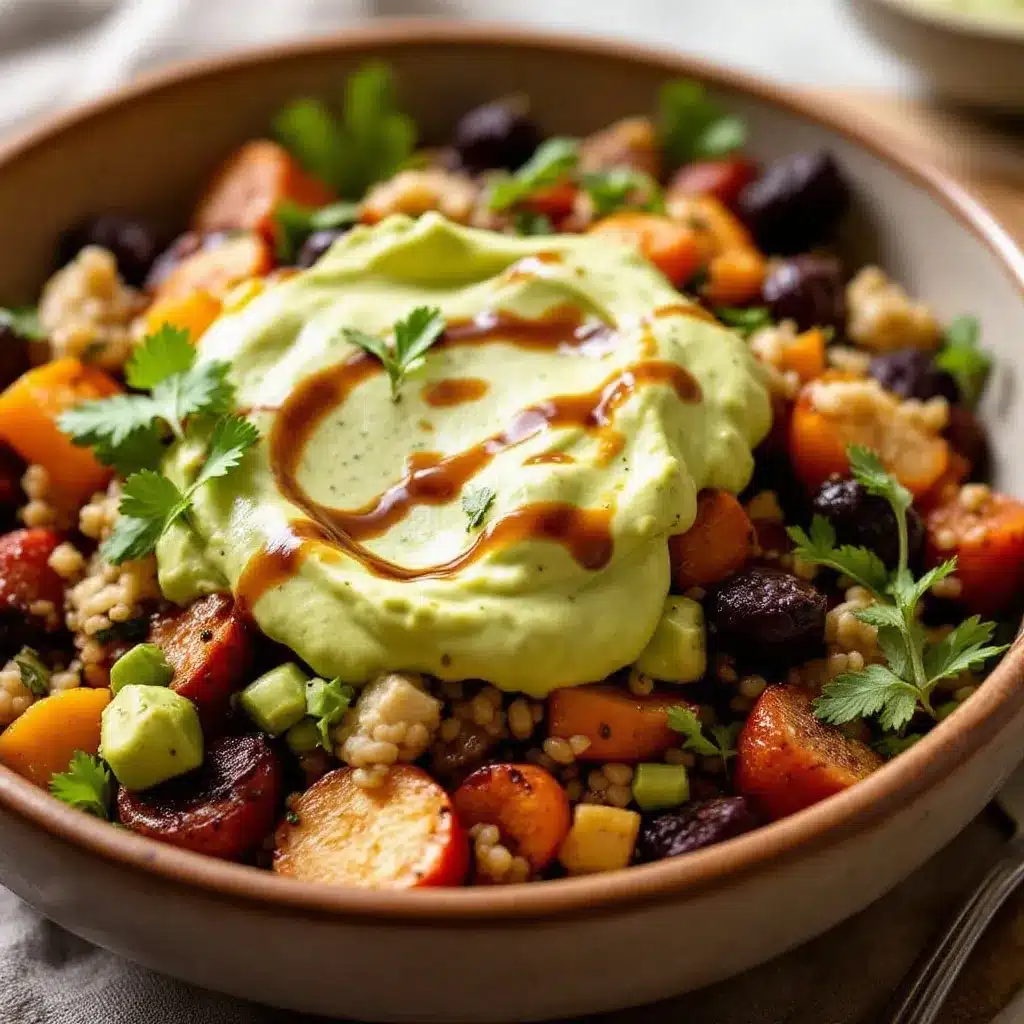
Alright, let’s get to the good part. Here’s how to make this Perfect Roasted Root Vegetable Medley with Balsamic Glaze step by step.
- Preheat your oven to 425°F (220°C). This high temperature is crucial for getting those beautiful caramelized edges. While the oven heats up, line your large baking sheet with parchment paper or a silicone mat. Trust me on this—the cleanup alone is worth it.
- Prepare all your vegetables. Start by peeling the carrots, parsnips, sweet potato, and beets. I usually do the beets last because they stain everything. Cut them into uniform 1 to 2-inch chunks. The key here is consistency—if your pieces are all roughly the same size, they’ll cook evenly. I’ve learned this the hard way after many batches of burnt little pieces and raw big pieces.
- Cut the red onion into wedges. Peel the onion and cut it through the root end into 1-inch wedges. Leave a bit of the root attached to each wedge so they hold together during roasting. Smash the garlic cloves with the flat side of your knife—just enough to crack them open.
- Make the balsamic glaze mixture. In your small bowl, whisk together the olive oil, balsamic vinegar, honey (or maple syrup), chopped rosemary, and thyme leaves. Add the salt and pepper and give it another whisk. Taste it—it should be tangy, sweet, and a little punchy from the herbs.
- Toss the vegetables. Put all your prepared vegetables and smashed garlic cloves into the large mixing bowl. Pour the balsamic mixture over them and toss everything together with your hands or a spatula until every piece is well coated. Don’t be shy—really get in there and make sure everything’s covered.
- Spread on the baking sheet. Pour the vegetables onto your prepared baking sheet and spread them out in a single layer. This is really important—if they’re crowded, they’ll steam instead of roast, and you won’t get those gorgeous caramelized edges. If your baking sheet is too small, use two sheets. I usually give everything a little space between pieces if I can.
- Roast for 20 minutes. Place the sheet in the preheated oven and let the vegetables roast undisturbed. After 20 minutes, take the pan out and give everything a good stir with a spatula. This helps them cook evenly on all sides.
- Roast for another 20-25 minutes. Return the pan to the oven and continue roasting. Start checking at the 18-minute mark. The vegetables are done when they’re tender enough to pierce easily with a fork and have deep golden-brown, caramelized edges. The balsamic glaze should be sticky and concentrated, coating each piece like a shiny, delicious shell.
- Let them rest. When the vegetables are done, remove the pan from the oven and let them sit for 5 minutes. This allows the glaze to set up a bit and makes the vegetables even more flavorful. I know it’s hard to wait, but trust me—it’s worth it.
- Serve and enjoy. Transfer the roasted vegetables to a serving platter. If you want, you can drizzle a little extra balsamic glaze over the top for presentation. Sprinkle with a pinch of flaky sea salt if you’re feeling fancy, and serve warm.
Cooking Tips & Techniques
After making this dish more times than I can count, I’ve picked up a few tricks that make a real difference. Let me share them with you.
Don’t skip the preheating. I know it’s tempting to save time by putting the vegetables in a cold oven, but don’t do it. The high heat from the start is what creates that beautiful caramelization. When you put vegetables into a hot oven, the sugars on the surface immediately start to caramelize, creating that deep flavor and gorgeous color.
Space is your friend. I can’t stress this enough—give those vegetables room to breathe. If you crowd the pan, they’ll release steam and end up soft and pale instead of caramelized and golden. If you’re making a big batch, use two baking sheets. You can rotate them halfway through cooking if you need to.
Cut vegetables to similar sizes. This is probably the most common mistake I see. When your carrot chunks are twice the size of your beet chunks, you end up with some pieces that are perfectly done and others that are either undercooked or burnt. Take the extra minute to make them uniform—it makes a huge difference.
Use a heavy-duty baking sheet. Thin, flimsy baking sheets can warp under high heat and cause uneven cooking. A good quality, heavy sheet pan distributes heat evenly and gives you consistent results every time. I learned this after ruining a batch on a cheap pan that literally bent in the oven.
Don’t stir too often. Let the vegetables sit undisturbed for at least 20 minutes before you stir them. This allows one side to get really caramelized before you flip them. If you stir too often, you’ll never get that deep golden color.
Watch the garlic. Those smashed garlic cloves can burn if they’re too small or if they’re sitting on the edge of the pan where it’s hottest. I like to tuck them under the larger vegetable pieces so they roast gently and come out all soft and sweet.
Variations & Adaptations
One of the best things about this recipe is how adaptable it is. Here are some of my favorite variations:
Seasonal Swap : In the fall, add cubed butternut squash or pumpkin to the mix. In the spring, swap out some of the root vegetables for asparagus and radishes (add those in the last 15 minutes since they cook faster). Summer calls for zucchini and bell peppers—again, add them later in the roasting process.
Herb Variations : Not a fan of rosemary? Try using fresh sage or oregano instead. Dried herbs work in a pinch—just use about half the amount since dried herbs are more concentrated. I’ve also made this with za’atar seasoning for a Middle Eastern twist, and it was incredible.
Spice It Up : Add a pinch of red pepper flakes or a dash of smoked paprika to the glaze for a little heat. The smoky flavor pairs beautifully with the sweet balsamic and earthy vegetables. I made this version for a game day party, and it disappeared in minutes.
Maple-Dijon Version : Replace the balsamic vinegar with 2 tablespoons of Dijon mustard and use maple syrup instead of honey. The mustard adds a tangy kick that cuts through the sweetness. This is my go-to for holiday dinners because it feels a little more sophisticated.
Make It a Meal : Toss the finished roasted vegetables with cooked quinoa, crumbled feta cheese, and a handful of fresh arugula for a hearty salad. Or serve them over creamy polenta with a fried egg on top for an amazing breakfast-for-dinner situation.
Serving & Storage Suggestions
These roasted vegetables are incredibly versatile when it comes to serving. Here’s how to make the most of them.
Serving Temperature : Serve these vegetables warm, right out of the oven, when they’re at their peak of caramelized goodness. They’re also delicious at room temperature, which makes them perfect for potlucks and picnics. I’ve even served them cold the next day straight from the fridge, and they were still tasty.
Presentation Ideas : Transfer the vegetables to a large, shallow serving platter and drizzle with a little extra balsamic glaze. Sprinkle with fresh herbs, crumbled goat cheese or feta, and a handful of toasted nuts like pecans or walnuts for texture. The contrast of colors and textures makes for a stunning presentation.
What to Serve With It : This dish pairs beautifully with roasted chicken, grilled steak, or baked fish. For a vegetarian meal, serve it alongside a Mediterranean stuffed mini peppers with feta for a complete and satisfying dinner. It also makes a fantastic side for holiday meals alongside your favorite roast.
Storage Instructions : Store leftover roasted vegetables in an airtight container in the refrigerator for up to 5 days. The flavors actually continue to develop as they sit, so leftovers are often even more delicious the next day. I love using them in grain bowls or salads for easy lunches throughout the week.
Reheating Tips : To reheat, spread the vegetables on a baking sheet and warm them in a 350°F oven for 5-10 minutes. This helps restore some of the caramelization. You can also reheat them in a skillet over medium heat, stirring occasionally. I don’t recommend microwaving—it makes them soft and soggy.
Freezing : These vegetables freeze surprisingly well. Spread them on a baking sheet and freeze until solid, then transfer to a freezer bag. They’ll keep for up to 3 months. To reheat, spread frozen vegetables on a baking sheet and roast at 400°F until hot and crispy again.
Nutritional Information & Benefits
Here’s a rough estimate of what you’re getting in each serving (based on 6 servings):
- Calories: 185
- Total Fat: 7g
- Saturated Fat: 1g
- Carbohydrates: 32g
- Fiber: 6g
- Sugar: 14g
- Protein: 3g
- Sodium: 420mg
- Vitamin A: 180% DV
- Vitamin C: 25% DV
- Potassium: 600mg
This dish is packed with nutritional benefits. Root vegetables are excellent sources of dietary fiber, which supports digestive health and helps you feel full and satisfied. The beta-carotene in carrots and sweet potatoes converts to vitamin A, which is essential for eye health and immune function. Beets are rich in folate and nitrates, which can help lower blood pressure and improve athletic performance. And the olive oil provides heart-healthy monounsaturated fats that help your body absorb the fat-soluble vitamins from the vegetables.
This recipe is naturally gluten-free, dairy-free, and vegan (if you use maple syrup instead of honey). It’s also low in saturated fat and sodium compared to many side dishes, making it a great choice for heart-healthy eating.
Conclusion
This Perfect Roasted Root Vegetable Medley with Balsamic Glaze has become one of those recipes I turn to again and again. It’s the dish that transforms humble vegetables into something truly special—the kind of thing that makes people ask for seconds and beg for the recipe. And the best part? It’s so simple that anyone can make it, even on a chaotic weeknight when you’re just trying to get dinner on the table.
I love how forgiving this recipe is. You can swap vegetables, change up the herbs, adjust the sweetness—it always works. It’s become my go-to for holiday dinners, potlucks, and those nights when I need a side dish that looks impressive without a lot of effort. And honestly, it’s just really, really good.
I’d love to hear how yours turns out! Did you try any fun variations? What did you serve it with? Drop a comment below and let me know. And if you’re looking for more easy, delicious sides, check out our full recipe collection for inspiration. Happy roasting!
Frequently Asked Questions
Can I use frozen vegetables for this recipe?
I don’t recommend using frozen vegetables for roasting. Frozen vegetables contain a lot of moisture, which will release as they cook and cause them to steam instead of caramelize. You’ll end up with soft, pale vegetables instead of those gorgeous golden-brown edges. Stick with fresh vegetables for the best results.
How do I prevent the beets from staining everything pink?
Beets are notorious for staining, but there are a few tricks to keep things clean. Wear disposable gloves when peeling and cutting beets. Use a separate cutting board for beets, or line yours with parchment paper. And if you do get beet juice on your hands, rub them with lemon juice or vinegar to help remove the stain.
Can I make this recipe ahead of time?
Absolutely! You can prep the vegetables up to a day in advance—just peel and cut them, store them in a sealed bag in the fridge, and toss them with the glaze right before roasting. The roasted vegetables also keep well for several days in the fridge and reheat beautifully in the oven or a skillet.
What if I don’t have balsamic vinegar?
No problem! You can substitute with red wine vinegar mixed with a little extra honey or maple syrup, or use apple cider vinegar for a different flavor profile. The key is to maintain that balance of acidity and sweetness. You could also try using a balsamic glaze (the thick, syrupy kind) straight from the bottle.
How do I get my vegetables extra crispy?
For extra crispy vegetables, make sure your oven is fully preheated to 425°F and don’t overcrowd the pan. You can also try roasting at 450°F for the last 5-10 minutes of cooking. Another trick is to pat the vegetables dry with a clean kitchen towel after washing them—excess moisture is the enemy of crispiness.
Pin This Recipe!
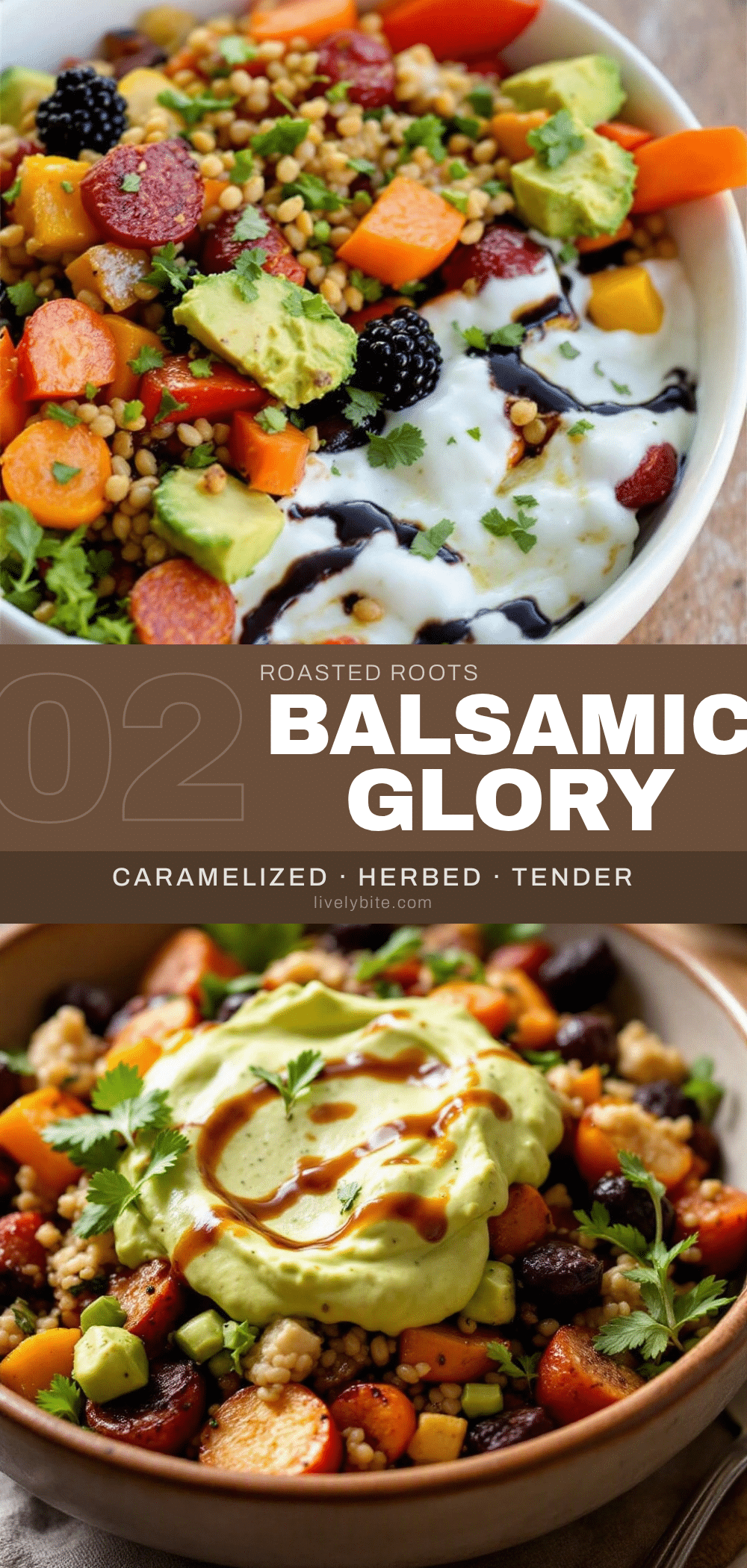
Perfect Roasted Root Vegetable Medley with Easy Balsamic Glaze
This Perfect Roasted Root Vegetable Medley with Balsamic Glaze turns humble, forgotten vegetables into the star of the show. It’s a simple, forgiving recipe that delivers caramelized, sticky-sweet vegetables every time, perfect for busy weeknights or holiday feasts.
- Prep Time: 15 minutes
- Cook Time: 40-45 minutes
- Total Time: 55-60 minutes
- Yield: 6 servings 1x
- Category: Side Dish
- Cuisine: American
Ingredients
- 4 medium carrots, peeled and cut into 2-inch chunks
- 3 medium parsnips, peeled and cut into 2-inch chunks
- 2 medium beets, peeled and cut into 1-inch chunks
- 1 large sweet potato, peeled and cut into 1-inch chunks
- 1 large red onion, cut into 1-inch wedges
- 4–5 cloves garlic, smashed
- 3 tablespoons olive oil
- 2 tablespoons balsamic vinegar
- 1 tablespoon honey or maple syrup
- 2 sprigs fresh rosemary, leaves stripped and chopped
- 4–5 sprigs fresh thyme, leaves stripped
- 1 teaspoon kosher salt, plus more to taste
- ½ teaspoon freshly ground black pepper
Instructions
- Preheat your oven to 425°F (220°C). Line a large baking sheet with parchment paper or a silicone baking mat.
- Prepare all your vegetables: peel the carrots, parsnips, sweet potato, and beets. Cut them into uniform 1 to 2-inch chunks.
- Cut the red onion into 1-inch wedges, leaving a bit of the root attached to each wedge. Smash the garlic cloves with the flat side of a knife.
- In a small bowl, whisk together the olive oil, balsamic vinegar, honey (or maple syrup), chopped rosemary, thyme leaves, salt, and pepper.
- Place all prepared vegetables and smashed garlic cloves in a large mixing bowl. Pour the balsamic mixture over them and toss until every piece is well coated.
- Spread the vegetables in a single layer on the prepared baking sheet. Avoid overcrowding; use two sheets if necessary.
- Roast for 20 minutes. Remove the pan from the oven and stir the vegetables with a spatula.
- Return the pan to the oven and roast for another 20-25 minutes, until the vegetables are tender and have deep golden-brown, caramelized edges.
- Remove the pan from the oven and let the vegetables rest for 5 minutes.
- Transfer to a serving platter. Optionally, drizzle with extra balsamic glaze and sprinkle with flaky sea salt. Serve warm.
Notes
For extra crispy vegetables, ensure the oven is fully preheated and do not overcrowd the pan. Pat vegetables dry after washing to remove excess moisture. Watch the garlic cloves to prevent burning; tuck them under larger vegetable pieces. Leftovers can be stored in an airtight container in the refrigerator for up to 5 days and reheated in a 350°F oven for 5-10 minutes.
Nutrition
- Serving Size: 1 serving (about 1 c
- Calories: 185
- Sugar: 14
- Sodium: 420
- Fat: 7
- Saturated Fat: 1
- Carbohydrates: 32
- Fiber: 6
- Protein: 3
Keywords: roasted root vegetables, balsamic glaze, roasted vegetables, side dish, healthy, gluten-free, vegan option, holiday side dish