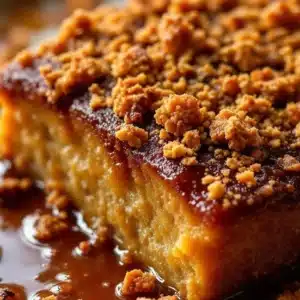
The way the sauce clings to the salmon—thick, glossy, almost caramelized in spots—that’s what I made this for. Everything else is secondary. Not the speed (though fifteen minutes is a nice bonus), not the fact that dinner magically appears without dirtying a single pan. It’s that moment you open the foil and the steam hits you, carrying honey and garlic and something slightly charred, and the fish is practically glistening.
I stumbled onto this method by accident, honestly. I had a piece of salmon threatening to go bad, a fridge with nothing but the usual suspects (honey, soy sauce, garlic), and zero energy for anything resembling effort. Foil packets felt like cheating—which, let’s face it, it kind of is. But the first time I peeled back that foil and saw the sauce bubbling around the edges, I knew I’d found something worth keeping.
This isn’t a recipe I tested a dozen times. It’s one I made on a Tuesday night when I needed dinner to just work. And it did. Every time since, it’s been the same quiet relief: a meal that tastes like you fussed, when you absolutely didn’t.
Why You’ll Love This Recipe
This isn’t just another salmon recipe. It’s the one you’ll make when you’re tired, hungry, and out of patience—and it still turns out perfect. Here’s why it earns a permanent spot in your rotation:
- 15 Minutes Start to Finish: From fridge to table in the time it takes to watch one episode of something short. No marinating, no complicated steps.
- Pantry-Friendly Ingredients: Honey, soy sauce, garlic, salmon. That’s it. You probably have most of it right now.
- Minimal Cleanup: The foil packet is your pan, your bowl, and your serving dish. Toss it when you’re done.
- Foolproof Results: The foil traps steam, so the salmon stays moist even if you overcook it by a minute or two. (I’ve tested this more times than I’ll admit.)
- Customizable in Seconds: Spicy? Add sriracha. Citrusy? Squeeze lemon. Herb-forward? Throw in thyme or dill. The base sauce adapts to whatever you’re craving.
I’ve made this for busy weeknights, for meal prep Sundays, and even for a quick dinner when friends dropped by unannounced (I just doubled the packets). Every single time, someone asks for the recipe. That’s the kind of keeper this is.
What Ingredients You Will Need
This recipe keeps things simple—just a handful of ingredients, each pulling its weight. No long grocery list, no obscure finds. Here’s what you’ll need:
- Salmon Fillets (4–6 oz each): Skin-on or skinless, both work. I prefer skin-on for extra moisture, but if you’re using skinless, just reduce the cook time by a minute. Look for fillets that are evenly thick so they cook at the same rate.
- Honey (3 tablespoons): The sweet backbone. Use a runny, mild honey—clover or wildflower works great. Avoid strongly flavored honey (like buckwheat) unless you want a more pronounced taste.
- Soy Sauce (2 tablespoons): Adds saltiness and depth. I use low-sodium to control the salt level. Tamari or coconut aminos work perfectly for gluten-free needs.
- Garlic (4 cloves, minced): Fresh garlic is non-negotiable here. The jarred stuff won’t give you that same punch. Grate it on a microplane for even distribution.
- Olive Oil (1 tablespoon): Helps the sauce coat the salmon and prevents sticking. Avocado oil works too.
- Salt and Pepper: To taste. Go easy on the salt since soy sauce is already salty.
- Optional Garnishes: Sliced green onions, sesame seeds, a squeeze of lemon, or red pepper flakes for heat.
That’s it. No cream, no butter, no complicated marinades. The sauce comes together in a bowl in under a minute, and the salmon does the rest.
Equipment Needed
You don’t need much for this one. Here’s the short list:
- Aluminum Foil: Heavy-duty is best—it won’t tear when you fold it. Regular foil works too, just double up the sheets.
- Baking Sheet: Any rimmed sheet pan will do. The rim catches any drips if the foil leaks (rare, but better safe).
- Small Bowl: For whisking the sauce together.
- Knife and Cutting Board: For mincing garlic and any garnishes.
- Measuring Spoons: Because eyeballing honey gets messy fast.
If you don’t have a baking sheet, you can place the foil packets directly on the oven rack—just put a piece of foil on the rack below to catch drips. And if you’re grilling, these packets go straight on the grates. No extra gear needed.
Preparation Method
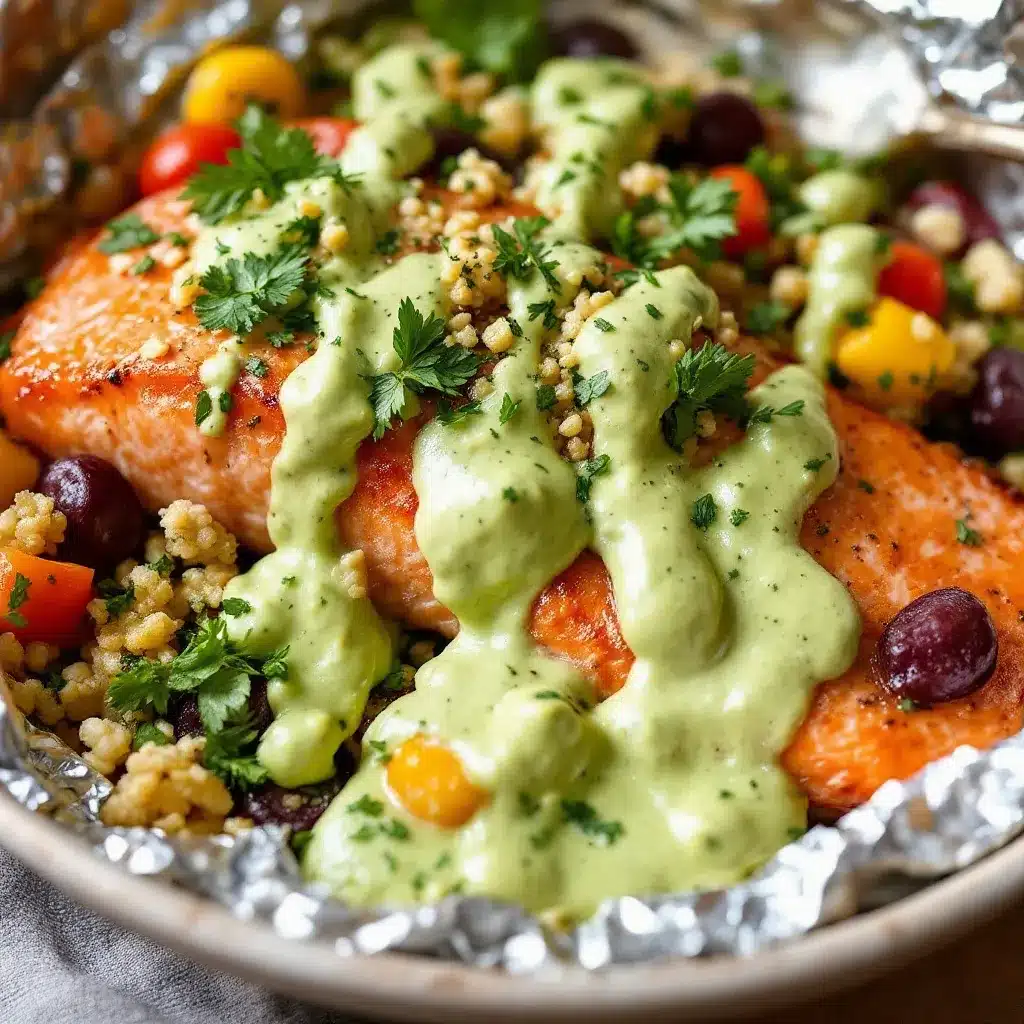
This is where the magic happens. Follow these steps, and you’ll have dinner ready before you know it.
- Preheat your oven to 400°F (200°C). While it’s heating, line a baking sheet with foil for extra protection (optional, but saves cleanup).
- Make the sauce. In a small bowl, whisk together 3 tablespoons honey, 2 tablespoons soy sauce, 1 tablespoon olive oil, and 4 minced garlic cloves. Taste it—it should be sweet-salty with a strong garlic punch. Adjust if needed.
- Prep the salmon. Pat your fillets dry with paper towels. Season both sides lightly with salt and pepper. Place each fillet in the center of a large piece of foil (about 12×12 inches).
- Spoon the sauce over the salmon. Use about 2 tablespoons per fillet, making sure it coats the top and sides. Reserve a little for brushing after cooking if you want extra glaze.
- Fold the foil packets. Bring the two long sides of the foil together over the salmon and fold them down a few times, leaving some space for steam. Fold the short ends tightly to seal. You want a packet that’s snug but not tight—steam needs room to circulate.
- Bake for 12–15 minutes. The exact time depends on thickness. For a 1-inch thick fillet, 12 minutes gives you medium (flaky but still moist). 15 minutes is well-done but not dry, thanks to the steam. The internal temp should hit 125°F for medium, 135°F for well-done.
- Carefully open the packets. Steam will escape, so open away from your face. If you reserved extra sauce, brush it on now. Garnish with green onions, sesame seeds, or a squeeze of lemon.
- Serve immediately. The salmon is best straight out of the packet. Spoon any leftover sauce from the foil over rice or veggies.
A quick note: if your fillets are different thicknesses, check the thinner ones at 10 minutes. You can always put them back in if needed, but overcooked salmon is a tragedy.
Cooking Tips & Techniques
I’ve made this recipe more times than I can count, and I’ve learned a few things along the way. Here’s what I wish someone had told me:
- Don’t skip drying the salmon. Patting it dry helps the sauce stick and prevents steaming before the flavors meld. Wet salmon = watery sauce.
- Seal the packets tightly. A loose seal lets steam escape, which means drier fish and less sauce. Crimp the edges like you’re making a pasty.
- Let it rest for a minute. After baking, let the packets sit on the counter for 60 seconds before opening. The residual heat finishes cooking the center without drying it out.
- Double the foil if using thin foil. Regular foil tears easily when you fold it. Two layers prevent leaks and keep the steam where it belongs.
- Watch the garlic. Fresh garlic can burn if it sits directly on the foil without sauce covering it. Make sure every piece is coated in the honey-soy mixture.
I once forgot to seal a packet properly and ended up with a baking sheet full of sauce and a dry piece of fish. Lesson learned. Now I double-check every fold.
Variations & Adaptations
This recipe is a blank canvas. Here are some ways to make it your own:
- Spicy Honey Garlic: Add 1 teaspoon sriracha or red pepper flakes to the sauce. The heat cuts through the sweetness beautifully.
- Citrus Twist: Squeeze half a lemon or orange over the salmon before sealing the packet. The acidity brightens everything.
- Herb-Infused: Tuck a few sprigs of fresh thyme, rosemary, or dill into the packet with the salmon. The herbs steam and perfume the fish.
- Vegetable-Packed: Add thinly sliced bell peppers, zucchini, or asparagus to the packet. They’ll cook in the sauce and become a built-in side dish.
- Low-Carb/Keto: Swap honey for a sugar-free alternative like monk fruit syrup or allulose. The texture stays the same.
- Grill Version: Place the foil packets on a preheated grill (medium-high) for 10–12 minutes. Flip once halfway through for even cooking.
My personal favorite is the spicy citrus combo—sriracha and lemon together. It’s bright, hot, and completely addictive. I serve it over jasmine rice with a side of steamed broccoli.
Serving & Storage Suggestions
This salmon is versatile enough to pair with almost anything. Here’s how I like to serve it:
- Over Rice: The sauce-soaked rice is the best part. Jasmine, basmati, or brown rice all work.
- With Roasted Veggies: Asparagus, green beans, or roasted broccoli make a quick, healthy side.
- In a Bowl: Flake the salmon over a bed of greens with quinoa, avocado, and a drizzle of extra sauce.
- With Noodles: Toss cooked soba or rice noodles in the leftover sauce and top with the salmon.
Storage: Leftover salmon keeps in an airtight container in the fridge for up to 3 days. The flavor actually deepens overnight as the sauce soaks in.
Reheating: The microwave works, but it can dry the fish out. Instead, reheat in a foil packet in a 300°F oven for 5–7 minutes. Or flake it cold over a salad—I actually prefer it that way.
Freezing: You can freeze cooked salmon in its sauce for up to 2 months. Thaw in the fridge overnight and reheat gently.
Nutritional Information & Benefits
Here’s the rough nutritional breakdown per serving (one fillet with sauce, no sides):
- Calories: ~350
- Protein: 34g
- Fat: 18g
- Carbohydrates: 18g
- Sugar: 16g (from honey)
- Sodium: 600mg (varies with soy sauce)
Salmon is packed with omega-3 fatty acids, which support heart and brain health. It’s also a great source of vitamin D and B12. The honey provides quick energy, and garlic offers anti-inflammatory benefits. If you’re watching sugar, you can reduce the honey to 2 tablespoons—still delicious, just less sweet.
This recipe is naturally gluten-free if you use tamari or coconut aminos, and it’s dairy-free as written. For a lower-carb option, pair it with cauliflower rice.
Conclusion
This honey garlic salmon is the kind of recipe that makes you feel like you’ve got your life together, even on the chaotic nights. It’s fast, it’s forgiving, and it tastes like something you’d order at a restaurant. But the best part? You made it yourself, in 15 minutes, with almost no cleanup.
I’d love to hear how it turns out for you. Did you add a twist? Serve it with something unexpected? Drop a comment below and share your version—I’m always looking for new ideas. And if you loved it, pass it along to a friend who needs a quick dinner win.
Go ahead, grab that salmon and a sheet of foil. You’ve got this.
Frequently Asked Questions
Can I use frozen salmon for this recipe?
Yes, but thaw it completely first. Frozen salmon releases a lot of water as it cooks, which can make the sauce watery. Pat it very dry before seasoning.
Can I make this in an air fryer?
Absolutely. Place the sealed foil packet in the air fryer basket and cook at 375°F for 10–12 minutes. Check for doneness and add a minute if needed.
What if I don’t have soy sauce?
You can substitute with tamari, coconut aminos, or even Worcestershire sauce in a pinch. The flavor will change slightly, but it’ll still be good.
How do I know when the salmon is done?
The easiest way is to use an instant-read thermometer—125°F for medium, 135°F for well-done. If you don’t have one, the salmon should flake easily with a fork and look opaque all the way through.
Can I prep the packets ahead of time?
Yes! Assemble the packets up to 24 hours in advance and store them in the fridge. Add a few extra minutes to the bake time since the salmon will be cold.
Pin This Recipe!
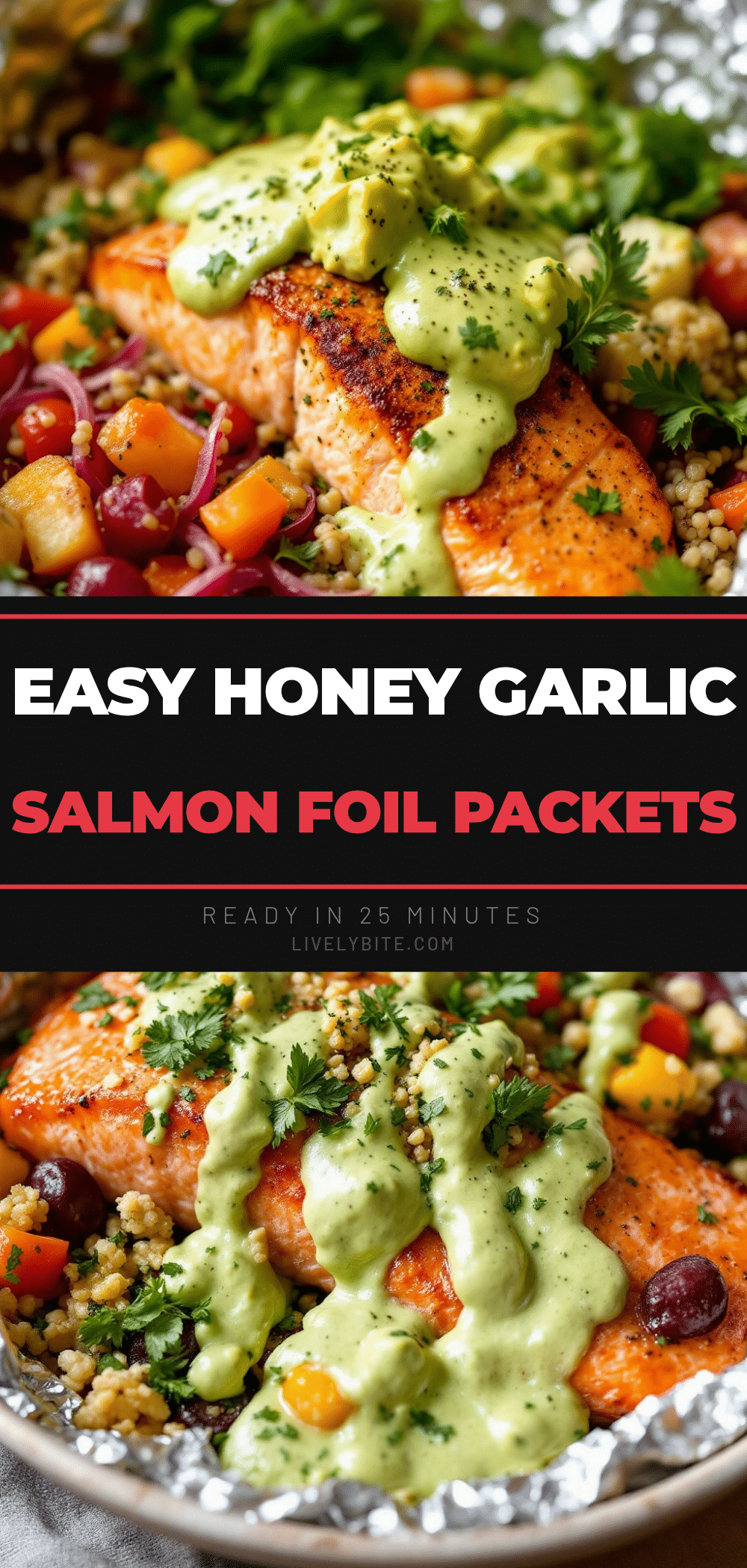
Easy Honey Garlic Salmon Foil Packets: Best 15-Minute Dinner

This honey garlic salmon is the kind of recipe that makes you feel like you’ve got your life together, even on the chaotic nights. It’s fast, it’s forgiving, and it tastes like something you’d order at a restaurant.
- Prep Time: 5 minutes
- Cook Time: 12-15 minutes
- Total Time: 15 minutes
- Yield: 4 servings 1x
- Category: Main Course
- Cuisine: American
Ingredients
- 4–6 oz salmon fillets (skin-on or skinless)
- 3 tablespoons honey
- 2 tablespoons low-sodium soy sauce (or tamari/coconut aminos)
- 4 cloves garlic, minced
- 1 tablespoon olive oil
- Salt and pepper to taste
- Optional garnishes: sliced green onions, sesame seeds, lemon squeeze, red pepper flakes
Instructions
- Preheat your oven to 400°F (200°C). Line a baking sheet with foil for extra protection (optional).
- In a small bowl, whisk together 3 tablespoons honey, 2 tablespoons soy sauce, 1 tablespoon olive oil, and 4 minced garlic cloves. Taste and adjust if needed.
- Pat salmon fillets dry with paper towels. Season both sides lightly with salt and pepper. Place each fillet in the center of a large piece of foil (about 12×12 inches).
- Spoon about 2 tablespoons of sauce over each fillet, making sure it coats the top and sides. Reserve a little for brushing after cooking if desired.
- Bring the two long sides of the foil together over the salmon and fold them down a few times, leaving some space for steam. Fold the short ends tightly to seal.
- Bake for 12–15 minutes. For a 1-inch thick fillet, 12 minutes gives medium (flaky but still moist), 15 minutes is well-done. Internal temp should hit 125°F for medium, 135°F for well-done.
- Carefully open the packets away from your face to avoid steam. If you reserved extra sauce, brush it on now. Garnish with green onions, sesame seeds, or a squeeze of lemon.
- Serve immediately. Spoon any leftover sauce from the foil over rice or veggies.
Notes
Don’t skip drying the salmon. Seal the packets tightly to prevent steam escape. Let the packets rest for 60 seconds before opening. Double the foil if using thin foil. Make sure garlic is coated in sauce to prevent burning.
Nutrition
- Serving Size: 1 fillet with sauce
- Calories: 350
- Sugar: 16
- Sodium: 600
- Fat: 18
- Saturated Fat: 3
- Carbohydrates: 18
- Protein: 34
Keywords: honey garlic salmon, foil packet salmon, 15-minute dinner, easy salmon recipe, healthy salmon, quick dinner, gluten-free salmon, dairy-free salmon