I ruined cherry tomatoes for three straight summers before I finally figured out what I was doing wrong. Not a little wrong, either—I mean, I turned perfectly good pints of those little red jewels into sad, shriveled, bitter little husks that tasted like regret. The first time, I cranked the oven to 400°F because I was in a hurry (big mistake). The second time, I forgot to salt them (flat, lifeless, zero flavor). The third time, I crowded the pan so bad they basically steamed instead of roasted, and I ended up with tomato soup that had no business being called sauce.
Here’s the thing nobody tells you about slow-roasting cherry tomatoes: it’s not about speed or shortcuts. It’s about patience, low heat, and trusting that two hours in a 300°F oven will do what thirty minutes at high heat never can. That long, gentle roast concentrates the natural sugars, deepens the umami, and transforms those little orbs into something that tastes like you spent all day tending a pot on the stove—when really, you just walked away and let the oven do the work.
This Easy Slow-Roasted Cherry Tomato Pasta Sauce is the recipe I make when I want summer flavor in the dead of winter. It’s the sauce I pull from the freezer on a Tuesday night when I have zero energy but still want something that feels like a real meal. And honestly? It’s the recipe that finally taught me that good cooking isn’t about doing more—it’s about doing less, slower, and with better timing.
Why You’ll Love This Recipe
Let me tell you why this sauce has become my go-to for everything from quick weeknight dinners to meal prep Sundays. I’ve tested this recipe at least a dozen times, tweaking temperatures and timing until every batch comes out consistently perfect.
- Hands-Off Cooking: Once the tomatoes go in the oven, you have two hours to do literally anything else. Read a book. Fold laundry. Binge that show everyone’s talking about. The oven does all the heavy lifting.
- Simple Ingredients, Maximum Flavor: You need cherry tomatoes, garlic, olive oil, salt, and maybe some fresh herbs if you’re feeling fancy. That’s it. No canned tomatoes, no sugar, no weird additives. The slow roasting concentrates the flavor so intensely you won’t believe it came from five ingredients.
- Perfect for Batch Cooking: This recipe doubles and triples beautifully. I make a massive batch during peak tomato season when they’re cheap and abundant, then freeze portions for months of effortless pasta dinners.
- Freezer-Friendly Gold: This sauce freezes like a dream. Thaw it, reheat it, and it tastes just as fresh as the day you made it. I’ve kept batches in the freezer for up to six months with zero quality loss.
- Restaurant-Quality Results at Home: The slow-roasting process creates that deep, complex flavor you usually only get from simmering sauce for hours on the stove. Except you don’t have to stir it or watch it or worry about it burning.
This isn’t just another tomato sauce recipe. It’s the one that makes you wonder why you ever bought jarred sauce in the first place. The texture is silky, the flavor is sweet and savory, and the aroma that fills your kitchen will have neighbors casually stopping by to ask what you’re cooking.
What Ingredients You Will Need
This recipe relies on a short list of high-quality ingredients, each playing a crucial role in building that deep, slow-roasted flavor. Here’s what you need and why each one matters.
- 2 pounds cherry or grape tomatoes — Look for firm, ripe tomatoes with no soft spots. Mixed colors (red, yellow, orange) make a prettier sauce, but all-red works fine too. In summer, grab them from a farmers market or your garden. In winter, the grocery store pint containers work perfectly—just make sure they’re not mushy.
- 6 cloves garlic, peeled and smashed — Smashing the cloves releases more flavor than slicing. I leave them whole so they roast slowly and turn sweet and buttery. If you love garlic, add 8 cloves. No judgment here.
- 1/4 cup extra-virgin olive oil — Use a good-quality olive oil here since it’s a primary flavor component. I prefer California Olive Ranch for everyday cooking—it’s affordable and consistent. The oil helps the tomatoes caramelize and carries all those roasted flavors.
- 1 teaspoon kosher salt — Salt is non-negotiable. It draws out moisture, helps with caramelization, and makes everything taste more like itself. Diamond Crystal kosher salt is my go-to because it’s less salty by volume, giving you more control.
- 1/2 teaspoon black pepper, freshly ground — Freshly ground pepper adds a subtle heat that balances the sweetness of the roasted tomatoes. Pre-ground pepper works, but it won’t have the same pop.
- 2 sprigs fresh basil or thyme (optional but recommended) — The herbs infuse the oil as they roast, adding another layer of aromatic flavor. Remove them before blending. If you only have dried herbs, add 1/2 teaspoon dried oregano or thyme to the pan before roasting.
- 1 tablespoon balsamic vinegar (optional, for finishing) — A splash at the end brightens everything up and adds a touch of acidity. I skip this if I’m freezing the sauce and add it fresh when reheating.
Substitution Notes: No cherry tomatoes? Roma or plum tomatoes work but need an extra 30-45 minutes of roasting time. For an oil-free version, use vegetable broth instead of olive oil, though the texture will be thinner. Gluten-free? This sauce is naturally gluten-free—just pair it with your favorite gluten-free pasta.
Equipment Needed
You don’t need a fancy kitchen to make this sauce. Here’s what you’ll actually use:
- Rimmed baking sheet or sheet pan — A half-sheet pan (18×13 inches) is ideal. The rim catches any juices that bubble up during roasting. Avoid pans with dark nonstick coatings—they can cause uneven browning.
- Parchment paper or silicone baking mat — This makes cleanup ridiculously easy and prevents the tomatoes from sticking. I use unbleached parchment paper and never look back.
- Chef’s knife and cutting board — For smashing garlic and halving any larger tomatoes. Nothing fancy needed.
- Immersion blender or standard blender — An immersion blender lets you blend right in the pan or a bowl, which means less cleanup. A regular blender works too—just let the tomatoes cool slightly before blending, and vent the lid to let steam escape.
- Freezer-safe containers or zip-top bags — For storing your sauce. I use quart-sized freezer bags laid flat—they stack beautifully and thaw quickly.
- Large pot or Dutch oven — For simmering the sauce after blending (optional, but recommended for thicker texture).
If you don’t have a blender, you can mash the roasted tomatoes with a potato masher or fork for a chunkier sauce. It won’t be as smooth, but it’ll still taste incredible.
Preparation Method
Let’s walk through this step by step. Trust me, once you make this once, you’ll memorize the process.
- Preheat your oven to 300°F (150°C). Yes, 300°F. I know it seems low, but that’s the whole point. High heat will cook the tomatoes too fast, and they’ll release all their liquid before they have time to concentrate. Low and slow is the secret here.
- Prepare your tomatoes. Rinse the cherry tomatoes and pat them dry. If any are significantly larger than the others, halve them so they cook evenly. Leave smaller ones whole. Place them on your lined baking sheet in a single layer—crowding them will cause steaming instead of roasting.
- Add the garlic and seasonings. Scatter the smashed garlic cloves among the tomatoes. Drizzle everything with the olive oil, then sprinkle with salt and pepper. Toss gently with your hands to coat every tomato. Lay the herb sprigs on top if using.
- Roast for 1.5 to 2 hours. Slide the pan into the oven and set a timer for 90 minutes. At the 90-minute mark, check them. You’re looking for tomatoes that have collapsed, are slightly wrinkled, and have released their juices into the pan. The garlic should be soft and golden. If they need more time, give them another 15-30 minutes. My oven runs a little cool, so I usually go the full 2 hours.
- Let them cool slightly. Remove the pan from the oven and let it sit for 10-15 minutes. Fish out the herb sprigs and discard them. The garlic cloves will be soft—leave them in, they’re flavor gold.
- Blend the sauce. Transfer the roasted tomatoes, garlic, and all the juices from the pan to a blender or use an immersion blender directly in the pan. Blend until smooth or leave it a little chunky—your call. If you want a thinner sauce, add a splash of water or vegetable broth. Taste and adjust salt and pepper.
- Simmer (optional but recommended). Pour the blended sauce into a pot and simmer over medium-low heat for 10-15 minutes. This thickens it slightly and melds the flavors together. Stir occasionally to prevent sticking. If you’re in a hurry, you can skip this step—the sauce is fully cooked and safe to eat right after blending.
- Add balsamic vinegar (if using). Stir in the balsamic vinegar just before serving or freezing. It brightens the flavor and adds a subtle sweetness that balances the acidity.
Sensory Check: At the roasting stage, your kitchen should smell like sweet, concentrated tomatoes and toasted garlic. The tomatoes should look deflated and slightly caramelized on the bottom, with deep red juices pooling around them. If they look dry or burnt, your oven runs hot—reduce the temperature to 275°F next time.
Cooking Tips & Techniques
I’ve made every mistake in the book with this recipe, so you don’t have to. Here’s what I’ve learned the hard way.
Don’t skip the parchment paper. The first time I made this, I roasted the tomatoes directly on a bare sheet pan. The sugar from the tomatoes caramelized and stuck like cement. I spent twenty minutes scrubbing. Parchment paper or a silicone mat saves you that headache and makes cleanup take about seven seconds.
Size matters more than you think. If your cherry tomatoes are wildly different sizes, halve the bigger ones. I once roasted a mix of tiny grape tomatoes and huge cherry tomatoes without halving them. The small ones were done in an hour; the big ones took two and a half. Halving the larger ones ensures everything finishes at the same time.
Let the garlic get soft, not brown. Burnt garlic tastes bitter and will ruin your sauce. If you notice the garlic browning too quickly (usually because your oven runs hot), tent the pan loosely with foil for the last 30 minutes. The garlic should be golden and buttery, not dark brown.
Save the juices. When you pull the pan from the oven, there will be liquid pooled around the tomatoes. Do not drain it. That liquid is pure concentrated tomato flavor mixed with olive oil and garlic essence. It goes into the blender with everything else.
Multitasking strategy. While the tomatoes roast, you can prep other components of your meal. Cook pasta. Make a salad. Roast some vegetables for a sheet pan dinner. I often make this easy slow cooker honey garlic chicken meal prep bowls alongside the sauce—the chicken braises while the tomatoes roast, and I have two meals ready at once.
Variations & Adaptations
This sauce is incredibly flexible. Here are some ways I’ve adapted it over the years.
Spicy Arrabbiata Version: Add 1/2 teaspoon red pepper flakes to the tomatoes before roasting. The heat infuses into the oil and gives the sauce a gentle kick. I do this when I want something more exciting than plain marinara.
Roasted Vegetable Medley: Add a diced red bell pepper, half a diced onion, and a handful of mushrooms to the pan alongside the tomatoes. Roast everything together, then blend. You get a heartier, more complex sauce that’s almost like a roasted vegetable ragù.
Herb-Infused Variation: Swap the basil or thyme for rosemary, oregano, or a combination. I love using rosemary in winter—it gives the sauce a woodsy, almost savory depth that pairs beautifully with hearty pasta like pappardelle.
Dairy-Free Creamy Version: After blending, stir in 1/4 cup full-fat coconut milk or cashew cream. It makes the sauce velvety and rich without any dairy. This is my go-to when I’m craving something creamy but want to keep it plant-based.
Oil-Free Adaptation: Replace the olive oil with 1/4 cup vegetable broth or water. The texture will be thinner and less rich, but the flavor will still be incredible. Roast at 275°F for an extra 30 minutes to compensate for the lack of oil.
Personally, I love the spicy arrabbiata version with a big bowl of spaghetti and a side of easy Mediterranean stuffed mini peppers with feta. The creamy feta balances the heat perfectly.
Serving & Storage Suggestions
This sauce is versatile enough for countless meals. Here’s how I serve and store it.
Serving Temperature: Serve the sauce hot, straight from the pot, over your favorite pasta. I love it with spaghetti, bucatini, or rigatoni. It also works beautifully as a pizza sauce, a dip for crusty bread, or a base for shakshuka (just crack eggs into the simmering sauce and bake until set).
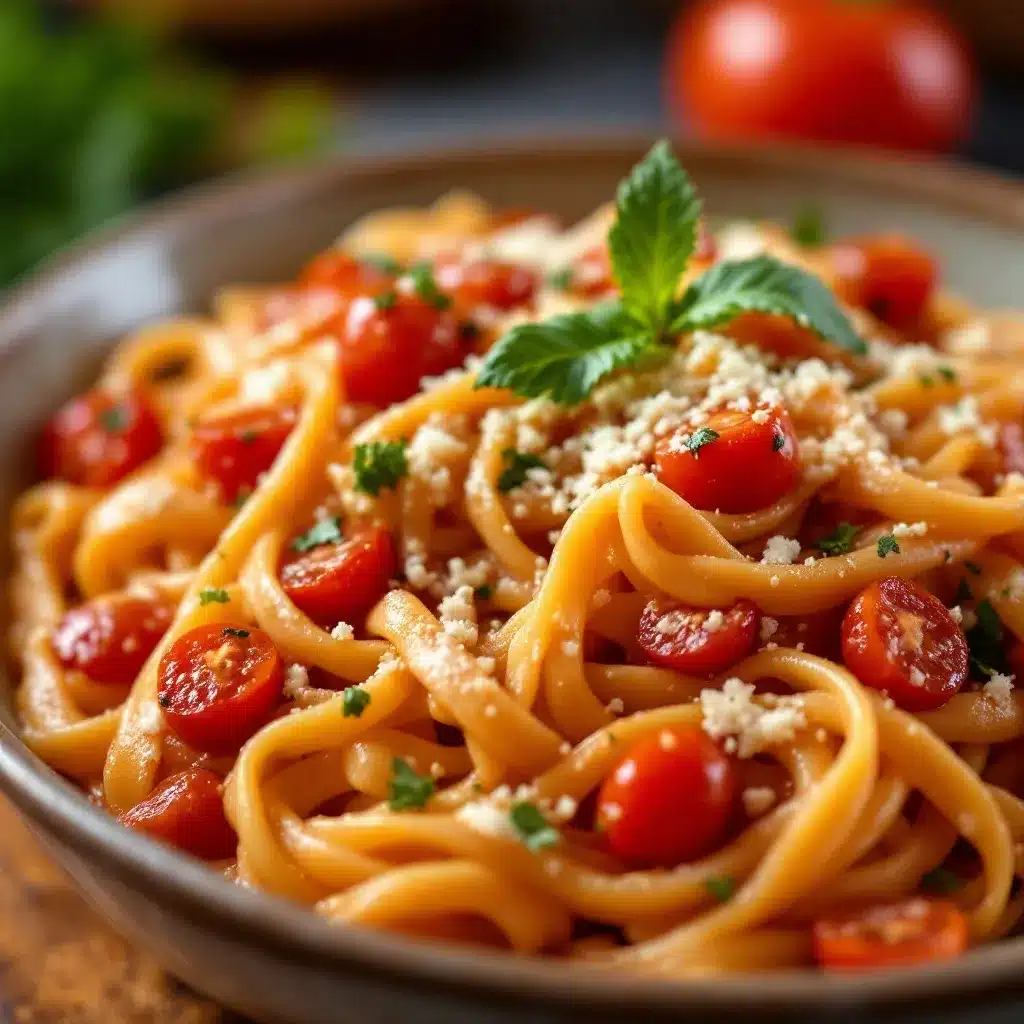
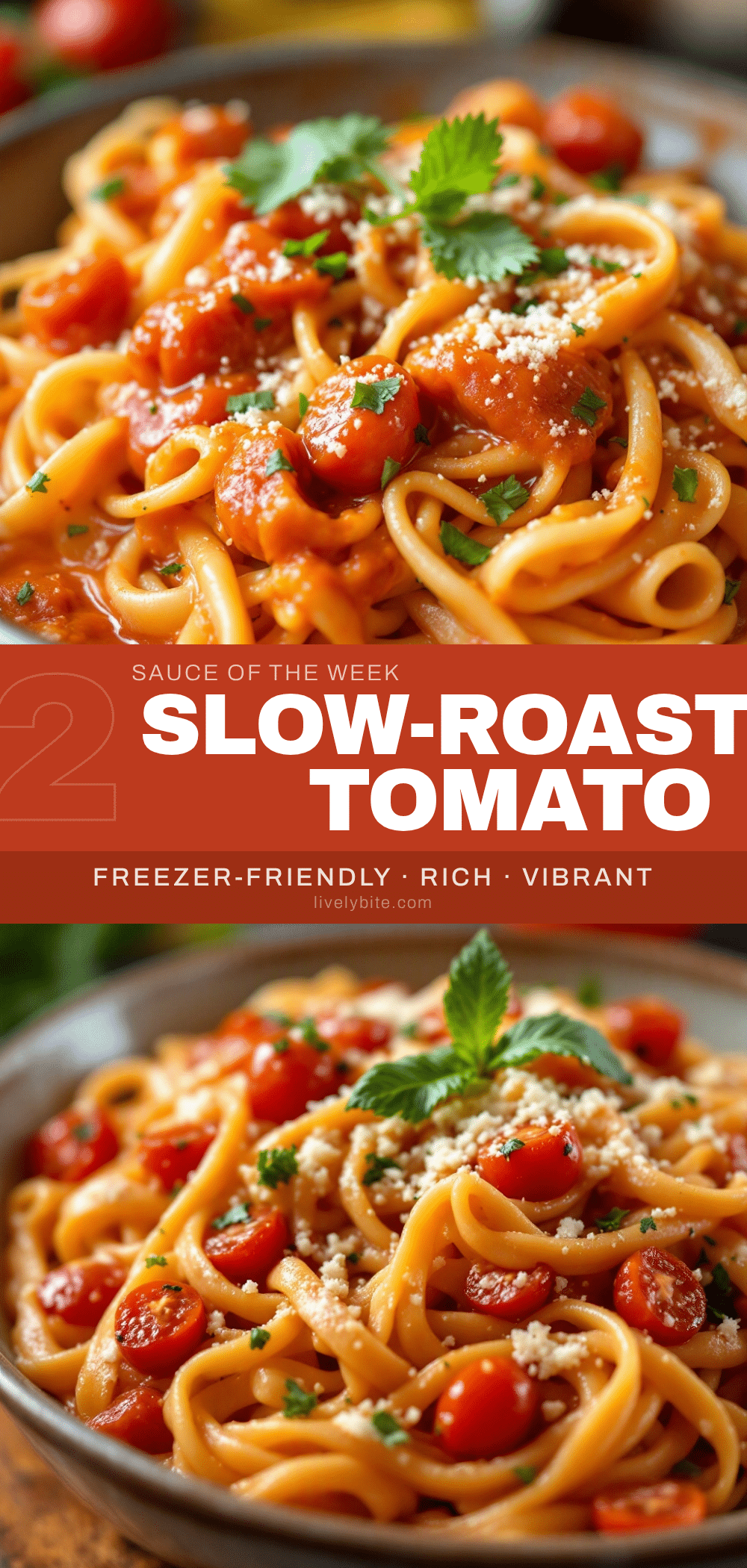
Presentation: Spoon the sauce over pasta, then finish with fresh basil leaves, a drizzle of good olive oil, and a sprinkle of flaky sea salt. A grating of Parmesan or Pecorino Romano on top adds saltiness and depth.
Complementary Dishes: Pair this sauce with a simple green salad dressed with lemon vinaigrette, or serve it alongside roasted vegetables or grilled chicken. I often make a batch of easy lemon herb salmon sheet pan dinner on the same day—the salmon bakes while the tomatoes roast, and I have two completely different meals ready for the week.
Refrigerator Storage: Store the sauce in an airtight container in the refrigerator for up to 5 days. The flavors actually deepen and improve after a day or two. Reheat on the stovetop over medium heat, stirring occasionally, until hot. Add a splash of water or pasta cooking water if it’s too thick.
Freezer Storage: This sauce freezes beautifully. Let it cool completely, then transfer to freezer-safe containers or zip-top bags. I prefer bags because they lay flat and stack neatly. Label with the date and freeze for up to 6 months. To thaw, transfer to the refrigerator overnight, or run the sealed bag under warm water for a quick thaw. Reheat gently on the stovetop.
Flavor Development: The sauce tastes best after it’s had at least a day to rest. The flavors meld and mellow, and the garlic becomes even sweeter. I often make a double batch on Sunday, use some for Monday’s pasta, and freeze the rest for later in the month.
Nutritional Information & Benefits
Here’s the nutritional breakdown per serving (about 1/2 cup of sauce, without pasta):
| Nutrient | Amount per Serving |
|---|---|
| Calories | 120 |
| Total Fat | 9g |
| Saturated Fat | 1.5g |
| Carbohydrates | 10g |
| Fiber | 3g |
| Sugar | 6g |
| Protein | 2g |
| Sodium | 480mg |
| Vitamin C | 25% DV |
| Vitamin A | 15% DV |
| Potassium | 10% DV |
Health Benefits: Cherry tomatoes are packed with lycopene, a powerful antioxidant linked to heart health and reduced inflammation. Slow-roasting actually increases the bioavailability of lycopene, meaning your body absorbs it more easily. The olive oil provides healthy monounsaturated fats, which help with the absorption of fat-soluble vitamins. Garlic adds allicin, a compound with antimicrobial and immune-boosting properties. This sauce is naturally vegan, gluten-free, and dairy-free, making it suitable for a wide range of dietary needs.
Dietary Considerations: This recipe is Whole30-friendly (skip the balsamic vinegar), low-carb (about 10g net carbs per serving), and can be made oil-free as noted above. It’s also nut-free and soy-free. If you’re watching sodium, reduce the salt to 1/2 teaspoon and adjust at the end.
Conclusion
This Easy Slow-Roasted Cherry Tomato Pasta Sauce has become my secret weapon for busy weeks, lazy Sundays, and everything in between. It’s the recipe that taught me that sometimes the best things in the kitchen come from doing less—letting low heat and time transform simple ingredients into something extraordinary.
I love that I can make a big batch during tomato season, freeze it in portions, and pull out summer flavor in the middle of January. I love that it’s forgiving enough for beginners but impressive enough for dinner guests. And I really love that it makes my whole kitchen smell like a trattoria for hours.
Try this recipe once, and I promise you’ll never look at a pint of cherry tomatoes the same way again. Make a batch this weekend, freeze some for later, and let me know in the comments how you served it. Did you go classic with spaghetti? Use it as a pizza sauce? Stir it into a creamy vegan chocolate avocado pudding for dessert? (Okay, maybe not that last one.) Drop your questions, variations, and rave reviews below—I read every single one.
Frequently Asked Questions
Can I use regular tomatoes instead of cherry tomatoes?
Yes, but you’ll need to adjust the roasting time. Roma or plum tomatoes are the best substitute because they have less water content. Halve them lengthwise and roast at 300°F for 2.5 to 3 hours, or until they’re collapsed and concentrated. Beefsteak tomatoes have too much water and will make a thinner sauce.
Do I have to peel the tomatoes before roasting?
Nope. The skins get tender during the long roast and blend completely smooth. If you’re worried about texture, you can pass the blended sauce through a fine-mesh strainer, but I never bother. The skins add fiber and color.
Can I make this in a slow cooker instead of the oven?
You can, but the results won’t be the same. Slow cookers trap moisture, so the tomatoes steam instead of roast. You’ll end up with a more diluted flavor. If you’re set on using a slow cooker, cook on low with the lid cracked for 4-5 hours to allow some moisture to escape.
How long does this sauce keep in the freezer?
Up to 6 months in a freezer-safe container or bag. For best quality, use within 3-4 months. I like to freeze it in 1-cup portions so I can thaw exactly what I need for a single pasta dinner. Label your bags with the date so you know which batch is oldest.
Can I add meat to this sauce?
Absolutely. After you blend and simmer the sauce, you can stir in cooked Italian sausage, ground beef, or meatballs. I often make a double batch of sauce and add browned ground turkey to half for a heartier meal. The roasted tomato flavor pairs beautifully with any kind of meat.
Pin This Recipe!
Easy Slow-Roasted Cherry Tomato Pasta Sauce (Best Freezer Recipe)
This easy slow-roasted cherry tomato pasta sauce is made with simple ingredients and transforms cherry tomatoes into a rich, silky sauce perfect for weeknight dinners or batch cooking. It freezes beautifully for up to six months.
- Prep Time: 10 minutes
- Cook Time: 2 hours
- Total Time: 2 hours 10 minutes
- Yield: 4 servings 1x
- Category: Main Course
- Cuisine: Italian
Ingredients
- 2 pounds cherry or grape tomatoes
- 6 cloves garlic, peeled and smashed
- 1/4 cup extra-virgin olive oil
- 1 teaspoon kosher salt
- 1/2 teaspoon black pepper, freshly ground
- 2 sprigs fresh basil or thyme (optional but recommended)
- 1 tablespoon balsamic vinegar (optional, for finishing)
Instructions
- Preheat your oven to 300°F (150°C).
- Rinse the cherry tomatoes and pat them dry. Halve any significantly larger ones; leave smaller ones whole. Place on a lined baking sheet in a single layer.
- Scatter the smashed garlic cloves among the tomatoes. Drizzle with olive oil, sprinkle with salt and pepper, and toss gently with your hands. Lay herb sprigs on top if using.
- Roast for 1.5 to 2 hours, until tomatoes have collapsed, are slightly wrinkled, and have released their juices. Garlic should be soft and golden.
- Remove from oven and let cool for 10-15 minutes. Discard herb sprigs.
- Transfer roasted tomatoes, garlic, and all pan juices to a blender or use an immersion blender. Blend until smooth or leave chunky. Add a splash of water or broth for thinner sauce. Adjust salt and pepper.
- Pour blended sauce into a pot and simmer over medium-low heat for 10-15 minutes to thicken and meld flavors (optional).
- Stir in balsamic vinegar just before serving or freezing (if using).
Notes
Don’t skip the parchment paper to prevent sticking. Halve larger tomatoes for even cooking. Let garlic get soft, not brown. Save all pan juices for blending. The sauce tastes best after resting a day. Freeze in 1-cup portions for up to 6 months.
Nutrition
- Serving Size: 1/2 cup
- Calories: 120
- Sugar: 6
- Sodium: 480
- Fat: 9
- Saturated Fat: 1.5
- Carbohydrates: 10
- Fiber: 3
- Protein: 2
Keywords: slow-roasted cherry tomato pasta sauce, freezer recipe, easy pasta sauce, homemade marinara, batch cooking