I want salmon for dinner tonight but I don’t want to stand over a hot pan, scrub a cutting board, or deal with a dozen dishes afterward. That’s the honest, unfiltered thought that kicked off this whole recipe. It’s a Tuesday, I’m tired, and my kitchen has that post-work chaos look to it. But I still want something that feels like a real meal—not sad leftovers or a bowl of cereal. So I’m standing in front of my fridge, staring at a fillet of salmon I grabbed on a whim over the weekend, and I’m trying to figure out the laziest possible path to something delicious. The answer, as it turns out, is this Easy One-Pan Baked Salmon with Lemon Dill Butter. It’s the kind of recipe that feels like a cheat code for busy people who still want to eat well. No fuss, no complicated techniques, just a single sheet pan and a handful of ingredients that somehow come together to taste like something you’d order at a nice restaurant. I’ve made it three times since that first Tuesday, and each time I’m surprised by how little effort it takes to get that perfect, flaky texture and that bright, buttery sauce. So let me show you exactly how to do it.
Why You’ll Love This Recipe
This isn’t just another salmon recipe. It’s the one that’ll make you actually look forward to cooking dinner on a busy weeknight.
- One Pan, Minimal Mess: Everything cooks on a single sheet pan. That means less cleanup, less stress, and more time to actually enjoy your evening.
- Ready in Under 30 Minutes: From prep to plate, you’re looking at about 25 minutes total. Perfect for those nights when hunger hits hard and patience runs thin.
- Simple Pantry Ingredients: You probably already have most of what you need—salmon, butter, lemon, dill, garlic, salt, and pepper. No specialty grocery runs required.
- Restaurant-Quality Flavor: The magic is in that lemon dill butter sauce. It’s bright, it’s herby, it’s rich without being heavy. It makes the salmon taste like something you’d pay way too much for at a nice bistro.
- Naturally Healthy: Salmon is packed with omega-3s, protein, and all those good-for-you fats. This recipe keeps it simple and lets the fish shine without drowning it in heavy sauces or unnecessary carbs.
- Foolproof for Beginners: If you’ve ever been intimidated by cooking fish, this is the recipe that’ll change your mind. The oven does all the work, and the butter keeps everything moist and forgiving.
I’ve tested this recipe more times than I care to admit—some batches came out perfect, others taught me what not to do. What I’m sharing here is the version that works every single time. It’s the kind of meal that makes you close your eyes after the first bite and think, yeah, I can do this.
What Ingredients You Will Need
This recipe uses simple, fresh ingredients to create something that feels special without any fuss. Here’s what you’ll need to grab:
For the Salmon
- 4 salmon fillets (about 6 ounces each, skin-on or skinless—your call)
- 2 tablespoons olive oil (for brushing the pan and the fish)
- Salt and black pepper (to taste, but be generous)
- 1 teaspoon garlic powder (optional, but I love the extra savory kick)
For the Lemon Dill Butter
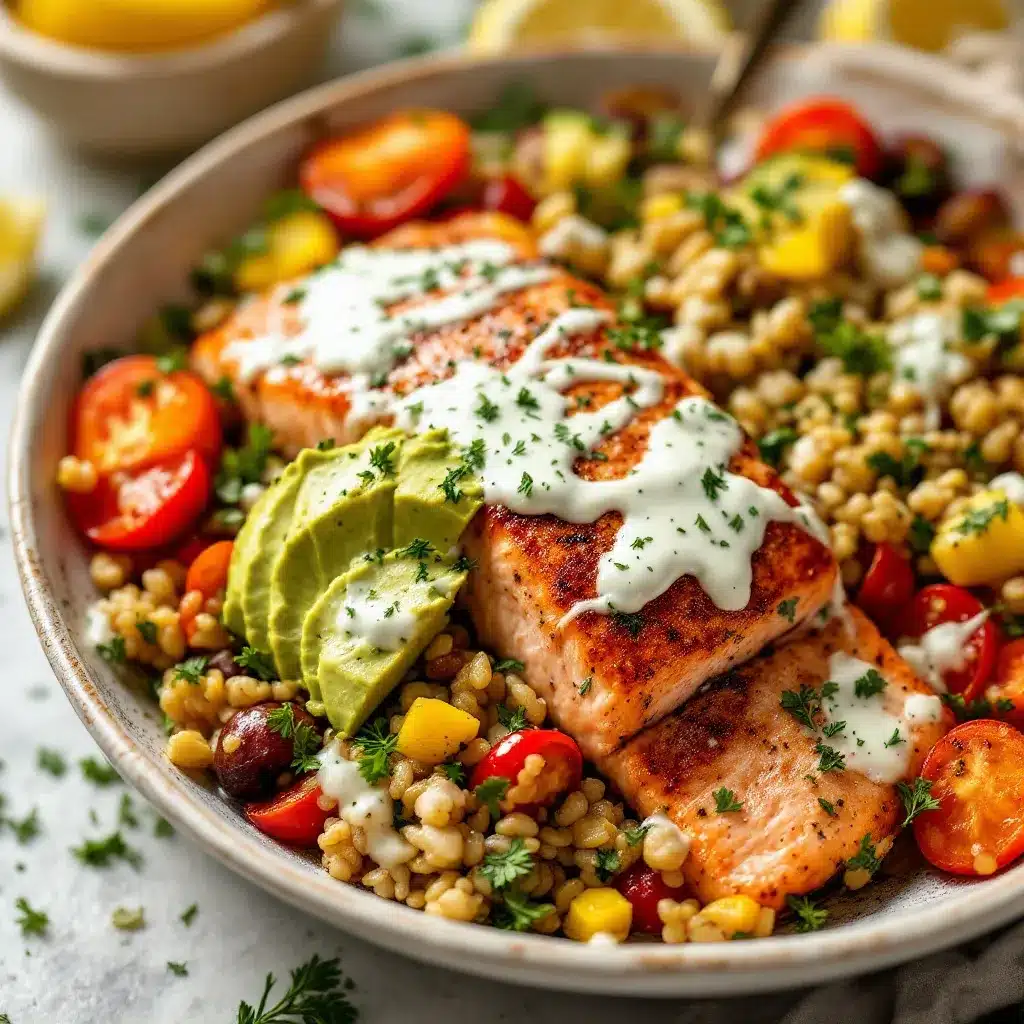
- 4 tablespoons unsalted butter, melted (I use Kerrygold—it just tastes better)
- 2 tablespoons fresh lemon juice (about half a lemon, but roll with what you’ve got)
- 1 tablespoon fresh dill, finely chopped (dried works too, but fresh is noticeably better)
- 2 cloves garlic, minced (or 1 teaspoon pre-minced from a jar—no judgment)
- 1 teaspoon lemon zest (adds that bright, aromatic pop)
For the Vegetables (Optional but Recommended)
- 1 bunch asparagus, trimmed (or green beans, broccoli, or zucchini)
- 1 cup cherry tomatoes, halved (they get jammy and sweet in the oven)
- 1 tablespoon olive oil (for tossing the veggies)
- Salt and pepper (to taste)
I used fresh dill because I had it on hand from a batch of lemon herb salmon sheet pan dinner I made last week. If you only have dried dill, use about 1 teaspoon—it’s less vibrant but still works in a pinch.
For the salmon, I prefer wild-caught when I can find it, but farm-raised Atlantic salmon is perfectly fine too. Look for fillets that are bright in color, firm to the touch, and don’t have that strong fishy smell. If your fillets have pin bones, just run your fingers along the surface and pull them out with tweezers.
Equipment Needed
You really don’t need much for this one. Here’s what I use:
- Sheet pan (half-sheet size, about 13×18 inches—anything with a rim works)
- Parchment paper or aluminum foil (for easy cleanup—trust me on this)
- Small bowl (for mixing the lemon dill butter)
- Chef’s knife and cutting board (for mincing garlic and chopping dill)
- Microplane or zester (for that lemon zest—a regular grater works too)
- Measuring spoons (or just eyeball it like I do half the time)
- Fish spatula or regular spatula (for serving)
If you don’t have a sheet pan, a baking dish or even a cast-iron skillet will do the job. I’ve used my trusty 12-inch cast iron before and it works beautifully—just keep an eye on the cooking time since cast iron holds heat differently.
Preparation Method
Alright, let’s get cooking. This is the part where the magic happens.
- Preheat your oven to 400°F (200°C). Give it a good 10-15 minutes to get nice and hot. While that’s happening, line your sheet pan with parchment paper or foil. This isn’t strictly necessary, but it makes cleanup so much easier that I consider it non-negotiable.
- Make the lemon dill butter. In a small bowl, combine the melted butter, lemon juice, fresh dill, minced garlic, and lemon zest. Whisk it all together until it’s well combined. Give it a taste—it should be bright, buttery, and herbaceous. If it needs more salt, add a pinch. Set it aside.
- Prep the vegetables (if using). Trim the woody ends off your asparagus (just bend the stalk gently—it’ll snap naturally where it gets tough). Toss the asparagus and halved cherry tomatoes with olive oil, salt, and pepper. Spread them out on one side of your sheet pan.
- Prep the salmon. Pat your salmon fillets dry with paper towels. This is important—dry fish gets crispy edges, wet fish steams. Place the fillets on the other side of the sheet pan, leaving a little space between each one. Brush them lightly with olive oil and season generously with salt, pepper, and garlic powder.
- Spoon the butter sauce over the salmon. Drizzle about half of the lemon dill butter over the fillets, reserving the rest for serving. Don’t drown them—just a nice, even coating. The butter will melt and baste the fish as it cooks.
- Bake for 12-15 minutes. The exact time depends on the thickness of your fillets. For a 1-inch thick fillet, 12 minutes is usually perfect. The salmon is done when it flakes easily with a fork and the internal temperature hits 145°F (63°C). The vegetables should be tender and lightly charred.
- Rest for 2 minutes. Take the pan out of the oven and let it sit for a couple of minutes. This lets the juices redistribute and makes the salmon even more tender.
- Serve with the reserved butter sauce. Drizzle the remaining lemon dill butter over the top, garnish with a few extra sprigs of fresh dill and lemon slices if you’re feeling fancy, and dig in.
One thing I learned the hard way: don’t overcrowd the pan. If your fillets are too close together, they’ll steam instead of roast, and you’ll miss out on those gorgeous golden edges. Give them room to breathe.
Cooking Tips & Techniques
I’ve made this recipe enough times to know where things can go wrong. Here’s what I’ve learned:
Don’t skip the resting step. I know it’s tempting to dig in right away, but letting the salmon rest for a couple of minutes makes a real difference. The juices settle, the texture firms up slightly, and the flavors meld together. I once skipped this step because I was starving, and the salmon was noticeably less tender.
Watch your oven like a hawk. Every oven runs a little differently. My old apartment oven ran hot by about 25 degrees, so I had to adjust the cooking time. Start checking your salmon at the 10-minute mark, especially if your fillets are on the thinner side.
Use room temperature ingredients. If your butter is melted and your salmon is cold from the fridge, the butter will seize up and clump. Let your salmon sit out for 10-15 minutes before cooking. It’s a small thing that makes a big difference.
Line your pan. I cannot stress this enough. Parchment paper or foil makes cleanup a breeze. The first time I made this, I didn’t line the pan, and I spent a solid 10 minutes scrubbing stuck-on butter and fish residue. Never again.
Don’t overcook the salmon. Salmon continues to cook a little after you take it out of the oven, so pull it when it’s just barely flaking. If you wait until it’s fully flaky in the oven, it’ll be dry by the time you serve it.
Variations & Adaptations
This recipe is incredibly flexible. Here are a few ways to switch it up:
Lemon Herb Version: Swap the dill for fresh parsley, thyme, or rosemary. Each herb brings its own personality. I once made it with a mix of parsley and chives, and it was fantastic—bright, fresh, and slightly oniony.
Spicy Kick: Add a pinch of red pepper flakes or a drizzle of sriracha to the butter sauce. The heat cuts through the richness beautifully. My husband loves this version, and it’s become his go-to request.
Low-Carb/Keto Friendly: This recipe is already low-carb, but you can double down by serving it with extra roasted veggies or a fresh green salad. Skip any starchy sides and load up on the asparagus and tomatoes.
Dairy-Free Option: Substitute the butter with a good quality vegan butter or use olive oil infused with garlic and lemon. It won’t be quite as rich, but it’s still delicious. I’ve made it with Miyoko’s vegan butter and honestly couldn’t tell the difference.
Different Vegetables: Not an asparagus fan? Try broccoli florets, zucchini rounds, bell pepper strips, or even thinly sliced fennel. Just adjust the cooking time based on the vegetable—broccoli might need a couple extra minutes, zucchini might need less.
Serving & Storage Suggestions
This salmon is best served warm, right out of the oven. The butter sauce is still glossy and the vegetables are perfectly tender. I like to plate it with a generous drizzle of that reserved lemon dill butter and a few extra lemon wedges on the side.
For sides, you can’t go wrong with a simple bed of rice, quinoa, or couscous to soak up all that buttery sauce. A crusty piece of bread works too—I’ve definitely used a chunk of sourdough to wipe the pan clean. If you’re keeping it light, a fresh green salad with a lemony vinaigrette is a perfect companion.
Storage: Leftover salmon keeps in an airtight container in the fridge for up to 3 days. The texture won’t be quite as perfect as fresh, but it’s still great flaked over a salad or stirred into pasta the next day.
Reheating: The best way to reheat is in a low oven (300°F) for about 5-7 minutes. The microwave works in a pinch, but it tends to dry out the fish. If you’re microwaving, cover it with a damp paper towel and heat in 30-second bursts.
Freezing: You can freeze the cooked salmon for up to 2 months. Wrap it tightly in plastic wrap and then foil. Thaw overnight in the fridge and reheat gently. The texture won’t be as flaky, but it’s still good for meal prep bowls or salads.
One thing I love about this recipe is that the flavors actually get better after a day in the fridge. The lemon dill butter infuses the fish more deeply, and the vegetables soak up all those juices. It’s one of those rare dishes that’s almost as good the next day.
Nutritional Information & Benefits
Here’s a rough estimate per serving (one fillet with vegetables and butter sauce):
- Calories: ~420
- Protein: 35g
- Fat: 28g (mostly healthy fats from salmon and olive oil)
- Carbohydrates: 8g
- Fiber: 3g
- Sugar: 3g
This meal is naturally gluten-free, low-carb, and packed with omega-3 fatty acids, which are great for heart health and brain function. Salmon is also an excellent source of high-quality protein, B vitamins, and selenium.
The lemon and dill add a nice dose of antioxidants, and the vegetables provide fiber and essential vitamins. It’s one of those meals that feels indulgent but is actually really good for you.
If you’re watching your sodium, go easy on the salt—the butter and lemon provide plenty of flavor on their own.
Frequently Asked Questions
Can I use frozen salmon?
Yes, absolutely. Just thaw it completely in the fridge overnight before cooking. Pat it dry really well—frozen salmon tends to hold more moisture, so you want to get as much off as possible. You might need to add a couple of minutes to the cooking time.
What if I don’t have fresh dill?
Dried dill works, but use about 1 teaspoon instead of 1 tablespoon. Fresh dill has a much brighter flavor, so if you’re using dried, you might want to add a squeeze of extra lemon juice at the end to brighten things up.
Can I make this with other fish?
Definitely. This recipe works beautifully with trout, cod, halibut, or even thick white fish like sea bass. Just adjust the cooking time based on the thickness of the fillet. Thinner fish like trout might need less time, thicker fish like cod might need a bit more.
How do I know when the salmon is done?
The easiest way is to use a fork. Gently flake the thickest part of the fillet—if it separates easily and looks opaque all the way through, it’s done. If you have an instant-read thermometer, 145°F (63°C) is the magic number.
Can I prep this ahead of time?
You can mix the lemon dill butter up to 3 days ahead and keep it in the fridge. You can also trim the vegetables and store them in a bag. When you’re ready to cook, just assemble everything on the pan and bake. It’s a great meal prep option for busy weeks.
Conclusion
This Easy One-Pan Baked Salmon with Lemon Dill Butter is the kind of recipe that proves you don’t need complicated techniques or fancy ingredients to make something truly delicious. It’s quick, it’s forgiving, and it’s packed with flavor that’ll make you feel like you actually know what you’re doing in the kitchen.
I love that I can make this on a chaotic Tuesday and still feel like I’ve had a proper meal. I love that the cleanup takes about two minutes. And I really love that first bite when the buttery, lemony, herby sauce hits your tongue and everything just feels right.
If you give this recipe a try, I’d love to hear how it goes. Leave a comment below, tag me in your photos, or tell me what variations you came up with. And if you’re looking for more easy weeknight dinners, check out my slow cooker honey garlic chicken meal prep bowls or these easy Mediterranean stuffed mini peppers for another quick and satisfying meal.
Happy cooking, friends. You’ve got this.
Pin This Recipe!
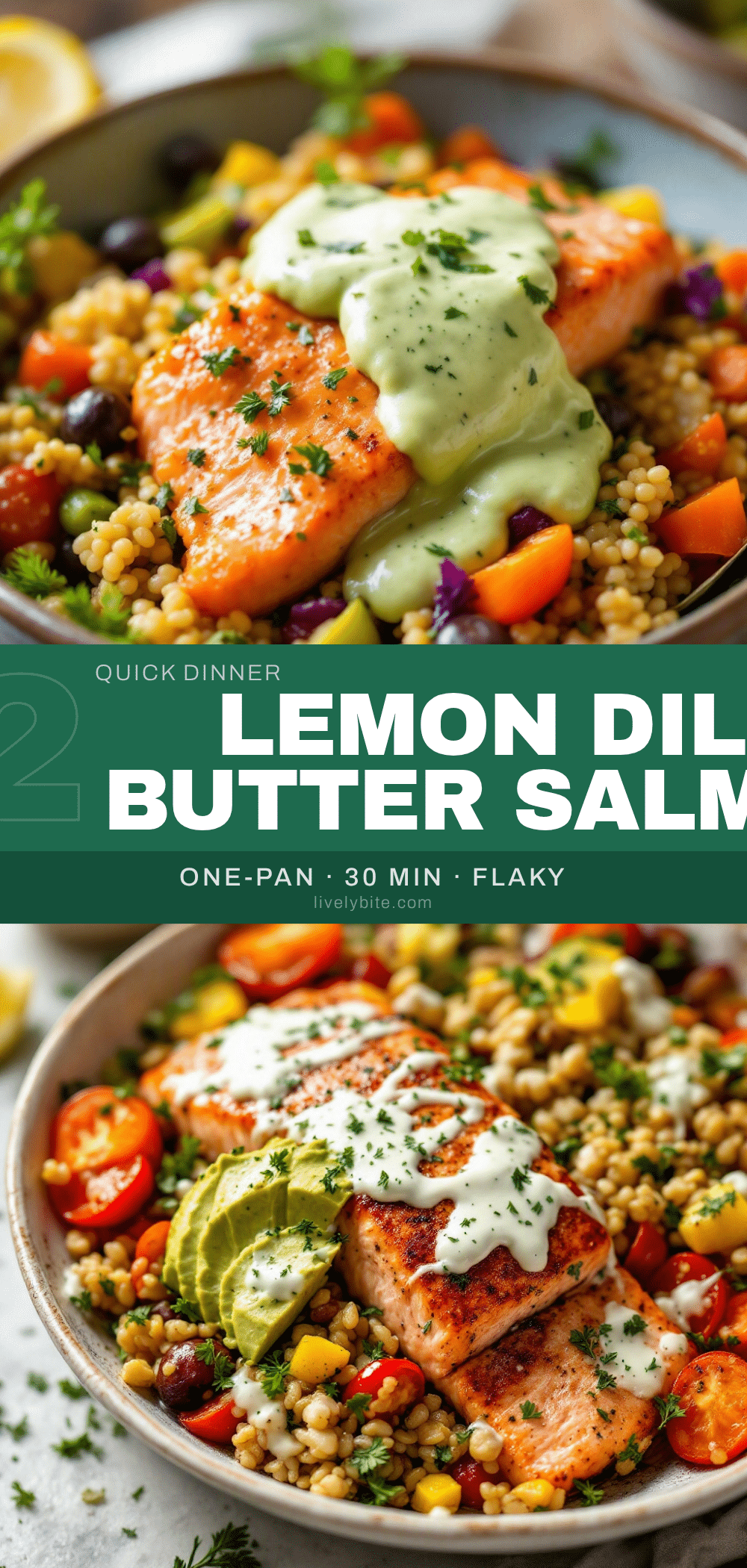
Easy One-Pan Baked Salmon with Lemon Dill Butter

A quick and easy one-pan baked salmon recipe with a bright lemon dill butter sauce, ready in under 30 minutes. Perfect for busy weeknights with minimal cleanup.
- Prep Time: 10 minutes
- Cook Time: 15 minutes
- Total Time: 25 minutes
- Yield: 4 servings 1x
- Category: Main Course
- Cuisine: American
Ingredients
- 4 salmon fillets (about 6 ounces each, skin-on or skinless)
- 2 tablespoons olive oil
- Salt and black pepper (to taste)
- 1 teaspoon garlic powder (optional)
- 4 tablespoons unsalted butter, melted
- 2 tablespoons fresh lemon juice
- 1 tablespoon fresh dill, finely chopped
- 2 cloves garlic, minced
- 1 teaspoon lemon zest
- 1 bunch asparagus, trimmed (optional)
- 1 cup cherry tomatoes, halved (optional)
- 1 tablespoon olive oil (for vegetables, optional)
- Salt and pepper (for vegetables, optional)
Instructions
- Preheat your oven to 400°F (200°C). Line a sheet pan with parchment paper or aluminum foil.
- In a small bowl, combine melted butter, lemon juice, fresh dill, minced garlic, and lemon zest. Whisk until well combined. Set aside.
- If using vegetables, trim the woody ends off the asparagus. Toss asparagus and halved cherry tomatoes with olive oil, salt, and pepper. Spread them on one side of the sheet pan.
- Pat salmon fillets dry with paper towels. Place them on the other side of the sheet pan, leaving space between each. Brush lightly with olive oil and season generously with salt, pepper, and garlic powder.
- Drizzle about half of the lemon dill butter over the salmon fillets, reserving the rest for serving.
- Bake for 12-15 minutes, until the salmon flakes easily with a fork and the internal temperature reaches 145°F (63°C). Vegetables should be tender and lightly charred.
- Remove from the oven and let rest for 2 minutes.
- Serve with the reserved lemon dill butter drizzled over the top. Garnish with fresh dill and lemon slices if desired.
Notes
Don’t overcrowd the pan to ensure the salmon roasts instead of steams. Let the salmon rest for 2 minutes after baking for best texture. Use room temperature ingredients to prevent the butter from seizing. Line the pan for easy cleanup. Start checking doneness at 10 minutes as oven temperatures vary.
Nutrition
- Serving Size: 1 fillet with vegeta
- Calories: 420
- Sugar: 3
- Sodium: 400
- Fat: 28
- Saturated Fat: 10
- Carbohydrates: 8
- Fiber: 3
- Protein: 35
Keywords: baked salmon, one-pan salmon, lemon dill butter, easy salmon recipe, sheet pan dinner, healthy salmon, quick dinner, weeknight meal