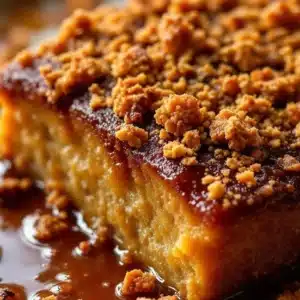
“Wait—you made that before anyone even woke up?” My sister-in-law Jen was staring at the breakfast table like I’d pulled off a magic trick. It was Christmas morning, and the house smelled like sage, melted cheese, and something deeply comforting. She had a toddler on one hip and a coffee mug in the other, and she looked genuinely baffled. “I just threw it together last night,” I said, shrugging. “Stuck it in the fridge, woke up, and put it in the oven while everyone was opening presents.” She took a bite, closed her eyes, and that was it. I’ve made this easy make-ahead breakfast casserole with sausage for every holiday, every lazy Sunday, and every time I want to feel like I have my life together without actually having to cook in the morning.
This recipe started as a solution to a very specific problem: I wanted a hot, hearty breakfast without standing over the stove while everyone else was relaxing. The first time I tried it, I used way too much milk and ended up with something closer to soup than a casserole. But I tweaked it—less liquid, more cheese, better bread—and now it’s the one thing people ask for by name. It’s not fancy. It’s not complicated. It’s just good, honest food that works.
And honestly? That’s the kind of recipe I want to share. Not the one that takes three hours and a dozen specialty ingredients. The one that makes you look like a hero with almost no effort. The one that lets you sit down with your coffee and actually enjoy the people around you.
Why You’ll Love This Recipe
Let’s be real for a second. Mornings are chaotic enough without trying to flip pancakes while someone asks you where their other shoe is. This easy make-ahead breakfast casserole with sausage solves all of that. You assemble it the night before, let the flavors meld together in the fridge, and bake it fresh when you’re ready. It’s practically foolproof.
- Quick & Easy: About 15 minutes of prep time the night before, then hands-off baking in the morning. Perfect for holidays, brunch parties, or just a weekend where you want to sleep in.
- Simple Ingredients: Eggs, milk, bread, cheese, and sausage. That’s it. No weird pantry items or expensive specialty products.
- Perfect for a Crowd: This recipe scales beautifully. I’ve made it for a family of four and for a group of twelve. It always disappears.
- Make-Ahead Magic: The overnight rest isn’t just convenient—it actually makes the casserole better. The bread soaks up all the custard, and the flavors get deeper and more cohesive.
- Unbelievably Satisfying: Every bite is soft, savory, cheesy, and just a little bit indulgent. It’s the kind of breakfast that sticks with you until lunch.
What makes this version different? It’s the ratio. I spent a lot of time testing the perfect balance of eggs to milk so the casserole is tender but not soggy. And I use a mix of sharp cheddar and a mild melty cheese like mozzarella or Monterey Jack for that perfect golden crust. Plus, I pre-cook the sausage until it’s just browned—not dried out—so every bite has that savory, slightly spicy flavor.
This isn’t just another breakfast casserole. It’s the one you’ll reach for when you want to impress without stress. It’s the one that makes you feel like you’ve got it all figured out. And honestly? You kind of do.
What Ingredients You Will Need
This recipe uses simple, everyday ingredients to create something that feels special. Most of these are probably already in your kitchen, which is exactly the point.
- Breakfast sausage (1 lb / 450g): I prefer a mild or spicy pork sausage, depending on my mood. Jimmy Dean or a local butcher brand both work great. If you’re using sausage links, just remove the casings and crumble it as it cooks. For a lighter option, you can use turkey sausage—just add a tablespoon of olive oil to the pan since it’s leaner.
- Large eggs (8): Eggs are the backbone of the custard. Use room-temperature eggs if you can—they mix more evenly into the milk. But honestly, straight from the fridge works fine too.
- Whole milk (1 ½ cups / 360 ml): Whole milk gives the casserole a rich, creamy texture. You can use 2% if that’s what you have, but avoid skim milk—it makes the final dish a bit watery. Half-and-half works beautifully if you want extra decadence.
- Dried bread cubes (6 cups / about 300g): Day-old French bread or sourdough is ideal. The drier the bread, the better it absorbs the custard without turning to mush. I’ve used leftover croissants in a pinch, and it was incredible. If you only have fresh bread, cube it and spread it on a baking sheet at 300°F for 10 minutes to dry it out.
- Sharp cheddar cheese (2 cups / 200g, shredded): Cheddar adds that sharp, tangy flavor that cuts through the richness. Freshly shredded melts better than pre-shredded bagged cheese (which has anti-caking agents). Trust me on this one.
- Monterey Jack or mozzarella cheese (1 cup / 100g, shredded): This is the melty, stretchy component. It makes the casserole feel luxurious. You can substitute provolone or even gouda for a smoky twist.
- Yellow onion (1 medium, diced): Onion adds a subtle sweetness and depth. Sauté it with the sausage until it’s translucent and soft. If you’re not a fan of onion chunks, you can grate it finely so it melts into the dish.
- Red bell pepper (1, diced): This is optional, but I love the pop of color and slight sweetness. Green bell pepper works too, but it’s a little more bitter.
- Dried mustard (1 teaspoon): This is my secret ingredient. It doesn’t taste like mustard—it just adds a subtle tang that lifts the whole dish. Don’t skip it.
- Salt and black pepper (to taste): Go easy on the salt since the sausage and cheese are already salty. A good pinch of black pepper is essential.
- Fresh parsley or chives (for garnish): Totally optional, but a sprinkle of green makes it look like you tried harder than you actually did.
Equipment Needed
You don’t need a lot of fancy tools for this one, which is part of its charm.
- 9×13-inch baking dish (3-quart capacity): This is the standard size for a breakfast casserole. Glass or ceramic works best because they hold heat evenly. If you only have metal, reduce the oven temperature by 25°F to prevent the edges from over-browning.
- Large skillet: For browning the sausage and sautéing the vegetables. A 12-inch non-stick or cast iron skillet is ideal.
- Large mixing bowl: For whisking the eggs, milk, and seasonings together. A standard 4-quart bowl is plenty big.
- Whisk: To get the eggs fully beaten and incorporated with the milk. A fork works in a pinch, but a whisk is faster.
- Measuring cups and spoons: For accuracy. I’ve been making this so long I eyeball it now, but for your first time, measure everything.
- Aluminum foil or plastic wrap: For covering the casserole while it rests overnight. Foil is better because it won’t stick to the top if the casserole rises slightly.
Preparation Method

Alright, let’s get into the actual making of this thing. I’m going to walk you through it step by step, including the little tricks I’ve picked up along the way.
- Cook the sausage and vegetables. Heat your large skillet over medium-high heat. Add the sausage and cook, breaking it up with a wooden spoon, until it’s browned and cooked through—about 6-8 minutes. Don’t drain all the fat; leave about a tablespoon in the pan for flavor. Add the diced onion and bell pepper, and cook for another 3-4 minutes until the onion is translucent. Remove from heat and let it cool slightly. Tip: If you over-cook the sausage, it gets dry. Stop when it’s just browned and still juicy.
- Prepare the baking dish. Lightly grease your 9×13-inch dish with butter or non-stick spray. This prevents sticking and makes cleanup easier. Spread the bread cubes evenly across the bottom of the dish. Don’t pack them down—just let them sit loose.
- Layer the sausage mixture and cheese. Sprinkle the cooked sausage and vegetables evenly over the bread cubes. Then sprinkle both cheeses on top. Use your hands or a spatula to gently toss everything together so the cheese is distributed throughout, not just on top. This is important: if you leave all the cheese on top, the middle of the casserole won’t have that cheesy goodness.
- Make the custard. In your large mixing bowl, whisk together the eggs, milk, dried mustard, salt, and pepper. Whisk until the eggs are fully broken up and the mixture is a uniform pale yellow. This should take about 30 seconds of vigorous whisking. Don’t over-whisk or you’ll incorporate too much air, which can make the casserole puff up and then collapse.
- Pour the custard over the casserole. Slowly and evenly pour the egg mixture over the bread and sausage layers. Try to get it into all the nooks and crannies. Gently press down on the bread with a spatula to help it absorb the liquid. The bread should be mostly submerged.
- Cover and refrigerate. Cover the dish tightly with aluminum foil or plastic wrap. Refrigerate for at least 4 hours, but preferably overnight (8-12 hours). This is where the magic happens—the bread soaks up the custard, and all the flavors meld together. I’ve left it for up to 24 hours and it was even better.
- Bake the casserole. When you’re ready to bake, preheat your oven to 350°F (175°C). Remove the casserole from the fridge and let it sit on the counter while the oven heats—about 15-20 minutes. This takes the chill off and helps it bake more evenly. Bake uncovered for 45-55 minutes, or until the center is set and the top is golden brown and slightly puffed. You can test doneness by inserting a knife into the center; it should come out clean. If the top is browning too quickly (after about 30 minutes), tent loosely with foil for the remaining time.
- Rest before serving. Let the casserole rest for 10 minutes after it comes out of the oven. This is crucial—it allows the custard to set fully so you get clean slices instead of a messy scoop. Sprinkle with fresh parsley or chives if you’re using them.
That’s it. Seriously. The hardest part is waiting for it to bake.
Cooking Tips & Techniques
I’ve made this easy make-ahead breakfast casserole with sausage at least two dozen times, and I’ve learned a few things the hard way. Here’s what I wish someone had told me.
Don’t skip the overnight rest. I know it’s tempting to bake it right away—I’ve done it. The casserole is edible, but it’s not the same. The bread doesn’t fully absorb the custard, so you end up with a soggy top and a dry bottom. That overnight soak is non-negotiable for the best texture.
Watch your liquid ratio. If you add too much milk, the casserole will be watery and won’t set properly. Stick to 1 ½ cups for 8 eggs. If you want a denser, more custard-like texture, use 1 ¼ cups. If you want it lighter and fluffier, use 1 ¾ cups. I’ve tested all three, and the 1 ½ cup mark is the sweet spot for most people.
Use a water bath for extra moisture. This is a trick I picked up from making cheesecakes. Place the baking dish in a larger roasting pan and pour hot water into the outer pan until it comes about halfway up the sides of the casserole dish. This creates a steamy environment that prevents the edges from drying out. I only do this when I’m making a double batch or using a metal pan, but it works beautifully.
Let the casserole rest before cutting. I cannot stress this enough. I once cut into it straight out of the oven because I was hungry and impatient. It collapsed into a soupy mess. That 10-minute rest allows the custard to reabsorb any liquid and firm up. Your patience will be rewarded with perfect, clean slices.
If the top gets too dark, cover it. Every oven is different. If your casserole is browning on top but still jiggly in the center after 40 minutes, loosely cover it with foil and continue baking. The foil reflects heat and prevents the top from burning while the middle catches up.
Variations & Adaptations
Once you’ve mastered the basic recipe, the possibilities are endless. Here are some of my favorite twists.
Vegetarian version: Skip the sausage and add 2 cups of sautéed mushrooms, spinach, and zucchini. The mushrooms provide that same umami, savory depth. I also add a pinch of smoked paprika to mimic the smoky flavor of sausage. It’s honestly just as satisfying.
Spicy Southwestern style: Use spicy chorizo instead of breakfast sausage. Add a can of drained and rinsed black beans, a diced jalapeño (seeds removed if you want less heat), and swap the cheddar for Pepper Jack cheese. Top with fresh salsa and avocado after baking. This version is incredible for a brunch with margaritas.
Low-carb / keto adaptation: Replace the bread cubes with 4 cups of frozen shredded hash browns (thawed and squeezed dry) or 2 cups of cauliflower rice (roasted first to remove moisture). The texture is different—denser and more potato-like—but it’s still delicious. Use full-fat dairy for the best results.
Dairy-free option: Use a plant-based milk like unsweetened oat or almond milk (not coconut milk—it’s too thin). Replace the cheese with a vegan shred that melts well, like Violife or Follow Your Heart. Sauté the sausage in olive oil instead of butter. I’ve made this for a lactose-intolerant friend and she couldn’t tell the difference.
Add more vegetables: This casserole is a great way to use up odds and ends in your fridge. Chopped broccoli, roasted red peppers, sautéed kale, or even leftover roasted sweet potatoes all work beautifully. Just make sure any watery vegetables (like zucchini or tomatoes) are sautéed first to remove excess moisture, or your casserole will be soggy.
My personal favorite variation? I add a layer of caramelized onions on top of the bread before adding the sausage. It takes an extra 20 minutes to make the onions, but the sweet, jammy flavor is worth every second. I also sprinkle a little smoked paprika on top before baking for color and a hint of smokiness.
Serving & Storage Suggestions
This casserole is incredibly versatile when it comes to serving. Here’s how I handle it.
Serving temperature: Serve it warm, straight from the oven. The cheese should be melty and the top golden. I like to let it rest the full 10 minutes, then cut it into squares and serve on a platter. A dollop of sour cream or a drizzle of hot sauce on top is never a bad idea.
What to serve with it: This casserole is hearty enough to stand alone, but I love pairing it with a simple side of fresh fruit or a light green salad dressed with lemon vinaigrette. The acidity cuts through the richness. For a full brunch spread, add some crispy bacon, fresh orange juice, and a pot of strong coffee. If you’re looking for something sweet to balance the savory, my creamy chocolate avocado pudding makes a surprisingly good dessert option after a heavy breakfast.
Storage: Leftovers keep beautifully. Store them in an airtight container in the refrigerator for up to 4 days. The flavors actually continue to develop, so day-two casserole is often even better. To reheat, microwave individual portions for 45-60 seconds, or reheat the whole dish in a 300°F oven for 10-15 minutes, covered with foil to prevent drying out.
Freezing: This casserole freezes exceptionally well. Bake it completely, let it cool, then wrap the entire dish tightly in plastic wrap and then foil. Freeze for up to 3 months. To reheat, thaw overnight in the refrigerator, then bake at 350°F for 20-25 minutes, covered. You can also freeze individual portions in freezer-safe containers for grab-and-go breakfasts. I do this all the time for busy weekday mornings.
How flavors develop: The first day, the casserole is fresh and bright. By day two, the sausage flavor has permeated the entire dish, and the custard is even more set. By day three, it’s almost like a savory bread pudding—dense, rich, and incredibly satisfying. I honestly prefer it on day two.
Nutritional Information & Benefits
Let’s be honest—this is not a health food. But it’s also not something you eat every day. It’s a special occasion breakfast, and it delivers on comfort and satisfaction. Here’s the breakdown for one serving (based on 8 servings per recipe).
| Nutrient | Amount per Serving |
|---|---|
| Calories | 385 |
| Protein | 24g |
| Fat | 22g |
| Saturated Fat | 9g |
| Carbohydrates | 22g |
| Fiber | 2g |
| Sugar | 5g |
| Sodium | 720mg |
On the positive side, this casserole is packed with protein from the eggs, sausage, and cheese, which will keep you full for hours. Eggs are also a great source of choline, which supports brain health. The bell peppers and onions add a small but meaningful dose of vitamin C and antioxidants. If you use whole wheat bread, you’ll get a bit more fiber.
For those watching their sodium, you can reduce it by using low-sodium sausage and cutting back on the added salt. The dried mustard and black pepper add plenty of flavor without extra sodium. If you’re gluten-sensitive, use gluten-free bread cubes—the recipe works exactly the same.
From a wellness perspective, I think of this casserole as a tool. It allows me to host a brunch or enjoy a holiday morning without stress. That mental ease is worth more than any single nutrient. Food isn’t just fuel—it’s connection, celebration, and love. And this casserole delivers on all three.
Conclusion
This easy make-ahead breakfast casserole with sausage has become my secret weapon for mornings that matter. It’s the dish that lets me be present instead of stressed, the one that fills the house with a smell that says “something good is happening here.” It’s not complicated, it’s not fancy, and it doesn’t try to be. It just works.
I love that you can make it your own. Swap the sausage for bacon or chorizo. Add more cheese, or less. Throw in whatever vegetables are lingering in your fridge. The base recipe is forgiving and adaptable, which is exactly what a great recipe should be.
If you try this recipe, I’d love to hear about it. Leave a comment below and let me know how it turned out—did you add a twist? Serve it for Christmas morning or a lazy Sunday? Your adaptations might inspire someone else. And if you’re looking for more easy, crowd-pleasing recipes, you might enjoy my Mediterranean stuffed mini peppers with feta for a lighter appetizer, or this slow cooker honey garlic chicken for a dinner that practically makes itself.
Go ahead—make it tonight. Your future self, bleary-eyed and coffee-deprived, will thank you.
Frequently Asked Questions
Can I use frozen hash browns instead of bread?
Yes, absolutely. Thaw the hash browns first and squeeze out as much moisture as possible with a clean kitchen towel. This creates a denser, more potato-forward casserole that’s still delicious. Reduce the milk to 1 cup since potatoes absorb less liquid than bread.
How do I prevent my casserole from being watery?
The most common culprit is using too much milk or not cooking the vegetables enough. Stick to the 1 ½ cup measurement, and always sauté watery vegetables like mushrooms or zucchini before adding them. Also, make sure your bread is dry—day-old or lightly toasted bread absorbs custard much better than fresh, soft bread.
Can I prepare this casserole without eggs?
You can try using a vegan egg substitute like Just Egg or a flax egg mixture, but the texture will be different. The casserole will be softer and less structured. I’ve tested it with a tofu-based scramble as the base, and it worked okay, but it’s not the same experience. If you’re avoiding eggs for dietary reasons, I’d recommend looking for a specifically vegan breakfast casserole recipe instead.
How long should I let the casserole rest overnight?
Minimum 4 hours, but 8-12 hours (overnight) is ideal. The bread needs time to fully absorb the custard, and the flavors need time to meld. I’ve left it for up to 24 hours with no issues. Just make sure it’s tightly covered so it doesn’t dry out or absorb other odors from the fridge.
Can I double this recipe?
Absolutely. Use a larger baking dish (like a 10×15-inch or two 9×13-inch dishes) and increase the baking time by about 10-15 minutes. Make sure the center reaches 165°F for food safety. If you’re feeding a crowd, this is the perfect recipe to scale up—just make sure your oven can fit both dishes on the same rack.
Pin This Recipe!

Easy Make-Ahead Breakfast Casserole with Sausage
This easy make-ahead breakfast casserole with sausage is the perfect solution for stress-free mornings. Assemble it the night before, let the flavors meld, and bake it fresh for a hearty, cheesy, and satisfying breakfast that feeds a crowd.
- Prep Time: 15 minutes
- Cook Time: 50 minutes
- Total Time: 8 hours 15 minutes (includes overnight refrigeration)
- Yield: 8 servings 1x
- Category: Main Course
- Cuisine: American
Ingredients
- 1 lb (450g) breakfast sausage (mild or spicy)
- 8 large eggs
- 1 ½ cups (360 ml) whole milk
- 6 cups (about 300g) dried bread cubes (day-old French bread or sourdough)
- 2 cups (200g) sharp cheddar cheese, shredded
- 1 cup (100g) Monterey Jack or mozzarella cheese, shredded
- 1 medium yellow onion, diced
- 1 red bell pepper, diced (optional)
- 1 teaspoon dried mustard
- Salt and black pepper to taste
- Fresh parsley or chives for garnish (optional)
Instructions
- Cook the sausage and vegetables: Heat a large skillet over medium-high heat. Add the sausage and cook, breaking it up with a wooden spoon, until browned and cooked through (6-8 minutes). Leave about a tablespoon of fat in the pan. Add the diced onion and bell pepper, and cook for 3-4 minutes until the onion is translucent. Remove from heat and let cool slightly.
- Prepare the baking dish: Lightly grease a 9×13-inch (3-quart) baking dish with butter or non-stick spray. Spread the bread cubes evenly across the bottom.
- Layer the sausage mixture and cheese: Sprinkle the cooked sausage and vegetables evenly over the bread cubes. Then sprinkle both cheeses on top. Gently toss everything together with your hands or a spatula to distribute the cheese throughout.
- Make the custard: In a large mixing bowl, whisk together the eggs, milk, dried mustard, salt, and pepper until fully combined and a uniform pale yellow (about 30 seconds). Do not over-whisk.
- Pour the custard over the casserole: Slowly and evenly pour the egg mixture over the bread and sausage layers. Gently press down on the bread with a spatula to help it absorb the liquid. The bread should be mostly submerged.
- Cover and refrigerate: Cover the dish tightly with aluminum foil or plastic wrap. Refrigerate for at least 4 hours, preferably overnight (8-12 hours).
- Bake the casserole: Preheat the oven to 350°F (175°C). Remove the casserole from the fridge and let it sit on the counter for 15-20 minutes. Bake uncovered for 45-55 minutes, or until the center is set and the top is golden brown and slightly puffed. If the top browns too quickly, tent loosely with foil.
- Rest before serving: Let the casserole rest for 10 minutes before cutting. Sprinkle with fresh parsley or chives if desired.
Notes
Don’t skip the overnight rest for best texture. Use day-old bread for better absorption. If the top browns too quickly, cover with foil. Let the casserole rest 10 minutes before cutting for clean slices.
Nutrition
- Serving Size: 1 serving (1/8 of re
- Calories: 385
- Sugar: 5
- Sodium: 720
- Fat: 22
- Saturated Fat: 9
- Carbohydrates: 22
- Fiber: 2
- Protein: 24
Keywords: breakfast casserole, make-ahead breakfast, sausage casserole, overnight breakfast casserole, holiday breakfast, brunch recipe