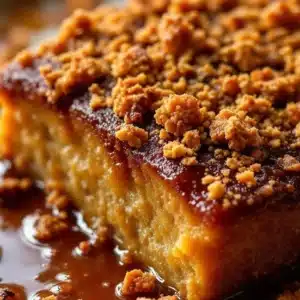
My husband took one bite of this brown butter honeynut squash with thyme, stopped chewing, and just stared at the plate for a solid five seconds. Not in a dramatic way, mind you. More like he was trying to figure out what had happened to the squash he usually tolerates because it’s good for you. I’d roasted them a dozen different ways before, but this time I went rogue with the brown butter and fresh thyme, and honestly, I wasn’t expecting much. Just another weeknight side dish, you know?
But there he was, mid-bite, looking at me like I’d accidentally stumbled onto something. And I guess I had. The nuttiness from the browned butter, the way the honeynut squash caramelizes at the edges, and that earthy pop of thyme — it all clicked in a way that felt less like cooking and more like luck. I didn’t set out to make some unforgettable dish. I just had a few squashes sitting on the counter, some butter that needed using, and a sprig of thyme that was about to go sad in the fridge.
That’s the thing about this brown butter honeynut squash with thyme recipe. It doesn’t try hard. It just works. The squash gets tender and sweet, the butter turns all toasty and rich, and the thyme keeps everything from feeling too heavy. It’s the kind of side dish that makes you wonder why you haven’t been doing this all along. And honestly, I’m still wondering that myself.
Why You’ll Love This Recipe
I’ve tested this brown butter honeynut squash with thyme about seven times now — not because it was hard to get right, but because I kept finding little ways to make it even better. And I’m not a chef or anything, just someone who’s burned enough butter to know when it’s actually done right. Here’s why this one’s a keeper:
- Quick & Easy : From start to table in about 35 minutes. No marinating, no complicated steps, no stress. Just slice, toss, roast, and drizzle.
- Simple Ingredients : You probably already have butter and thyme in your kitchen. The honeynut squash is the only thing you might need to grab, and they’re showing up at more grocery stores these days.
- Perfect for Fall Gatherings : This dish looks fancy enough for Thanksgiving but comes together easily on a random Tuesday. It’s the kind of thing you bring to a potluck and everyone asks for the recipe.
- Crowd-Pleaser : I’ve served this to people who swear they don’t like squash. They ate it. Some even went back for seconds. The brown butter does something magical here — it turns a humble vegetable into something people actually crave.
- Unbelievably Delicious : The texture is what gets me every time. The edges get all crispy and caramelized while the inside stays tender and almost buttery. Paired with that nutty brown butter and fragrant thyme, it’s comfort food that somehow feels a little elevated without being fussy.
What makes this version different from all the other roasted squash recipes out there? It’s the brown butter technique. Most recipes just toss the squash in melted butter and call it a day. But taking the extra few minutes to brown the butter first — watching it foam, then turn golden, then develop that deep, almost hazelnut-like aroma — changes everything. It adds a layer of complexity that plain melted butter just can’t touch. And the thyme? It’s not just a garnish. It steeps in the warm butter, releasing its oils and infusing every single piece of squash with that earthy, slightly floral flavor.
This isn’t just another side dish. It’s the one that makes people close their eyes after the first bite. And honestly, that’s the best kind of cooking.
What Ingredients You Will Need
This recipe uses a handful of simple ingredients to create something that tastes way more complex than it should. Here’s what you’ll need and why each one matters:
For the Squash
- Honeynut squash (about 2 medium, or 1½ pounds total) — These little guys are sweeter and creamier than butternut squash, with thinner skin that doesn’t need peeling. Look for ones that feel heavy for their size and have a deep orange color. I’ve found them at Trader Joe’s and most farmers’ markets in the fall.
- Olive oil (2 tablespoons) — Helps the squash roast evenly and get those crispy edges. A good quality extra virgin works fine here, but regular olive oil is totally fine too.
- Salt (½ teaspoon, or to taste) — I use fine sea salt. It distributes better than coarse salt on the squash pieces.
- Black pepper (¼ teaspoon, freshly ground) — Adds a little warmth without overpowering the other flavors.
For the Brown Butter Sauce
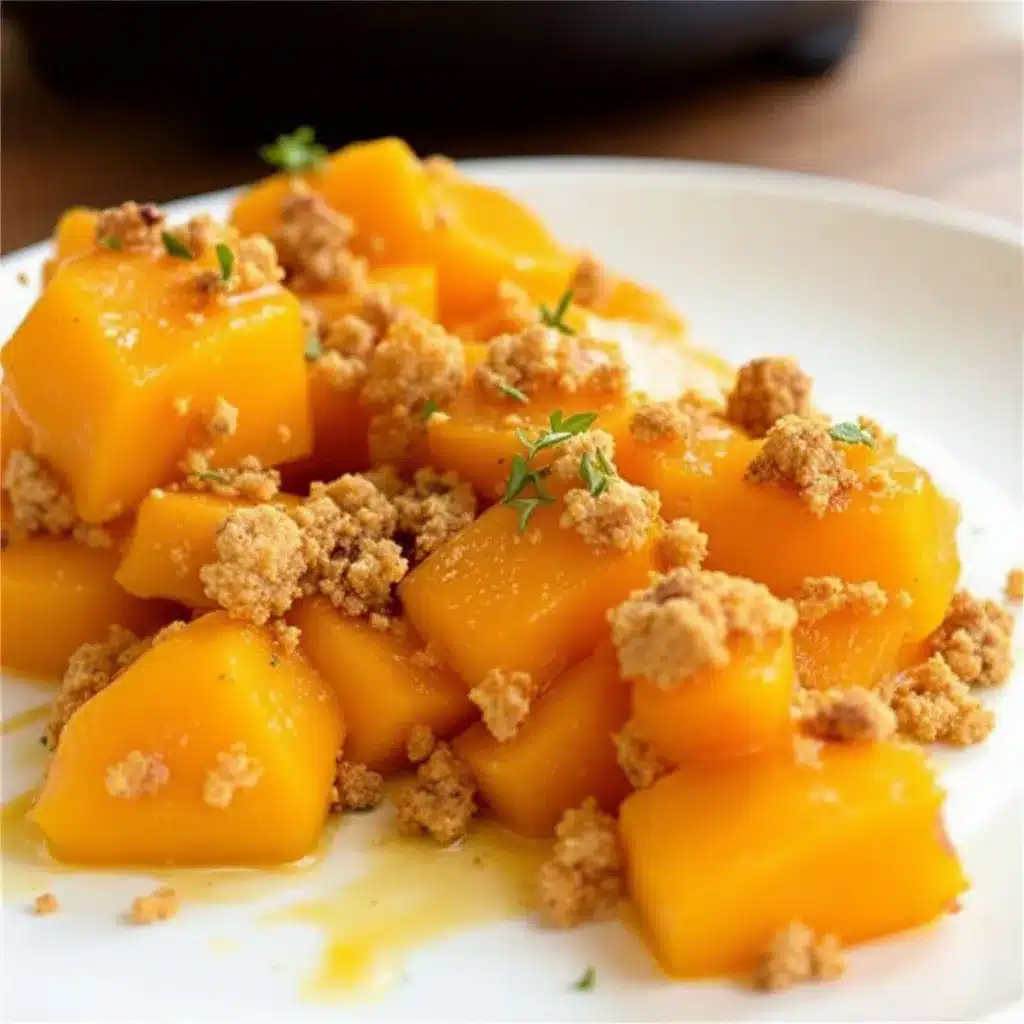
- Unsalted butter (3 tablespoons) — You want unsalted here so you can control the salt level. The browning process concentrates the flavor, so good-quality butter makes a difference. I usually go with Kerrygold or a local European-style butter when I can find it.
- Fresh thyme (about 6-8 sprigs, plus more for garnish) — Fresh is non-negotiable here. Dried thyme just doesn’t have the same aromatic punch, and it can get a little dusty-tasting when steeped in butter. Look for thyme with bright green leaves and no wilting.
- Maple syrup (1 tablespoon, optional but recommended) — Just a touch to enhance the natural sweetness of the squash. Grade A dark amber works beautifully. You can skip it if you want a more savory dish.
- Flaky sea salt (for finishing) — This is optional but honestly, it takes the dish from good to great. Maldon is my go-to.
Ingredient Selection Tips
If you can’t find honeynut squash, don’t worry. Butternut squash works as a substitute, though you’ll want to peel it first since the skin is tougher. Cut it into similar-sized pieces (about 1-inch cubes) to ensure even roasting. For the butter, I really do recommend using a good European-style butter if you can — the higher fat content browns more evenly and gives a richer flavor. And please, please use fresh thyme. I learned this the hard way after making a batch with dried thyme that tasted like sad herbs. Just don’t.
Equipment Needed
You don’t need a fancy kitchen to make this brown butter honeynut squash with thyme. Here’s what you’ll actually use:
- Baking sheet (half-sheet pan, about 13×18 inches) — A rimmed baking sheet works best to catch any juices. I’ve used my Nordic Ware sheet pan for years and it still hasn’t warped.
- Parchment paper (optional but helpful) — Makes cleanup a breeze and prevents the squash from sticking. If you don’t have it, lightly grease the pan with a little oil.
- Small saucepan — For browning the butter. A light-colored pan (stainless steel or enameled) is ideal so you can see the butter change color. Dark nonstick pans make it harder to judge doneness.
- Chef’s knife — A sharp 8-inch knife makes cutting the squash much safer and easier. Dull knives are actually more dangerous because they slip.
- Cutting board — Preferably a large wooden or plastic board with a stable surface.
- Mixing bowl — For tossing the squash with oil and seasonings.
- Spatula or wooden spoon — For stirring the butter as it browns. A silicone spatula works great for scraping every last bit of that liquid gold onto the squash.
- Measuring spoons — For accuracy, though honestly, I eyeball the thyme now.
If you don’t have a baking sheet, a large cast-iron skillet works beautifully too. Just keep an eye on the cooking time since cast iron retains heat differently. And if you’re new to browning butter, don’t stress. I burned my first few batches before I figured out the timing. A light-colored pan really does help you see what’s happening.
Preparation Method
Let me walk you through this step by step. I’ve included all the little details I wish someone had told me the first time I made this.
- Preheat your oven to 400°F (200°C). Position the rack in the middle of the oven. While it’s heating, line your baking sheet with parchment paper if you’re using it.
- Prepare the honeynut squash. Wash the squash well since you’re leaving the skin on. Using a sharp chef’s knife, carefully cut each squash in half lengthwise. Scoop out the seeds and stringy bits with a spoon — a grapefruit spoon with serrated edges works great here, but a regular spoon is fine too. Slice each half into ½-inch thick half-moons. If the pieces are uneven, the thinner ones will burn before the thicker ones are done. Try to keep them uniform. You know, like you’re trying to be fair to every piece.
- Toss with oil and seasonings. Place the squash pieces in a mixing bowl. Drizzle with 2 tablespoons olive oil, then sprinkle with ½ teaspoon salt and ¼ teaspoon black pepper. Use your hands to toss everything together until each piece is lightly coated. Don’t skip this step — the oil helps the squash caramelize instead of just steaming in the oven.
- Arrange on the baking sheet. Spread the squash pieces in a single layer on the prepared baking sheet. Make sure they’re not touching each other too much. If they’re crowded, they’ll steam instead of roast, and you won’t get those gorgeous caramelized edges. If you have too much squash for one sheet, use two pans or roast in batches.
- Roast for 20-25 minutes. Place the baking sheet in the preheated oven. After 15 minutes, flip each piece with a spatula. The squash should be getting golden on the bottom. Continue roasting for another 5-10 minutes, until the pieces are tender when pierced with a fork and the edges are browned and slightly crispy. The timing depends on how thick you cut them, so start checking at 20 minutes.
- Make the brown butter while the squash roasts. This is where the magic happens. Place 3 tablespoons unsalted butter in a small, light-colored saucepan over medium heat. Let it melt completely, then continue cooking. The butter will start to foam and sputter — that’s normal. Swirl the pan occasionally. After about 3-4 minutes, the foam will subside and you’ll see golden brown specks forming at the bottom of the pan. The butter will smell nutty and toasty, almost like hazelnuts. The moment you see those brown specks and smell that nutty aroma, remove the pan from heat immediately. Don’t walk away from the stove during this process. I’ve burned more butter than I care to admit by getting distracted. It happens fast.
- Infuse the butter with thyme. Once the pan is off the heat, add 6-8 sprigs of fresh thyme. The hot butter will sizzle slightly as the thyme hits it. Let the thyme steep for about 1 minute, swirling the pan gently. The butter will take on a lovely herbal aroma. If you’re using maple syrup, stir in 1 tablespoon now. It’ll bubble up a bit, so be careful.
- Drizzle over the roasted squash. Remove the squash from the oven and transfer it to a serving platter. Discard the thyme sprigs (or leave a few for garnish — they look pretty). Pour the brown butter mixture evenly over the squash, making sure every piece gets some of that liquid gold. Use a silicone spatula to scrape every last drop from the pan.
- Finish and serve. Sprinkle with a pinch of flaky sea salt if you’re using it. Garnish with a few fresh thyme leaves. Serve immediately while the squash is still warm and the butter is glossy. The contrast between the crispy edges and the tender interior is best right out of the oven.
Cooking Tips & Techniques
I’ve made this brown butter honeynut squash with thyme more times than I can count, and I’ve definitely made some mistakes along the way. Here’s what I’ve learned so you don’t have to repeat my errors.
The biggest mistake people make with brown butter is walking away from the stove. I know it seems like you have time to chop something or check your phone, but you really don’t. The butter goes from perfectly browned to burnt in about 30 seconds. Stay at the stove, keep the heat at medium (not high), and watch for that golden-brown color. The nutty smell is your cue — when you smell it, it’s done.
Cutting the squash evenly is more important than you think. I used to just slice haphazardly, telling myself it would all work out in the oven. It doesn’t. Thin pieces burn, thick pieces stay raw in the middle. Take the extra minute to make your slices uniform, about ½-inch thick. Your future self will thank you.
Don’t overcrowd the pan. This is probably the most common mistake in any roasted vegetable recipe. If the squash pieces are touching or overlapping, they’ll steam instead of roast. You want that direct heat contact for caramelization. If you’re doubling the recipe, use two baking sheets.
Flip the squash halfway through. I know it’s tempting to just let it go and hope for the best, but flipping ensures both sides get that beautiful golden-brown color. Use a thin metal spatula to get under the pieces without breaking them.
Let the brown butter cool slightly before adding the thyme. If you drop the thyme into butter that’s still bubbling aggressively, it can spatter. Give it about 10-15 seconds off the heat, then add the thyme. The residual heat is plenty to infuse the flavor.
Timing tip: Start the brown butter when the squash has about 5 minutes left to roast. That way, everything finishes at the same time, and you can serve it hot. Cold brown butter sauce just isn’t the same.
Variations & Adaptations
One of the things I love about this brown butter honeynut squash with thyme is how flexible it is. Here are some variations I’ve tried and loved:
Maple-Bourbon Version: Replace the maple syrup with 1 tablespoon of bourbon and add it to the brown butter after removing from heat. The alcohol cooks off, leaving behind a warm, slightly smoky sweetness that pairs beautifully with the squash. I made this for a Friendsgiving once and it disappeared in minutes.
Spicy Brown Butter: Add a pinch of red pepper flakes or a small dried chili to the butter as it browns. The heat cuts through the richness and adds a surprising kick. My husband loves this version, though I keep it mild because the kids eat it too.
Vegan Option: Substitute the butter with a high-quality vegan butter (I like Miyoko’s or Country Crock Plant Butter) and use coconut oil instead of olive oil. The browning process works similarly with vegan butter, though it may take a minute or two less. For the thyme infusion, it works exactly the same.
Other Herbs: Thyme is classic, but rosemary works beautifully too. Just use a little less since rosemary is stronger. Sage is another option — fry the sage leaves in the brown butter until crispy, then crumble them over the squash. I did this once by accident when I ran out of thyme, and it was a happy accident.
Different Squash: As I mentioned earlier, butternut squash is a great substitute. Just peel it first and cut into 1-inch cubes. Delicata squash also works well and doesn’t need peeling. Acorn squash is fine too, though it’s a little less sweet.
Make It a Meal: Toss the finished squash with cooked farro or quinoa, some toasted pecans, and crumbled goat cheese. It turns into a hearty fall salad that’s perfect for lunch. I’ve also served it alongside the easy lemon herb salmon sheet pan dinner for a complete meal that comes together in under an hour.
Serving & Storage Suggestions
This dish is best served warm, right after the brown butter has been drizzled over the top. The squash should be tender but still holding its shape, with those crispy edges that make every bite interesting. I like to serve it on a large white platter so the deep orange squash and golden butter really pop. A sprinkle of fresh thyme leaves and flaky sea salt right before serving makes it look like you put in way more effort than you actually did.
What to serve with it: This squash pairs beautifully with roasted chicken, pork chops, or fish. I’ve also served it alongside easy slow cooker honey garlic chicken meal prep bowls for a weeknight dinner that feels special. For a vegetarian meal, try it with a grain bowl or alongside some easy Mediterranean stuffed mini peppers with feta for a colorful, satisfying plate.
Storage: Leftover squash keeps in an airtight container in the refrigerator for up to 4 days. The texture won’t be quite as crispy as fresh, but the flavor actually gets better as the brown butter soaks in overnight. To reheat, spread the squash on a baking sheet and warm in a 350°F oven for about 5-7 minutes. You can also microwave it, but the edges won’t crisp up that way.
Freezing: I don’t recommend freezing this dish. The squash gets mushy when thawed, and the brown butter sauce separates. It’s really best made fresh.
Make-Ahead Tip: You can roast the squash up to a day in advance and store it in the fridge. When you’re ready to serve, make the brown butter fresh and reheat the squash in the oven for a few minutes before drizzling. The fresh brown butter makes all the difference.
Nutritional Information & Benefits
This brown butter honeynut squash with thyme is a side dish that feels indulgent but is actually pretty good for you. Here’s a rough estimate per serving (based on 4 servings):
| Nutrient | Amount per Serving |
|---|---|
| Calories | 185 |
| Total Fat | 14g |
| Saturated Fat | 7g |
| Carbohydrates | 16g |
| Fiber | 3g |
| Sugar | 7g |
| Protein | 2g |
| Vitamin A | 190% DV |
| Vitamin C | 25% DV |
Honeynut squash is packed with vitamin A (in the form of beta-carotene), which is great for eye health and immune function. It’s also a good source of fiber, which helps with digestion and keeps you feeling full. The brown butter adds some fat, but honestly, a little fat helps your body absorb the fat-soluble vitamins in the squash. So it’s kind of a win-win.
If you’re watching your dairy intake, the vegan version cuts the saturated fat significantly. And if you’re gluten-free, this recipe is naturally gluten-free as written — just double-check your maple syrup is certified gluten-free if that’s a concern.
Conclusion
This brown butter honeynut squash with thyme has become one of those recipes I make on autopilot now. Not because it’s boring, but because it’s so reliably good that I don’t even think twice. It’s the dish I bring to fall dinners, the one I make when I want something that feels special without spending hours in the kitchen, and honestly, the one I crave on chilly evenings when I just want something warm and comforting.
I hope you give it a try. And I really hope you don’t walk away from the brown butter — learn from my mistakes, friends. If you make it, I’d love to hear how it turned out. Did you add the maple syrup? Try it with rosemary instead of thyme? Serve it with something unexpected? Drop a comment below and let me know. And if you’re looking for more fall-inspired recipes, check out the full recipe collection for more ideas. Happy cooking!
Frequently Asked Questions
Can I use butternut squash instead of honeynut?
Absolutely. Butternut squash is the closest substitute in terms of flavor and texture. Just peel it first since the skin is tougher than honeynut skin, and cut it into 1-inch cubes for even roasting. The cooking time will be about the same.
Do I have to peel honeynut squash?
Nope! That’s one of the best things about honeynut squash — the skin is thin and tender enough to eat once roasted. It softens up beautifully in the oven and adds a nice texture contrast. Just give the squash a good wash before cutting.
Can I make this recipe dairy-free?
Yes. Substitute the butter with a good-quality vegan butter (I recommend Miyoko’s or Country Crock Plant Butter) and use coconut oil instead of olive oil for roasting. The browning process works similarly with vegan butter, though it may take a minute or two less. The flavor is still delicious.
How do I know when the brown butter is done?
Watch for three signs: the butter will turn a golden-amber color, you’ll see tiny brown specks forming at the bottom of the pan, and it will smell nutty and toasty — like hazelnuts or toasted almonds. The moment you smell that nutty aroma, remove the pan from heat. It goes from perfect to burnt very quickly, so don’t walk away.
Can I prepare this dish ahead of time?
You can roast the squash up to a day in advance and store it in the refrigerator. When you’re ready to serve, reheat the squash in a 350°F oven for about 5-7 minutes, then make the brown butter fresh and drizzle it over the top. The fresh brown butter really makes a difference, so I don’t recommend making that ahead.
Pin This Recipe!
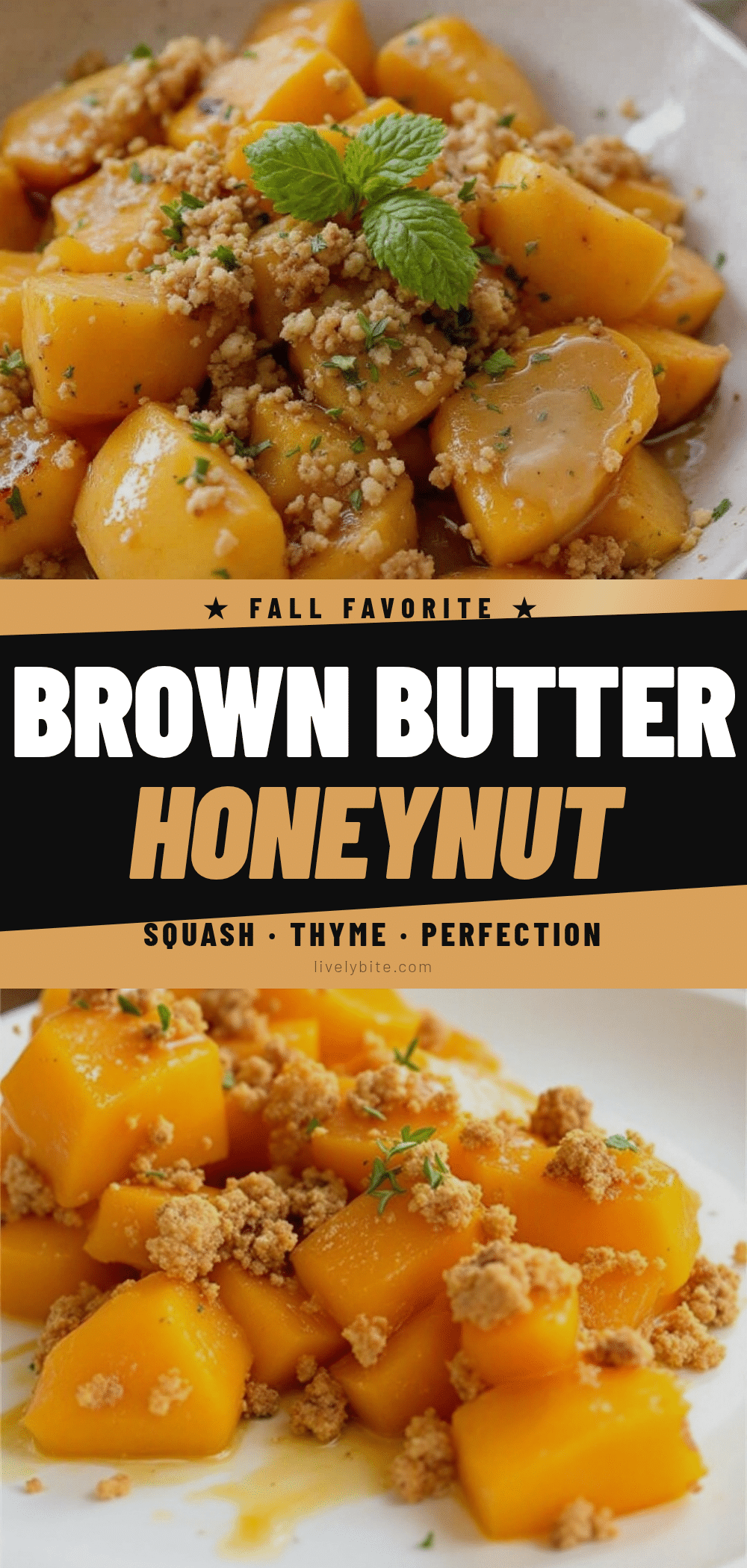
Easy Brown Butter Honeynut Squash with Thyme Recipe

Tender roasted honeynut squash drizzled with nutty brown butter and fresh thyme. An easy, elegant fall side dish that comes together in about 35 minutes with simple ingredients.
- Prep Time: 10 minutes
- Cook Time: 25 minutes
- Total Time: 35 minutes
- Yield: 4 servings 1x
- Category: Side Dish
- Cuisine: American
Ingredients
- 2 medium honeynut squash (about 1½ pounds total)
- 2 tablespoons olive oil
- ½ teaspoon fine sea salt
- ¼ teaspoon freshly ground black pepper
- 3 tablespoons unsalted butter
- 6–8 sprigs fresh thyme, plus more for garnish
- 1 tablespoon maple syrup (optional but recommended)
- Flaky sea salt for finishing (optional)
Instructions
- Preheat your oven to 400°F (200°C). Position the rack in the middle of the oven. Line a baking sheet with parchment paper if desired.
- Wash the honeynut squash well. Using a sharp chef’s knife, carefully cut each squash in half lengthwise. Scoop out the seeds and stringy bits with a spoon. Slice each half into ½-inch thick half-moons, keeping pieces uniform.
- Place the squash pieces in a mixing bowl. Drizzle with 2 tablespoons olive oil, then sprinkle with ½ teaspoon salt and ¼ teaspoon black pepper. Use your hands to toss until each piece is lightly coated.
- Spread the squash pieces in a single layer on the prepared baking sheet, making sure they are not touching too much to ensure caramelization.
- Roast for 20-25 minutes, flipping each piece with a spatula after 15 minutes. Continue roasting until tender when pierced with a fork and edges are browned and slightly crispy.
- While the squash roasts, make the brown butter. Place 3 tablespoons unsalted butter in a small, light-colored saucepan over medium heat. Melt completely, then continue cooking. The butter will foam and sputter. Swirl the pan occasionally. After about 3-4 minutes, the foam will subside and golden brown specks will form at the bottom. The butter will smell nutty and toasty. Remove from heat immediately.
- Once the pan is off the heat, add 6-8 sprigs of fresh thyme. Let steep for about 1 minute, swirling gently. If using maple syrup, stir in 1 tablespoon now.
- Remove the squash from the oven and transfer to a serving platter. Discard the thyme sprigs (or leave a few for garnish). Pour the brown butter mixture evenly over the squash.
- Sprinkle with a pinch of flaky sea salt if using. Garnish with fresh thyme leaves. Serve immediately while warm.
Notes
Don’t walk away from the brown butter—it goes from perfect to burnt in about 30 seconds. Cut squash evenly (about ½-inch thick) to ensure even roasting. Don’t overcrowd the pan; use two baking sheets if needed. For best results, start the brown butter when the squash has about 5 minutes left to roast so everything finishes at the same time.
Nutrition
- Serving Size: 1 serving
- Calories: 185
- Sugar: 7
- Sodium: 300
- Fat: 14
- Saturated Fat: 7
- Carbohydrates: 16
- Fiber: 3
- Protein: 2
Keywords: brown butter honeynut squash, roasted honeynut squash, fall side dish, easy squash recipe, thyme squash, brown butter squash