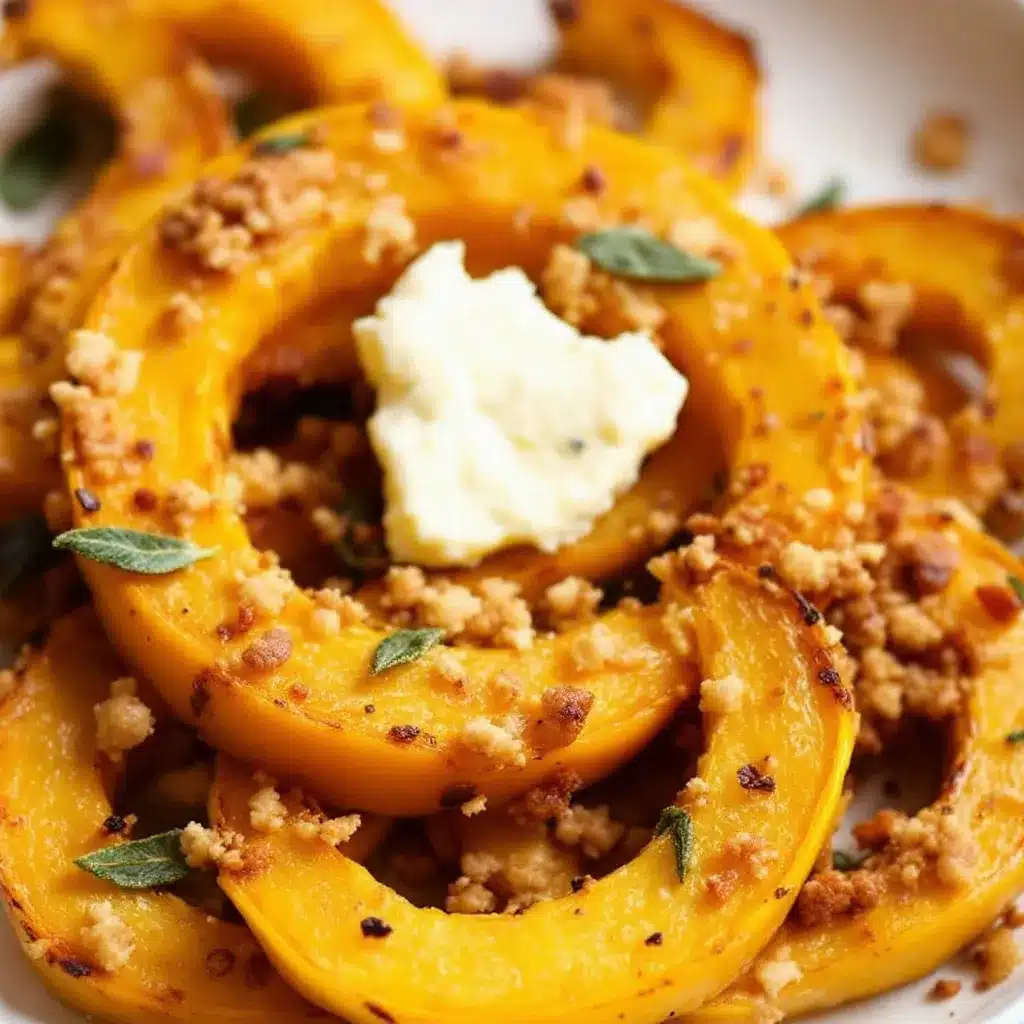
By the third time I roasted a delicata squash this season, I had developed a strange, almost irrational relationship with the kitchen timer. It wasn’t just about the food anymore; it was about the ritual. The way the hollowed-out rings spin in the oven. The smell of brown butter hitting hot sage leaves. The sheer unpredictability of whether the squash would caramelize into golden perfection or turn into a soggy mess. Honestly, I don’t even remember why I started making this so often. Maybe it was the autumn light hitting the counter. Maybe it was just the need to control something in a chaotic week.
People think cooking is about the recipe. It’s not. It’s about the repetition. The third batch taught me that the thickness of the slice matters more than the spice blend. The fourth batch (yes, there was a fourth, don’t ask) taught me that fresh sage is non-negotiable. Dried leaves just smell like dust and regret. I kept coming back to this creamy maple roasted delicata squash with sage because it was the one thing I could get right, even when my brain was elsewhere.
There’s a specific moment, right around minute twelve of roasting, when the kitchen fills with that sweet, earthy scent. It stops being about dinner and starts being about comfort. You stand there, spoon in hand, waiting for the edges to crisp. It’s a quiet kind of madness, really. But if you’re willing to wait, it pays off. This isn’t just a side dish. It’s a reminder that some things are worth obsessing over.
Why You’ll Love This Recipe
Let’s be real for a second. Most roasted squash recipes out there are boring. They’re safe. They’re predictable. This creamy maple roasted delicata squash with sage is different because it actually respects the vegetable. Delicata squash is unique—it’s one of the few winter squashes you can eat the skin on, which saves you from the tedious peeling process that kills the joy of cooking for so many people. I’ve tested dozens of versions, from heavy cream sauces to dry roasting methods, and this balance is the only one that sticks.
- Quick & Easy: Despite the roasting time, active prep is under ten minutes. It’s perfect for busy weeknights when you want something that tastes like you spent hours, but you didn’t.
- Simple Ingredients: You likely have everything in your pantry right now. Maple syrup, butter, sage, and squash. No fancy grocery trips or obscure spices needed.
- Perfect for Autumn Gatherings: Whether it’s a casual Tuesday dinner or a holiday potluck, this dish brings that cozy, seasonal vibe without the stress.
- Crowd-Pleaser: Even the pickiest eaters who claim they “don’t like vegetables” will ask for seconds. The sweetness of the maple balances the earthiness of the sage perfectly.
- Unbelievably Delicious: The texture is key here. Creamy inside, crisp edges, with bursts of savory sage. It’s next-level comfort food.
What makes this recipe stand out is the technique. Many people boil or steam their squash, which leaves it watery and bland. Roasting concentrates the flavor. Adding a touch of cream or butter at the end creates that luxurious coating that clings to every bite. It’s not just good; it’s the kind of dish that makes you close your eyes after the first bite. It’s comfort food reimagined—healthier, faster, but with the same soul-soothing satisfaction. Plus, it pairs beautifully with lean proteins like our easy lemon herb salmon sheet pan dinner for a complete meal.
What Ingredients You Will Need
This recipe relies on the quality of a few key components. Because the flavor profile is simple, each ingredient plays a major role. You want fresh, vibrant sage and pure maple syrup—no pancake syrup substitutes here, please. The delicata squash should feel heavy for its size, indicating it’s full of moisture and sweetness.
- Delicata Squash (2 medium): Look for squash with firm, unblemished skin. The skin is edible, so scrub it well. This variety is thin-skinned and sweet, making it ideal for roasting whole in rings.
- Unsalted Butter (3 tablespoons): Butter adds richness and helps the sage crisp up. I prefer European-style butter for its higher fat content, which creates a nuttier flavor when browned slightly.
- Fresh Sage Leaves (1/2 cup): Fresh is non-negotiable. Dried sage lacks the aromatic oils that make this dish sing. Look for vibrant green leaves, free of yellow spots.
- Pure Maple Syrup (3 tablespoons): Use Grade A or Grade B amber maple syrup. Avoid “pancake syrup” which is mostly corn syrup. The real stuff adds a complex, woody sweetness.
- Heavy Cream (2 tablespoons): This is the secret to the “creamy” part of the title. It stabilizes the butter and maple mixture, creating a glossy sauce that coats the squash.
- Olive Oil (1 tablespoon): Helps conduct heat and prevents the butter from burning too quickly.
- Sea Salt and Black Pepper: Use flaky sea salt for finishing if you have it. It adds a nice crunch and visual appeal.
- Garlic Powder (1/2 teaspoon): Optional, but adds a subtle depth that complements the sage without overpowering it.
If you’re looking to keep things dairy-free, you can swap the butter and cream for coconut oil and coconut cream, though the flavor profile will shift slightly. For a lighter option, you can skip the cream entirely and just roast the squash with the butter and sage, letting the natural moisture do the work.
Do I need to peel the delicata squash?
No! One of the best things about delicata squash is its thin, edible skin. Just wash it thoroughly and slice it. Peeling it is actually quite difficult because the flesh is firm, and you’ll lose a lot of the good stuff. Leave the skin on.
Equipment Needed
You don’t need fancy gadgets for this, but having the right tools makes the process smoother. A large rimmed baking sheet is essential. I recommend using a sheet pan with a raised edge to catch any potential maple syrup spills, which can burn and smoke if they hit the oven floor directly. Parchment paper is your best friend here. It prevents sticking and makes cleanup a breeze. Without it, you’ll be scrubbing for hours.
A sharp chef’s knife is crucial for slicing the squash. Delicata squash can be tough to cut. If your knife is dull, you might slip. Take your time. A sturdy silicone spatula is also helpful for tossing the squash in the oil and butter mixture. It won’t scratch your pan or the parchment. If you don’t have a large baking sheet, you can use two smaller ones, but ensure there’s space between the squash rings for air circulation. Crowding the pan leads to steaming instead of roasting, and we want crisp edges, not soggy squash.
Preparation Method
Getting the preparation right is half the battle. If you rush this step, the final result will suffer. Take your time to slice evenly. Uneven slices mean some pieces will be raw while others are mush.
- Preheat the Oven: Set your oven to 400°F (200°C). This high heat is necessary to caramelize the natural sugars in the squash and crisp the edges. Let it fully preheat for at least 15 minutes.
- Prepare the Squash: Wash the delicata squash thoroughly. Cut off both ends. Slice the squash into 1/2-inch to 3/4-inch thick rings. Remove the seeds from the center of each ring using a spoon. You don’t need to scrape them clean; just get the big clumps out. The seeds are edible if you roast them separately with salt, but for this recipe, we’re focusing on the flesh.
- Season the Squash: Place the squash rings in a large bowl. Drizzle with olive oil and sprinkle with salt and pepper. Toss gently to coat. You want every surface covered, but not swimming in oil.
- Initial Roast: Arrange the squash rings on the parchment-lined baking sheet. Ensure they are not touching. This allows hot air to circulate, promoting even browning. Roast for 15 minutes. This step starts the softening process.
- Prepare the Maple Sage Butter: While the squash roasts, melt the butter in a small saucepan over medium heat. Add the fresh sage leaves. Let them fry gently in the butter for about 1-2 minutes until they are crisp and fragrant. Be careful not to burn the sage, or it will turn bitter. Remove from heat and stir in the maple syrup and heavy cream. Whisk until combined.
- Final Roast: Remove the baking sheet from the oven. Brush the top side of each squash ring generously with the maple sage butter mixture. Flip the rings over and brush the other side. Return to the oven and roast for another 10-15 minutes, or until the edges are caramelized and a fork easily pierces the flesh.
- Finish and Serve: Remove from the oven. Sprinkle with flaky sea salt if desired. Serve immediately while hot and crisp.
Keep an eye on the oven during the final 15 minutes. Maple syrup burns faster than you think. If the edges look like they’re getting too dark, you can tent the pan loosely with foil. But honestly, a little char adds flavor.
Cooking Tips & Techniques
Roasting vegetables is an art form, and like any art, it requires practice. One common mistake is overcrowding the pan. If the squash pieces are touching, they steam instead of roast. Steam is the enemy of crispiness. Give your squash room to breathe. If you have to use two pans, do it. It’s worth it.
Another tip is about the sage. Fresh sage has a high water content. When you put it in hot butter, it needs a moment to release that water and then crisp up. Don’t add it to the oven with the squash; add it to the butter. This infuses the fat with sage flavor without turning the leaves into brittle, unappetizing shards. Also, taste your maple syrup. Some brands are very sweet, while others are more robust. Adjust the amount accordingly. If your syrup is mild, you might want to add a touch more. If it’s intense, a little goes a long way.
Timing is everything. Delicata squash varies in size and density. A large squash might take longer than a small one. Use the fork test. If a fork slides in with no resistance, it’s done. If you hit resistance, give it five more minutes. Patience pays off. I once pulled a batch out too early because I was distracted by a phone call. The result was firm and starchy. Don’t make my mistake.
Variations & Adaptations
While the classic combination of maple and sage is unbeatable, there are ways to tweak this recipe to suit your taste or dietary needs. Here are a few ideas that have worked well in my kitchen.
- Spicy Kick: Add a pinch of cayenne pepper or red pepper flakes to the butter mixture. The heat contrasts beautifully with the sweet maple syrup. It’s a great way to wake up your palate.
- Herb Swap: If you don’t like sage, thyme or rosemary works well. Thyme is milder and pairs nicely with the maple. Rosemary is stronger, so use it sparingly.
- Dairy-Free Option: Swap the butter for coconut oil and the heavy cream for full-fat coconut milk. The result is rich and creamy, though the flavor will be slightly tropical. It’s still delicious.
- Gluten-Free: This recipe is naturally gluten-free, but always check your maple syrup and spices for cross-contamination if you have celiac disease.
- Protein Add-In: For a heartier meal, toss in some cubed tofu or chickpeas during the last 10 minutes of roasting. They’ll absorb the maple sage flavor nicely.
I’ve also tried adding a splash of balsamic vinegar at the end for a tangy twist. It’s a bit unconventional, but the acidity cuts through the richness. It’s worth experimenting with if you want something different.
Serving & Storage Suggestions
This dish is best served immediately while the sage is crisp and the squash is hot. It pairs wonderfully with roasted chicken, grilled salmon, or our easy Mediterranean stuffed mini peppers for a lighter main course. A simple green salad with a vinaigrette balances the sweetness of the squash perfectly.
Leftovers can be stored in an airtight container in the refrigerator for up to three days. Reheat them in a skillet over medium heat to restore some crispiness. The microwave will make them soft and soggy, so avoid it if you can. You can also freeze roasted squash, though the texture may change slightly upon thawing. It’s best used in soups or smoothies if frozen.
The flavors develop over time. If you make this ahead, the maple and sage will meld together, creating a deeper, more complex taste. It’s a great option for meal prep, especially for autumn lunches.
Nutritional Information & Benefits
Delicata squash is not only delicious but also packed with nutrients. It’s a good source of vitamin C, which supports immune health, and vitamin A, which is essential for eye health. The fiber content aids in digestion and helps keep you full. Maple syrup, while sweet, contains antioxidants like zinc and selenium. Sage has anti-inflammatory properties and may improve memory and mood. Together, they make a side dish that’s as good for you as it is for your taste buds. Just be mindful of the added butter and cream if you’re watching your calorie intake. Moderation is key.
Conclusion
Making this creamy maple roasted delicata squash with sage is more than just cooking. It’s a ritual. It’s a moment to slow down and appreciate the simple pleasures of food. The combination of sweet, savory, and herbal notes is unforgettable. I encourage you to try this recipe and make it your own. Adjust the sweetness, swap the herbs, or add a kick of spice. The base is flexible, but the soul of the dish remains the same.
Once you try it, you’ll understand why I make it again and again. It’s a dish that brings warmth to the kitchen and joy to the table. I’d love to hear how it turns out for you. Leave a comment below with your variations or tips. Share your photos on social media and tag me. Let’s keep the conversation going. Happy cooking!
Frequently Asked Questions
Can I use butternut squash instead of delicata?
You can, but you’ll need to peel it and remove the seeds. Butternut squash is denser and sweeter, so it may take slightly longer to roast. Slice it into cubes instead of rings for even cooking.
How do I know when the squash is done?
Insert a fork into the thickest part of the squash ring. If it slides in easily with little resistance, it’s done. The edges should also be golden brown and slightly crisp.
Can I make this ahead of time?
You can prep the squash and store it in the fridge for a few hours before roasting. However, for the best texture and crispness, it’s best to roast and serve it immediately.
Is maple syrup necessary?
It provides the signature sweetness and caramelization. You can use honey as a substitute, but the flavor will be different. Avoid artificial sweeteners as they don’t caramelize the same way.
Why did my sage turn black?
Sage burns very quickly. Make sure to add it to the butter at the end of the melting process and remove from heat as soon as it crisps. If it’s black, it’s bitter and should be discarded.
Pin This Recipe!
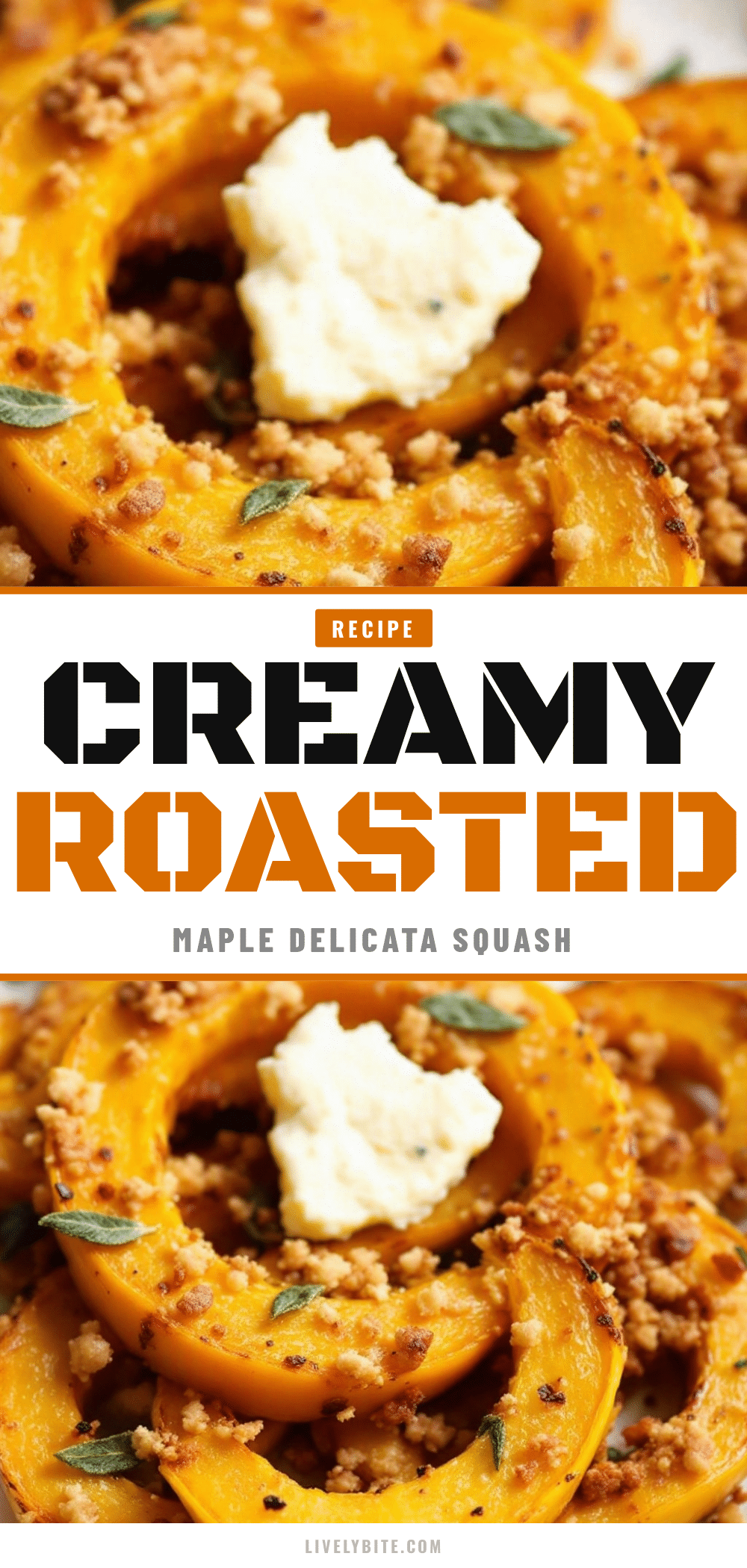
Creamy Maple Roasted Delicata Squash with Sage

A cozy autumn side dish featuring tender delicata squash rings roasted with brown butter, fresh sage, and pure maple syrup for a perfect balance of sweet, savory, and herbal flavors.
- Prep Time: 10 minutes
- Cook Time: 25-30 minutes
- Total Time: 35-40 minutes
- Yield: 4 servings 1x
- Category: Side Dish
- Cuisine: American
Ingredients
- 2 medium delicata squash
- 3 tablespoons unsalted butter
- 1/2 cup fresh sage leaves
- 3 tablespoons pure maple syrup
- 2 tablespoons heavy cream
- 1 tablespoon olive oil
- Sea salt and black pepper to taste
- 1/2 teaspoon garlic powder (optional)
Instructions
- Preheat oven to 400°F (200°C) and let it fully preheat for at least 15 minutes.
- Wash the delicata squash thoroughly. Cut off both ends and slice into 1/2-inch to 3/4-inch thick rings. Remove seeds from the center of each ring.
- Place squash rings in a large bowl. Drizzle with olive oil and sprinkle with salt and pepper. Toss gently to coat evenly.
- Arrange squash rings on a parchment-lined baking sheet, ensuring they are not touching. Roast for 15 minutes.
- While squash roasts, melt butter in a small saucepan over medium heat. Add fresh sage leaves and fry gently for 1-2 minutes until crisp and fragrant. Remove from heat and whisk in maple syrup and heavy cream.
- Remove baking sheet from oven. Brush the top side of each squash ring generously with the maple sage butter mixture. Flip rings and brush the other side.
- Return to oven and roast for another 10-15 minutes, or until edges are caramelized and a fork easily pierces the flesh.
- Remove from oven, sprinkle with flaky sea salt if desired, and serve immediately.
Notes
Do not peel the delicata squash as the skin is edible and thin. Ensure squash rings are not crowded on the pan to allow for proper air circulation and crisping. Fresh sage is essential; dried sage lacks the necessary aromatic oils. Maple syrup burns easily, so keep an eye on the oven during the final roasting stage.
Nutrition
- Serving Size: Approximately 1 cup
- Calories: 280
- Sugar: 20
- Sodium: 350
- Fat: 18
- Saturated Fat: 9
- Carbohydrates: 32
- Fiber: 5
- Protein: 3
Keywords: delicata squash, roasted squash, maple sage, autumn recipes, side dish, vegetarian, gluten-free, healthy vegetables