My sister-in-law, Sarah, stared at the pot on the stove like it had personally offended her ancestors. The kitchen was warm, smelling heavily of nutty brown butter and caramelized squash. She crossed her arms, waiting for me to explain why I was spending an entire Sunday afternoon on a soup that I could just buy in a carton at the grocery store. Honestly, I didn’t blame her. To the uninitiated, roasting squash and making brown butter looks like a lot of work for a bowl of orange liquid.
I just stirred the spoon slowly, letting the steam rise between us. “It’s not just soup, Sarah,” I said. “It’s comfort in a bowl.” She rolled her eyes, but she didn’t leave. She stayed. She sat at the counter, watching me whisk the heavy cream into the roasted vegetables. That moment stuck with me because it highlights exactly why this recipe matters. It’s about the effort you put in to get that specific, soul-warming result that store-bought versions just can’t replicate.
Honeynut squash is a relatively new hybrid, a cross between a delicata and a butternut. It’s smaller, sweeter, and has a thinner skin that doesn’t need peeling. This changes everything about how you approach your winter cooking. You spend less time prepping and more time enjoying the process. When you combine that natural sweetness with the complex, toasted notes of brown butter, you get something that feels gourmet but is surprisingly simple.
I’ve made this creamy honeynut squash soup with brown butter probably fifty times over the last five years. Every time, it feels like the first time. It’s the kind of dish that turns a regular Tuesday into a special occasion. Sarah finally took a bite after I served it with crusty bread. She didn’t say anything for a long moment. Then she just nodded. That nod was worth every minute of roasting and stirring. It’s not just about feeding people; it’s about creating a moment they remember.
Why You’ll Love This Recipe
Let’s be real for a second. There are a thousand squash soup recipes out there. You could easily scroll past this one. But here is the truth: this version is different. It’s not just about throwing vegetables in a blender. It’s about layering flavors in a way that creates depth you didn’t know you were missing. I’ve tested this recipe through many iterations, from using vegetable broth to heavy cream, and from roasting at high heat to slow roasting at low temps. This specific combination is the winner.
- Quick & Easy: Despite looking fancy, this comes together in under 45 minutes if you prep the squash efficiently. The roasting time is mostly hands-off, which is perfect for busy weeknights when you want something that tastes like it took hours.
- Simple Ingredients: You likely have most of this in your kitchen already. Squash, butter, onions, garlic, and broth. No obscure spices or hard-to-find items. It’s wholesome, simple cooking that relies on quality rather than complexity.
- Perfect for Meal Prep: This soup actually tastes better the next day. The flavors meld together overnight in the fridge, making it an ideal candidate for Sunday meal prep. Grab a jar and head to work without worrying about lunch.
- Crowd-Pleaser: Even people who claim they “don’t like squash” love this. The honeynut variety is naturally sweeter, which balances the savory brown butter perfectly. It’s a safe bet for potlucks, family dinners, or impressing guests who have picky eaters.
- Unbelievably Delicious: The texture is silkier than most soups because we use the whole squash, skin and all, blended until smooth. The brown butter adds a nutty, almost toffee-like finish that coats the palate. It’s next-level comfort food that feels indulgent but is actually quite healthy.
What makes this recipe stand out from the rest is the technique. Most people stop at sautéing the butter. Here, we take it to the edge of burning to get those brown bits. Those brown bits are flavor bombs. They add a complexity that simple melted butter just can’t provide. It’s a small step that makes a huge difference. Plus, using honeynut squash means you skip the peeling step, which saves time and reduces food waste. It’s practical cooking that doesn’t sacrifice taste.
What Ingredients You Will Need
This recipe uses simple, wholesome ingredients to deliver bold flavor and satisfying texture without the fuss. The beauty of honeynut squash soup is that it doesn’t hide behind heavy spices. Instead, it lets the natural sweetness of the vegetable shine, supported by the savory richness of brown butter and aromatic herbs. You don’t need a fancy grocery trip for this; most of these items are pantry staples or common produce section finds.
Here is what you need to gather:
- Honeynut Squash (2-3 medium): Look for squash that feels heavy for its size. The skin should be firm and orange. Unlike butternut, you don’t need to peel these. Just wash them well and chop them. If you can’t find honeynut, delicata or acorn squash are good substitutes, though the sweetness will vary slightly.
- Unsalted Butter (4 tablespoons): You need good quality butter here because you are browning it. I recommend using a European-style butter if you can find it, as they have a higher fat content which helps create those beautiful brown milk solids. Salted butter can work, but you’ll need to reduce the added salt later.
- Yellow Onion (1 medium): Dice this finely. Yellow onions have a higher sulfur content when cooked, which gives a deeper savory base. Sweet onions like Vidalias work too, but yellow onions provide that classic soup foundation.
- Garlic (3-4 cloves): Fresh garlic is non-negotiable here. Pre-minced jarred garlic has a different chemical profile that doesn’t brown the same way. Peel and mince it yourself for the best aroma.
- Vegetable or Chicken Broth (4 cups): Use low-sodium broth so you can control the saltiness yourself. Homemade broth is amazing, but a good quality store-bought carton works perfectly. Avoid the ones with added sugar.
- Heavy Cream (1/2 cup): This adds the richness and helps emulsify the soup. For a lighter version, you can use half-and-half, but the texture won’t be as luxurious. If you need dairy-free, coconut cream works, though it will add a coconut flavor.
- Thyme (1 teaspoon dried or 1 tablespoon fresh): Thyme pairs beautifully with squash. Fresh thyme adds a brighter, floral note, while dried thyme is more concentrated and earthy. Either works, just adjust the quantity accordingly.
- Salt and Black Pepper: To taste. Kosher salt is preferred because it’s easier to sprinkle evenly. Freshly cracked black pepper adds a necessary bite to balance the sweetness.
- Optional Garnish: A drizzle of the remaining brown butter, toasted pepitas (pumpkin seeds), or a dollop of sour cream. These add texture and visual appeal, which is great for making it look Instagram-worthy.
One quick tip on sourcing: if you shop at a local farmers market in the fall, ask for honeynut squash specifically. They often have the best quality because it was harvested recently. If you’re buying from a supermarket, check for any soft spots or cracks in the skin. Freshness is key for that sweet, nutty flavor.
Equipment Needed
You don’t need a professional kitchen to make this soup, but having the right tools makes the process smoother. A large roasting pan or a rimmed baking sheet is essential for getting the squash to caramelize properly. If your squash is small, you might fit them all on one sheet. If they are larger, you may need two pans. Just make sure there is space between the pieces so they roast instead of steam.
A heavy-bottomed pot, like a Dutch oven, is ideal for sautéing the onions and simmering the soup. Thin pots can scorch the brown butter easily, which is the last thing you want. If you don’t have a Dutch oven, a large saucepan or even a deep skillet will work fine. The key is even heat distribution.
For blending, an immersion blender is the most convenient tool. It allows you to blend the soup directly in the pot, saving you from transferring hot liquid to a countertop blender, which can be dangerous if the lid isn’t vented properly. However, a standard countertop blender works great too. Just be sure to blend in batches and vent the lid to let steam escape.
Lastly, a sharp chef’s knife and a sturdy cutting board are necessary for chopping the squash. Honeynut squash is softer than butternut, so it’s easier to cut, but you still need a decent knife to make clean cuts. Keep your tools clean and organized. Mise en place, or “everything in its place,” helps you stay calm while the butter is browning, which happens faster than you think.
Preparation Method
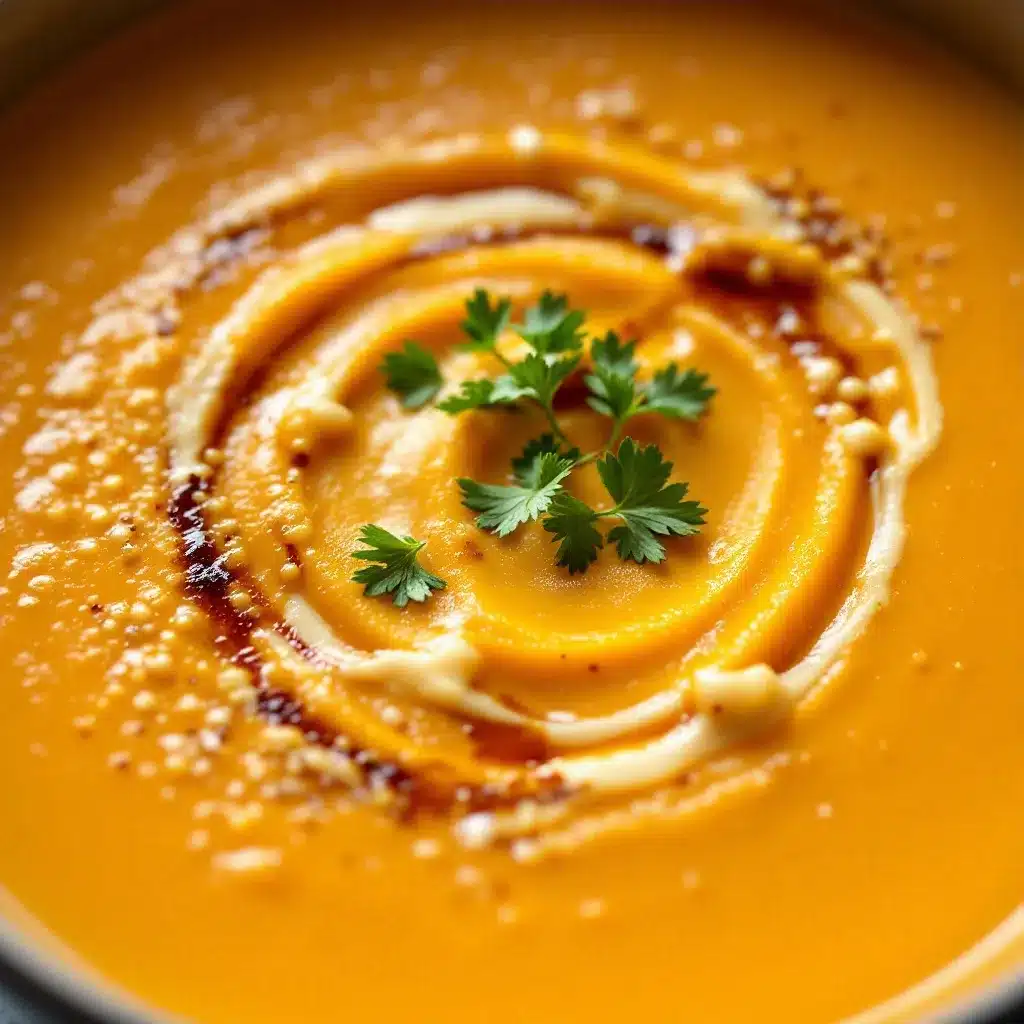
Getting this soup right comes down to a few key steps. It’s not complicated, but attention to detail matters. Follow these steps closely for the best results.
- Prep the Squash (10 minutes): Preheat your oven to 400°F (200°C). Wash the honeynut squash thoroughly. Since the skin is edible, you don’t need to peel it. Cut the squash in half lengthwise. Use a spoon to scoop out the seeds and stringy pulp. You can save the seeds for roasting as a snack if you like, but they aren’t needed for the soup. Cut the halves into 1-inch chunks. Uniform pieces ensure even cooking.
- Roast the Squash (30-40 minutes): Toss the squash chunks with a little olive oil, salt, and pepper. Spread them out in a single layer on your baking sheet. Do not crowd the pan. If the pieces are touching, they will steam. Roast in the preheated oven until the edges are browned and the flesh is tender when pierced with a fork. This caramelization is crucial for flavor. Flip them halfway through for even browning.
- Make the Brown Butter (5 minutes): While the squash roasts, melt the butter in your large pot over medium heat. Let it melt completely, then keep stirring. The butter will foam up, then settle. Watch closely. It will turn a golden amber color and smell nutty. This is the sweet spot. If it turns dark brown, it will taste bitter. Pour the brown butter into a small bowl to stop the cooking process immediately, leaving any burnt bits in the pot if you prefer a cleaner taste, or keep them in for more flavor.
- Sauté Aromatics (5 minutes): In the same pot (add a splash of oil if needed), add the diced onions. Sauté over medium heat until they are soft and translucent. Add the minced garlic in the last minute of cooking so it doesn’t burn. The smell should be fragrant and sweet.
- Simmer (15 minutes): Add the roasted squash chunks to the pot with the onions. Pour in the vegetable or chicken broth. Add the thyme. Bring the mixture to a boil, then reduce the heat to low. Let it simmer for about 15 minutes. This allows the squash to absorb the broth and become even softer, which helps with blending.
- Blend Until Smooth (2-3 minutes): Remove the pot from the heat. Use an immersion blender to puree the soup directly in the pot. Blend until completely smooth. If using a countertop blender, let the soup cool slightly, blend in batches, and vent the lid. Be careful with hot steam. Blend for at least 30 seconds to ensure no lumps remain.
- Finish with Cream (2 minutes): Stir in the heavy cream and the brown butter you made earlier. Taste the soup. Add more salt or pepper if needed. The brown butter will add a rich, nutty depth. If the soup is too thick, add a little more broth or water to reach your desired consistency.
- Serve: Ladle into bowls. Drizzle with a little extra brown butter or olive oil. Sprinkle with toasted pepitas or fresh herbs if you like. Serve immediately with crusty bread or a side salad.
Keep an eye on the soup while it simmers. Squash can vary in water content, so you might need slightly more or less broth. The goal is a velvety texture, not a mushy paste. If it looks too thick, thin it out. If it’s too thin, let it simmer a bit longer to reduce.
Cooking Tips & Techniques
There are a few tricks I’ve learned over the years that make this soup even better. First, don’t rush the browning of the butter. It’s tempting to crank up the heat, but low and slow is the way to go. High heat burns the milk solids too quickly, giving you a bitter taste instead of a nutty one. If you smell something burning, stop immediately. It’s better to start over with a new pan than to salvage burnt butter.
Another tip is to roast the squash until it’s really caramelized. Don’t just cook it until it’s soft. You want those brown edges. Those brown edges are where the flavor lives. If your squash isn’t browning enough, increase the oven temperature by 25 degrees or make sure the pieces aren’t overcrowded on the pan. Moisture is the enemy of caramelization.
When blending, make sure your soup is hot. Cold soup blends differently and can sometimes separate when heated again. If you’re using a countertop blender, blend for a full minute or two. This incorporates air and makes the texture even silkier. It’s a small step that makes a big difference in mouthfeel.
Multitasking is key here. While the squash roasts, chop your onions and mince your garlic. Have your broth measured out and ready. This way, when the squash comes out of the oven, you can start sautéing immediately. It keeps the process flowing smoothly and prevents you from standing around waiting.
Finally, taste as you go. Squash sweetness varies from batch to batch. One squash might be sweeter than another, which affects how much salt or acid you need. Always taste the soup after adding the cream and brown butter. Adjust the seasoning at the end to ensure it’s balanced.
Variations & Adaptations
One of the best things about this soup is how adaptable it is. You can tweak it to fit your dietary needs or taste preferences without losing the core flavor profile.
Dairy-Free Option: You can easily make this soup dairy-free. Instead of butter, use olive oil or avocado oil for sautéing. Skip the heavy cream and use full-fat coconut milk or cashew cream for richness. The brown butter flavor won’t be there, but you can add a teaspoon of toasted sesame oil at the end for a nutty depth. It changes the flavor slightly, but it’s still delicious.
Spicy Twist: If you like a bit of heat, add a pinch of cayenne pepper or a diced jalapeño when you sauté the onions. The spice cuts through the sweetness of the squash and adds complexity. It’s a great way to wake up your palate.
Curry Version: Swap the thyme for curry powder or garam masala. Curry pairs incredibly well with squash. Add a teaspoon of curry powder when you sauté the onions. This turns the soup into a fragrant, warming dish that’s perfect for colder days. It’s a variation I try often when I’m feeling adventurous.
Vegetarian to Vegan: As mentioned, swapping dairy for plant-based alternatives works well. Use vegetable broth instead of chicken broth. The result is a hearty, satisfying vegan soup that doesn’t feel like a compromise.
Gluten-Free: This recipe is naturally gluten-free. Just ensure your broth and any garnishes (like bread) are certified gluten-free. It’s a safe option for those with celiac disease or gluten sensitivity.
I’ve also tried adding a splash of apple cider vinegar at the end. The acidity brightens up the rich flavors and balances the sweetness. It’s a small addition that makes a big impact. Feel free to experiment and find your favorite variation.
Serving & Storage Suggestions
This soup is best served hot. The warmth helps release the aromas of the brown butter and thyme. Pair it with a crusty baguette or some sourdough bread for dipping. A simple green salad with a vinaigrette dressing also works well to cut through the richness of the soup.
For storage, let the soup cool completely before transferring it to an airtight container. It will keep in the refrigerator for up to 4 days. The flavors actually deepen over the first couple of days, making it even better on day three.
You can also freeze this soup. It freezes well for up to 3 months. Thaw it in the refrigerator overnight and reheat it gently on the stove. If the soup separates after freezing, just whisk it well or blend it briefly to bring it back together. The texture might be slightly different, but the taste will still be great.
When reheating, do so over low heat. High heat can cause the cream to separate, resulting in a grainy texture. Stir frequently to ensure even heating. If the soup has thickened in the fridge, add a splash of broth or water to thin it out before serving.
For presentation, garnish with a drizzle of brown butter or olive oil, toasted pumpkin seeds, or fresh chives. These toppings add color and texture, making the dish look more appealing. It’s a nice touch for when you have guests over.
Nutritional Information & Benefits
This soup is not only delicious but also packed with nutrients. Honeynut squash is rich in vitamins A and C, which support immune health and skin health. It’s also a good source of fiber, which aids in digestion. The brown butter adds healthy fats, which help your body absorb the fat-soluble vitamins in the squash.
The soup is relatively low in calories, especially if you use less cream or a lighter alternative. It’s a satisfying meal that won’t leave you feeling sluggish. For those watching their carbohydrate intake, this soup is moderate in carbs, but the fiber helps stabilize blood sugar levels.
If you have allergies, be mindful of dairy if you use cream and butter. The dairy-free variations are great for those with lactose intolerance. Always check your broth labels for hidden allergens like gluten or soy.
I enjoy this soup because it’s nourishing and comforting. It feels like a hug in a bowl. It’s a great way to incorporate more vegetables into your diet, especially during the winter months when fresh produce is limited. It’s a healthy choice that doesn’t feel like a chore.
Conclusion
This creamy honeynut squash soup with brown butter is a recipe that deserves a spot in your rotation. It’s simple, delicious, and comforting. The combination of sweet squash and nutty brown butter is a match made in heaven. It’s the kind of dish that brings people together and makes them feel warm and satisfied.
I encourage you to try it and customize it to your liking. Add some spice, swap the dairy, or experiment with different herbs. Cooking is about experimentation, and this recipe is a great base for that. You might discover a new favorite variation.
I love this recipe because it reminds me of slow autumn evenings and the joy of cooking something from scratch. It’s a ritual that I look forward to every year. I hope it brings you the same joy.
If you make this soup, please share your experience in the comments below. Let me know how you tweaked it or what you served it with. I’d love to hear from you. And if you enjoy this recipe, check out my easy Mediterranean stuffed mini peppers for another colorful and flavorful dish. You might also enjoy this easy lemon herb salmon sheet pan dinner for a quick weeknight meal. Happy cooking!
Frequently Asked Questions
Can I use butternut squash instead of honeynut squash?
Yes, you can. Butternut squash is a common substitute. Just keep in mind that it is less sweet and has a thicker skin that needs to be peeled. The flavor will be slightly less rich, but the texture will be similar. You might want to add a pinch more salt or a dash of maple syrup to balance the sweetness.
How do I prevent the brown butter from burning?
The key is to watch it closely. Butter can go from perfect to burnt in seconds. Use a light-colored pan so you can see the color change clearly. Remove it from the heat as soon as it smells nutty and turns amber. If you’re unsure, err on the side of lighter. You can always add a bit more butter later, but you can’t fix burnt butter.
Can I make this soup ahead of time?
Absolutely. This soup tastes even better the next day. Make it up to 3 days in advance and store it in the fridge. Reheat it gently on the stove before serving. It’s a great option for meal prep or when you have guests coming over and want to minimize last-minute cooking.
Is this soup gluten-free?
Yes, this recipe is naturally gluten-free. Just ensure that your broth and any garnishes (like bread) are certified gluten-free. There are no hidden sources of gluten in the core ingredients.
What can I serve with this soup?
This soup pairs well with crusty bread, such as sourdough or baguette. A simple green salad with a vinaigrette dressing is also a great complement. For a heartier meal, serve it with a grilled cheese sandwich. The flavors work beautifully together.
Pin This Recipe!

Creamy Honeynut Squash Soup with Brown Butter

A rich and comforting soup featuring roasted honeynut squash blended with savory brown butter and heavy cream for a silky, gourmet texture.
- Prep Time: 10 minutes
- Cook Time: 35 minutes
- Total Time: 45 minutes
- Yield: 4 servings 1x
- Category: Main Course
- Cuisine: American
Ingredients
- 2–3 medium Honeynut Squash
- 4 tablespoons Unsalted Butter
- 1 medium Yellow Onion, diced
- 3–4 cloves Garlic, minced
- 4 cups Vegetable or Chicken Broth (low-sodium)
- 1/2 cup Heavy Cream
- 1 teaspoon Dried Thyme or 1 tablespoon Fresh Thyme
- Salt and Black Pepper to taste
- Olive Oil (for roasting squash)
- Optional Garnish: Toasted pepitas, sour cream, or extra brown butter
Instructions
- Preheat oven to 400°F (200°C). Wash squash, cut in half lengthwise, scoop out seeds, and cut into 1-inch chunks.
- Toss squash chunks with olive oil, salt, and pepper. Spread in a single layer on a baking sheet and roast for 30-40 minutes until tender and caramelized, flipping halfway through.
- While squash roasts, melt butter in a large pot over medium heat. Stir constantly until it turns golden amber and smells nutty (brown butter). Pour into a bowl to stop cooking.
- In the same pot, sauté diced onions until soft and translucent. Add minced garlic in the last minute of cooking.
- Add roasted squash chunks to the pot with onions. Pour in broth and add thyme. Bring to a boil, then reduce heat and simmer for 15 minutes.
- Remove from heat and blend soup until smooth using an immersion blender or countertop blender.
- Stir in heavy cream and the prepared brown butter. Taste and adjust seasoning with salt and pepper. Thin with broth if necessary.
- Serve hot, garnished with toasted pepitas, a drizzle of brown butter, or sour cream.
Notes
Honeynut squash has an edible skin, so no peeling is required. If using butternut squash, peel it first as it is less sweet. Brown butter can burn quickly, so watch it closely and remove from heat as soon as it smells nutty. The soup tastes better the next day as flavors meld.
Nutrition
- Serving Size: 1 bowl
- Calories: 320
- Sugar: 8
- Sodium: 650
- Fat: 22
- Saturated Fat: 13
- Carbohydrates: 28
- Fiber: 5
- Protein: 4
Keywords: honeynut squash soup, brown butter soup, creamy squash soup, fall recipes, vegetarian soup, gluten-free soup, meal prep