It’s not about the crunch of the pasta, or even the sharp bite of cheese, though those matter. The magic is in the sauce. Specifically, that thick, clinging, pumpkin-puree silk that coats every single noodle. You know how some mac and cheese just slides off the fork? This one holds on. It clings with a stubborn, creamy loyalty that makes you want to scrape the bowl clean with your thumb.
I remember standing in my kitchen last November, staring at a pot of sauce that looked more like paint than food. It was too thin. Too watery. I was frustrated, honestly. But then I added a splash of oat milk and a handful of cashews, and suddenly, it transformed. That’s when I knew this creamy butternut squash mac and cheese with crispy sage was going to be different.
The color is deep orange, glowing like a sunset in a bowl. It looks rich, even though there’s no dairy. The texture is the star here, a dense, luxurious mouthfeel that feels indulgent without weighing you down. I make this for the days when I need comfort that doesn’t feel like a heavy blanket. It’s lighter, brighter, but still deeply satisfying.
There’s a specific moment when you pull it out of the oven. The top is golden, the edges are bubbling, and the scent of toasted sage hits you before you even take a spoon. It’s a dish that feels like a hug, but one that keeps you moving. I started making it because I wanted a vegan side that didn’t apologize for being delicious. It’s not a “diet” food. It’s just good food.
This recipe stuck with me because it solved a problem I didn’t know I had: how to make mac and cheese that feels substantial but leaves you feeling light. The squash does the heavy lifting. It brings sweetness, body, and color all at once. You don’t need a dozen cheeses to get that depth. You just need patience and the right ratio of liquid to puree.
I’ve tested this version at least a dozen times. Some were too sweet, some too salty. But this one? It hits the balance perfectly. The sage adds a peppery, earthy note that cuts through the richness. It’s a simple dish, but the execution requires a bit of care. That’s why it feels special. It’s not just another side dish. It’s a centerpiece.
And honestly, once you try the crispy sage topping, you’ll never go back to plain breadcrumbs. The oil sizzles, the leaves turn crisp, and they add a final layer of texture that makes every bite interesting. It’s the kind of dish that makes people ask for the recipe before they’ve even finished their first bowl. That’s the real reward. Knowing you made something that brings people together, without any dairy or drama.
Why You’ll Love This Recipe
Experience-Tested Creaminess Without the Dairy
I spent years trying to replicate the mouthfeel of traditional mac and cheese using just cashews and nutritional yeast. It’s tricky. The sauce often separates or turns grainy. This version uses a specific technique of blending roasted squash with soaked cashews and a splash of oat milk to create a stable emulsion. It’s smooth, stable, and genuinely velvety. I’ve had friends who swear by heavy cream say this sauce is just as good, if not better, because it has a natural sweetness that balances the savory elements.
Quick & Easy Weeknight Solution
You might think roasting squash takes forever, but you can prep it while you boil the pasta. The entire dish comes together in under 45 minutes. It’s perfect for busy weeknights when you want something homemade but don’t have hours to spend in the kitchen. The sauce blends in five minutes flat. It’s efficient cooking without sacrificing quality.
Simple Ingredients, Fancy Results

You likely already have most of these items in your pantry. Butternut squash, cashews, nutritional yeast, and sage are the core components. No fancy grocery trips needed. The result looks like it came from a high-end restaurant, but the ingredients are humble and accessible. This is comfort food reimagined—healthier, faster, but with the same soul-soothing satisfaction.
Perfect for Fall Gatherings
This dish shines during autumn dinners. It pairs beautifully with roasted vegetables or a simple green salad. It’s also a fantastic option for holiday tables where you want a colorful, plant-based option that appeals to both vegans and omnivores alike. It’s a crowd-pleaser that always gets rave reviews.
Unbelievably Delicious Flavor Profile
The combination of sweet squash, earthy sage, and savory nutritional yeast creates a complex flavor profile. It’s not just one note. It’s sweet, salty, and savory all at once. The texture is next-level comfort food. It’s the kind that makes you close your eyes after the first bite. It’s not just good—it’s memorable.
What Ingredients You Will Need
This recipe uses simple, wholesome ingredients to deliver bold flavor and satisfying texture without the fuss. The key is using high-quality produce and fresh herbs. The squash should be sweet and dense, and the cashews should be raw and unsalted for the best creamy texture.
For the Sauce
- Butternut squash (about 4 cups of cubed, peeled squash, roasted until tender) – The base of the creaminess. Look for a squash that feels heavy for its size.
- Raw cashews (1 cup, soaked for at least 2 hours) – Provides the fat and body. I recommend using high-quality raw cashews for a neutral, sweet flavor.
- Vegetable broth (1 cup, low sodium) – Adds depth without overpowering the squash. Use a broth you enjoy drinking on its own.
- Unsweetened oat milk (½ cup) – Creamier than almond milk and less likely to separate when heated.
- Nutritional yeast (3 tablespoons) – Adds that cheesy, umami flavor. I prefer the brand Bridgeworks for its fine texture.
- Garlic powder (1 teaspoon) – For consistent savory depth.
- Onion powder (½ teaspoon) – Balances the sweetness of the squash.
- Dijon mustard (1 teaspoon) – Adds a subtle tang that brightens the rich sauce.
- Sea salt (to taste) – Crucial for bringing out the flavors.
- Black pepper (to taste) – Freshly cracked is best.
For the Pasta
- Shell pasta or cavatappi (1 pound) – The curves hold the thick sauce better than spaghetti. Look for whole wheat if you want extra fiber.
For the Crispy Sage Topping
- Fresh sage leaves (1 cup, rinsed and patted dry) – Essential for the peppery, earthy note. Do not use dried sage for the topping; it won’t crisp properly.
- Extra virgin olive oil (2 tablespoons) – For frying the leaves. Use a good quality oil for the best flavor.
Equipment Needed
You don’t need anything fancy to make this, but a few tools make a big difference. A high-speed blender is ideal for the sauce, ensuring it’s completely smooth. If you don’t have one, a food processor works too, but you may need to scrape down the sides more often. A large baking sheet is needed for roasting the squash. A medium saucepan is sufficient for boiling the pasta. For the sage, a small skillet is perfect. I recommend using a non-stick pan for frying the sage to prevent burning, as the leaves can go from perfect to bitter in seconds. A wooden spoon is handy for stirring the sauce. Keep your tools clean and ready, as the cooking process moves quickly once the pasta is done.
Preparation Method
Step 1: Roast the Squash (20 minutes prep, 40 minutes cook)
Preheat your oven to 400°F (200°C). Peel the butternut squash and remove the seeds. Cut it into 1-inch cubes. Toss the cubes with a little olive oil, salt, and pepper on a baking sheet. Roast for 30-40 minutes until tender and slightly caramelized. Let them cool slightly before blending. This step concentrates the flavor and removes excess water.
Step 2: Soak the Cashews (10 minutes prep, 2 hours soak)
Place the cashews in a bowl and cover with hot water. Let them soak for at least 2 hours, or overnight for the smoothest result. If you’re short on time, cover them with boiling water and let them sit for 30 minutes. Drain and rinse before using. This softens them, ensuring a creamy sauce without grit.
Step 3: Blend the Sauce (5 minutes)
In a blender, combine the roasted squash, soaked cashews, vegetable broth, oat milk, nutritional yeast, garlic powder, onion powder, Dijon mustard, salt, and pepper. Blend on high until completely smooth. This should take about 1-2 minutes. Stop and scrape down the sides if needed. The sauce should be thick and pourable. Taste and adjust seasoning. Add more salt or mustard if needed.
Step 4: Cook the Pasta (10 minutes)
Bring a large pot of salted water to a boil. Add the pasta and cook according to package directions until al dente. Reserve 1 cup of pasta water before draining. This starchy water helps bind the sauce to the noodles. Drain the pasta and set aside.
Step 5: Combine Pasta and Sauce (5 minutes)
In a large skillet or the same pot, warm the sauce over low heat. Add the drained pasta to the sauce. Toss gently to coat. If the sauce is too thick, add the reserved pasta water, one tablespoon at a time, until you reach your desired consistency. The sauce should cling to the pasta, not pool at the bottom.
Step 6: Fry the Sage (3 minutes)
While the pasta cooks, heat the olive oil in a small skillet over medium heat. Add the sage leaves in a single layer. Fry for 30-60 seconds per side until crisp and dark green. Remove with a slotted spoon and drain on paper towels. They will continue to crisp as they cool.
Step 7: Assemble and Serve
Transfer the mac and cheese to a serving dish. Top with the crispy sage leaves. Serve immediately while hot. The contrast between the creamy pasta and the crunchy sage is the best part.
Cooking Tips & Techniques
One common mistake is using too much liquid in the sauce. The squash retains water, so start with less broth and add more only if needed. Another tip is to roast the squash until it’s deeply caramelized. This adds a nutty sweetness that balances the savory elements. Don’t skip the soaking step for the cashews. Unsoaked cashews can result in a grainy texture, no matter how good your blender is.
When frying the sage, keep the heat medium. If it’s too hot, the leaves will burn and taste bitter. If it’s too low, they’ll absorb too much oil and become greasy. Watch them closely. They’re done when they stop sizzling and look crisp. Also, taste the sauce before combining it with the pasta. The pasta water is unsalted, so you need the sauce to be slightly over-seasoned to account for dilution.
Multitasking is key here. Roast the squash while you soak the cashews. Blend the sauce while the pasta boils. This keeps the process efficient. If you’re making this for a crowd, you can double the recipe, but you may need to blend the sauce in batches. Ensure your blender is not overfilled for the best results.
Variations & Adaptations
You can easily adapt this recipe to fit different dietary needs. For a gluten-free version, use gluten-free pasta. I recommend brown rice pasta or chickpea pasta for better texture. For a nut-free option, you can substitute the cashews with silken tofu or cooked white beans. The texture will be slightly different but still creamy.
If you want more heat, add a pinch of red pepper flakes to the sauce or mix in some diced jalapeños. For a richer flavor, add a tablespoon of white miso paste to the sauce blend. It adds umami depth without tasting like miso. You can also swap the sage for thyme or rosemary, though sage is the traditional pairing with squash.
For a lighter version, use half squash and half cauliflower puree. This reduces the calorie count while maintaining the creamy texture. You can also add cooked lentils or chickpeas to the pasta for extra protein. This makes the dish more filling and balanced.
I once tried adding spinach to the sauce. It turned green and looked unappetizing, so I don’t recommend it. Stick to the classic flavor profile. However, adding roasted pine nuts to the topping adds a nice crunch and richness. It’s a small change that makes a big difference.
Serving & Storage Suggestions
Serve this mac and cheese hot, directly from the pot or baking dish. It pairs well with a simple arugula salad with lemon vinaigrette to cut through the richness. A glass of crisp white wine, like Pinot Grigio, also complements the dish well. For a complete meal, add roasted Brussels sprouts or grilled asparagus.
Leftovers can be stored in an airtight container in the refrigerator for up to 4 days. The sauce may thicken when chilled, so add a splash of oat milk or water when reheating. Reheat gently on the stovetop over low heat, stirring frequently. You can also microwave it, but stir every minute to ensure even heating.
For longer storage, freeze the sauce separately from the pasta. The pasta becomes mushy when frozen and reheated. The sauce freezes well for up to 3 months. Thaw it in the refrigerator overnight and reheat as directed. The flavors develop over time, so it often tastes even better the next day.
Nutritional Information & Benefits
This dish is rich in vitamins A and C from the butternut squash, which supports immune health and vision. Cashews provide healthy fats and protein, making the meal more satiating. Nutritional yeast is a great source of B vitamins, especially B12 if fortified. The dish is naturally gluten-free and dairy-free, making it suitable for various dietary preferences. It’s lower in saturated fat than traditional mac and cheese, offering a heart-healthy alternative. Enjoy it as a comforting yet nutritious side dish.
Conclusion
This creamy butternut squash mac and cheese with crispy sage is a game-changer. It’s rich, flavorful, and deeply satisfying without the heaviness of dairy. I love it because it’s versatile enough for weeknights and special enough for guests. It’s a dish that brings warmth and comfort to the table. Try it out and see how it becomes a staple in your kitchen.
I’d love to hear how you like it. Leave a comment below with your thoughts or share your variations. Tag me on social media if you make it. I love seeing your creations. Enjoy every bite of this cozy, delicious meal.
Frequently Asked Questions
Can I use fresh butternut squash instead of pre-cut?
Yes, fresh squash works best. Just peel it, remove the seeds, and cube it. It’s cheaper and often fresher than pre-cut options.
What if I don’t have cashews?
You can use soaked sunflower seeds or silken tofu as a substitute. The texture will be slightly different but still creamy.
How do I make the sauce thicker?
Reduce the amount of vegetable broth or oat milk. You can also blend in less liquid initially and add more only if needed.
Can I add other vegetables to the sauce?
Yes, roasted carrots or sweet potatoes can be added for extra sweetness and color. Just ensure they are cooked and blended smoothly.
Is this recipe kid-friendly?
Absolutely. The sweetness of the squash appeals to most children, and the creamy texture is familiar and comforting.
Pin This Recipe!
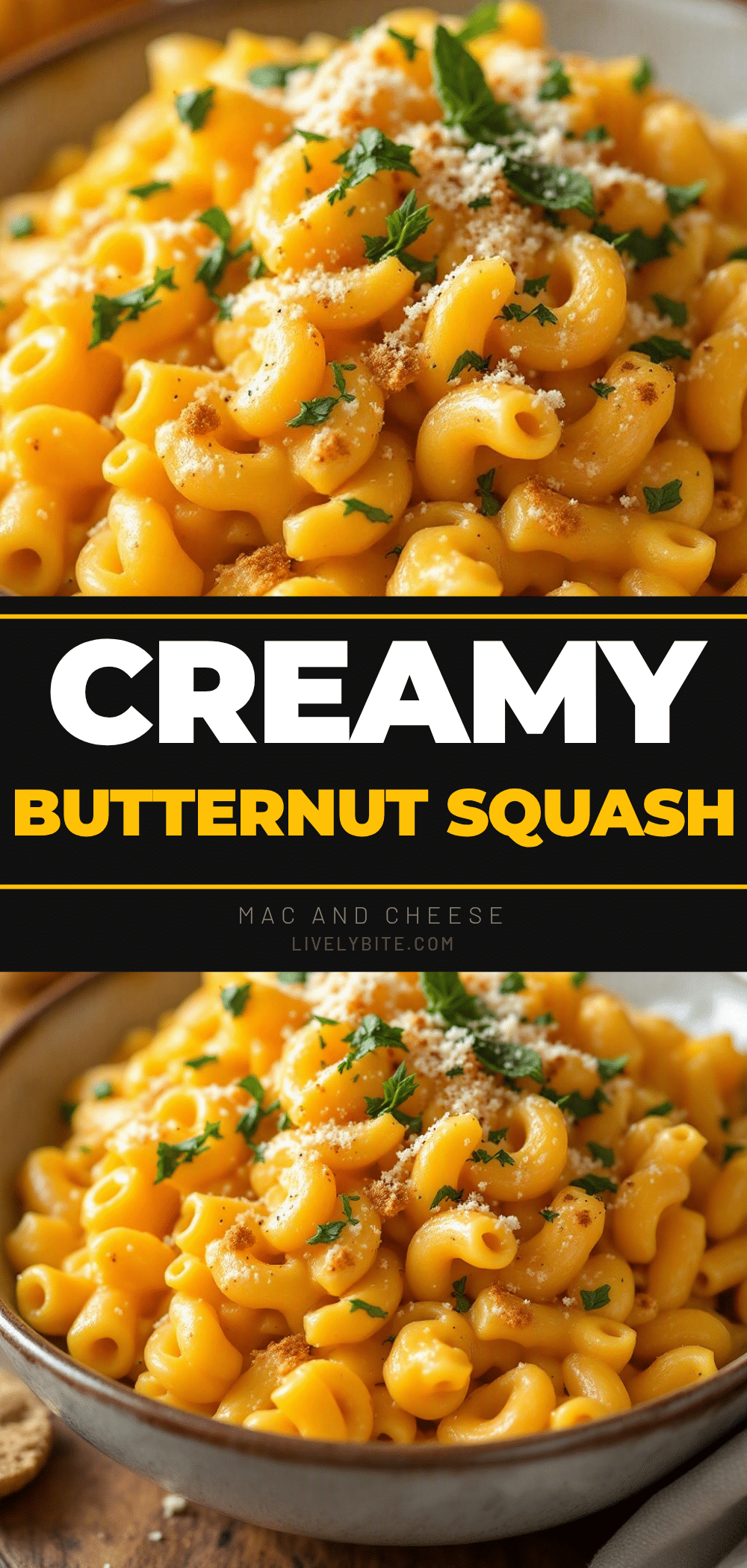
Creamy Butternut Squash Mac and Cheese: Easy Vegan Side

A rich, dairy-free mac and cheese featuring a velvety butternut squash and cashew sauce, topped with crispy fried sage for a comforting and flavorful meal.
- Prep Time: 20 minutes
- Cook Time: 40 minutes
- Total Time: 45 minutes
- Yield: 4 servings 1x
- Category: Side Dish
- Cuisine: American
Ingredients
- 4 cups cubed, peeled butternut squash
- 1 cup raw cashews (soaked for at least 2 hours)
- 1 cup low sodium vegetable broth
- 1/2 cup unsweetened oat milk
- 3 tablespoons nutritional yeast
- 1 teaspoon garlic powder
- 1/2 teaspoon onion powder
- 1 teaspoon Dijon mustard
- Sea salt to taste
- Black pepper to taste
- 1 pound shell pasta or cavatappi
- 1 cup fresh sage leaves (rinsed and patted dry)
- 2 tablespoons extra virgin olive oil
Instructions
- Preheat oven to 400°F (200°C). Peel and cube the butternut squash, toss with olive oil, salt, and pepper, then roast for 30-40 minutes until tender. Let cool slightly.
- Soak cashews in hot water for at least 2 hours (or 30 minutes in boiling water). Drain and rinse.
- In a blender, combine roasted squash, soaked cashews, vegetable broth, oat milk, nutritional yeast, garlic powder, onion powder, Dijon mustard, salt, and pepper. Blend until completely smooth.
- Bring a large pot of salted water to a boil. Cook pasta until al dente. Reserve 1 cup of pasta water, then drain.
- Warm the sauce in a large skillet over low heat. Add drained pasta and toss to coat. Add reserved pasta water as needed to reach desired consistency.
- Heat olive oil in a small skillet over medium heat. Fry sage leaves for 30-60 seconds per side until crisp. Remove and drain on paper towels.
- Transfer mac and cheese to a serving dish and top with crispy sage leaves. Serve immediately.
Notes
Roast squash until deeply caramelized for better flavor. Do not skip soaking cashews to ensure a smooth sauce. When frying sage, keep heat at medium to prevent burning. The sauce may thicken when chilled; add liquid when reheating. Freeze sauce separately from pasta for best storage results.
Nutrition
- Serving Size: 1 bowl
- Calories: 450
- Sugar: 12
- Sodium: 300
- Fat: 18
- Saturated Fat: 3
- Carbohydrates: 65
- Fiber: 8
- Protein: 15
Keywords: vegan mac and cheese, butternut squash recipe, dairy-free comfort food, crispy sage, cashew cream sauce, fall recipes, gluten-free option