I burned the sage three times before I figured out how to get it right. The first time, I was so focused on making the butternut squash sauce silky smooth that I completely forgot about the sage leaves sizzling in the butter. They turned black in about twelve seconds flat. The second time, I got distracted by my phone and ended up with sage that tasted more like charcoal than herb. The third time—well, let’s just say I learned that patience and low heat are the real secret ingredients here.
Honestly, this creamy butternut squash mac and cheese with crispy sage was born out of a moment of desperation. I had a butternut squash sitting on my counter that I’d bought with grand plans for soup, but it was mid-week, I was tired, and I wanted comfort food. Not just any comfort food—the kind that hugs you from the inside out. The kind that feels both indulgent and like you’re making a slightly better choice for dinner.
So I roasted that squash, blended it into a velvety puree, and stirred it into a cheese sauce that was already bubbling on the stove. The first bite stopped me mid-step in my kitchen. It was creamy, nutty, slightly sweet from the squash, and deeply savory from the sharp cheddar. But the crispy sage on top? That was the moment everything clicked. The little leaves shattered between my teeth, releasing this warm, earthy flavor that tied the whole dish together.
This recipe has become my go-to for those nights when I want something that feels fancy but takes almost no effort. It’s the kind of meal that makes you forget you’re eating vegetables for dinner.
Why You’ll Love This Recipe
Let me tell you why this creamy butternut squash mac and cheese with crispy sage has earned a permanent spot in my weekly rotation. It’s not just another pasta dish—it’s a game-changer for anyone who loves comfort food but wants to sneak in some extra nutrition without sacrificing flavor.
- Quick & Easy: This comes together in about 30 minutes flat. On busy weeknights when you’re tempted to order takeout, this recipe is faster than delivery and way more satisfying.
- Simple Ingredients: You probably already have most of these ingredients in your kitchen. No fancy trips to specialty stores or hunting down obscure items. Just good, honest food.
- Perfect for Fall Gatherings: This dish screams autumn comfort. It’s ideal for Thanksgiving sides, cozy dinner parties, or just a Tuesday night when you need a little extra warmth.
- Crowd-Pleaser: I’ve served this to kids who swear they hate squash and adults who consider themselves food snobs. Both groups went back for seconds. It’s that good.
- Unbelievably Delicious: The combination of creamy butternut squash sauce, sharp cheddar, and crispy sage creates a flavor profile that’s next-level comfort food. Your taste buds won’t know what hit them.
What makes this recipe different from all the other butternut squash mac and cheese recipes out there? It’s the method. Instead of boiling the squash separately and mashing it, I roast it first to concentrate the natural sugars, then blend it until it’s silky smooth. This gives the sauce a depth of flavor that you just can’t get from steaming or boiling. Plus, the crispy sage isn’t just a garnish—it’s an essential component that adds texture and a pop of earthy flavor that balances the richness of the cheese.
This isn’t just another version of mac and cheese. It’s the version you’ll come back to again and again. The one that makes you close your eyes after the first bite and forget about everything else for a minute.
What Ingredients You Will Need
This creamy butternut squash mac and cheese with crispy sage uses simple, wholesome ingredients to deliver bold flavor and satisfying texture without the fuss. Most of these are pantry staples or easy to find at any grocery store.
- Butternut Squash (1 medium, about 2 cups cubed): Look for one that feels heavy for its size with firm, unblemished skin. I prefer using fresh squash for the best flavor, but you can use frozen cubed squash in a pinch—just thaw and pat dry before roasting.
- Elbow Macaroni (8 ounces, about 2 cups): Classic elbow mac works perfectly here, but any short pasta shape will do. I’ve used shells, cavatappi, and even rotini with great results. The nooks and crannies catch the sauce beautifully.
- Sharp Cheddar Cheese (1 ½ cups, shredded): Please, for the love of all things cheesy, shred your own cheese. Pre-shredded cheese has anti-caking agents that prevent it from melting smoothly. I recommend Tillamook or Cabot for excellent melting properties.
- Parmesan Cheese (½ cup, grated): Adds a nutty, salty depth that complements the squash perfectly. Use real Parmigiano-Reggiano if you can—it makes a noticeable difference.
- Unsalted Butter (3 tablespoons): Divided use. Two tablespoons for the roux and one tablespoon for crisping the sage. I use unsalted so I can control the sodium level.
- All-Purpose Flour (2 tablespoons): This thickens the sauce and gives it that classic creamy texture. For a gluten-free version, use a 1:1 gluten-free flour blend.
- Whole Milk (2 cups): Whole milk creates the creamiest sauce, but 2% works in a pinch. Avoid skim milk—it won’t give you that luxurious texture.
- Fresh Sage Leaves (12-15 leaves): Look for bright green leaves without any brown spots. Fresh sage is non-negotiable here—dried sage won’t crisp up the same way and has a much stronger, almost medicinal flavor.
- Garlic (3 cloves, minced): Adds a savory backbone to the sauce. Fresh garlic is best, but jarred minced garlic works if you’re in a hurry.
- Dijon Mustard (1 teaspoon): Don’t skip this! It doesn’t make the sauce taste mustardy—it just brightens everything and helps the cheese flavors pop.
- Salt and Black Pepper (to taste): I use kosher salt for cooking and finish with flaky sea salt for serving.
- Nutmeg (¼ teaspoon, freshly grated if possible): A tiny pinch of nutmeg enhances the sweetness of the squash and adds warmth. Freshly grated nutmeg is worlds better than pre-ground.
- Olive Oil (1 tablespoon): For roasting the squash. Use a good quality extra virgin olive oil for the best flavor.
Equipment Needed
You don’t need a fancy kitchen to make this creamy butternut squash mac and cheese with crispy sage. Here’s what you’ll need:
- Baking Sheet: For roasting the squash. A rimmed baking sheet works best to catch any juices.
- Large Pot: For boiling the pasta. I use a 5-quart pot—big enough to give the pasta room to move.
- Medium Saucepan: For making the cheese sauce. A heavy-bottomed saucepan prevents scorching.
- Blender or Food Processor: To puree the roasted squash until silky smooth. An immersion blender works too, but you’ll get a smoother result with a countertop blender.
- Wooden Spoon or Silicone Spatula: For stirring the roux and sauce. Wooden spoons are great because they don’t scratch your cookware.
- Small Skillet: For crisping the sage leaves. A non-stick skillet works beautifully here.
- Cheese Grater: Please grate your own cheese—it makes a huge difference in how smoothly the sauce comes together.
- Measuring Cups and Spoons: Accurate measurements matter, especially for the flour and milk ratios.
If you don’t have a blender, you can mash the roasted squash with a fork or potato masher. The texture won’t be as silky, but it’ll still taste delicious. And if you’re watching your budget, skip the fancy immersion blender—a regular blender does the job just fine.
Preparation Method
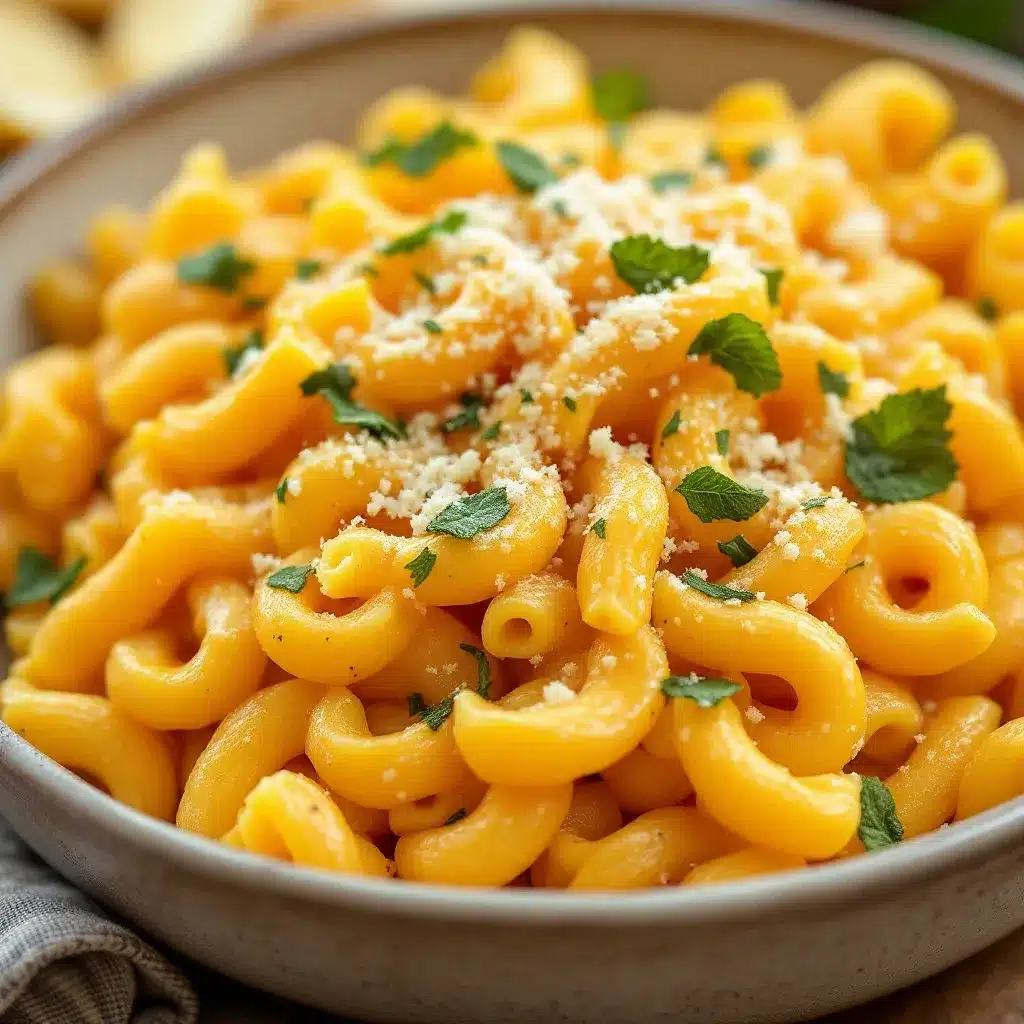
Let me walk you through this step by step. Trust me, if I can nail this after burning sage three times, you’ve got this.
- Preheat and Prep: Preheat your oven to 400°F (200°C). While it’s heating up, peel your butternut squash, remove the seeds, and cut it into 1-inch cubes. Don’t stress about perfect cubes—just aim for even sizes so they cook at the same rate.
- Roast the Squash: Toss the cubed squash with 1 tablespoon of olive oil and a pinch of salt on a baking sheet. Spread them in a single layer—crowding them will steam them instead of roasting. Roast for 20-25 minutes, flipping halfway through, until the squash is tender and the edges are starting to caramelize. You’ll know they’re done when a fork slides through easily. The smell in your kitchen right now is absolutely incredible.
- Cook the Pasta: While the squash roasts, bring a large pot of salted water to a boil. Add your elbow macaroni and cook according to package directions until al dente. Here’s a pro tip: cook it about 1 minute less than the package says because it’ll continue cooking in the sauce later. Reserve about ½ cup of pasta water before draining—it’s liquid gold for adjusting sauce consistency.
- Blend the Squash: Once the squash is roasted and slightly cooled, transfer it to a blender. Add about ½ cup of the milk and blend until completely smooth. You might need to scrape down the sides once or twice. The puree should be thick but pourable—like heavy cream consistency.
- Make the Roux: In your medium saucepan, melt 2 tablespoons of butter over medium heat. Once it’s bubbling, whisk in the flour and cook for 1-2 minutes, stirring constantly. This removes the raw flour taste and creates the base for your sauce. The mixture should be pale golden and smell slightly nutty.
- Build the Sauce: Slowly pour in the remaining milk while whisking continuously to prevent lumps. Add the minced garlic, Dijon mustard, nutmeg, and a pinch of salt and pepper. Keep whisking until the sauce thickens enough to coat the back of a spoon—about 3-4 minutes. Don’t walk away during this part; it can go from perfect to scorched in seconds.
- Add the Cheese: Reduce the heat to low and gradually stir in the shredded cheddar and grated Parmesan. Stir until completely melted and smooth. This is where patience pays off—adding the cheese too quickly or over high heat can make it grainy.
- Combine Everything: Stir the butternut squash puree into the cheese sauce until fully incorporated. Taste and adjust seasoning—you might want more salt or a pinch more nutmeg. Add the cooked pasta and stir until every piece is coated in that gorgeous orange sauce. If it’s too thick, add a splash of the reserved pasta water to loosen it up.
- Crisp the Sage: In a small skillet, melt 1 tablespoon of butter over medium-low heat. Add the sage leaves in a single layer—don’t crowd them. Cook for 30-60 seconds per side until they turn bright green and the edges start to curl. They should be crispy but not dark. Transfer to a paper towel-lined plate immediately. They’ll crisp up more as they cool.
- Serve Immediately: Spoon the mac and cheese into bowls, top with the crispy sage leaves, and maybe a extra sprinkle of Parmesan if you’re feeling fancy. Eat it while it’s hot—this dish waits for no one.
Cooking Tips & Techniques
After making this creamy butternut squash mac and cheese with crispy sage more times than I care to count, I’ve picked up a few tricks that make a real difference.
The Sage Situation: Here’s what I learned from those three burned batches. Sage leaves contain moisture that needs to evaporate before they crisp. If your pan is too hot, the butter burns before the sage has a chance to dry out. Keep the heat at medium-low and watch them like a hawk. They go from perfect to burnt in about 15 seconds. When they start looking translucent around the edges and the color brightens, they’re almost done.
The Cheese Melt: Room temperature cheese melts more smoothly than cold cheese straight from the fridge. Take it out when you start roasting the squash and it’ll be perfect by the time you need it. Also, add the cheese off the heat or on the lowest possible setting. High heat makes the proteins seize up and gives you a grainy, separated sauce.
The Squash Shortcut: If you’re really pressed for time, you can microwave the cubed squash with a tablespoon of water in a covered bowl for 6-8 minutes instead of roasting. You won’t get the caramelized flavor, but it still works. I’ve done this on nights when I was hangry and couldn’t wait 25 minutes for the oven.
Multitasking Magic: Start the squash roasting first, then get your water boiling. While the pasta cooks, make the roux. By the time the pasta is done, your sauce base is ready, and the squash is cool enough to blend. Everything comes together in perfect timing if you plan it right.
Consistency Check: Mac and cheese thickens as it sits. If you’re making it ahead of time, undercook the pasta by 2 minutes and make the sauce slightly looser than you think it should be. When you reheat it, add a splash of milk to bring it back to life.
Variations & Adaptations
One of the best things about this creamy butternut squash mac and cheese with crispy sage is how adaptable it is. Here are some variations I’ve tried and loved:
Gluten-Free Version: Use gluten-free pasta and swap the all-purpose flour for a 1:1 gluten-free flour blend or cornstarch. For the cornstarch version, mix 1 tablespoon cornstarch with 2 tablespoons cold milk to make a slurry, then add it to the sauce instead of the flour roux. I’ve tested this with my gluten-sensitive friends and they couldn’t tell the difference.
Vegan Adaptation: Use nutritional yeast (about ¼ cup) and a dairy-free cheddar shred for the cheese sauce. Replace the butter with vegan butter or olive oil, and use unsweetened oat milk or cashew milk for the creamiest texture. The crispy sage stays the same—just use olive oil instead of butter to crisp it.
Protein-Packed Version: Stir in 2 cups of shredded rotisserie chicken or crispy bacon bits right before serving. The smoky saltiness of bacon plays beautifully with the sweet squash and earthy sage. I’ve also added leftover slow cooker honey garlic chicken shredded on top for a sweet-savory twist that works surprisingly well.
Seasonal Swaps: In the summer, swap butternut squash for roasted zucchini or yellow squash. In winter, try roasted sweet potato or pumpkin. Each brings its own personality to the dish. The sweet potato version is especially good with a pinch of cayenne pepper.
Extra Veggie Boost: Steam some broccoli or cauliflower and stir it in with the pasta. The florets catch the sauce in all their little nooks, making every bite a mini celebration. I’ve also added sautéed mushrooms and spinach for a truly loaded mac and cheese experience.
Serving & Storage Suggestions
This creamy butternut squash mac and cheese with crispy sage is best served immediately while the sauce is still warm and the sage is perfectly crispy. The contrast between the creamy pasta and the shattering sage leaves is pure magic.
Serving Temperature: Serve it hot, straight from the stove. If you’re making it for a crowd, keep it warm in a slow cooker on the “keep warm” setting for up to 2 hours. Stir occasionally and add a splash of milk if it starts to dry out.
What to Serve With It: This dish pairs beautifully with a simple green salad dressed with lemon vinaigrette to cut through the richness. I also love serving it alongside lemon herb salmon sheet pan dinner for a complete meal that feels restaurant-quality. For a vegetarian spread, add some Mediterranean stuffed mini peppers with feta on the side—the tangy feta and bright peppers balance the creamy pasta perfectly.
Storage: Store leftovers in an airtight container in the refrigerator for up to 4 days. The sauce will thicken significantly as it sits, and the pasta will absorb some of the liquid. Don’t store it with the crispy sage on top—the leaves will get soggy. Keep them separate in a paper towel-lined container at room temperature.
Reheating: The best way to reheat this is on the stovetop over medium-low heat with a splash of milk or cream. Stir frequently until warmed through. You can also microwave individual portions in 30-second bursts, stirring between each. If the sauce seems too thick, add a little milk or reserved pasta water to loosen it up.
Freezer Instructions: This mac and cheese freezes beautifully for up to 3 months. Let it cool completely, then transfer to a freezer-safe container. To reheat, thaw overnight in the refrigerator and warm on the stovetop with a splash of milk. The texture won’t be quite as creamy as fresh, but it’s still delicious. Make fresh crispy sage when you serve it—frozen sage leaves turn into sad, soggy messes.
The flavors actually develop and deepen after a day in the fridge. I’ve been known to make a double batch just so I can have leftovers for lunch. The sage loses its crispiness, but the overall taste gets even better.
Nutritional Information & Benefits
Let’s talk about what makes this creamy butternut squash mac and cheese with crispy sage a smarter choice than traditional mac and cheese. Each serving (about 1 ½ cups) contains approximately:
- Calories: 480
- Protein: 18g
- Fat: 22g
- Carbohydrates: 52g
- Fiber: 6g
- Sugar: 8g
- Sodium: 580mg
The butternut squash is the real hero here nutritionally. It’s packed with vitamin A (over 400% of your daily needs per cup), vitamin C, potassium, and fiber. The beta-carotene in squash gives it that gorgeous orange color and supports eye health and immune function. Plus, the fiber helps slow down digestion of the pasta, preventing those blood sugar spikes you might get from regular mac and cheese.
The cheese provides calcium and protein, while the sage brings anti-inflammatory properties and a surprising amount of vitamin K. This dish is naturally vegetarian and can easily be made gluten-free or vegan with the substitutions I mentioned earlier.
One thing I love about this recipe is that it feels indulgent without being heavy. You get the comfort of mac and cheese with the added nutrition of roasted vegetables. It’s the kind of meal that makes you feel good about eating comfort food.
Conclusion
This creamy butternut squash mac and cheese with crispy sage has become one of those recipes that I make on repeat, and I have a feeling it’ll become one of yours too. It’s got everything you want in comfort food—creamy, cheesy, satisfying—with the added bonus of roasted squash that makes it feel just a little bit virtuous.
The crispy sage on top isn’t just a garnish; it’s the finishing touch that takes this from good to unforgettable. That first bite where the sage shatters against the creamy pasta is something you need to experience for yourself.
I’d love to hear how this turns out for you. Did you try any variations? Did your family go back for seconds? Drop a comment below and let me know. And if you’re looking for more cozy comfort food ideas, check out our full collection of recipes for more inspiration.
Now go make some mac and cheese. You deserve it.
Frequently Asked Questions
Can I use frozen butternut squash for this recipe?
Absolutely! Frozen cubed butternut squash works well in a pinch. Just thaw it completely and pat it dry with paper towels before roasting. The extra moisture from freezing means it won’t caramelize quite as nicely as fresh squash, but the flavor will still be delicious.
Why did my cheese sauce turn out grainy?
Grainy cheese sauce usually happens for one of three reasons: the heat was too high when you added the cheese, you used pre-shredded cheese with anti-caking agents, or you added the cheese too quickly. Keep the heat on low, use freshly grated cheese, and add it gradually while stirring constantly for the smoothest results.
Can I make this ahead of time for a party?
Yes! You can assemble the entire dish (without the crispy sage) up to 2 days ahead. Store it in the refrigerator, then reheat on the stovetop or in a 350°F oven with a splash of milk. Make the crispy sage fresh right before serving for the best texture.
How do I get my sage leaves perfectly crispy without burning them?
The key is low heat and patience. Use medium-low heat and cook the sage leaves in a single layer for 30-60 seconds per side. They should turn bright green and the edges will start to curl. Transfer them to a paper towel immediately—they’ll continue crisping as they cool. If you see any dark spots, you’ve gone too far.
Is this recipe suitable for kids who don’t like vegetables?
This is actually the perfect recipe for picky eaters! The butternut squash blends completely into the cheese sauce, so kids won’t see or taste any chunks. The orange color looks like regular mac and cheese, and the flavor is creamy and cheesy with just a hint of sweetness. I’ve served this to kids who swore they hated squash, and they cleaned their plates without realizing they were eating vegetables.
Pin This Recipe!
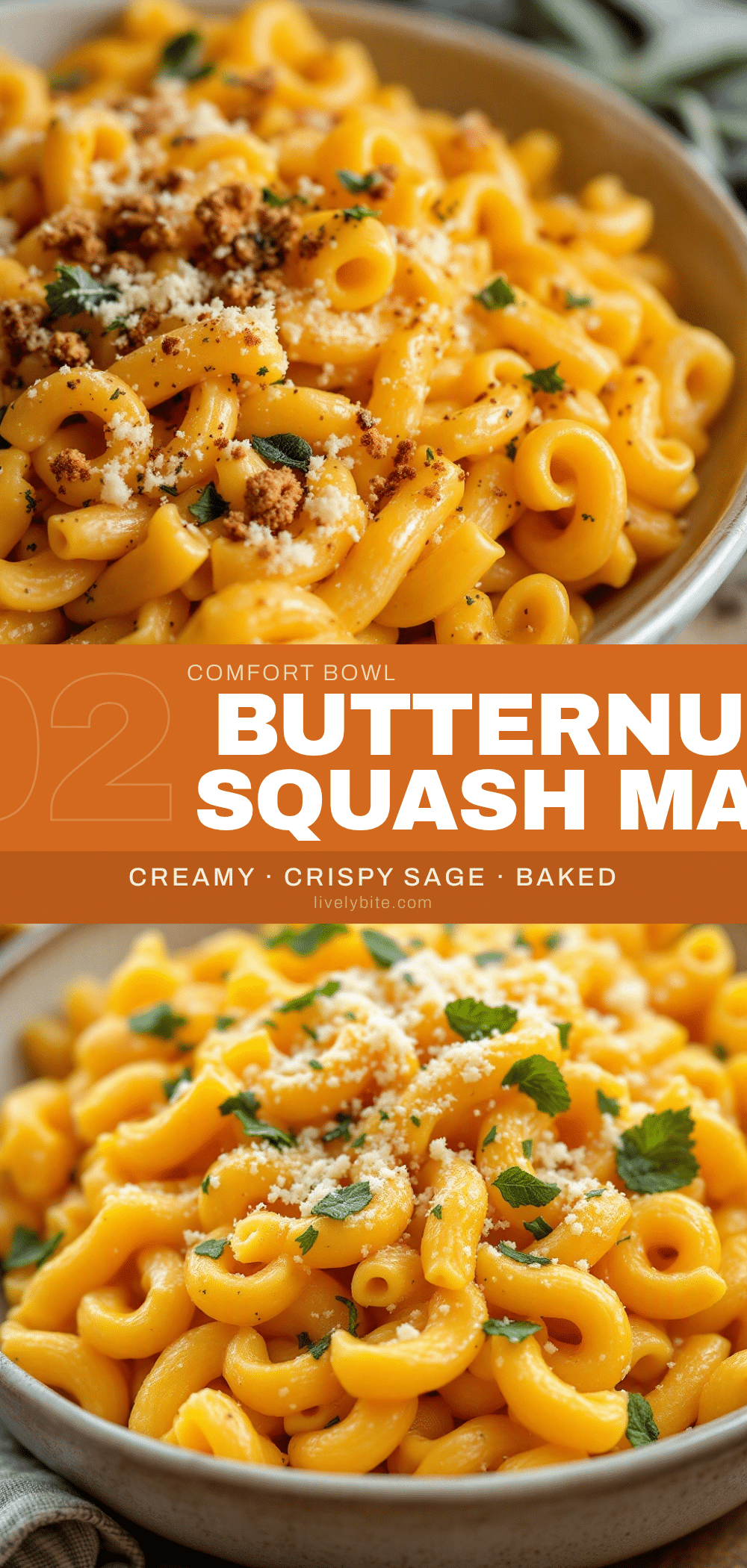
Creamy Butternut Squash Mac and Cheese (Easy 30-Minute Recipe)

This creamy butternut squash mac and cheese with crispy sage is a quick and easy 30-minute comfort food that combines roasted squash, sharp cheddar, and crispy sage for a deliciously nutritious twist on a classic.
- Prep Time: 10 minutes
- Cook Time: 20 minutes
- Total Time: 30 minutes
- Yield: 4 servings 1x
- Category: Main Course
- Cuisine: American
Ingredients
- 1 medium butternut squash (about 2 cups cubed)
- 8 ounces elbow macaroni (about 2 cups)
- 1 ½ cups sharp cheddar cheese, shredded
- ½ cup Parmesan cheese, grated
- 3 tablespoons unsalted butter, divided
- 2 tablespoons all-purpose flour
- 2 cups whole milk
- 12–15 fresh sage leaves
- 3 cloves garlic, minced
- 1 teaspoon Dijon mustard
- Salt and black pepper to taste
- ¼ teaspoon nutmeg, freshly grated if possible
- 1 tablespoon olive oil
Instructions
- Preheat oven to 400°F (200°C). Peel butternut squash, remove seeds, and cut into 1-inch cubes.
- Toss cubed squash with 1 tablespoon olive oil and a pinch of salt on a baking sheet. Spread in a single layer and roast for 20-25 minutes, flipping halfway, until tender and edges are caramelized.
- While squash roasts, bring a large pot of salted water to a boil. Cook elbow macaroni according to package directions until al dente (cook 1 minute less than package says). Reserve ½ cup pasta water before draining.
- Transfer roasted squash to a blender. Add ½ cup milk and blend until completely smooth. Scrape down sides as needed.
- In a medium saucepan, melt 2 tablespoons butter over medium heat. Whisk in flour and cook for 1-2 minutes, stirring constantly, until pale golden and nutty.
- Slowly pour in remaining milk while whisking continuously. Add minced garlic, Dijon mustard, nutmeg, and a pinch of salt and pepper. Whisk until sauce thickens enough to coat the back of a spoon (3-4 minutes).
- Reduce heat to low. Gradually stir in shredded cheddar and grated Parmesan until completely melted and smooth.
- Stir butternut squash puree into cheese sauce until fully incorporated. Taste and adjust seasoning. Add cooked pasta and stir until coated. If too thick, add a splash of reserved pasta water.
- In a small skillet, melt 1 tablespoon butter over medium-low heat. Add sage leaves in a single layer. Cook 30-60 seconds per side until bright green and edges curl. Transfer to paper towel-lined plate.
- Serve immediately, topped with crispy sage leaves and extra Parmesan if desired.
Notes
For best results, use freshly grated cheese and roast the squash to concentrate flavors. Keep heat low when adding cheese to avoid graininess. Sage crisps quickly; watch carefully to prevent burning. Leftovers can be stored in the refrigerator for up to 4 days; reheat with a splash of milk.
Nutrition
- Serving Size: 1 ½ cups
- Calories: 480
- Sugar: 8
- Sodium: 580
- Fat: 22
- Saturated Fat: 12
- Carbohydrates: 52
- Fiber: 6
- Protein: 18
Keywords: butternut squash mac and cheese, creamy mac and cheese, easy mac and cheese, 30-minute recipe, fall comfort food, vegetarian mac and cheese, crispy sage