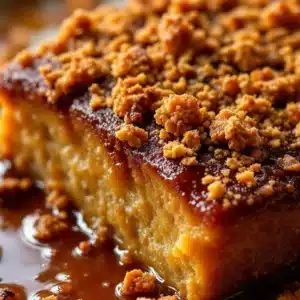
It gives way under the weight of a spoon without any resistance, almost like butter, but warmer. That tender collapse is what I made this for — everything else is secondary. The skin holds firm, a tough green armor protecting the sweet, caramelized interior, but it’s that inside that matters. You know how some vegetables fight you? Acorn squash is different. It surrenders. It lets you scoop out a perfect nest for the filling without crumbling into mush.
I remember the first time I tried to roast one whole. I poked holes, sure, but I underestimated the steam pressure. It split open with a sound like a gunshot, sending wild rice and brown sugar flying across my kitchen floor. Honestly, it was messy. But the smell? That nutty, earthy aroma of wild rice mixing with roasting squash filled the house. My neighbor actually knocked on the door, thinking I was cooking something fancy for a dinner party. I wasn’t. I was just trying to eat something warm in October.
Now, I don’t let it split. I cut it in half, scoop the seeds (save them for roasting, trust me), and press the flesh down before adding the stuffing. The result is a vessel that stays intact but offers that melt-in-your-mouth texture. It’s not just about looking pretty for Instagram. It’s about the contrast. The slight chew of the wild rice against the silky squash. It’s grounding. It feels like a hug in a bowl.
This recipe sticks because it’s honest. There’s no pretense here. Just roasted squash, nutty grains, and simple spices. It’s the kind of meal that makes you slow down. You sit there, spoon in hand, watching the steam rise, and for ten minutes, the world is quiet. That’s the promise. A quiet moment, wrapped in a squash shell.
Why You’ll Love This Recipe
I’ve tested this stuffed acorn squash recipe more times than I care to admit. There was a version with too much maple syrup, another with undercooked rice, and one where the squash was so over-roasted it turned to soup. But this version? It’s the one that stays on the menu. It works because it balances texture perfectly. The wild rice adds a chewy, nutty bite that contrasts with the soft squash. It’s not just a side dish; it’s a complete, hearty meal.
- Quick & Easy: While the squash roasts, you cook the rice. The active time is minimal, making this perfect for busy weeknights when you want something wholesome but don’t have hours to spend in the kitchen.
- Simple Ingredients: You likely have everything in your pantry. Acorn squash, wild rice blend, onions, garlic, and basic spices. No fancy grocery trips needed for obscure ingredients.
- Perfect for Cozy Dinners: This is the ultimate comfort food for chilly evenings. It pairs beautifully with a glass of red wine or a warm cup of tea.
- Crowd-Pleaser: Even picky eaters tend to love this. The natural sweetness of the squash masks the earthiness of the wild rice, making it approachable for everyone.
- Unbelievably Delicious: The combination of savory sage, sweet apple, and nutty rice creates a flavor profile that feels elevated but is actually very simple. It’s next-level comfort food.
What makes this different from other stuffed squash recipes? Most use white rice or quinoa, which can get mushy. Wild rice holds its shape better and adds a deeper, woodsy flavor that stands up to the squash. Also, I add a touch of apple for acidity and crunch, which cuts through the richness. It’s not just another version; it’s the one that feels like home.
What Ingredients You Will Need
This recipe uses simple, wholesome ingredients to deliver bold flavor and satisfying texture without the fuss. The beauty of this dish lies in how few components are needed to create such a complex eating experience. Most of these items are pantry staples or hardy produce that lasts for weeks.
- Acorn Squash: Two medium-sized squash, halved and seeded. Look for squash with firm skin and no soft spots. I prefer smaller ones as they tend to be sweeter and cook more evenly than giant varieties.
- Wild Rice Blend: One cup of dry wild rice mix. I recommend using a blend that includes brown rice or black rice for better texture. Bob’s Red Mill is a trusted brand I use often for its consistent grain size.
- Butter or Olive Oil: Two tablespoons. Butter adds richness, but olive oil works well for a lighter touch. If you’re vegan, use a high-quality plant-based butter.
- Yellow Onion: One medium onion, finely diced. This forms the aromatic base of the stuffing.
- Garlic: Two cloves, minced. Fresh garlic is non-negotiable here. Powdered garlic won’t give you that sharp, savory punch.
- Apple: One small Granny Smith apple, peeled and diced. The tartness balances the sweetness of the squash. If you prefer sweeter fruit, a Fuji apple works too.
- Fresh Sage: Two tablespoons, chopped. Sage is the classic pairing for squash. If you can’t find fresh, dried sage works, but use half the amount.
- Vegetable Broth: Two cups. Use a low-sodium broth so you can control the saltiness of the final dish.
- Walnuts or Pecans: Half a cup, chopped. Toasting these beforehand adds a crucial crunch. I usually toast them in a dry pan for three minutes.
- Maple Syrup: One tablespoon. Pure maple syrup, not pancake syrup. It adds a subtle sweetness without being cloying.
- Seasonings: Salt, black pepper, and a pinch of nutmeg. Nutmeg enhances the natural earthiness of the squash.
For substitutions, you can swap the wild rice for farro or barley if you prefer a different grain texture. For a gluten-free option, ensure your broth and rice blend are certified gluten-free.
Equipment Needed
You don’t need much fancy gear for this recipe, but having the right tools makes the process smoother. A large roasting pan or two baking sheets are essential. I prefer baking sheets because they allow air circulation around the squash, helping the edges crisp up slightly. If you only have one sheet, you might need to roast in batches or use the broiler at the end.
A medium saucepan with a tight-fitting lid is needed for cooking the wild rice. If your lid doesn’t fit well, you can use foil. A sharp chef’s knife is crucial for cutting the squash. Acorn squash can be tough to cut, so ensure your knife is sharp. If you struggle, microwave the whole squash for two minutes first to soften the skin slightly. A melon baller or sturdy spoon works best for scooping out the seeds and some flesh. I use a sturdy metal spoon because it scrapes the flesh clean more effectively than a plastic one.
A small skillet is needed for sautéing the onions, apples, and sage. Cast iron is ideal here because it retains heat well, but any non-stick pan works. Finally, a measuring cup set and a wooden spoon or spatula for stirring. Keep your equipment simple and clean. Washing the skillet while the squash roasts saves time later.
Preparation Method
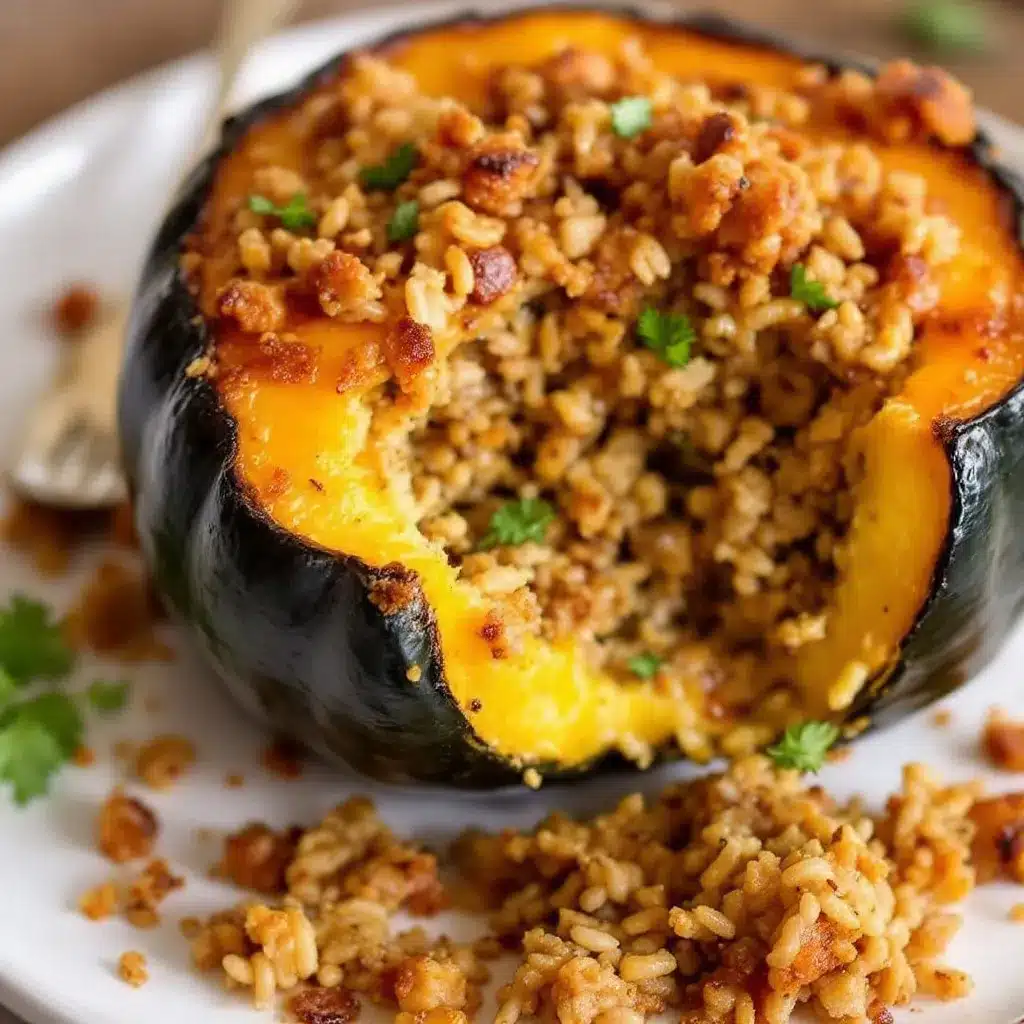
- Preheat and Prep: Preheat your oven to 400°F (200°C). Line a baking sheet with parchment paper. This prevents sticking and makes cleanup easier. Wash the acorn squash thoroughly. Using a sharp chef’s knife, carefully cut each squash in half lengthwise. Be cautious; the skin is hard. Once halved, use a spoon to scoop out the seeds and stringy pulp. Save the seeds if you want to roast them later with salt and pepper.
- Roast the Squash: Brush the cut sides of the squash with a little olive oil or melted butter. Season lightly with salt and pepper. Place them cut-side down on the baking sheet. This helps them steam and soften evenly. Roast for 30-35 minutes. You’ll know they’re done when a fork easily pierces through the thickest part of the flesh. Remove from the oven and flip them cut-side up. Reduce oven temperature to 375°F (190°C).
- Cook the Rice: While the squash roasts, rinse one cup of wild rice blend under cold water. In a medium saucepan, combine the rice with two cups of vegetable broth. Bring to a boil, then reduce heat to low, cover, and simmer for 40-45 minutes, or until the rice is tender and the liquid is absorbed. Fluff with a fork and set aside. If your rice blend cooks faster, check it at 30 minutes.
- Sauté the Aromatics: In a small skillet, melt two tablespoons of butter over medium heat. Add the diced onion and cook for 5 minutes until translucent. Add the minced garlic and diced apple. Cook for another 3-4 minutes until the apple softens slightly. Stir in the chopped sage, walnuts, maple syrup, salt, pepper, and nutmeg. Cook for 1 minute to toast the spices. Remove from heat.
- Stuff the Squash: Take the roasted squash halves and gently press the flesh down a bit to create more room for the filling. Spoon the rice and sautéed mixture generously into each cavity. Don’t pack it too tightly; the rice will expand slightly. You can top with extra chopped walnuts or a sprinkle of parmesan if desired.
- Final Bake: Place the stuffed squash back on the baking sheet, cut-side up. Return to the oven and bake for 10-15 minutes. This allows the flavors to meld and the top to warm through. The stuffing should be hot, and the squash should be tender.
- Serve: Remove from the oven and let cool for 5 minutes. This makes it easier to handle. Garnish with fresh parsley or extra sage leaves if you like. Serve immediately while hot.
How do I prevent the squash from being too watery?
Roasting them cut-side down first helps evaporate excess moisture. Also, when scooping out the seeds, make sure to remove all the wet pulp. If the flesh feels too soft before stuffing, you can broil it for 2 minutes to dry it out slightly.
Can I make this ahead of time?
Yes. You can roast the squash and cook the rice up to two days in advance. Store them separately in the fridge. When ready to serve, stuff the squash and bake for 15-20 minutes to reheat. The flavors actually improve after sitting for a day.
Cooking Tips & Techniques
Choosing the right squash is key. Look for ones that feel heavy for their size. This indicates dense, moist flesh rather than dry, stringy interiors. The skin should be a deep, matte green, not shiny. Shiny skin can indicate under-ripeness. Also, check the stem. If it’s dried and corky, the squash is mature and sweeter. If it’s green and flexible, it might be less flavorful.
When cutting the squash, safety is paramount. If your knife slips, stop. Use the microwave trick I mentioned earlier. Wrap the whole squash in a damp paper towel and microwave for 2-3 minutes. The heat softens the fibers, making cutting much safer. Never try to force a dull knife through a hard squash.
Toast your nuts. It sounds like a small step, but it makes a huge difference. Raw walnuts are bland. Toasting them in a dry pan for 3-4 minutes releases their oils and adds a smoky depth. Let them cool before chopping so they don’t turn to butter in your hands.
Don’t skip the acid. The apple provides brightness, but you can also add a splash of apple cider vinegar to the stuffing mixture. It cuts through the richness of the butter and squash, keeping the dish from tasting too heavy. Taste the stuffing before stuffing the squash. Adjust seasoning as needed. The squash itself is sweet, so you might need a bit more salt in the filling.
Watch the oven closely during the final bake. Ovens vary. You want the stuffing hot, but you don’t want the edges of the squash to burn. If the edges are browning too fast, cover them loosely with foil.
What if I don’t have wild rice?
Farro or barley are excellent substitutes. They have a similar chewy texture and nutty flavor. Just adjust the cooking time according to the package instructions. Quinoa is another option, but it’s softer and less chewy, so the texture will be different.
Variations & Adaptations
This recipe is a canvas for creativity. Here are a few ways to twist it:
- Vegetarian/Vegan: Swap butter for olive oil or vegan butter. Ensure your vegetable broth is vegan. Add crumbled tofu or tempeh to the stuffing for extra protein.
- Gluten-Free: Wild rice is naturally gluten-free, but check your blend. Use a certified gluten-free broth and ensure your nuts are processed in a GF facility.
- Spicy Kick: Add a pinch of cayenne pepper or red pepper flakes to the sautéed onions. Or, mix in some diced jalapeños for a spicy-sweet contrast.
- Herb Swap: If you don’t like sage, try thyme or rosemary. Thyme is particularly nice with apple and squash.
- Cheesy Version: Sprinkle goat cheese or feta on top before the final bake. The tangy cheese pairs beautifully with the sweet squash.
I once tried adding cranberries to the stuffing. The dried cranberries added a chewy tartness that I loved. It’s a great variation for holiday meals. Just add half a cup of dried cranberries to the rice mixture.
Can I use sweet potatoes instead of squash?
Yes, but the cooking time will differ. Sweet potatoes cook faster. Roast them whole for 45-60 minutes until soft. Cut them open, scoop out some flesh, mix it with the stuffing, and stuff them back in. It’s a delicious variation.
Serving & Storage Suggestions
Serve this dish warm, straight from the oven. It looks stunning on the plate, especially if you garnish with fresh herbs. Pair it with a simple green salad with a vinaigrette to balance the richness. A glass of oaked Chardonnay or a light red wine like Pinot Noir complements the earthy flavors well.
For storage, let the squash cool completely. Place the halves in an airtight container in the refrigerator. They will keep for 3-4 days. To reheat, place them in a 350°F (175°C) oven for 15-20 minutes, or microwave them for 2-3 minutes. The texture might soften slightly upon reheating, but the flavor remains strong.
You can also freeze the stuffing mixture separately. Thaw it in the fridge overnight and reheat before stuffing into freshly roasted squash. Do not freeze the roasted squash halves, as they become mushy upon thawing. The flavors develop over time, so leftovers often taste better on the second day.
How long does it take to reheat?
Reheating takes about 15 minutes in the oven. If microwaving, it takes 2-3 minutes. Cover with a damp paper towel to keep the squash moist.
Nutritional Information & Benefits
This dish is not only comforting but also nutritious. Acorn squash is rich in vitamins A and C, which support immune health. Wild rice provides fiber and protein, helping you feel full longer. The walnuts add healthy omega-3 fatty acids, which are good for brain health. The apple adds natural sweetness and additional fiber.
Each serving contains approximately 350 calories, 8g of protein, 12g of fat, and 55g of carbohydrates. It’s a balanced meal that can fit into various dietary plans. For those monitoring sodium, use low-sodium broth and limit added salt. The natural flavors of the ingredients are strong enough that you don’t need much salt.
From a wellness perspective, this meal is grounding. It provides sustained energy without the crash of refined sugars. The warm spices aid digestion, making it a perfect meal for cooler months when your body craves warmth and comfort.
Is this recipe low-carb?
Not strictly. The wild rice and squash contain carbohydrates. However, they are complex carbs with fiber, which makes them a better choice than refined grains. For a lower-carb version, you can reduce the rice amount and increase the vegetable stuffing ingredients.
Conclusion
This Cozy Stuffed Acorn Squash with Wild Rice is more than just a recipe. It’s a reminder to slow down and enjoy the simple pleasures of cooking. The combination of textures and flavors is satisfying and wholesome. I hope you try it and make it your own. Feel free to experiment with different nuts, herbs, or spices. Cooking is about play, after all.
If you make this, I’d love to hear how it turned out. Leave a comment below with your variations or tips. Share your photos on social media and tag me. Let’s inspire each other to cook more at home. This dish is perfect for sharing with friends and family, or just enjoying a quiet night in. Enjoy every bite.
FAQs
How do I know when the acorn squash is done?
Insert a fork into the thickest part of the flesh. If it slides in easily with no resistance, the squash is done. The skin should also be slightly caramelized in spots.
Can I use frozen wild rice?
It’s best to use dry wild rice for the best texture. Frozen rice is usually pre-cooked and can become mushy. If you must use frozen, thaw it and mix it with the other ingredients, but adjust the cooking time.
What kind of apple is best for this recipe?
Granny Smith apples are ideal because they hold their shape and provide tartness. Honeycrisp or Fuji apples work too if you prefer sweetness.
Can I stuff the squash before roasting?
You can, but the squash releases water as it roasts, which can make the stuffing soggy. Roasting first ensures a crispier, better-textured final dish.
Is wild rice actually a rice?
No, it’s a grass. It has a longer cooking time and a chewier texture than white rice. It’s packed with nutrients and has a distinct nutty flavor.
Pin This Recipe!
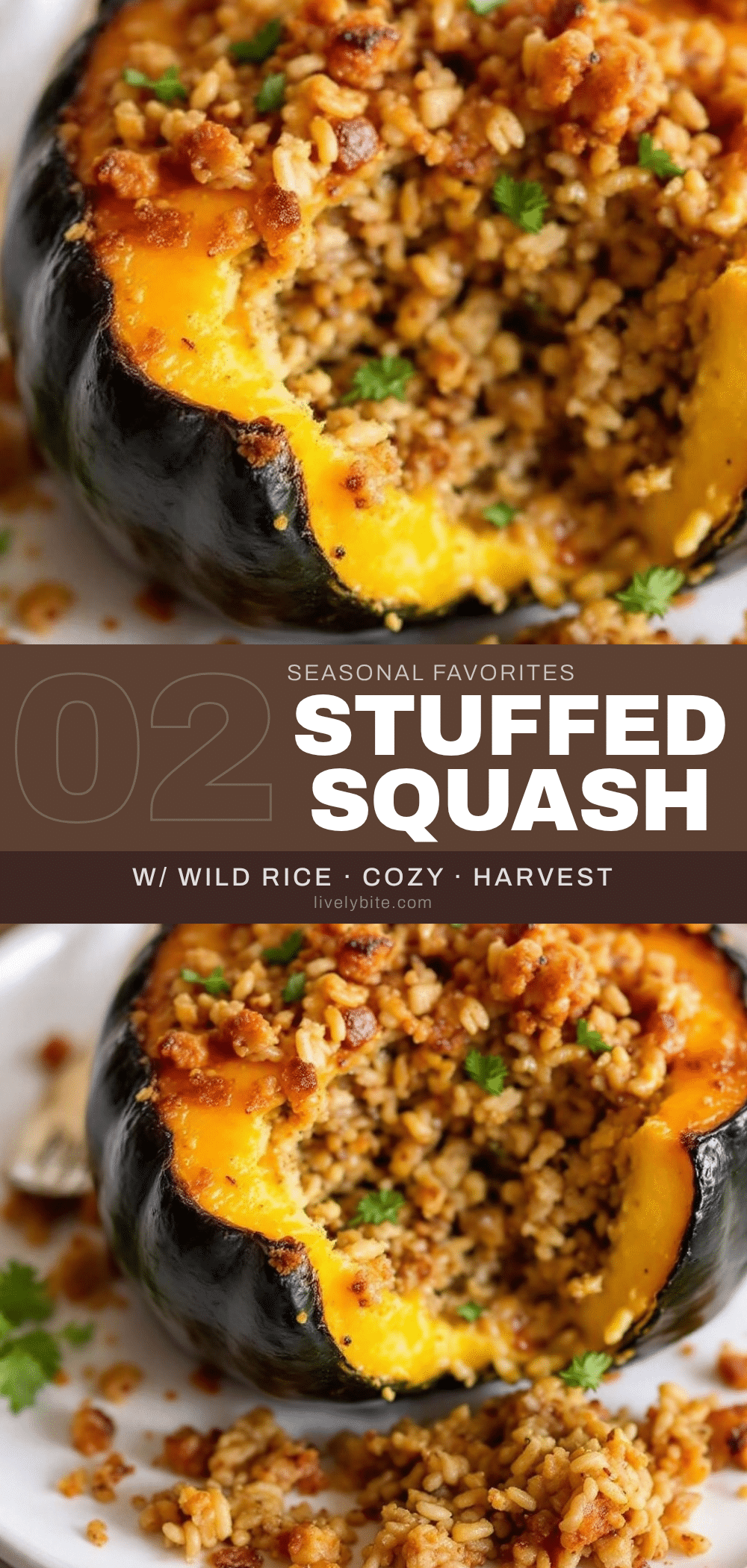
Cozy Stuffed Acorn Squash with Wild Rice

A hearty and comforting dinner featuring roasted acorn squash halves filled with a savory mixture of wild rice, apples, sage, and walnuts. This easy 30-minute active meal balances sweet and savory flavors for a perfect cozy evening.
- Prep Time: 15 minutes
- Cook Time: 45 minutes
- Total Time: 60 minutes
- Yield: 4 servings 1x
- Category: Main Course
- Cuisine: American
Ingredients
- 2 medium acorn squash, halved and seeded
- 1 cup dry wild rice blend
- 2 tablespoons butter or olive oil
- 1 medium yellow onion, finely diced
- 2 cloves garlic, minced
- 1 small Granny Smith apple, peeled and diced
- 2 tablespoons fresh sage, chopped
- 2 cups vegetable broth
- 1/2 cup walnuts or pecans, chopped
- 1 tablespoon pure maple syrup
- Salt and black pepper to taste
- Pinch of nutmeg
Instructions
- Preheat oven to 400°F (200°C). Line a baking sheet with parchment paper.
- Cut acorn squash in half lengthwise, scoop out seeds and pulp. Brush cut sides with oil/butter and season with salt and pepper.
- Roast squash cut-side down for 30-35 minutes until tender. Remove, flip cut-side up, and reduce oven temperature to 375°F (190°C).
- While squash roasts, rinse wild rice. Combine with vegetable broth in a saucepan, bring to boil, then simmer covered for 40-45 minutes until tender. Fluff with a fork.
- In a skillet, melt butter over medium heat. Sauté onion for 5 minutes, add garlic and apple, cook 3-4 minutes. Stir in sage, walnuts, maple syrup, salt, pepper, and nutmeg. Cook 1 minute.
- Gently press down roasted squash flesh to create space. Spoon rice and sautéed mixture into cavities.
- Return stuffed squash to oven, cut-side up, and bake for 10-15 minutes until hot.
- Let cool for 5 minutes before serving.
Notes
Roast squash cut-side down first to prevent watery stuffing. Toast nuts beforehand for better flavor. Can be made ahead by roasting squash and cooking rice separately, then reheating when ready to serve.
Nutrition
- Serving Size: 1 stuffed acorn squa
- Calories: 350
- Sugar: 12
- Sodium: 400
- Fat: 12
- Saturated Fat: 3
- Carbohydrates: 55
- Fiber: 8
- Protein: 8
Keywords: acorn squash, wild rice, stuffed squash, vegetarian dinner, fall recipes, comfort food, healthy dinner, gluten-free option