That warm, buttery scent of brown sugar caramelizing in the oven — the kind that hits you before you even realize the kitchen has become the center of the universe — still takes me straight to my grandmother’s cramped, tile-floored kitchen in November, 1998. I was twelve years old, standing on a stool that wobbled just enough to make my knees ache, watching her pull a massive, golden disk of cookie dough from the heat. It wasn’t a pie. It wasn’t a cake. It was something entirely its own, a hybrid creature of comfort and convenience that solved the greatest problem of any holiday gathering: dessert fatigue.
We had just finished a turkey that was dry enough to powder a document, and the pumpkin pie was sitting in the corner like a decorative pillow, untouched by anyone who had already had three slices of dinner roll. My grandmother knew this. She always knew this. So, she made the cookie cake. It was soft in the middle, crisp at the edges, and crowned with a swirl of cream cheese frosting that tasted like sweet, tangy clouds. I remember the way the frosting held its shape, not too sweet, just enough to cut through the richness of the cookies.
Honestly, I thought it was magic. Now, I know it’s just chemistry and a whole lot of love, but it feels like magic every single time I make it. This recipe isn’t about fancy techniques or expensive ingredients. It’s about that specific feeling of relief when you realize you can make something spectacular with things you already have in your pantry. You know, the stuff you usually just use for breakfast or quick snacks.
There is a quiet magic in pulling this cookie cake out of the oven, especially when the house is full of people arguing about football or politics. It becomes the neutral ground. The shared experience. I’ve made this for Christmas, for birthdays, and for random Tuesday cravings, but it truly shines during the Thanksgiving rush. It’s the kind of dessert that says, “I planned this, but I also didn’t try too hard,” which is the ultimate goal of any modern host.
I still make it exactly the way she did, with one small tweak: I use a bit more brown sugar for that deeper, molasses-like flavor that screams autumn. And I always let the frosting sit for a good ten minutes before spreading it, because patience is the secret ingredient. You’ll understand what I mean once you taste it. It’s not just a cookie. It’s a memory you can eat.
Why You’ll Love This Recipe
Let’s be honest, baking a layered cake for Thanksgiving is a lot of work. You have to bake layers, let them cool, make frosting, stack them, and hope the whole thing doesn’t collapse when you cut it. It’s stressful. This cookie cake changes the game entirely. It is the ultimate low-stress, high-reward dessert that I have tested dozens of times to get right. After years of trial and error, including a few disasters where the cookies were too hard or the frosting was too runny, I’ve landed on the perfect balance.
Here is why this specific recipe stands out from the crowd:
* **Quick & Easy**: The dough comes together in under 15 minutes. You don’t need to chill it for hours (though you can if you want to). It bakes in one large pan, which means less cleanup and less mental load for you.
* **Simple Ingredients**: No fancy grocery trips needed. You likely already have butter, sugar, flour, eggs, and cream cheese in your kitchen. It relies on pantry staples that you probably already trust.
* **Perfect for Thanksgiving**: It fits perfectly into the chaotic schedule of Thanksgiving dinner. It can be made the day before, and it actually tastes better the next day as the flavors meld together.
* **Crowd-Pleaser**: Kids love the cookie part, and adults love the frosting part. It bridges the gap between a treat and a proper dessert.
* **Unbelievably Delicious**: The texture is chewy in the center and crisp on the edges, topped with a tangy cream cheese frosting that cuts the sweetness. It is next-level comfort food.
What makes this recipe different from the rest is the ratio of butter to flour. Most cookie recipes go for a crisp texture, but I like mine soft and cake-like in the middle. By using brown sugar and a touch of cornstarch, I create that tender crumb that feels like a hug. Plus, the cream cheese frosting isn’t just an afterthought; it’s a substantial layer that adds moisture and richness. It’s not just another version of a holiday cookie; it’s the version that actually gets eaten by everyone, even the people who claim they aren’t hungry.
It’s the kind of dessert that makes you close your eyes after the first bite. It’s comfort food reimagined—faster, easier, but with the same soul-soothing satisfaction as a traditional pie. Perfect for impressing guests without the stress of a towering cake, or turning a simple meal into something memorable.
What Ingredients You Will Need
This recipe uses simple, wholesome ingredients to deliver bold flavor and satisfying texture without the fuss. The beauty of a cookie cake lies in its simplicity. You don’t need exotic spices or expensive chocolate chips. You need quality basics that let each other shine. The brown sugar provides moisture and depth, the butter adds richness, and the cream cheese frosting ties it all together with a tangy contrast.
Here is what you will need to make this Thanksgiving favorite:
* **Unsalted Butter**: 1 cup (2 sticks), softened to room temperature. I recommend using high-quality European-style butter if you can find it, as it has a higher fat content and a richer flavor. If you can’t find that, standard unsalted butter works fine.
* **Brown Sugar**: 1 cup, packed. This is the star of the show. It gives the cookie its chewiness and that deep, caramel-like flavor. Dark brown sugar is best for a more intense molasses taste.
* **Granulated Sugar**: ½ cup. This helps with the crisp edges. Don’t skip it, or the cookie might be too soft.
* **Eggs**: 2 large eggs, room temperature. Room temperature eggs incorporate better into the butter, creating a smoother dough.
* **Vanilla Extract**: 1 teaspoon. Use real vanilla, not imitation. It makes a huge difference in the final flavor profile.
* **All-Purpose Flour**: 2 ½ cups. This is the structure. Don’t use whole wheat flour unless you want a denser, nuttier taste, which might clash with the sweet frosting.
* **Baking Powder**: 1 teaspoon. This helps the cookie cake rise slightly, giving it that cake-like texture.
* **Baking Soda**: ½ teaspoon. This helps with browning and spread.
* **Salt**: 1 teaspoon. Essential for balancing the sweetness.
* **Cream Cheese**: 8 ounces, full-fat, softened. Do not use light cream cheese; it won’t hold its shape and might be too runny. Brands like Philadelphia are reliable and consistent.
* **Powdered Sugar**: 2 cups, sifted. This creates the smooth texture of the frosting. Sifting is important to avoid lumps.
* **Butter (for frosting)**: ½ cup, softened. This stabilizes the frosting and adds richness.
* **Vanilla Extract (for frosting)**: 1 teaspoon.
You can swap in gluten-free flour blend if needed, but add a bit more liquid if the dough seems too dry. For a seasonal twist, you can stir in ½ cup of chopped pecans or walnuts into the dough. In summer, you might swap the brown sugar for white sugar and add lemon zest, but for Thanksgiving, stick to the classics.
Equipment Needed
You don’t need a fancy kitchen to make this cookie cake. The main tool you need is a large baking pan. I prefer a 13×9 inch pan because it gives you the perfect thickness—thick enough to be substantial, but thin enough to bake evenly. If you only have a 9×13 pan, that works too, but the cookie cake will be slightly thinner.
* **Large Mixing Bowls**: You’ll need two. One for the wet ingredients and one for the dry. A large bowl is essential because you’ll be creaming the butter and sugar, which takes some space.
* **Electric Mixer**: A hand mixer or a stand mixer makes this process much easier. Creaming the butter and sugar by hand is possible, but it takes about 10 minutes and your arms will get tired. A mixer takes about 3 minutes.
* **Spatula**: A silicone spatula is great for scraping down the sides of the bowl to ensure all ingredients are incorporated. It also helps with spreading the frosting evenly.
* **Measuring Cups and Spoons**: Be precise with your measurements, especially for the flour. Scooping flour directly from the bag can pack it down, leading to dry cookies. Spoon it into the cup and level it off.
* **Cooling Rack**: Letting the cookie cake cool completely before frosting is crucial. If you frost a warm cookie, the frosting will melt and slide off. A wire rack allows air to circulate underneath, cooling it faster and more evenly.
If you don’t have a large pan, you can bake the dough in two smaller 9-inch round pans and stack them, but that adds more work. Stick to the single large pan for simplicity. Also, keep your mixer clean between the cookie dough and the frosting to avoid any cross-contamination of flavors.
Preparation Method
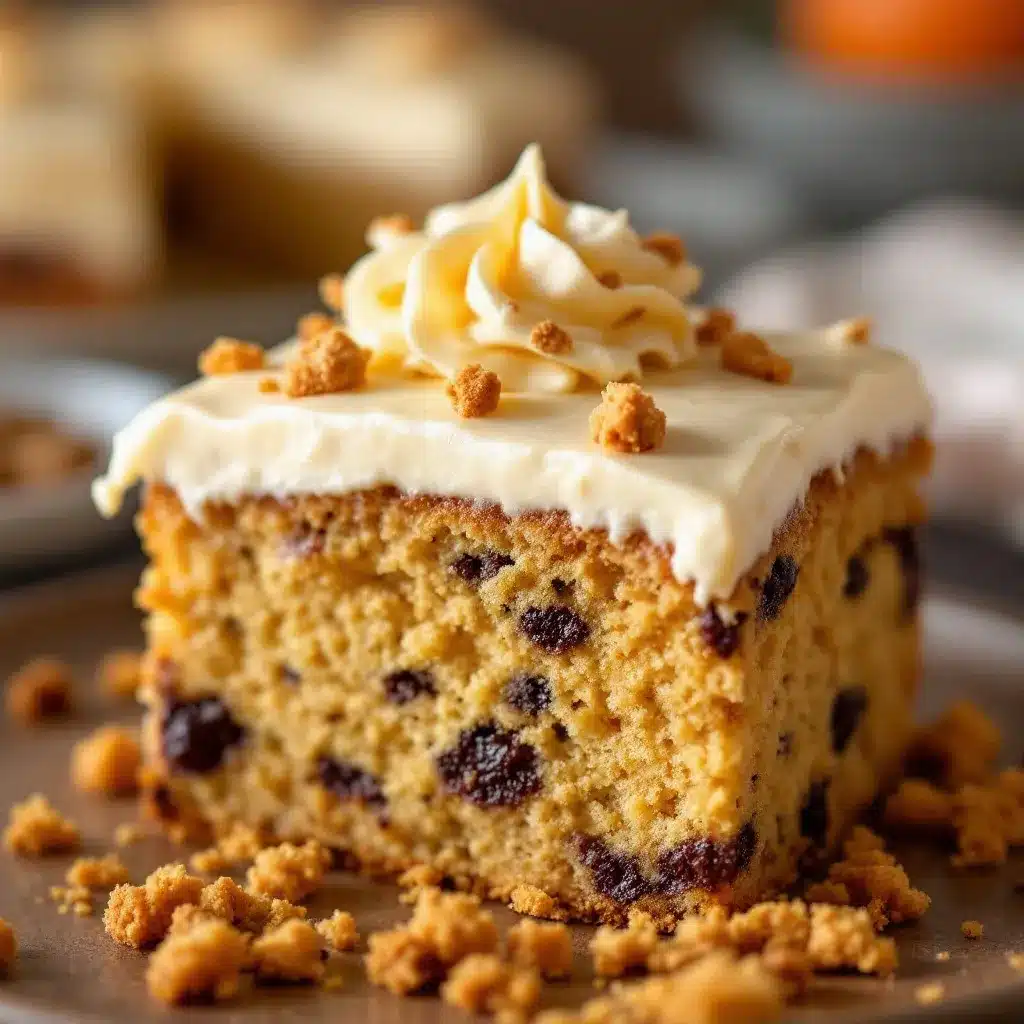
Making this cookie cake is straightforward, but attention to detail ensures the best results. Follow these steps carefully for a perfect texture and flavor.
1. **Preheat and Prep**: Preheat your oven to 350°F (175°C). Grease a 13×9 inch baking pan with butter or non-stick spray. This prevents sticking and ensures easy removal.
2. **Cream Butter and Sugars**: In a large bowl, beat the softened unsalted butter, brown sugar, and granulated sugar together on medium-high speed for about 3-4 minutes. The mixture should be light, fluffy, and pale in color. This step incorporates air, which helps the cookie cake rise.
3. **Add Eggs and Vanilla**: Beat in the eggs one at a time, mixing well after each addition. Add the vanilla extract and mix until combined. Scrape down the sides of the bowl with a spatula to ensure everything is evenly mixed.
4. **Mix Dry Ingredients**: In a separate bowl, whisk together the all-purpose flour, baking powder, baking soda, and salt. This ensures the leavening agents are evenly distributed.
5. **Combine Wet and Dry**: Gradually add the dry ingredients to the wet ingredients, mixing on low speed just until the flour disappears. Do not overmix, or the cookie cake will become tough. The dough should be soft and slightly sticky.
6. **Spread Dough**: Transfer the dough to the prepared pan. Use your hands or a spatula to spread it evenly into the corners. Press it down firmly so there are no air pockets.
7. **Bake**: Bake for 20-25 minutes, or until the edges are golden brown and the center is set. The top should look dry to the touch. Avoid overbaking, as the cookie cake will continue to cook slightly after being removed from the oven.
8. **Cool Completely**: Let the cookie cake cool in the pan for 10 minutes, then transfer it to a wire rack to cool completely. This is crucial for the frosting to set properly.
9. **Make the Frosting**: While the cookie cake cools, beat the softened cream cheese and butter together until smooth. Gradually add the powdered sugar and vanilla extract, beating on low speed until combined, then increase speed to medium-high and beat for 2-3 minutes until fluffy.
10. **Frost and Serve**: Spread the frosting evenly over the cooled cookie cake. Slice and serve. Enjoy!
Cooking Tips & Techniques
Getting the texture right is the hardest part of baking, but a few tricks can help you avoid common pitfalls. First, make sure your butter is at the right temperature. If it’s too cold, it won’t cream properly with the sugar. If it’s too melted, the cookies will spread too much and become flat. It should be soft enough to leave an indent when you press it, but not greasy.
Another common mistake is overmixing the flour. Once you add the flour, mix just until it disappears. Overmixing develops gluten, which makes the cookie cake chewy and tough instead of tender and cake-like. If you want a softer cookie, you can add a tablespoon of cornstarch to the flour mixture. It inhibits gluten formation and adds tenderness.
Timing is also key. Every oven is different, so start checking your cookie cake a few minutes before the recommended bake time. Look for golden edges and a set center. If the center looks wet, give it a few more minutes. If it looks dry, it’s done.
For the frosting, make sure your cream cheese is full-fat and softened. If it’s too cold, it will be lumpy. If it’s too warm, the frosting will be runny. Beat it until it is smooth and creamy before adding the powdered sugar. If the frosting is too thick, add a teaspoon of milk. If it’s too thin, add more powdered sugar.
I once made this cookie cake for a potluck and forgot to let it cool completely before frosting. The frosting melted into the cookie, creating a delicious mess, but it didn’t look pretty. Lesson learned: patience is a virtue in baking.
Variations & Adaptations
While the classic version is my favorite, there are many ways to customize this cookie cake to suit different tastes or dietary needs.
* **Pumpkin Spice**: Add 1 cup of pumpkin puree to the dough and 1 teaspoon of pumpkin pie spice. Reduce the milk in the frosting by a tablespoon if the dough becomes too wet.
* **Chocolate Chip**: Stir in 1 cup of chocolate chips into the dough for a classic twist. Or, drizzle melted chocolate over the frosting for a decadent treat.
* **Gluten-Free**: Use a 1:1 gluten-free flour blend. Add a teaspoon of xanthan gum if your blend doesn’t include it. The texture will be slightly more crumbly but still delicious.
* **Vegan**: Use vegan butter and a flax egg (1 tablespoon ground flaxseed mixed with 3 tablespoons water) in place of the eggs. Use vegan cream cheese for the frosting.
* **Nutty**: Add 1 cup of chopped pecans or walnuts to the dough for added crunch and flavor. This pairs beautifully with the brown sugar and cream cheese.
I once tried making this with oat flour for a healthier option, but it was too dense. Stick to all-purpose flour for the best texture. If you want to reduce sugar, you can reduce the powdered sugar in the frosting by ¼ cup, but it might affect the consistency.
Serving & Storage Suggestions
This cookie cake is best served at room temperature. If you refrigerate it, let it sit out for 30 minutes before serving to allow the frosting to soften. It pairs well with a cup of hot coffee or tea, or a glass of cold milk. For a more festive touch, garnish with a sprinkle of cinnamon or chopped nuts.
To store leftovers, cover the pan with plastic wrap or transfer slices to an airtight container. It will keep in the refrigerator for up to 5 days. You can also freeze the unfrosted cookie cake for up to 3 months. Thaw it in the refrigerator overnight before frosting.
The flavors actually improve after a day or two as the cookie cake absorbs the moisture from the frosting. It becomes softer and more cohesive. If you make it ahead of time, this is the best way to serve it.
Nutritional Information & Benefits
This cookie cake is a treat, so enjoy it in moderation. Each slice contains approximately 350 calories, with a good balance of carbohydrates and fats. The cream cheese adds protein and calcium, while the butter and sugar provide energy.
For those with dietary restrictions, this recipe can be adapted to be gluten-free or vegan. However, it is not naturally low-carb or dairy-free. If you are watching your sugar intake, consider reducing the powdered sugar in the frosting by half and using a sugar substitute.
Personally, I find this recipe to be a great way to satisfy a sweet tooth without feeling too heavy. The cream cheese frosting adds a tangy element that balances the sweetness, making it feel less indulgent than a traditional cake. It’s a comforting dessert that brings people together.
Conclusion
This Best Thanksgiving Cookie Cake with Cream Cheese Frosting is more than just a dessert; it’s a solution to the holiday stress. It’s easy to make, delicious to eat, and perfect for sharing. I hope you try this recipe and make it your own. Feel free to add your favorite mix-ins or spices to make it unique to your family.
If you make this cookie cake, I’d love to hear how it turned out. Leave a comment below with your thoughts or photos of your creation. Share it with your friends and family, and let me know if you tried any variations. Thank you for reading, and happy baking!
FAQs
Can I make this cookie cake ahead of time?
Yes, you can bake the cookie cake up to 2 days in advance. Store it in an airtight container at room temperature. Make the frosting the day you plan to serve it, or store it in the refrigerator for up to 3 days. Let the frosting come to room temperature before spreading.
Why did my cookie cake spread too much?
This usually happens if the butter was too warm or melted. Make sure your butter is softened but not liquid. Also, ensure your baking powder and soda are fresh. If the dough is too soft, chill it in the refrigerator for 30 minutes before baking.
Can I use light cream cheese for the frosting?
It’s not recommended. Light cream cheese has a higher water content and less fat, which can make the frosting runny and less stable. Full-fat cream cheese ensures a thick, creamy frosting that holds its shape.
How do I store leftovers?
Cover the pan with plastic wrap or aluminum foil. Store in the refrigerator for up to 5 days. For best texture, let slices come to room temperature before eating.
Can I freeze the cookie cake?
Yes, you can freeze the unfrosted cookie cake for up to 3 months. Wrap it tightly in plastic wrap and then in aluminum foil. Thaw in the refrigerator overnight before frosting and serving.
Pin This Recipe!
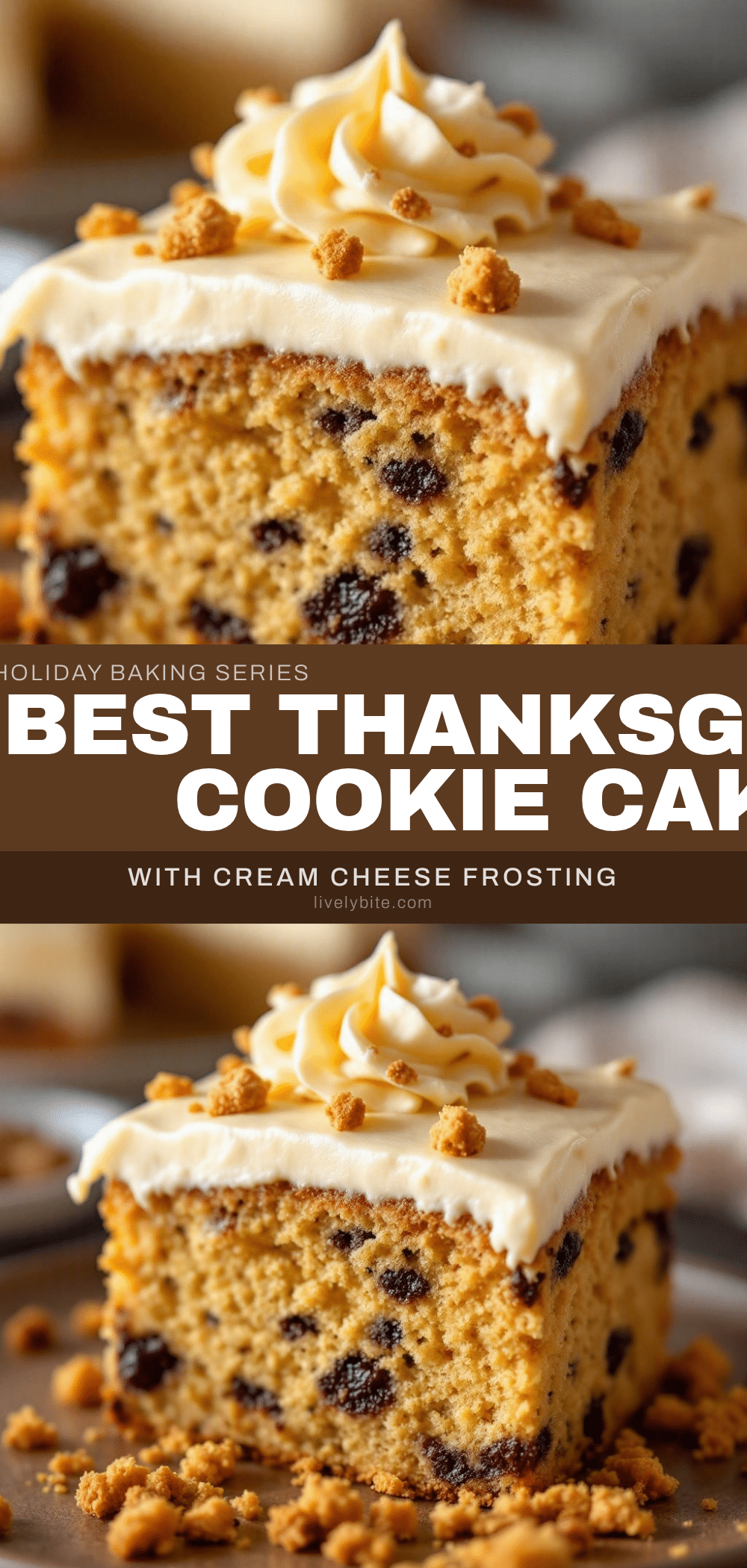
Best Thanksgiving Cookie Cake: Easy 15-Minute Cream Cheese Frosting
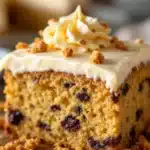
A low-stress, high-reward dessert featuring a soft, chewy cookie base with crisp edges, topped with a tangy and rich cream cheese frosting. Perfect for Thanksgiving and other holiday gatherings.
- Prep Time: 15 minutes
- Cook Time: 25 minutes
- Total Time: 40 minutes
- Yield: 12 servings 1x
- Category: Dessert
- Cuisine: American
Ingredients
- 1 cup (2 sticks) unsalted butter, softened to room temperature
- 1 cup packed brown sugar (dark brown sugar recommended)
- ½ cup granulated sugar
- 2 large eggs, room temperature
- 1 teaspoon vanilla extract
- 2 ½ cups all-purpose flour
- 1 teaspoon baking powder
- ½ teaspoon baking soda
- 1 teaspoon salt
- 8 ounces full-fat cream cheese, softened
- 2 cups powdered sugar, sifted
- ½ cup unsalted butter, softened (for frosting)
- 1 teaspoon vanilla extract (for frosting)
Instructions
- Preheat oven to 350°F (175°C) and grease a 13×9 inch baking pan with butter or non-stick spray.
- In a large bowl, beat the softened unsalted butter, brown sugar, and granulated sugar on medium-high speed for 3-4 minutes until light, fluffy, and pale.
- Beat in the eggs one at a time, mixing well after each addition. Add the vanilla extract and mix until combined. Scrape down the sides of the bowl.
- In a separate bowl, whisk together the all-purpose flour, baking powder, baking soda, and salt.
- Gradually add the dry ingredients to the wet ingredients, mixing on low speed just until the flour disappears. Do not overmix.
- Transfer the dough to the prepared pan and spread it evenly into the corners, pressing down firmly to remove air pockets.
- Bake for 20-25 minutes, or until the edges are golden brown and the center is set.
- Let the cookie cake cool in the pan for 10 minutes, then transfer to a wire rack to cool completely.
- While the cookie cake cools, beat the softened cream cheese and frosting butter together until smooth.
- Gradually add the powdered sugar and vanilla extract to the cream cheese mixture, beating on low until combined, then increase speed to medium-high and beat for 2-3 minutes until fluffy.
- Spread the frosting evenly over the completely cooled cookie cake. Slice and serve.
Notes
Ensure butter and cream cheese are softened but not melted to achieve the correct texture. Do not overmix the flour to prevent toughness. Let the cookie cake cool completely before frosting to prevent melting. The cookie cake tastes better the next day as flavors meld. Can be made gluten-free using a 1:1 gluten-free flour blend.
Nutrition
- Serving Size: 1 slice
- Calories: 350
- Sugar: 32
- Sodium: 250
- Fat: 18
- Saturated Fat: 11
- Carbohydrates: 45
- Fiber: 1
- Protein: 4
Keywords: Thanksgiving dessert, cookie cake, cream cheese frosting, easy holiday baking, Thanksgiving cookie, comfort food, crowd-pleaser dessert