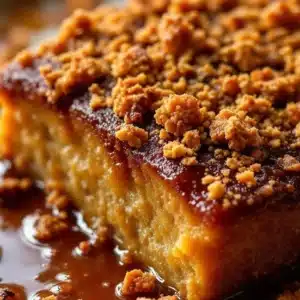
I ruined meatloaf for years before I finally made one worth eating. Not a little bit ruined—like, hockey-puck-on-a-plate ruined, or that weird gray-pink situation where the inside is somehow both raw and dry at the same time. I honestly thought I just wasn’t a meatloaf person. Turns out, I was just making it wrong. This classic meatloaf with brown sugar glaze is the one that changed everything.
The first time I got it right, I stood at the counter eating a slice straight from the pan—no plate, no fork, just me and this sticky-sweet, perfectly tender loaf. My husband walked in and just laughed. That’s the kind of recipe this is. The kind that makes you forget your manners.
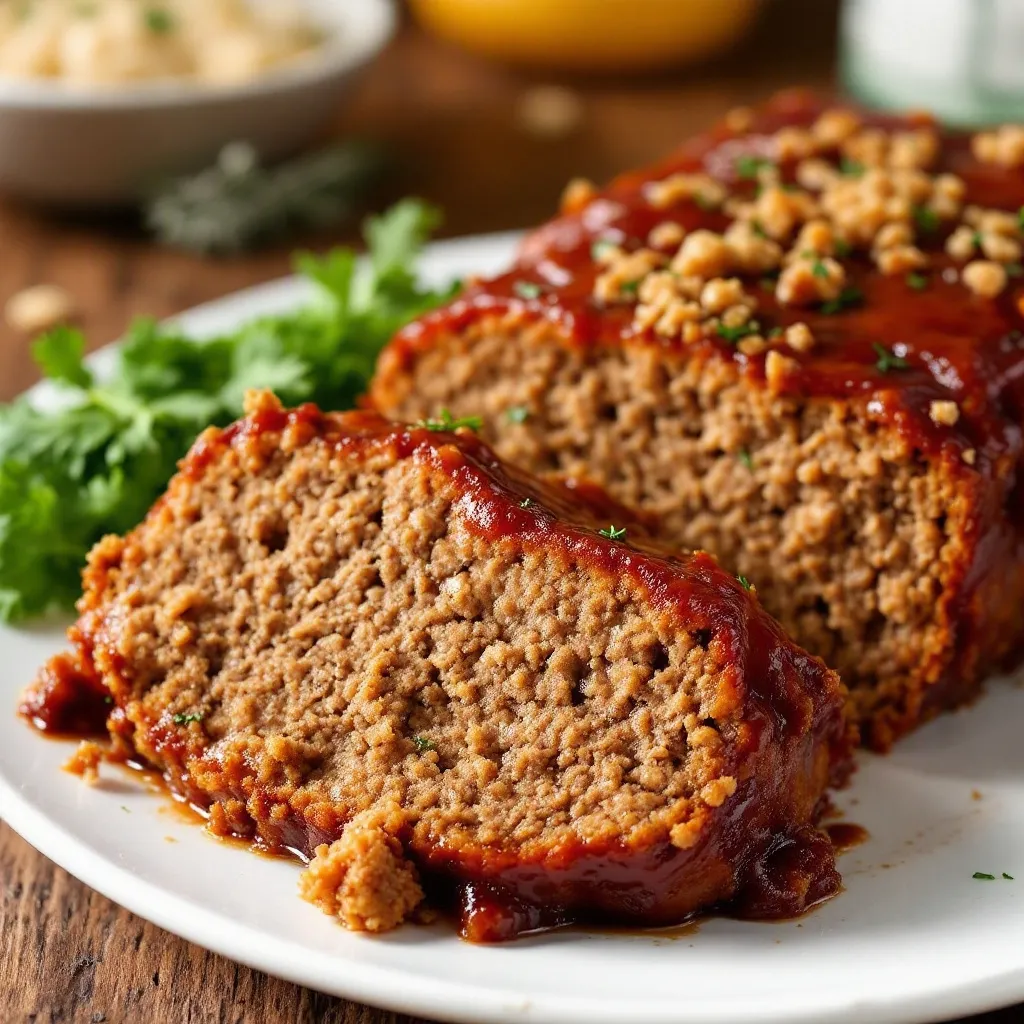
And the brown sugar glaze? That’s not a garnish—it’s the whole point. It caramelizes on top into this crackly, tangy-sweet crust that contrasts with the juicy meat underneath. I’ve tested this recipe maybe a dozen times (okay, more than a dozen) to get the balance just right. Not too sweet, not too ketchup-forward, just that perfect sticky glaze that makes you want to scrape the pan clean.
This isn’t fancy food. It’s honest, weeknight food that tastes like Sunday dinner. And honestly? That’s exactly what I needed to learn how to make.
Why You’ll Love This Recipe
Let me tell you why this meatloaf is different from every other recipe you’ve tried. I’ve burned through enough failed loaves to know what doesn’t work—and this one nails everything that does.
- Incredibly Moist, Never Dry : The secret is a panade (that’s fancy chef-speak for bread soaked in milk) and the right meat-to-fat ratio. No more sawdust-textured leftovers.
- Simple Pantry Ingredients : Ground beef, breadcrumbs, eggs, ketchup, brown sugar—you probably have everything already. No specialty grocery runs required.
- That Brown Sugar Glaze Though : It’s not just a topping. It bakes into a caramelized crust that adds texture and flavor in every single bite.
- Perfect for Meal Prep : This meatloaf tastes even better the next day. Slice it for sandwiches, crumble it over pasta, or just reheat and eat.
- Family-Approved by Picky Eaters : My kids used to push meatloaf around their plates. Now they ask for seconds. That’s the kind of win you want.
What makes this version stand out from the crowd? It’s the technique. Most recipes skip the panade or use too much filler. I tested the ratios until the texture was exactly right—firm enough to slice cleanly, tender enough to melt in your mouth. And that glaze? I tweaked the brown sugar to ketchup ratio until it hit that perfect sweet-tangy spot. This isn’t just another meatloaf recipe. It’s the one I wish I’d had ten years ago.
This is the kind of dinner that makes you close your eyes after the first bite. It’s comfort food at its finest—simple, satisfying, and made with love. Whether you’re feeding a crowd or just craving something cozy, this meatloaf delivers.
What Ingredients You Will Need
This recipe uses straightforward ingredients to build big flavor. Nothing fussy, nothing hard to find—just staples that work together beautifully.
For the Meatloaf
- Ground beef (2 lbs) – I recommend 80/20 for the best balance of flavor and moisture. Leaner blends work, but the meatloaf won’t be as tender. (Trust me on this one—I learned the hard way.)
- Breadcrumbs (1 cup) – Plain or Italian-style both work. Panko gives a lighter texture; regular breadcrumbs make it more traditional. Use gluten-free breadcrumbs if needed.
- Whole milk (½ cup) – This soaks into the breadcrumbs to create a panade, which keeps the meatloaf incredibly moist. No milk? Use buttermilk or even beef broth.
- Eggs (2 large) – They bind everything together. Room temperature eggs mix more evenly, but cold eggs work in a pinch.
- Yellow onion (1 medium, finely diced) – Sauté it first! Raw onion releases too much water and makes the meatloaf soggy. I learned this after one too many sad, wet loaves.
- Garlic (3 cloves, minced) – Fresh garlic adds so much more depth than powder. Don’t skip it.
- Ketchup (¼ cup) – Adds moisture and a subtle sweetness. I use Heinz, but any brand works.
- Worcestershire sauce (2 tablespoons) – This is the umami bomb. Don’t leave it out.
- Dijon mustard (1 tablespoon) – Adds a little tang and depth. Yellow mustard works too, but Dijon is smoother.
- Salt (1 teaspoon) – Use kosher salt for the best flavor distribution.
- Black pepper (½ teaspoon) – Freshly ground is always better.
- Dried thyme (1 teaspoon) – Earthy and aromatic. Fresh thyme works too—use 1 tablespoon.
- Dried parsley (1 teaspoon) – For a little color and freshness.
For the Brown Sugar Glaze
- Ketchup (¾ cup) – The base of the glaze. Don’t use reduced-sugar ketchup here; you need the full sweetness.
- Brown sugar (⅓ cup, packed) – Light or dark brown sugar both work. Dark brown gives a deeper, more molasses-y flavor.
- Apple cider vinegar (1 tablespoon) – Cuts through the sweetness and adds tang. White vinegar works too, but apple cider is milder.
- Worcestershire sauce (1 teaspoon) – Another layer of savory depth.
- Garlic powder (½ teaspoon) – Just a hint of savory to balance the sugar.
I recommend using a good-quality ketchup like Heinz or Annie’s for the glaze—cheaper brands can be watery and thin. And please, please pack your brown sugar firmly into the measuring cup. It makes a real difference in the glaze’s thickness.
Equipment Needed
You don’t need a fancy kitchen to make this meatloaf. Here’s what you’ll need:
- Large mixing bowl – Big enough to get your hands in there. Mixing with your hands is the best way to combine everything without overworking the meat.
- 9×5-inch loaf pan – Standard size works perfectly. Line it with parchment paper for easy cleanup.
- Baking sheet – Place the loaf pan on a baking sheet to catch any drips. Trust me, there will be drips.
- Small skillet – For sautéing the onion and garlic. Nonstick or stainless steel both work.
- Small bowl – For mixing the glaze.
- Measuring cups and spoons – Precise measurements matter here.
- Chef’s knife and cutting board – For dicing the onion and mincing the garlic.
- Meat thermometer – This is non-negotiable for perfectly cooked meatloaf. I use a simple instant-read thermometer.
If you don’t have a loaf pan, you can shape the meatloaf free-form on a parchment-lined baking sheet. It’ll cook a little faster, so start checking the temperature at 45 minutes. I’ve done it both ways, and honestly? The free-form version gets more of that caramelized glaze on the edges. Not a bad trade-off.
Preparation Method
Let’s walk through this step by step. I’ll tell you exactly what to look for at each stage so you know you’re on the right track.
Step 1: Preheat and Prep
Preheat your oven to 350°F (175°C). Line your loaf pan with parchment paper, leaving some overhang on the sides—this makes lifting the meatloaf out so much easier. Place the loaf pan on a baking sheet to catch any bubbling glaze.
Step 2: Sauté the Aromatics
Heat 1 tablespoon of olive oil in a small skillet over medium heat. Add the diced onion and cook for 4-5 minutes until it’s soft and translucent—not brown. Add the minced garlic and cook for another 30 seconds until fragrant. Set aside to cool. (Hot onions will cook the eggs, so let them cool for at least 5 minutes.)
Step 3: Make the Panade
In your large mixing bowl, combine the breadcrumbs and milk. Stir and let it sit for 5 minutes. The breadcrumbs will absorb the milk and turn into a thick, paste-like mixture. This is your panade, and it’s the secret to moist meatloaf. I used to skip this step and wonder why my meatloaf was dry. Don’t be like past me.
Step 4: Mix the Meatloaf Base
To the panade, add the eggs, ketchup, Worcestershire sauce, Dijon mustard, salt, pepper, thyme, and parsley. Stir until well combined. This ensures the seasonings are evenly distributed before you add the meat.
Step 5: Add the Meat
Add the ground beef and the cooled sautéed onions and garlic. Now comes the important part: mix gently. Use your hands to combine everything, but stop as soon as it’s mixed. Overworking the meat makes meatloaf tough. You want it just combined—no streaks of breadcrumb mixture, but don’t knead it like dough.
Step 6: Shape the Loaf
Transfer the meat mixture to your prepared loaf pan. Press it in gently—don’t pack it down hard. Shape it into an even loaf, slightly mounded in the center. This helps it cook evenly and gives you that nice domed top.
Step 7: Make the Glaze
In a small bowl, whisk together the ketchup, brown sugar, apple cider vinegar, Worcestershire sauce, and garlic powder. Stir until the brown sugar is mostly dissolved. It should look glossy and smell sweet-tangy.
Step 8: Apply the Glaze
Spoon about half the glaze over the top of the meatloaf, spreading it evenly. Reserve the rest for later. Don’t drown it—you want a nice even layer that will caramelize as it bakes.
Step 9: Bake
Place the loaf pan (on the baking sheet) in the preheated oven. Bake for 45 minutes. After 45 minutes, carefully remove the pan from the oven and spread the remaining glaze over the top. Return to the oven and bake for another 15-20 minutes.
Step 10: Check Temperature
This is the most important step. Insert an instant-read thermometer into the center of the meatloaf. You’re looking for 160°F (71°C). Don’t guess—use the thermometer. I’ve pulled meatloaf out at 155°F thinking it looked done, and it was still a little under in the middle. At 160°F, you’re safe and perfectly cooked.
Step 11: Rest and Serve
Let the meatloaf rest in the pan for 10-15 minutes. This is crucial—the juices need time to redistribute. If you slice it right away, it’ll fall apart. Use the parchment paper to lift the meatloaf out of the pan, transfer to a cutting board, and slice into 1-inch thick pieces.
The glaze should be sticky and caramelized on top, with the inside tender and juicy. If you see any pinkness, pop it back in the oven for 5 more minutes and check again.
Cooking Tips & Techniques
After making this recipe more times than I care to count, here’s what I’ve learned:
Don’t skip the panade. I know it seems like an extra step, but breadcrumbs alone don’t hold moisture the same way. The milk-soaked breadcrumbs create a barrier that keeps the meat juices locked in. I once forgot the milk and just used dry breadcrumbs—the meatloaf was edible, but it wasn’t the same.
Use your hands to mix. A spoon or spatula doesn’t distribute the ingredients evenly. But here’s the trick: wet your hands first. The meat won’t stick to your fingers, and you’ll get a better mix without overworking it.
Let the meat come to room temperature. Cold ground beef straight from the fridge doesn’t mix evenly and can lead to uneven cooking. Let it sit on the counter for 15-20 minutes before you start mixing. Not longer than that—food safety matters.
Line your pan with parchment. This was a game-changer for me. No more scrubbing baked-on glaze off the pan. Just lift the meatloaf out and you’re done. Plus, it makes slicing easier because you can transfer the whole loaf to a cutting board without it breaking apart.
Brush the glaze in layers. Applying half the glaze halfway through baking and the rest at the end creates that thick, caramelized crust. If you put all the glaze on at the beginning, it just runs off and burns on the pan. I learned this after scraping burnt sugar off my baking sheet more times than I’d like to admit.
Let it rest. I know you’re hungry. I know it smells amazing. But slicing into it immediately will give you a crumbly mess. Ten minutes of patience gives you clean slices that hold their shape.
Variations & Adaptations
This recipe is flexible—here are some ways to make it your own:
Turkey Meatloaf
Swap the ground beef for ground turkey (93/7 works best). Add 2 tablespoons of olive oil to the mixture since turkey is leaner and needs the extra moisture. Cook to 165°F instead of 160°F. It won’t be quite as rich, but it’s still delicious.
Gluten-Free Version
Use gluten-free breadcrumbs or crushed gluten-free crackers. I’ve used crushed pork rinds too—it gives a different texture but works surprisingly well. Make sure your Worcestershire sauce is gluten-free (Lea & Perrins is).
Cheesy Stuffed Meatloaf
Press half the meat mixture into the pan, make a shallow well down the center, and fill with shredded cheddar or mozzarella. Top with the remaining meat mixture, seal the edges, and bake as directed. The melted cheese in the middle is pure comfort.
Spicy Kick
Add 1 tablespoon of sriracha or your favorite hot sauce to the meat mixture, and stir a pinch of cayenne into the glaze. The brown sugar balances the heat beautifully.
BBQ Glaze Variation
Replace the ketchup in the glaze with your favorite BBQ sauce and reduce the brown sugar to 2 tablespoons. It gives a smokier, tangier finish that’s perfect for summer.
I’ve tried the cheesy stuffed version for a dinner party and it was a hit. The cheese oozes out when you slice it—just be careful not to overstuff or it’ll leak everywhere during baking.
Serving & Storage Suggestions
This meatloaf is versatile enough for any occasion. Here’s how to serve and store it:
Serving Temperature: Serve warm, right after the resting period. The glaze is at its stickiest and the meat is at its juiciest. Leftovers are fantastic cold in sandwiches, though.
Classic Sides: Mashed potatoes and green beans are the traditional pairing, and for good reason. The creamy potatoes soak up any extra glaze, and the green beans add a fresh contrast. For a lighter option, try a simple side salad or roasted vegetables. If you’re planning a bigger spread, this meatloaf pairs beautifully with a side of lemon herb salmon for a surf-and-turf twist, or keep it cozy with slow cooker honey garlic chicken on the side for variety.
Beverage Pairing: A glass of red wine—something like a Zinfandel or Merlot—complements the richness. For non-alcoholic options, iced tea or a cucumber mint green tea cooler cuts through the sweetness nicely.
Storage: Store leftover meatloaf in an airtight container in the refrigerator for up to 4 days. Keep it whole or slice it first—both work. The glaze will soften a bit, but the flavor holds up beautifully.
Freezing: This meatloaf freezes like a dream. Wrap the cooled, unsliced loaf tightly in plastic wrap, then foil, and freeze for up to 3 months. Thaw overnight in the refrigerator before reheating. You can also freeze individual slices for quick lunches.
Reheating: For best results, reheat slices in a 350°F oven for 10-15 minutes, or in a skillet over medium heat with a splash of water or ketchup. The microwave works in a pinch, but the texture won’t be as good.
Flavor Development: Honestly, this meatloaf tastes even better the next day. The flavors meld together overnight, and the texture firms up just enough for perfect sandwich slices. I often make it a day ahead on purpose.
Nutritional Information & Benefits
Here’s the estimated nutritional breakdown per serving (based on 8 servings):
- Calories: 385
- Protein: 28g
- Fat: 18g
- Carbohydrates: 22g
- Fiber: 1g
- Sugar: 14g
- Sodium: 780mg
Health Benefits: Ground beef is an excellent source of protein, iron, and B vitamins, especially B12. The onions and garlic provide antioxidants and anti-inflammatory compounds. While this isn’t a health food, it’s a balanced meal when paired with vegetables and whole grains.
Dietary Considerations: This recipe is not gluten-free as written, but it’s easy to adapt (see variations above). It’s also nut-free and can be made dairy-free by using a dairy-free milk alternative in the panade. For a lower-sodium version, reduce the salt to ½ teaspoon and use low-sodium ketchup.
Allergens: Contains gluten (breadcrumbs), dairy (milk), and eggs. Adjust as needed for your dietary needs.
I’m not a nutritionist, but I believe in balance. This meatloaf is a treat—something to enjoy with family, not something to stress over. Pair it with a big salad or roasted veggies and you’ve got a meal that’s both satisfying and sensible.
Conclusion
This classic meatloaf with brown sugar glaze is the recipe I wish I’d had from the start. It’s forgiving enough for beginners, impressive enough for guests, and comforting enough to become a regular in your dinner rotation. The glaze caramelizes into a sticky-sweet crust, the inside stays tender and juicy, and every bite tastes like home.
Don’t be afraid to make it your own. Swap the herbs, try different glazes, stuff it with cheese—this recipe is a starting point, not a rulebook. The best version is the one that makes you happy.
I’d love to hear how yours turns out. Did you try a variation? Did the glaze come out perfectly? Drop a comment below and let me know. And if you’re looking for more comforting dinner ideas, browse the full recipe collection for inspiration. Happy cooking!
Frequently Asked Questions
Can I make this meatloaf without a loaf pan?
Absolutely. Shape the meat mixture into a free-form loaf on a parchment-lined baking sheet. It’ll cook a bit faster (start checking at 45 minutes), and you’ll get more caramelized glaze on the edges. Just make sure the internal temperature reaches 160°F.
Why is my meatloaf dry?
Most likely one of three things: you used lean ground beef (90/10 or leaner), you overmixed the meat, or you overcooked it. Stick with 80/20 beef, mix gently until just combined, and use a meat thermometer to pull it at exactly 160°F.
Can I prepare this meatloaf ahead of time?
Yes! Mix the meatloaf, shape it in the pan, and refrigerate (unbaked) for up to 24 hours. Add the glaze just before baking. You may need to add 10-15 minutes to the baking time since the meat starts cold.
Can I use ground pork or veal instead of beef?
Yes, a mix of meats works great. Try half beef, half pork for extra richness, or use all veal for a lighter flavor. Just keep the fat content in mind—pork is fattier, so the meatloaf will be more tender.
How do I prevent the glaze from burning?
Apply the glaze in two stages (half at the start, half at the end) and keep an eye on it during the last 15 minutes. If the top is browning too quickly, tent the pan loosely with foil. Every oven runs a little differently, so adjust as needed.
Pin This Recipe!
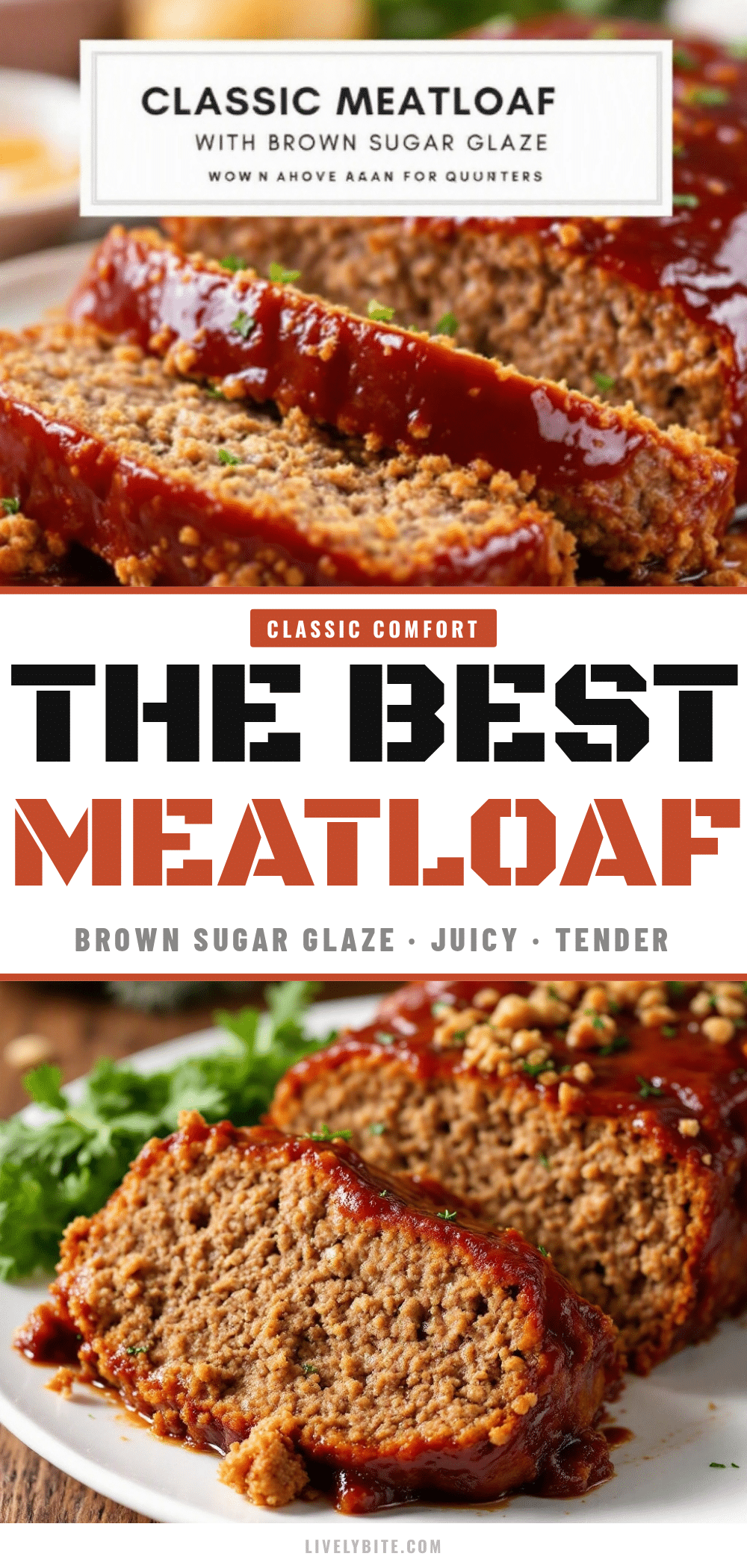
Best Classic Meatloaf with Brown Sugar Glaze Recipe

This classic meatloaf with brown sugar glaze is incredibly moist, tender, and topped with a caramelized sweet-tangy crust. Made with simple pantry ingredients, it’s the perfect weeknight dinner that tastes like Sunday comfort food.
- Prep Time: 20 minutes
- Cook Time: 60 minutes
- Total Time: 1 hour 20 minutes
- Yield: 8 servings 1x
- Category: Main Course
- Cuisine: American
Ingredients
- 2 lbs ground beef (80/20)
- 1 cup breadcrumbs (plain or Italian-style)
- ½ cup whole milk
- 2 large eggs
- 1 medium yellow onion, finely diced
- 3 cloves garlic, minced
- ¼ cup ketchup
- 2 tablespoons Worcestershire sauce
- 1 tablespoon Dijon mustard
- 1 teaspoon kosher salt
- ½ teaspoon black pepper, freshly ground
- 1 teaspoon dried thyme
- 1 teaspoon dried parsley
- ¾ cup ketchup (for glaze)
- ⅓ cup brown sugar, packed (for glaze)
- 1 tablespoon apple cider vinegar (for glaze)
- 1 teaspoon Worcestershire sauce (for glaze)
- ½ teaspoon garlic powder (for glaze)
Instructions
- Preheat oven to 350°F (175°C). Line a 9×5-inch loaf pan with parchment paper, leaving overhang on the sides. Place the loaf pan on a baking sheet.
- Heat 1 tablespoon olive oil in a small skillet over medium heat. Add diced onion and cook for 4-5 minutes until soft and translucent. Add minced garlic and cook for 30 seconds until fragrant. Set aside to cool for at least 5 minutes.
- In a large mixing bowl, combine breadcrumbs and milk. Stir and let sit for 5 minutes until the breadcrumbs absorb the milk and form a thick paste (panade).
- To the panade, add eggs, ¼ cup ketchup, 2 tablespoons Worcestershire sauce, Dijon mustard, salt, pepper, thyme, and parsley. Stir until well combined.
- Add ground beef and cooled sautéed onions and garlic. Mix gently with your hands until just combined—do not overwork.
- Transfer the meat mixture to the prepared loaf pan. Press gently into an even loaf, slightly mounded in the center.
- In a small bowl, whisk together ¾ cup ketchup, brown sugar, apple cider vinegar, 1 teaspoon Worcestershire sauce, and garlic powder until the brown sugar is mostly dissolved.
- Spoon about half the glaze over the top of the meatloaf, spreading evenly. Reserve the remaining glaze.
- Bake for 45 minutes. Carefully remove from oven and spread the remaining glaze over the top. Return to oven and bake for another 15-20 minutes.
- Insert an instant-read thermometer into the center of the meatloaf. It should read 160°F (71°C).
- Let the meatloaf rest in the pan for 10-15 minutes. Use the parchment paper to lift it out, transfer to a cutting board, and slice into 1-inch thick pieces.
Notes
Don’t skip the panade—it keeps the meatloaf moist. Use 80/20 ground beef for best results. Let the meatloaf rest for 10-15 minutes before slicing to allow juices to redistribute. For a free-form loaf, shape on a parchment-lined baking sheet and start checking temperature at 45 minutes. Leftovers taste even better the next day.
Nutrition
- Serving Size: 1 slice (1/8 of loaf
- Calories: 385
- Sugar: 14
- Sodium: 780
- Fat: 18
- Saturated Fat: 7
- Carbohydrates: 22
- Fiber: 1
- Protein: 28
Keywords: meatloaf, classic meatloaf, brown sugar glaze, comfort food, ground beef, easy dinner, family dinner, weeknight meal