November rain taps against the windowpane, steady and cold, while the house smells like sage and browned butter. It is late afternoon, the light turning that particular gray-blue that makes everything feel suspended in time. The oven hums, a low mechanical warmth that fights off the chill seeping through the glass. I don’t want a feast right now. I don’t want the pressure of stuffing every square inch of the table with heavy, rich dishes that leave you feeling sluggish before dessert even arrives. What I want is this: roasted butternut squash, sweet and smoky, resting on a bed of greens that actually feel light on the stomach.
There is a specific kind of peace in peeling a butternut squash when the rest of the world is rushing toward the holidays. Your hands get sticky, your nails fill with orange dust, and for a few minutes, you are just connected to the earth. This salad isn’t about perfection. It’s about that first bite of warm vegetable against cool, crisp kale, dressed in a vinaigrette that wakes up your palate. It feels like a deep breath. It feels like you can actually enjoy the dinner without the inevitable food coma.
I’ve made this healthy roasted butternut squash thanksgiving salad a dozen times this season. Sometimes I add walnuts, sometimes I skip the cheese, but the core remains the same. It is simple. It is honest. It doesn’t try to be anything other than what it is: a side dish that steals the show. If you are looking for a way to balance out the heaviness of the main course, this is it. It’s the kind of recipe that sticks with you, not because it’s complicated, but because it tastes like comfort without the guilt.
Why You’ll Love This Recipe
Let’s face it, holiday sides often fall into two categories: either they are incredibly delicious but leave you feeling like you need a nap immediately after eating, or they are “healthy” but taste like sadness and boiled cardboard. This recipe sits squarely in the middle, leaning heavily toward the delicious side while keeping the nutritional profile bright and airy. I spent years testing different ways to roast squash, trying to get that perfect balance of caramelized edges and creamy centers without it turning into mush. What I landed on here is the sweet spot.
- Quick & Easy: The entire process takes about 45 minutes, mostly hands-off roasting time. This means you aren’t stuck in the kitchen when you should be hosting or relaxing. It is perfect for busy weeknights or last-minute Thanksgiving prep when the oven is already full.
- Simple Ingredients: You likely have everything you need right now. No fancy grocery trips needed. Just squash, kale, a simple vinaigrette, and maybe some nuts or cheese if you have them. It relies on quality basics rather than obscure ingredients.
- Perfect for Thanksgiving: This is the ultimate bridge dish. It fits right into the holiday spread but offers a refreshing contrast to the heavy turkey and gravy. It brings color and crunch to the table.
- Crowd-Pleaser: Even the pickiest eaters usually warm up to roasted vegetables when they are sweetened by the oven’s heat. The combination of textures—crunchy nuts, soft squash, chewy cheese—keeps everyone interested.
- Unbelievably Delicious: The texture and flavor combo is next-level comfort food. The sweetness of the squash pairs beautifully with the peppery bite of the kale and the tang of the dressing.
What makes this different from the rest? It is the technique. Most people boil or steam their squash, which results in a bland, watery texture. By roasting it at a high heat, you caramelize the natural sugars. This isn’t just another version—it’s your best version. It’s the kind of salad that makes you close your eyes after the first bite. It is comfort food reimagined—healthier, faster, but with the same soul-soothing satisfaction.
What Ingredients You Will Need
This recipe uses simple, wholesome ingredients to deliver bold flavor and satisfying texture without the fuss. The magic here lies in the quality of the squash and the balance of the dressing. You don’t need expensive, hard-to-find items. In fact, the simpler the ingredients, the more they shine. I prefer using organic kale if I can find it, as the leaves tend to be less bitter and more tender, but standard curly kale works perfectly fine if you massage it properly.
Here is what you will need to pull this together:
- Butternut Squash (2 medium): Look for one that feels heavy for its size with a matte, tan skin. Peeled and cubed into 1-inch pieces. This is the star, so don’t skimp on quality.
- Kale (1 large bunch): Tuscan kale (lacinato) is my go-to because it holds up better to roasting and dressing, but curly kale works too. Remove the tough stems.
- Extra Virgin Olive Oil (3 tablespoons): Use a good quality oil here. It forms the base of the dressing and helps roast the squash. I recommend California Olive Ranch for a consistent, fruity flavor.
- Apple Cider Vinegar (2 tablespoons): Adds the necessary acidity to cut through the sweetness of the squash. Unfiltered is best for that extra depth.
- Honey or Maple Syrup (1 tablespoon): Just a touch to balance the vinegar. If you want it vegan, swap this for pure maple syrup.
- Dijon Mustard (1 teaspoon): This helps emulsify the dressing and adds a subtle kick. It’s a secret weapon for vinaigrettes.
- Garlic (2 cloves): Freshly minced. Do not use jarred garlic; the flavor difference is night and day.
- Walnuts or Pecans (1/2 cup): Toasted for crunch. Walnuts add an earthy note, while pecans add sweetness. Both are excellent.
- Feta or Goat Cheese (1/4 cup): Crumbled. The salty tang contrasts beautifully with the sweet squash. For a dairy-free option, use toasted pumpkin seeds.
- Salt and Black Pepper: To taste. Kosher salt is preferred for its even distribution.
If you are watching your sugar intake, you can reduce the honey to half a teaspoon or omit it entirely, relying on the natural sweetness of the roasted squash. The key is to taste as you go. The ingredients are flexible, allowing you to use what is fresh in your local market.
Can I use frozen butternut squash?
You can, but the texture will be softer. If you must use frozen, thaw it completely and pat it very dry before roasting to ensure it caramelizes rather than steams.
What kind of greens work best?
While kale is traditional, you can substitute with spinach (add it at the very end so it wilts) or arugula for a peppery bite. Massaged kale holds its structure best.
Equipment Needed
You don’t need a fancy kitchen to make this salad. The core equipment is straightforward. A large rimmed baking sheet is essential for roasting the squash. I prefer a heavy-gauge sheet pan because it conducts heat evenly, preventing hot spots that can burn the edges. A standard aluminum sheet pan works fine, just keep an eye on them.
A sharp chef’s knife and a sturdy cutting board are necessary for prepping the squash. Butternut squash can be tricky to cut; using a stable board and a knife with a comfortable grip makes the job much safer. A microplane or fine grater is helpful if you want to zest some lemon into the dressing for extra brightness, though it is optional.
For mixing the dressing, a small jar with a tight-fitting lid is the most efficient tool. It allows you to shake everything together vigorously, creating a perfect emulsion without a whisk. A large mixing bowl is needed for tossing the kale and dressing. If you have a salad spinner, use it to dry the kale thoroughly; wet greens dilute the dressing and prevent the dressing from clinging properly.
Budget-friendly options: You don’t need a specific brand of pan. Any metal sheet pan will do. A mason jar works perfectly for the dressing. Avoid non-stick spray on your baking sheet; instead, use a light brush of olive oil or parchment paper for easy cleanup.
Preparation Method
Making this salad is a process of layers, but it comes together quickly once you get into the rhythm. Here is how to execute it perfectly.
- Preheat and Prep (5 minutes): Preheat your oven to 400°F (200°C). Line a large baking sheet with parchment paper for easy cleanup. While the oven heats, wash and dry the kale. Tear the leaves into bite-sized pieces, discarding the thick, woody stems. This step is crucial for texture.
- Peel and Cube the Squash (10 minutes): Peel the butternut squash using a vegetable peeler or a sharp knife. Slice off the top and bottom for stability. Cut it in half lengthwise, then scoop out the seeds with a spoon. Cut the flesh into 1-inch cubes. Try to keep them uniform so they roast evenly. If some pieces are smaller, they will cook faster, so group them together.
- Roast the Squash (25-30 minutes): Place the squash cubes on the baking sheet. Drizzle with 1 tablespoon of olive oil, sprinkle with a pinch of salt and pepper, and toss to coat. Spread them in a single layer with space between each piece. Crowding the pan will cause them to steam instead of roast. Roast for 25-30 minutes, flipping halfway through, until the edges are browned and a fork pierces through easily.
- Make the Dressing (2 minutes): While the squash roasts, combine the remaining 2 tablespoons of olive oil, apple cider vinegar, honey, Dijon mustard, and minced garlic in a small jar. Screw the lid on tight and shake vigorously until the mixture looks creamy and emulsified. Taste and adjust seasoning. You may need more salt or vinegar depending on your palate.
- Massage the Kale (2 minutes): Transfer the torn kale to a large bowl. Drizzle with a tiny splash of olive oil (about 1 teaspoon) and a pinch of salt. Use your hands to massage the kale for about 60 seconds. The leaves will darken and become softer. This breaks down the fiber and removes bitterness, making the salad much more pleasant to eat.
- Combine and Serve (3 minutes): Add the warm roasted squash to the massaged kale. Pour the dressing over the top. Gently toss to coat everything evenly. Top with toasted nuts and crumbled cheese. Serve immediately while the squash is still slightly warm. The heat from the squash will gently wilt the kale further, infusing it with flavor.
Pay attention to the smell during roasting; it should be sweet and nutty. If it smells burnt, your oven is too hot or the squash was left in too long. Trust your senses.
What if my squash isn’t tender?
If the cubes are still hard after 30 minutes, return them to the oven for 5 more minutes. Smaller cubes cook faster, so check them early.
Can I prep this ahead of time?
You can roast the squash and make the dressing up to 2 days in advance. Store them separately in airtight containers. Massage the kale the day of serving to ensure it stays crisp. Assemble just before eating.
Cooking Tips & Techniques
I learned the hard way that not all butternut squashes are created equal. Some are drier and sweeter, while others are watery and bland. To ensure success, choose a squash with a matte, tan skin rather than a shiny, light-colored one. The darker the skin, the riper and sweeter the flesh. Also, avoid squashes with soft spots or cracks, as these indicate spoilage inside.
One common mistake is under-seasoning the squash. Because squash is mild, it needs a good amount of salt to bring out its flavor. Don’t be shy with the seasoning. Another tip is to ensure your baking sheet is not overcrowded. If the cubes are touching, they will steam. Give them space to breathe and caramelize. The Maillard reaction—the browning that creates complex flavors—needs direct heat contact.
When massaging the kale, go slow. It might seem like you are destroying the leaves, but you are actually tenderizing them. Your hands should feel the texture change from rigid to pliable. This technique transforms kale from a tough, chewy green into something silky. If you skip this step, the salad will feel rough on the throat.
For the nuts, toasting them in a dry pan over medium heat for 3-5 minutes before adding them to the salad unlocks their essential oils and adds a deeper, richer flavor. It takes less than five minutes and makes a huge difference. Keep a close eye on them, as nuts can go from toasted to burnt in seconds.
How do I know when the dressing is emulsified?
The oil and vinegar will separate if left standing. When shaken, the mixture should look opaque and slightly thickened, holding together for a few seconds before separating. This indicates a stable emulsion.
Why does my kale look wilted after dressing?
This is normal. The acid in the vinegar and the salt draw out moisture from the leaves. The massaging process also breaks down cell walls. This is what makes the salad easy to digest and pleasant to eat.
Variations & Adaptations
One of the best things about this healthy roasted butternut squash thanksgiving salad is its versatility. You can adapt it to fit your dietary needs or whatever is in your fridge. Here are a few variations I love:
- Gluten-Free & Vegan: This recipe is naturally gluten-free. To make it vegan, omit the feta cheese and use maple syrup instead of honey. Add roasted chickpeas for extra protein and crunch. They absorb the dressing beautifully and add a hearty texture.
- Protein-Packed: Add grilled chicken breast, sliced turkey, or roasted chickpeas. For a plant-based protein boost, toss in some quinoa or farro. This turns the salad into a complete main course, perfect for lunch the next day.
- Seasonal Twist: In the fall, add dried cranberries or pomegranate seeds for a burst of tartness. In winter, try adding roasted Brussels sprouts or sweet potatoes alongside the squash. The flavor profiles complement each other well.
- Cheese Swap: If you don’t like feta, try shaved Parmesan, goat cheese, or even a crumbled blue cheese for a stronger flavor profile. Each cheese brings a different character to the dish.
- Nut Alternative: If you have nut allergies, use pumpkin seeds (pepitas) or sunflower seeds. They provide the necessary crunch without the allergen risk.
I once tried adding bacon bits to this salad, and while it was delicious, it clashed with the light, fresh vibe I was going for. Stick to the nuts or seeds for the best balance. You can also add a sliced avocado right before serving for creaminess, though it pairs better with a lime-based dressing.
Can I use sweet potatoes instead?
Yes, but sweet potatoes take longer to roast. Cube them slightly larger and roast for 35-40 minutes. They are sweeter, so you may want to reduce the honey in the dressing.
What if I don’t have apple cider vinegar?
White wine vinegar or red wine vinegar works well. Lemon juice is another good option, adding a brighter, citrusy note. Avoid balsamic vinegar as it is too sweet and dark for this specific flavor profile.
Serving & Storage Suggestions
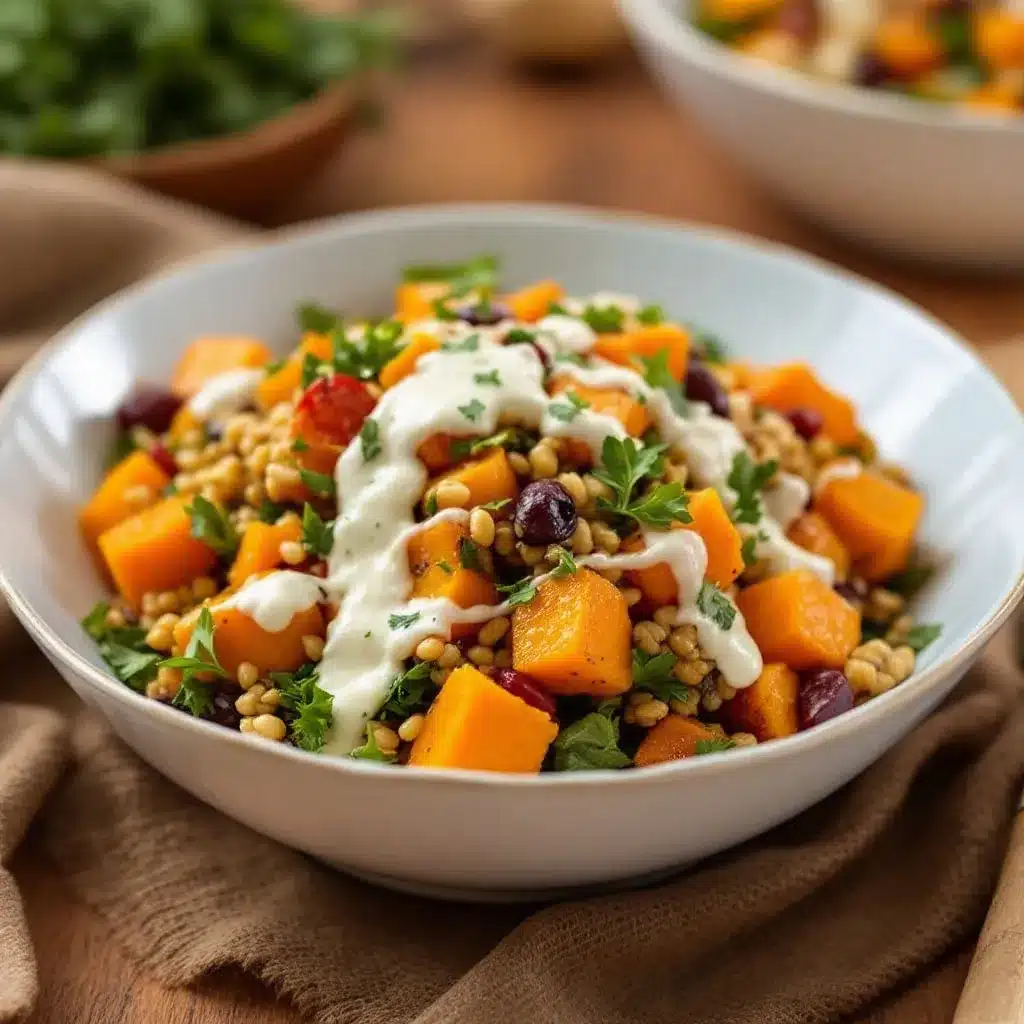
This salad is best served immediately after assembly, while the squash is still warm. The contrast between the warm vegetables and the cool, crisp greens is the highlight of the dish. For presentation, serve it in a wide, shallow bowl to showcase the colors. The orange of the squash, the green of the kale, and the white of the cheese create a visually appealing palette.
It pairs wonderfully with roasted turkey, glazed ham, or even a hearty vegetarian main dish like mushroom Wellington. For a beverage pairing, try a crisp white wine like Sauvignon Blanc or a sparkling cider. The acidity in the drink complements the vinaigrette.
Leftovers can be stored in an airtight container in the refrigerator for up to 3 days. The flavors actually meld and improve slightly after a day. To reheat, you can warm the squash portion in the microwave for 30-60 seconds, then toss it with the cold greens and fresh dressing. Alternatively, eat it cold as a lunch salad; the kale holds up well to refrigeration.
Do not freeze this salad, as the kale will become mushy and the texture of the squash will change upon thawing. For best results, store the components separately if you know you won’t eat it all at once.
How do I keep the nuts crunchy?
Add the nuts just before serving. If you mix them in ahead of time, they will absorb moisture from the dressing and become soft.
Can I meal prep this?
Yes. Roast the squash and make the dressing on Sunday. Store them in separate containers. When ready to eat, massage a fresh batch of kale and toss it with the squash and dressing. It makes for a quick, healthy weekday lunch.
Nutritional Information & Benefits
This salad is not just delicious; it is packed with nutrients. Butternut squash is an excellent source of Vitamin A, which is essential for eye health and immune function. It also provides Vitamin C and potassium. The kale is a nutrient powerhouse, rich in Vitamins K, A, and C, as well as antioxidants like lutein and zeaxanthin.
The olive oil in the dressing provides healthy monounsaturated fats, which aid in the absorption of fat-soluble vitamins from the vegetables. The nuts add healthy omega-3 fatty acids and protein. Overall, this dish is balanced, offering a good mix of carbohydrates, fats, and fiber.
For those watching their calorie intake, this salad is relatively light, especially if you control the amount of dressing and cheese. It is naturally gluten-free and can be made vegan. The fiber content helps with digestion and keeps you feeling full longer, preventing overeating during the holidays.
From a wellness perspective, eating colorful vegetables is crucial for reducing inflammation in the body. The antioxidants in the squash and kale help combat oxidative stress. It’s a simple way to support your health while enjoying a flavorful meal.
Is this salad low-carb?
Butternut squash contains natural sugars, so it is not strictly low-carb. However, it is a complex carbohydrate with a moderate glycemic index, especially when paired with fiber and fat. For a lower-carb option, reduce the portion of squash and increase the greens and nuts.
What are the main allergens?
The recipe contains tree nuts (walnuts/pecans) and dairy (feta/goat cheese). It can be easily modified to be nut-free and dairy-free using seeds and nutritional yeast or vegan cheese alternatives.
Conclusion
This healthy roasted butternut squash thanksgiving salad is more than just a side dish; it is a reminder that healthy eating can be deeply satisfying and beautiful. It brings warmth, color, and flavor to the table without the heaviness that often accompanies holiday meals. I love this recipe because it is forgiving and flexible. You can tweak it to suit your tastes, and it always turns out delicious.
I encourage you to try it this season. Don’t be afraid to experiment with the nuts, cheeses, or dressings. Make it your own. And when you do, I would love to hear how it turned out. Please leave a comment below with your thoughts or share your variations. If you enjoy this recipe, consider sharing it with a friend who needs some healthy inspiration. Cooking is better when shared.
Thank you for joining me in the kitchen. I hope this salad brings a little bit of peace and joy to your holiday table. Happy cooking!
FAQs
How do I peel a butternut squash easily?
Peel it while the squash is still raw using a sturdy vegetable peeler. If it is too hard, you can microwave it for 2-3 minutes to soften the skin slightly, making it easier to peel. Always cut off the top and bottom first to create a stable base.
Can I make this salad ahead of time?
Yes, you can prep most components ahead. Roast the squash and make the dressing up to 2 days in advance. Massage the kale the day of serving. Assemble the salad just before eating to maintain the best texture and temperature contrast.
What is the best way to toast nuts for this salad?
Place the nuts in a dry skillet over medium heat. Stir frequently for 3-5 minutes until they are fragrant and lightly browned. Watch them closely, as they can burn quickly. Let them cool before adding to the salad.
Can I use a different type of vinegar?
Yes, white wine vinegar or red wine vinegar are good substitutes. Lemon juice also works well and adds a citrusy brightness. Avoid balsamic vinegar, as its strong flavor and sweetness may overpower the delicate balance of the salad.
How long does this salad last in the fridge?
Stored in an airtight container, this salad lasts for up to 3 days in the refrigerator. The flavors may meld over time, and the kale may soften further, but it remains safe and delicious to eat.
Pin This Recipe!
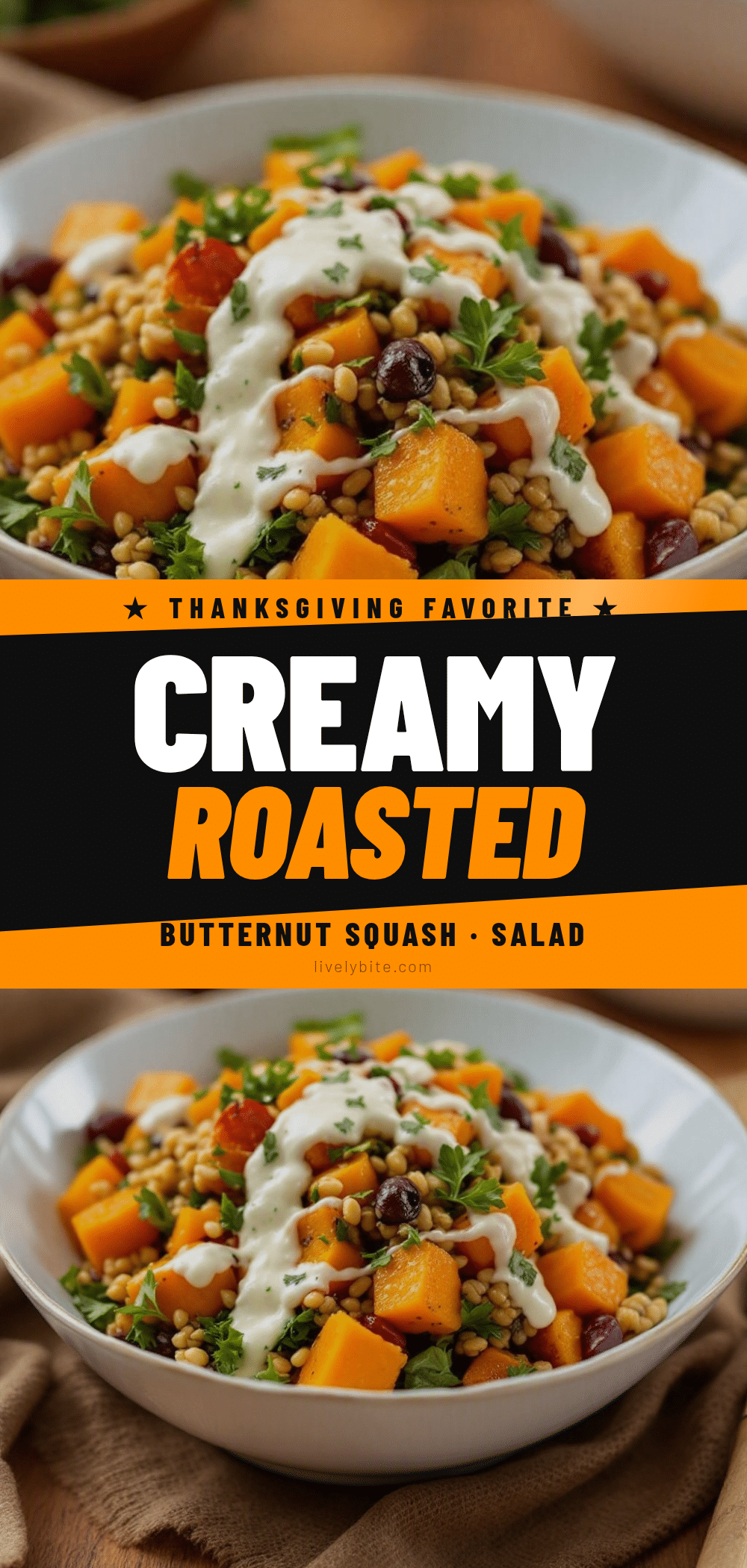
Healthy Roasted Butternut Squash Thanksgiving Salad
A light and flavorful side dish featuring caramelized roasted butternut squash tossed with massaged kale, a tangy apple cider vinaigrette, and crunchy toasted nuts.
- Prep Time: 15 minutes
- Cook Time: 30 minutes
- Total Time: 45 minutes
- Yield: 4 servings 1x
- Category: Side Dish
- Cuisine: American
Ingredients
- 2 medium butternut squash, peeled and cut into 1-inch cubes
- 1 large bunch kale (Tuscan or curly), stems removed and leaves torn
- 3 tablespoons extra virgin olive oil, divided
- 2 tablespoons apple cider vinegar
- 1 tablespoon honey or maple syrup
- 1 teaspoon Dijon mustard
- 2 cloves garlic, minced
- 1/2 cup walnuts or pecans, toasted
- 1/4 cup feta or goat cheese, crumbled
- Salt and black pepper to taste
Instructions
- Preheat oven to 400°F (200°C). Line a large baking sheet with parchment paper.
- Wash and dry the kale, tearing leaves into bite-sized pieces and discarding tough stems.
- Peel the butternut squash, remove seeds, and cut into 1-inch uniform cubes.
- Toss squash cubes with 1 tablespoon olive oil, salt, and pepper. Spread in a single layer on the baking sheet.
- Roast squash for 25-30 minutes, flipping halfway, until edges are browned and tender.
- While squash roasts, combine remaining 2 tablespoons olive oil, apple cider vinegar, honey, Dijon mustard, and garlic in a jar. Shake vigorously to emulsify.
- Place torn kale in a large bowl. Drizzle with 1 teaspoon olive oil and a pinch of salt. Massage kale with hands for 60 seconds until softened.
- Add warm roasted squash to the massaged kale. Pour dressing over and toss to coat.
- Top with toasted nuts and crumbled cheese. Serve immediately.
Notes
Massage the kale to break down fibers and reduce bitterness. Toast nuts in a dry pan for 3-5 minutes for extra flavor. Do not freeze this salad as kale will become mushy. Can be stored in the fridge for up to 3 days.
Nutrition
- Serving Size: 1 bowl
- Calories: 280
- Sugar: 12
- Sodium: 320
- Fat: 18
- Saturated Fat: 4
- Carbohydrates: 28
- Fiber: 6
- Protein: 6
Keywords: butternut squash, kale salad, thanksgiving side, healthy salad, roasted vegetables, gluten-free, vegan option