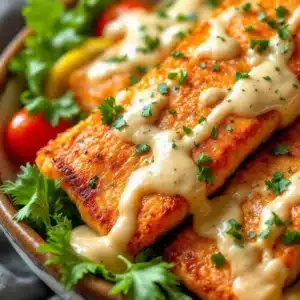
I did not trust salmon bites in a skillet. Honestly, I thought cutting a beautiful fillet into cubes sounded like a mistake until I watched the edges actually crisp up. For years, I treated salmon like a fragile thing. You know the type? You handle it with kid gloves, you worry about it falling apart, and you definitely don’t chop it into irregular chunks. My husband used to tease me about my reverence for the whole fillet. He would say, “It’s just fish, Sarah. Cut it up.” I would roll my eyes and proceed to pan-sear the whole thing with extreme caution.
The turning point wasn’t a fancy restaurant meal. It was a Tuesday night when I was running late. I had no time to monitor a large piece of fish. I needed something fast. I grabbed my knife, chopped the salmon into bite-sized pieces, and threw them in the pan. I didn’t move them for the first two minutes. I just stood there, waiting for the disaster. I expected mush. I expected rubbery little fish rocks.
Instead, I heard the sizzle. It was loud and aggressive, the good kind of sizzle. When I lifted a piece, it had a golden crust that held firm. The inside was still tender, but the outside had texture. That texture changed everything. I stopped worrying about the salmon breaking and started enjoying the crunch. The lemon garlic sauce didn’t just coat the fish; it clung to those crispy edges, creating little pockets of flavor in every bite.
I realized I had been overcomplicating dinner for no reason. This recipe isn’t about precision knife skills or delicate handling. It is about heat, oil, and letting the fish do its thing. Now, whenever I make crispy pan-seared salmon bites with lemon garlic sauce, I feel like I’ve cheated the system. It’s faster than a whole fillet, easier to eat, and somehow tastes more indulgent because of that crust. I still don’t chop my fish every day, but this method? It’s a permanent fixture in my weeknight rotation.
Why You’ll Love This Recipe
Let’s be real, most people have a love-hate relationship with cooking fish at home. You love the taste, but you hate the smell, the risk of it sticking, and the guesswork involved in knowing when it’s done. This recipe solves all of those problems by changing the geometry of the meal. By cutting the salmon into bites, you increase the surface area, which means more crust for the same amount of cooking time. It is a simple physics lesson that makes your dinner significantly better.
Here is why this specific version of crispy pan-seared salmon bites with lemon garlic sauce stands out from the rest:
- Quick & Easy: This comes together in under 15 minutes. I am talking about actual 15 minutes, including prep. It is perfect for busy weeknights when you are starving and have zero patience for slow-cooking methods.
- Simple Ingredients: You likely already have everything in your kitchen. Salmon, lemon, garlic, butter, and a few herbs. No fancy grocery trips needed. It relies on pantry staples to create a restaurant-quality finish.
- Perfect for Meal Prep: These bites are sturdy. Unlike a whole fillet that gets soggy or dry in the fridge, these bites hold their texture surprisingly well. They are great for tossing into salads or grain bowls the next day.
- Crowd-Pleaser: Kids often prefer bite-sized pieces because they feel safer and easier to manage. Adults love the concentrated flavor. It always gets rave reviews from both groups alike.
- Unbelievably Delicious: The texture and flavor combo is next-level comfort food. The contrast between the crispy exterior and the flaky interior, paired with the bright, tangy sauce, hits every note.
What makes this recipe different from the rest is the technique used for the sauce. Many recipes try to make a lemon garlic sauce by just squeezing juice into melted butter, which often results in a separated, oily mess. This method uses a quick emulsion technique with a splash of pasta water or fish stock to create a creamy, glossy sauce that actually sticks to the fish. It is the kind of detail that separates a home cook from a pro.
This recipe isn’t just good—it is the kind that makes you close your eyes after the first bite. It’s comfort food reimagined—healthier, faster, but with the same soul-soothing satisfaction. Perfect for impressing guests without stress, or turning a simple meal into something memorable.
What Ingredients You Will Need
This recipe uses simple, wholesome ingredients to deliver bold flavor and satisfying texture without the fuss. The beauty of salmon bites is that they act like sponges for the sauce, so the quality of your base ingredients matters more than usual. You do not need expensive, sustainably sourced luxury cuts for this. You need fresh, firm flesh that can withstand high heat.
Here is what you need to gather before you start:
- Salmon Fillets (1.5 lbs): Look for center-cut fillets. They are thicker and less likely to fall apart. I recommend Wild Alaskan salmon for the best texture, but farmed Atlantic works fine if you prefer a richer fat content. Make sure the fish is dry before cutting.
- Neutral Oil (2 tbsp): Avocado oil or light olive oil is best here. You need a high smoke point so the oil doesn’t burn when you sear the fish. Do not use extra virgin olive oil for the initial sear; it will smoke too much.
- Unsalted Butter (2 tbsp): This is added at the end to create the sauce base. Salted butter can work, but you will need to reduce the added salt in the seasoning. I prefer unsalted so I can control the sodium level.
- Garlic Cloves (4-5 cloves): Fresh garlic is non-negotiable. Powdered garlic lacks the aromatic punch needed for this sauce. Minced finely so it cooks quickly without burning.
- Fresh Lemon (1 large): You need both the zest and the juice. The zest provides the bright aroma, while the juice provides the acid to cut through the richness of the salmon and butter.
- Dijon Mustard (1 tsp): This is the secret ingredient. It helps emulsify the sauce and adds a subtle tang that complements the lemon without overpowering it. Use a good quality Dijon, like Maille or Grey Poupon.
- Fish Stock or Water (2 tbsp): A splash of liquid helps deglaze the pan and creates volume for the sauce. Fish stock adds more depth, but water works in a pinch.
- Red Pepper Flakes (1/4 tsp): Optional, but highly recommended. A tiny pinch adds a background warmth that balances the acidity of the lemon.
- Fresh Parsley (2 tbsp): Chopped finely. It adds color and a fresh, herbal note to finish the dish.
- Sea Salt and Black Pepper: To taste. Use flaky sea salt for finishing if you have it.
If you cannot find salmon, you can substitute with firm white fish like cod or halibut, though the cooking time may vary slightly. For a dairy-free option, swap the butter for olive oil or a plant-based butter alternative.
Equipment Needed
You do not need a fancy kitchen to make this work. In fact, keeping it simple helps you cook faster. The most important piece of equipment here is your skillet.
- Large Skillet (10-12 inches): A cast iron skillet is ideal because it holds heat well and promotes even browning. Stainless steel is also excellent if you are comfortable with it. Non-stick works, but you might not get as deep of a crust. Avoid small pans; the bites need room to breathe.
- Sharp Chef’s Knife: You need a sharp knife to cut the salmon cleanly. A dull knife will tear the fish, making it harder to get nice edges.
- Microplane or Zester: For getting that fine lemon zest. A standard grater works, but a microplane gives you the most aromatic zest without the bitter white pith.
- Tongs: Essential for flipping the bites without mashing them. Forks can pierce the fish and cause it to fall apart.
- Mixing Bowls: One medium bowl for tossing the salmon in seasoning, and one small bowl for whisking the sauce ingredients.
I used to use a cheap non-stick pan for this, and while it worked, the crust was pale and sad. Investing in a decent stainless steel or cast iron pan changed the game. You don’t need to spend a fortune; a well-seasoned cast iron skillet from a thrift store works perfectly. Just make sure it is clean and hot before you add the oil.
Preparation Method
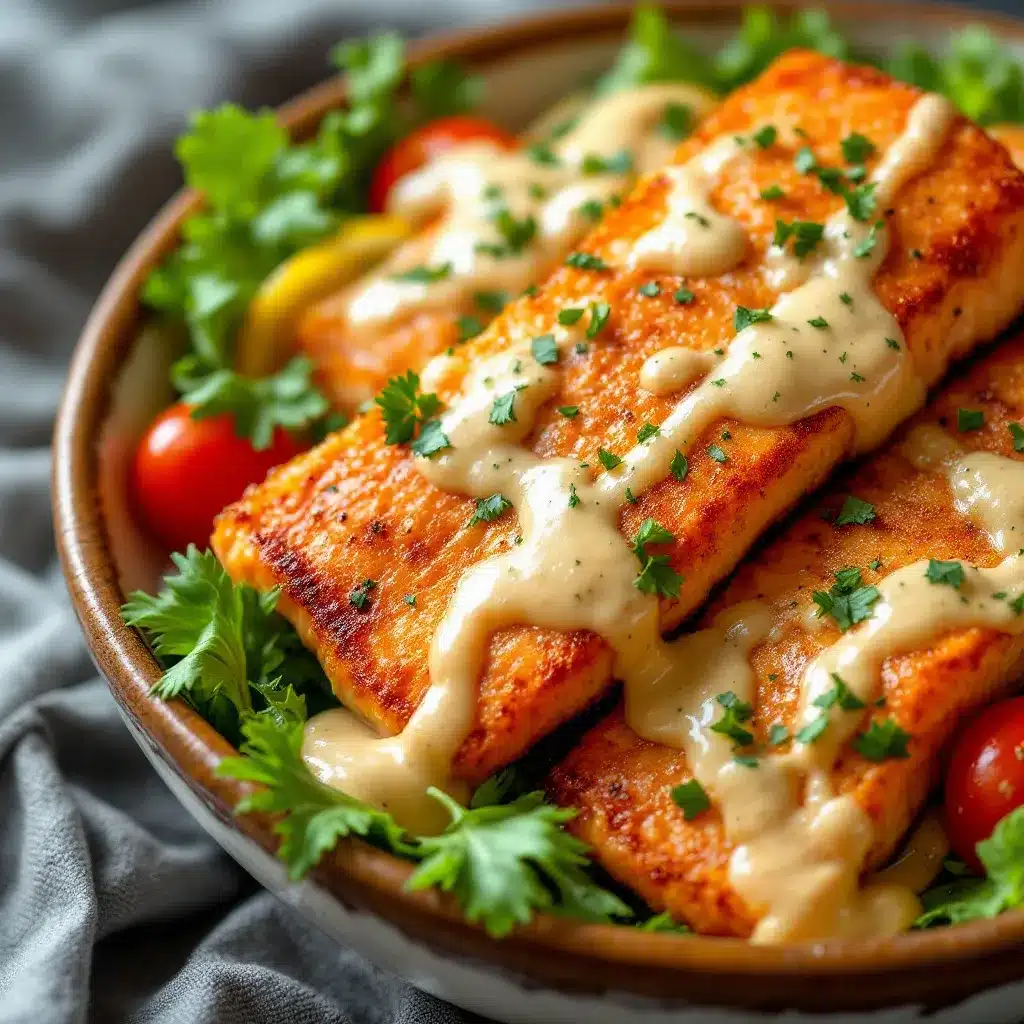
Let’s get into the nitty-gritty. This process is straightforward, but timing is everything. Follow these steps closely for the best results.
- Prep the Salmon (5 minutes): Pat the salmon fillets dry with paper towels. This is crucial. Moisture is the enemy of crispiness. If the fish is wet, it will steam instead of sear. Cut the fillets into 1-inch cubes. Try to keep them relatively uniform so they cook at the same rate. Place the cubes in a bowl and toss with 1 teaspoon of salt, 1/2 teaspoon of black pepper, and 1 tablespoon of neutral oil. Let them sit while you heat the pan.
- Heat the Pan (2 minutes): Place your large skillet over medium-high heat. Add the remaining 1 tablespoon of oil. Wait until the oil shimmers and just starts to ripple. If you flick a drop of water into the pan and it sizzles and evaporates immediately, you are ready. Do not skip this step. Cold oil leads to sticking.
- Sear the Bites (4-5 minutes): Carefully add the salmon cubes to the pan in a single layer. Do not crowd the pan. If you have a 10-inch pan, you might need to do this in two batches. Crowding steams the fish. Let them cook undisturbed for 2 minutes. You will see the sides turning opaque. Do not touch them. After 2 minutes, flip the bites. They should have a golden-brown crust. Cook for another 2-3 minutes until the fish is cooked through but still moist. The internal temperature should reach 145°F (63°C), though many chefs prefer 125°F (52°C) for a medium finish. Remove the salmon to a plate and set aside.
- Make the Sauce (2 minutes): Reduce the heat to medium-low. In the same pan, add the butter. Once melted, add the minced garlic and red pepper flakes. Sauté for 30 seconds until fragrant. Be careful not to burn the garlic. Add the lemon zest and cook for another 10 seconds. Pour in the lemon juice and fish stock. Let it bubble for 1 minute to reduce slightly.
- Emulsify and Finish (1 minute): Whisk in the Dijon mustard until the sauce is smooth and glossy. Taste the sauce. Add more salt or pepper if needed. Return the salmon bites to the pan. Toss gently to coat the fish in the sauce. The sauce should cling to the crispy edges. Remove from heat immediately.
- Garnish and Serve: Sprinkle with fresh chopped parsley. Serve immediately while the fish is still warm and the sauce is glossy.
Pro Tip: If the sauce looks too thin, let it bubble for an extra 30 seconds. If it looks too thick, add a splash more water. You want a consistency that coats the back of a spoon.
Cooking Tips & Techniques
Cooking salmon bites seems easy, but there are a few pitfalls that can ruin the dish. I have made them all, so you don’t have to.
- Don’t Move the Fish Too Early: The biggest mistake people make is flipping the salmon too soon. The fish needs to release from the pan naturally. If you try to lift it and it sticks, give it another 30 seconds. The crust will form, and then it will slide freely.
- Room Temperature Fish: If you have time, let the salmon sit out for 15 minutes before cooking. Cold fish hitting a hot pan can cause uneven cooking. It is not a dealbreaker, but it helps.
- Garlic Burn: Garlic burns very quickly. Once you add the garlic to the butter, keep the heat at medium-low and watch it like a hawk. If it turns brown, toss it out and start over. Burnt garlic tastes bitter and ruins the whole sauce.
- Dry is Right: I cannot stress this enough. Dry salmon. Use paper towels. Press them firmly against the fish. This step is the difference between a sear and a steam.
- Batch Cooking: If you have a small pan, cook in batches. It is tempting to cram everything in, but you will lose the crispiness. Better to cook two smaller batches than one soggy large one.
I once tried to rush this recipe by turning the heat to high. The outside burned before the inside was cooked. I learned my lesson. Medium-high is the sweet spot. It gives you time to develop color without charring the proteins too aggressively.
Variations & Adaptations
This recipe is a framework, not a rigid rulebook. Here are some ways to make it your own.
- Spicy Kick: Add 1 teaspoon of chili flakes to the sauce or use a spicy mayo as a dip. If you like heat, a squeeze of lime instead of lemon also works well with chili flakes.
- Herb Garden: Swap parsley for dill or cilantro. Dill is classic with salmon, while cilantro gives it a more Asian-inspired profile if you add a splash of soy sauce to the sauce.
- Gluten-Free: This recipe is naturally gluten-free. Just ensure your Dijon mustard and fish stock are certified gluten-free. Most are, but always check labels.
- Low-Carb/Keto: This is already low-carb. Serve it over cauliflower rice or zucchini noodles instead of pasta or rice for a complete keto meal.
- Veggie Boost: Toss in some asparagus spears or cherry tomatoes in the pan with the salmon during the last 2 minutes of cooking. They will roast in the salmon juices and sauce.
I often add a pinch of smoked paprika to the salmon seasoning for a deeper flavor profile. It mimics a grilled taste even when you are cooking on the stovetop. It is a small change that makes a big difference.
Serving & Storage Suggestions
This dish is best served immediately. The crispy texture is fleeting, and the sauce is meant to be warm and glossy.
- Serving Ideas: Serve over fluffy white rice, quinoa, or couscous to soak up the sauce. A side of steamed broccoli or roasted asparagus complements the lemon flavors perfectly. A crisp white wine, like a Sauvignon Blanc or Pinot Grigio, pairs beautifully with the acidity.
- Storage: Leftovers can be stored in an airtight container in the refrigerator for up to 2 days. The fish will firm up slightly, which is normal.
- Reheating: Do not microwave the salmon, or it will become rubbery. Reheat gently in a skillet over low heat with a splash of water or broth. This restores the moisture and warms the sauce without overcooking the fish.
- Flavor Development: The flavors meld nicely overnight, but the texture will suffer. If you meal prep, consider keeping the sauce separate and adding it fresh when you reheat.
I usually eat the leftovers cold over a salad the next day. The salmon bites hold up surprisingly well in a vinaigrette, acting almost like a protein-rich crouton.
Nutritional Information & Benefits
Salmon is a nutritional powerhouse. It is rich in omega-3 fatty acids, which are essential for heart and brain health. A single serving of this recipe provides a significant portion of your daily protein needs. The lemon adds vitamin C, which aids in iron absorption. The garlic has anti-inflammatory properties. Overall, this is a light, nutrient-dense meal that leaves you feeling satisfied without the heavy lethargy of a carb-heavy dinner. It is gluten-free, dairy-free (if you swap the butter), and low-carb friendly. I love that it feels indulgent but is actually good for me.
Conclusion
This crispy pan-seared salmon bites with lemon garlic sauce recipe is a game-changer for weeknight dinners. It is fast, flavorful, and forgiving. I encourage you to try it as written first, then experiment with the variations to find your favorite twist. Cooking should be enjoyable, not stressful. This recipe takes the stress out of fish night.
Please let me know how it turns out in the comments below. Did you add extra chili flakes? Did you serve it over rice or quinoa? I love hearing your adaptations. Share this recipe with a friend who needs an easy dinner idea. Happy cooking!
FAQs
Can I use frozen salmon for this recipe?
Yes, but you must thaw it completely and pat it very dry. Excess moisture from thawing will prevent the crust from forming. Thaw in the fridge overnight for best results.
How do I know when the salmon bites are done?
The fish should be opaque throughout and flake easily with a fork. The internal temperature should reach 145°F (63°C). For a juicier result, remove it at 125°F (52°C) as it will continue to cook slightly from residual heat.
Can I make the sauce ahead of time?
It is best made fresh. The emulsion can break if stored and reheated. However, you can prep the lemon juice and zest ahead of time to save on cooking day.
What side dishes go best with this?
Roasted asparagus, steamed broccoli, garlic green beans, or a simple arugula salad with lemon vinaigrette. Starches like couscous or quinoa are also great for soaking up the sauce.
Is this recipe good for meal prep?
Yes. The bites hold up well in the fridge for 2-3 days. Store the sauce separately if possible to maintain the best texture, or toss the fish in the sauce right before reheating gently.
For more easy salmon dinners, check out my easy lemon herb salmon sheet pan dinner for a hands-off option. If you need a refreshing drink to pair with your meal, try this refreshing cucumber mint green tea cooler.
Pin This Recipe!
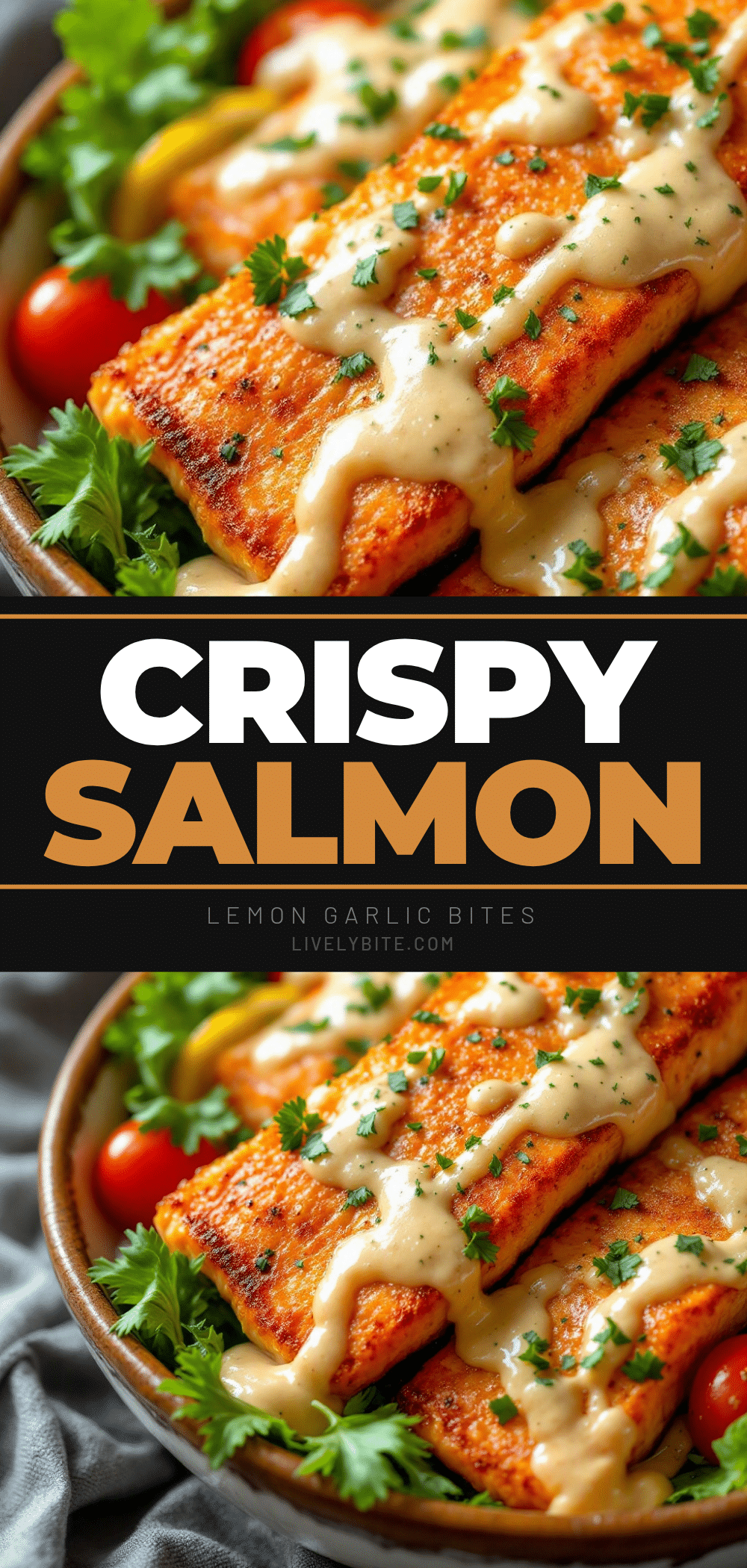
Crispy Pan-Seared Salmon Bites: Easy 15-Minute Lemon Garlic
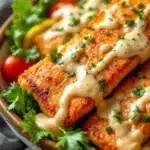
Quick and easy pan-seared salmon bites with a creamy lemon garlic sauce. This recipe maximizes surface area for a crispy crust while keeping the inside tender, perfect for busy weeknights.
- Prep Time: 5 minutes
- Cook Time: 10 minutes
- Total Time: 15 minutes
- Yield: 4 servings 1x
- Category: Main Course
- Cuisine: American
Ingredients
- 1.5 lbs Salmon Fillets (center-cut, patted dry)
- 2 tbsp Neutral Oil (divided, e.g., avocado or light olive oil)
- 2 tbsp Unsalted Butter
- 4–5 cloves Garlic (minced)
- 1 large Fresh Lemon (zest and juice)
- 1 tsp Dijon Mustard
- 2 tbsp Fish Stock or Water
- 1/4 tsp Red Pepper Flakes (optional)
- 2 tbsp Fresh Parsley (chopped)
- 1 tsp Sea Salt (plus more to taste)
- 1/2 tsp Black Pepper (plus more to taste)
Instructions
- Pat salmon fillets dry with paper towels and cut into 1-inch cubes. Toss with 1 tsp salt, 1/2 tsp black pepper, and 1 tbsp neutral oil. Let sit while heating the pan.
- Heat a large skillet over medium-high heat. Add remaining 1 tbsp oil and wait until it shimmers.
- Add salmon cubes to the pan in a single layer (cook in batches if necessary to avoid crowding). Cook undisturbed for 2 minutes until a golden crust forms.
- Flip the bites and cook for another 2-3 minutes until cooked through but moist. Remove salmon to a plate and set aside.
- Reduce heat to medium-low. Add butter to the same pan. Once melted, add garlic and red pepper flakes; sauté for 30 seconds until fragrant.
- Add lemon zest and cook for 10 seconds. Pour in lemon juice and fish stock, letting it bubble for 1 minute to reduce slightly.
- Whisk in Dijon mustard until the sauce is smooth. Taste and adjust seasoning.
- Return salmon bites to the pan and toss gently to coat in the sauce. Remove from heat immediately.
- Garnish with fresh chopped parsley and serve immediately.
Notes
Ensure salmon is very dry before cooking to achieve a crispy crust. Do not move the fish too early; let it release from the pan naturally. Garlic burns quickly, so keep heat at medium-low when adding it. For dairy-free, swap butter for olive oil. Leftovers can be stored for up to 2 days; reheat gently in a skillet to avoid rubbery texture.
Nutrition
- Serving Size: Approximately 1/4 of
- Calories: 350
- Sugar: 1
- Sodium: 450
- Fat: 22
- Saturated Fat: 6
- Carbohydrates: 4
- Fiber: 1
- Protein: 30
Keywords: salmon bites, lemon garlic salmon, quick dinner, weeknight meals, pan-seared salmon, healthy seafood, gluten-free, keto-friendly