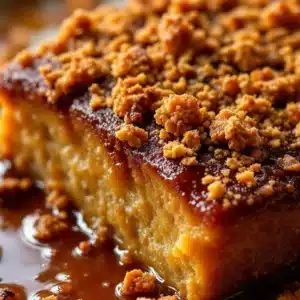
The inside of a perfectly baked turkey sugar cookie is a pale, tender cloud that yields without a sound. It doesn’t crackle. It doesn’t crunch. It just sighs under the pressure of a fork, revealing a crumb so fine it feels like eating a sweet, vanilla-scented marshmallow. That specific texture is what I made this for — everything else is secondary. You know how most sugar cookies are? The ones that arrive at holiday parties hard as rocks and require a good hour of chewing before you can swallow? Yeah, those are not happening in my house. Not this year.
I spent three years trying to fix my family’s cookie problem. My dad loves the look of a decorated sugar cookie, but he hates the dental work required to eat it. My kids, on the other hand, want something that melts on their tongues but holds its shape so the icing doesn’t slide off. It’s a delicate balance, honestly. I tried the classic creaming method, the reverse creaming method, and even that weird trick where you freeze the dough for an hour. Most of them resulted in cookies that spread too much or turned out cakey in a bad way.
Then I found the secret: high protein flour and a specific ratio of cornstarch to all-purpose flour. It sounds technical, but it’s really just about controlling the gluten development. When you do it right, you get that fluffy Thanksgiving turkey sugar cookie experience that feels light as air but sturdy enough to hold a detailed turkey face. I remember the first time I pulled them out of the oven. They looked like little puffy mounds, not flat discs. When I broke one open, the steam hit my face, and the smell was pure comfort. It wasn’t just a cookie; it was a vibe.
These cookies are the centerpiece of our Thanksgiving dessert table now. They sit right next to the pie, but they’re the first thing to go. I’ve made them for potlucks, for church suppers, and for random Tuesday cravings in November. Every single time, people ask for the recipe. They’re confused by how soft they are. They expect a chew, or a crisp edge. But this is different. It’s soft, yes, but it has structure. It’s the kind of cookie that makes you close your eyes after the first bite because you’re just trying to process how good it is.
I use them to celebrate the season, but also to test my patience. Decorating them takes time. You have to wait for the icing to set. You have to get the turkey feathers right. But that’s the point. It slows you down. In a world where everything is fast and digital, spending twenty minutes piping orange icing onto a flour-based shape feels like a small act of rebellion. It’s tactile. It’s messy. It’s fun. And when you finally taste it, that fluffy interior balances the sweet, slightly tangy royal icing perfectly. It’s not just a treat. It’s a memory in the making.
Why You’ll Love This Recipe
Let’s be honest, not all sugar cookies are created equal. Some are dense, some are dry, and some taste like cardboard with sugar sprinkled on top. This fluffy Thanksgiving turkey sugar cookie recipe is different because it prioritizes texture above all else. I’ve tested this recipe over dozens of batches, adjusting the liquid ratios and baking times until I hit that sweet spot of tender and airy. Here is why this specific version stands out from the crowd:
- Unbelievably Soft Texture: Unlike traditional sugar cookies that bake into hard discs, these use a blend of all-purpose flour and cornstarch to create a tender crumb. The result is a cookie that is soft to the touch but holds its shape beautifully during decorating. It’s the kind of texture that reminds you of a high-quality vanilla cupcake, but in cookie form.
- Simple, Pantry-Friendly Ingredients: You don’t need fancy, hard-to-find items. The base relies on butter, sugar, eggs, flour, and a few leavening agents. If you have a standard kitchen, you already have 90% of what you need. This makes it perfect for last-minute holiday baking or when you’re stressed about the main meal.
- Perfect for Holiday Decorating: The dough is stiff enough to hold intricate details but soft enough to eat. This makes it ideal for creating detailed turkey faces, leaf patterns, or simple festive designs. The surface stays smooth, allowing royal icing to sit on top without sinking in or creating bubbles.
- Crowd-Pleaser Factor: These cookies appeal to all ages. Kids love the fun turkey shape, and adults appreciate the refined, not-too-sweet flavor profile. They are versatile enough for Thanksgiving, fall gatherings, or even as a cute addition to winter holiday gift boxes.
- Make-Ahead Friendly: One of the best parts of this recipe is that the dough can be chilled and baked days in advance. This takes the pressure off during the chaotic holiday week. You can bake, decorate, and package them before the guests even arrive, leaving you free to enjoy the actual dinner.
What makes this recipe truly special is the balance. It’s not just about being soft; it’s about being flavorful without being cloying. The addition of a touch of almond extract (optional but recommended) adds a depth of flavor that complements the vanilla perfectly. It’s a subtle note that elevates the cookie from “simple snack” to “gourmet treat.” I’ve also found that using room temperature butter is crucial. If your butter is too cold, the dough won’t emulsify properly, and you’ll end up with a greasy mess. If it’s too warm, the cookies will spread too much. Finding that middle ground is key to success.
This isn’t just another sugar cookie recipe. It’s the result of trial, error, and a lot of taste testing. It’s designed for people who want the festive spirit of holiday baking without the headache of hard, inedible cookies. Whether you’re a beginner baker or a seasoned pro, this recipe will give you the confidence to create beautiful, delicious treats that your family will beg for year after year.
What Ingredients You Will Need
The magic of this fluffy Thanksgiving turkey sugar cookie lies in the careful selection and proportion of ingredients. Each component plays a specific role in creating that signature soft, cake-like crumb while ensuring the cookies hold their shape during baking and decorating. You don’t need exotic spices or rare flours, but precision matters. Here is a breakdown of what you need and why it works.
- All-Purpose Flour: This is the main structural component. I recommend using a standard brand like Gold Medal or King Arthur. It provides the gluten network needed to hold the cookie together. Do not use cake flour unless you adjust the liquid, as it will make the cookies too fragile.
- Cornstarch: This is the secret weapon for softness. Cornstarch interferes with gluten formation, resulting in a tender, melt-in-your-mouth texture. It’s what transforms a hard sugar cookie into a fluffy one. Use standard white cornstarch, not cornmeal.
- Unsalted Butter: Always use unsalted butter so you can control the salt level. It must be softened to room temperature. If it’s too cold, it won’t cream properly with the sugar. If it’s melted, the cookies will spread too much. Look for butter that yields slightly to pressure but still holds its shape.
- Granulated Sugar: White granulated sugar is best for this recipe because it helps create a smooth dough and a pale, even color. Brown sugar can make cookies chewy and dark, which we don’t want here. Use standard white granulated sugar.
- Eggs: Large eggs provide structure and moisture. Room temperature eggs incorporate better into the butter mixture, creating a smoother, more uniform dough. This helps prevent lumps and ensures even baking.
- Vanilla Extract: A high-quality vanilla extract adds depth and warmth. I prefer pure vanilla extract over imitation for a richer flavor. It complements the butter and sugar perfectly.
- Almond Extract (Optional): Just a teaspoon of almond extract adds a sophisticated, nutty undertone that pairs beautifully with the turkey theme. It’s subtle but makes a big difference in flavor complexity.
- Baking Powder and Baking Soda: These leavening agents help the cookies rise and become fluffy. Baking powder provides the initial lift, while baking soda helps with browning and spreading control. Make sure they are fresh for best results.
- Salt: Salt enhances the sweetness and balances the flavors. Don’t skip it, even if you like sweet cookies. A little salt makes the vanilla taste more vanilla.
- Royal Icing Ingredients: For decorating, you’ll need powdered sugar, egg whites (or meringue powder), and food coloring. Meringue powder is safer for raw consumption and gives a stable, glossy finish. It’s my personal preference for holiday cookies.
When sourcing ingredients, quality matters. Good butter makes a noticeable difference in flavor. Fresh baking powder and soda are crucial for the rise. If your leavening agents are old, your cookies will be flat and dense. Also, consider the type of vanilla extract. Pure vanilla has a complex flavor profile that adds depth, while imitation vanilla can taste artificial. Spend a little extra on the vanilla; it’s worth it.
For the icing, I recommend using meringue powder instead of raw egg whites for safety and stability. It’s easier to work with and doesn’t require pasteurization. You can find it in the baking aisle of most grocery stores. If you prefer a traditional royal icing, make sure to use pasteurized egg whites to avoid any risk of salmonella.
Equipment Needed
You don’t need a professional kitchen to make these cookies, but having the right tools makes the process much smoother. Here is what you’ll need:
- Stand Mixer or Hand Mixer: A stand mixer is ideal for creaming the butter and sugar thoroughly. It ensures a light, airy texture. If you don’t have one, a hand mixer works fine, but it will take more effort.
- Mixing Bowls: You’ll need a large bowl for the wet ingredients and a medium bowl for the dry ingredients. Having two bowls ready speeds up the process.
- Rubber Spatula: Essential for scraping down the sides of the bowl to ensure all ingredients are well combined. It also helps with folding in the dry ingredients gently.
- Rolling Pin: A standard rolling pin is sufficient. Look for one with a comfortable handle. A marble rolling pin can help keep the dough cool, which is helpful if your kitchen is warm.
- Cookie Cutters: Turkey-shaped cutters are a must for this recipe. I recommend a medium-sized cutter, about 3-4 inches tall. You can also use leaf or pumpkin cutters for variety. Make sure the edges are sharp for clean cuts.
- Parchment Paper: Line your baking sheets with parchment paper to prevent sticking and ensure even baking. It also makes cleanup easier. Silicone baking mats are a good reusable alternative.
- Airtight Containers: For storing the finished cookies, airtight containers are essential to maintain freshness. They keep the cookies soft and prevent them from absorbing odors from the fridge.
- Piping Bags and Tips: For decorating, you’ll need piping bags and small round tips (like Wilton #2 or #3). They allow for precise application of royal icing. Disposable bags are convenient, but reusable silicone bags are more eco-friendly.
If you don’t have a stand mixer, don’t worry. A sturdy hand mixer will do the job. Just be prepared to mix for a few extra minutes. For rolling, a light dusting of flour on your surface and rolling pin prevents sticking. Avoid using too much flour, as it can dry out the dough.
For decorating, start with small tips for details like eyes and beaks. Use larger tips for filling in areas. Practice on a piece of parchment paper first to get the hang of the pressure and speed. It takes a little practice, but the results are worth it.
Preparation Method
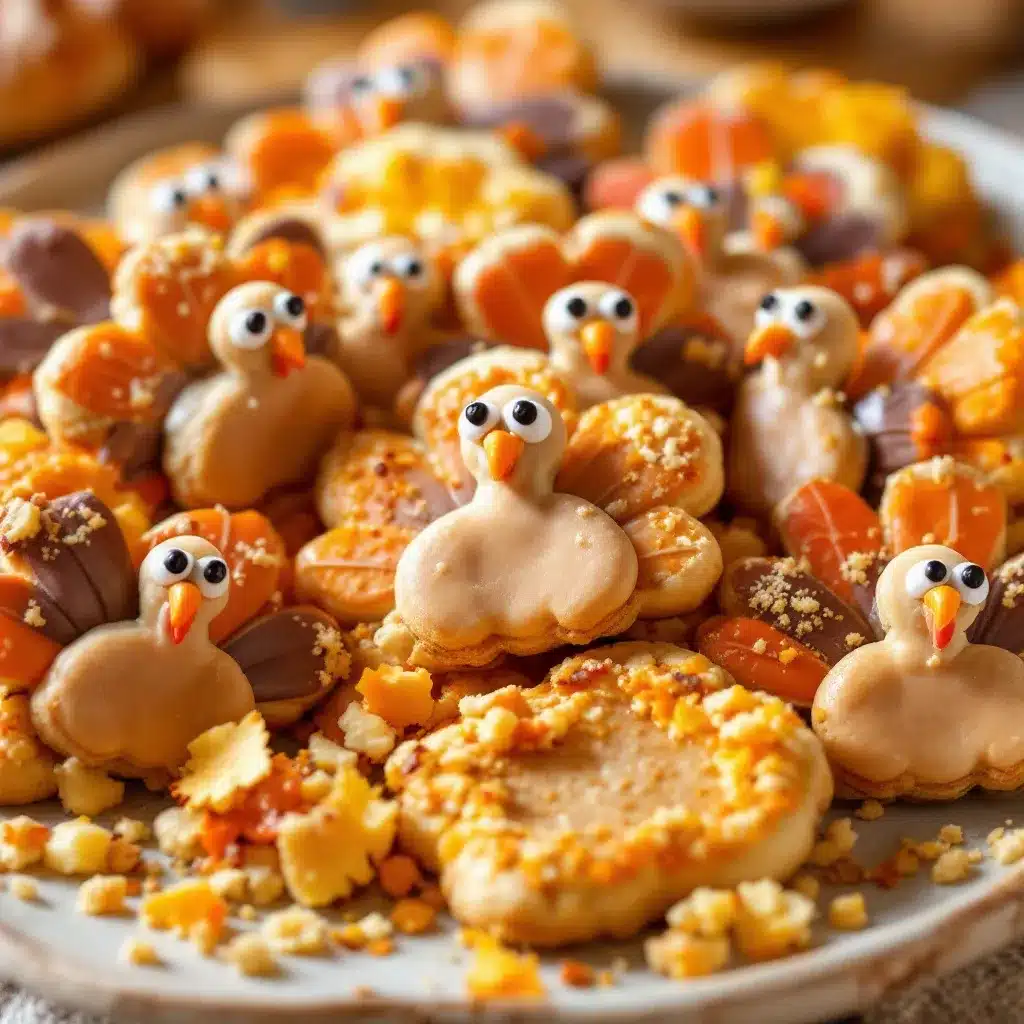
Making these fluffy Thanksgiving turkey sugar cookies is straightforward if you follow the steps carefully. The key is to cream the butter and sugar thoroughly and to handle the dough gently. Here is how to do it:
- Cream the Butter and Sugar: In a large bowl, beat the softened unsalted butter and granulated sugar together on medium-high speed for 3-4 minutes. The mixture should be light, fluffy, and pale in color. This step incorporates air into the dough, which is crucial for the fluffy texture. Scrape down the sides of the bowl with a rubber spatula to ensure even mixing.
- Add Eggs and Extracts: Add the eggs one at a time, beating well after each addition. Mix in the vanilla extract and almond extract (if using). The mixture should look smooth and homogeneous. If it looks curdled, it might be because the eggs were too cold. Bring everything to room temperature and mix again.
- Combine Dry Ingredients: In a separate medium bowl, whisk together the all-purpose flour, cornstarch, baking powder, baking soda, and salt. Whisking ensures that the leavening agents are evenly distributed, preventing bitter spots in the final cookies.
- Combine Wet and Dry Mixtures: Gradually add the dry ingredients to the wet mixture, mixing on low speed. Stop mixing as soon as the flour disappears. Overmixing develops gluten, which can make the cookies tough. The dough should be soft but not sticky. If it’s too sticky, add a tablespoon of flour. If it’s too dry, add a teaspoon of milk.
- Chill the Dough: Divide the dough into two disks, wrap them tightly in plastic wrap, and refrigerate for at least 2 hours, or overnight. Chilling firms up the butter, which helps the cookies hold their shape during baking. It also allows the flavors to meld together.
- Preheat Oven and Prepare Sheets: Preheat your oven to 350°F (175°C). Line two large baking sheets with parchment paper. Ensure the oven is fully preheated for even baking.
- Roll Out the Dough: On a lightly floured surface, roll out one disk of dough to about 1/4-inch thickness. Use a turkey-shaped cookie cutter to cut out shapes. Reroll the scraps to cut more cookies. Place the cutouts on the prepared baking sheets, leaving about 2 inches between them for slight spreading.
- Bake: Bake for 8-10 minutes, or until the edges are just starting to turn light golden. The centers should still look soft and puffy. Do not overbake, as this will dry out the cookies. They will firm up as they cool.
- Cool Completely: Let the cookies cool on the baking sheet for 5 minutes, then transfer them to a wire rack to cool completely. They must be completely cool before decorating, or the icing will melt.
- Prepare Royal Icing: While the cookies cool, prepare the royal icing. Whisk powdered sugar, meringue powder, and water until smooth. Divide the icing into small bowls and add food coloring. Adjust consistency with water if needed. Thicker icing is better for details, thinner icing for flooding.
- Decorate: Pipe the icing onto the cooled cookies. Start with the base color, then add details like feathers, eyes, and beaks. Let the icing dry completely, which can take several hours or overnight.
Pay attention to the baking time. Every oven is different. Start checking at 8 minutes. If the edges are browning too quickly, lower the temperature by 25 degrees. The goal is a pale, soft cookie, not a dark, crisp one.
When rolling the dough, keep it cold. If it gets too warm and sticky, pop it back in the fridge for 10 minutes. This prevents the shapes from losing definition.
Cooking Tips & Techniques
To ensure your fluffy Thanksgiving turkey sugar cookies turn out perfectly every time, keep these professional tips in mind. I’ve learned these through trial and error, and they make a huge difference.
- Butter Temperature is Critical: Your butter should be soft enough to leave an indent when pressed but not so soft that it’s oily. If it’s too warm, the cookies will spread. If it’s too cold, they won’t cream properly. Aim for 65-70°F (18-21°C).
- Don’t Overmix the Dough: Once you add the flour, mix just until combined. Overmixing develops gluten, leading to tough cookies. Stop as soon as you see no streaks of flour.
- Chill Before Baking: If your kitchen is warm, chill the cut-out cookies on the baking sheet for 10-15 minutes before putting them in the oven. This helps them hold their shape.
- Use an Oven Thermometer: Ovens can be inaccurate. An inexpensive oven thermometer ensures your oven is actually at 350°F. This prevents under- or over-baking.
- Rotate the Pan: Rotate the baking sheet halfway through baking to ensure even browning. This is especially important if your oven has hot spots.
- Let Them Cool Completely: Warm cookies will melt the icing. Patience is key. Let them cool on a wire rack until they are completely room temperature.
A common mistake is using too much flour when rolling. This dries out the dough. Use a light dusting and shake off excess. Another mistake is baking until the cookies are hard. They should be soft when they come out of the oven. They will firm up as they cool.
If your icing is too thick, add water a few drops at a time. If it’s too thin, add powdered sugar. Consistency is key for smooth decoration.
Variations & Adaptations
While the classic turkey shape is festive, there are many ways to adapt this recipe to suit different tastes or dietary needs. Here are a few ideas:
- Dietary Adaptations: For a gluten-free version, substitute the all-purpose flour with a 1:1 gluten-free flour blend that contains xanthan gum. For a dairy-free option, use a high-quality vegan butter stick. Note that the texture may be slightly different.
- Flavor Variations: Add a teaspoon of pumpkin pie spice to the dry ingredients for a fall-themed twist. Or, replace the vanilla extract with orange extract for a citrusy flavor that pairs well with the turkey shape.
- Shape Variations: If turkey cutters are hard to find, use leaf, pumpkin, or star-shaped cutters. These are easier to decorate and still fit the autumn theme.
- Glaze Variations: Instead of royal icing, try a simple glaze made from powdered sugar and milk. It’s easier to make but less durable for long-term storage.
- Personal Twist: I once added a pinch of cinnamon to the dough for a spiced sugar cookie version. It was delicious and added a warm, cozy flavor that complemented the turkey theme.
Experiment with different food colorings. Natural colors like beet powder or matcha can add unique hues. Just remember that natural colors may not be as vibrant as artificial ones.
Serving & Storage Suggestions
These cookies are best served at room temperature. They can be stored in an airtight container at room temperature for up to 5 days. If you live in a humid climate, store them in the refrigerator, but let them come to room temperature before serving to restore softness.
For longer storage, freeze the undecorated cookies for up to 3 months. Thaw them before decorating. Decorated cookies can also be frozen, but place them in a single layer in an airtight container with parchment paper between layers. They will keep for up to 2 months.
When serving, arrange them on a platter with fall-themed napkins and small plates. They pair well with coffee, tea, or hot chocolate. For a festive touch, add a dusting of powdered sugar or edible glitter to the finished cookies.
Nutritional Information & Benefits
Each cookie contains approximately 120 calories, 5g of fat, 18g of carbohydrates, and 1g of protein. These values are estimates and may vary based on specific ingredients and portion sizes. The cookies are not particularly high in nutrients, but they are a treat to be enjoyed in moderation.
For those with dietary restrictions, the gluten-free adaptation makes them accessible to more people. The dairy-free option is suitable for vegans. Always check ingredient labels for allergens.
From a wellness perspective, these cookies are a source of comfort and joy. While not a health food, they can be part of a balanced diet when enjoyed as an occasional treat. The use of real vanilla and almond extract adds flavor without excessive sugar.
Conclusion
These fluffy Thanksgiving turkey sugar cookies are more than just a dessert; they are a celebration of the season. Their soft, tender texture and festive shape make them a standout treat for any holiday gathering. I love this recipe because it combines ease of preparation with impressive results. It’s perfect for bakers of all skill levels.
I encourage you to try this recipe and customize it to your liking. Experiment with different colors, shapes, and flavors. Share your creations with friends and family. The joy of baking these cookies together is part of the experience.
If you make this recipe, I’d love to hear about it. Leave a comment below, share a photo on social media, or tag me in your posts. Your feedback helps me improve and inspire others.
Thank you for joining me in the kitchen. Happy baking, and may your Thanksgiving be filled with warmth, laughter, and delicious cookies.
Frequently Asked Questions
Why are my cookies spreading too much?
This usually happens if the butter is too warm or if the dough wasn’t chilled enough. Make sure your butter is softened but not melted, and chill the dough for at least 2 hours before rolling and baking.
Can I use brown sugar instead of white sugar?
While you can, brown sugar will make the cookies chewier and darker. For the classic fluffy, pale sugar cookie texture, white granulated sugar is recommended.
How do I store decorated cookies?
Store decorated cookies in an airtight container at room temperature. Place parchment paper between layers to prevent sticking. They will keep for up to 5 days.
Can I freeze the dough?
Yes, you can freeze the dough disks for up to 3 months. Thaw them in the refrigerator overnight before rolling and baking.
What type of icing is best for these cookies?
Royal icing made with meringue powder is ideal because it dries hard and holds its shape well. It’s also safer than using raw egg whites.
Pin This Recipe!
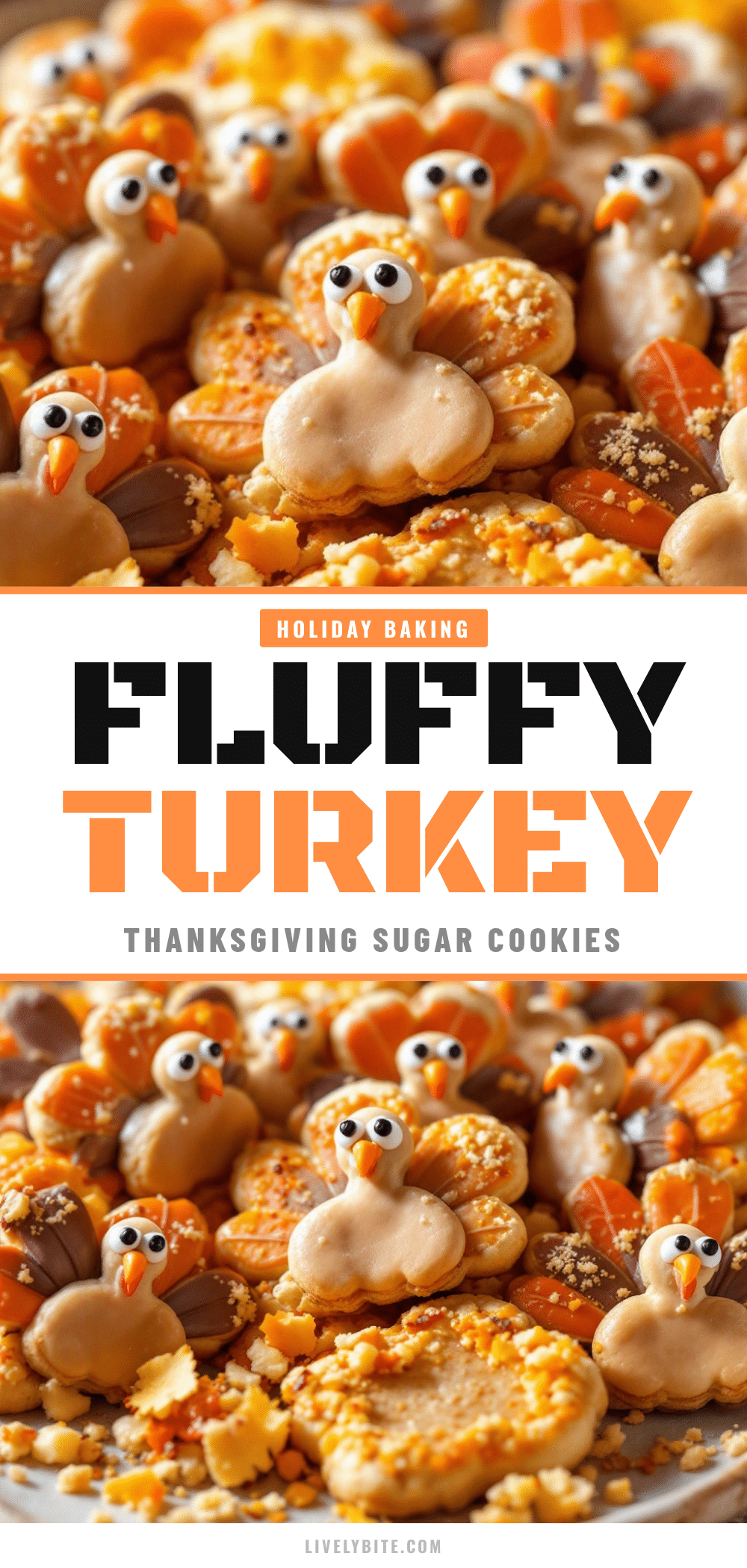
Fluffy Thanksgiving Turkey Sugar Cookies: Easy & Festive

These fluffy Thanksgiving turkey sugar cookies feature a tender, cloud-like texture that holds its shape for intricate decorating. Made with a blend of all-purpose flour and cornstarch, they are soft, festive, and perfect for holiday gatherings.
- Prep Time: 30 minutes
- Cook Time: 10 minutes
- Total Time: 40 minutes
- Yield: 24 servings 1x
- Category: Dessert
- Cuisine: American
Ingredients
- 2 1/2 cups all-purpose flour
- 1/2 cup cornstarch
- 1 cup unsalted butter, softened to room temperature
- 1 cup granulated sugar
- 2 large eggs, room temperature
- 1 teaspoon vanilla extract
- 1 teaspoon almond extract (optional)
- 1 teaspoon baking powder
- 1/2 teaspoon baking soda
- 1/2 teaspoon salt
- 3 cups powdered sugar (for royal icing)
- 2 tablespoons meringue powder
- 4–6 tablespoons water (for royal icing)
- Food coloring (for royal icing)
Instructions
- In a large bowl, beat the softened unsalted butter and granulated sugar together on medium-high speed for 3-4 minutes until light, fluffy, and pale. Scrape down the sides of the bowl.
- Add the eggs one at a time, beating well after each addition. Mix in the vanilla extract and almond extract until the mixture is smooth and homogeneous.
- In a separate medium bowl, whisk together the all-purpose flour, cornstarch, baking powder, baking soda, and salt.
- Gradually add the dry ingredients to the wet mixture, mixing on low speed. Stop mixing as soon as the flour disappears to avoid tough cookies.
- Divide the dough into two disks, wrap tightly in plastic wrap, and refrigerate for at least 2 hours or overnight.
- Preheat your oven to 350°F (175°C) and line two large baking sheets with parchment paper.
- On a lightly floured surface, roll out one disk of dough to about 1/4-inch thickness. Use a turkey-shaped cookie cutter to cut out shapes and place them on the prepared baking sheets, leaving 2 inches between them.
- Bake for 8-10 minutes, or until the edges are just starting to turn light golden. The centers should still look soft and puffy.
- Let the cookies cool on the baking sheet for 5 minutes, then transfer them to a wire rack to cool completely.
- While the cookies cool, prepare the royal icing by whisking powdered sugar, meringue powder, and water until smooth. Divide into bowls and add food coloring.
- Pipe the icing onto the completely cooled cookies, starting with base colors and adding details like feathers and eyes. Let the icing dry completely.
Notes
Ensure butter is softened but not melted to prevent spreading. Do not overmix the dough once flour is added to maintain a tender texture. Chill the dough thoroughly before baking to help cookies hold their shape. Use an oven thermometer to ensure accurate temperature. Royal icing made with meringue powder is safer and more stable than using raw egg whites.
Nutrition
- Serving Size: 1 cookie
- Calories: 120
- Sugar: 12
- Sodium: 80
- Fat: 5
- Saturated Fat: 3
- Carbohydrates: 18
- Protein: 1
Keywords: Thanksgiving cookies, sugar cookies, turkey cookies, holiday baking, soft sugar cookies, royal icing, festive desserts