Third batch in three days, and I finally stopped hovering over the baking sheet like a maniac. The first tray came out with some edges too dark, the second was perfectly caramelized but the glaze was a little thin. This time—this time the balsamic reduction clung to the butternut squash in these glossy, sticky ribbons, and the Brussels sprouts had those crispy, almost-burnt leaves that taste like candy. I stood at the counter eating them straight off the pan, which is honestly the highest form of approval in my kitchen. There’s something about the way the vinegar gets all syrupy and sweet in the oven, coating every vegetable in a tangy hug that makes even the pickiest eater reach for seconds. It’s not complicated food. It’s just done right.
This recipe started because I had half a butternut squash, a bag of Brussels sprouts that were about to turn, and a bottle of balsamic that needed using up. Classic fridge-cleaning situation. But the combination was so good I kept making it on purpose—buying vegetables specifically to roast them this way. The balsamic glaze does something magical to the natural sugars in the vegetables, concentrating their sweetness while adding this complex tang that cuts through the richness. And the timing works out perfectly for a busy weeknight side dish that feels way more impressive than it actually is.
Why You’ll Love This Recipe
- Quick & Easy : Ready in about 40 minutes with just 10 minutes of active prep. Chop, toss, roast, and done.
- Simple Ingredients : Fall vegetables, balsamic vinegar, olive oil, and basic pantry seasonings. No specialty items needed.
- Perfect for Holidays or Weeknights : Elegant enough for Thanksgiving dinner, simple enough for a Tuesday night alongside roasted chicken or easy lemon herb salmon sheet pan dinner.
- Crowd-Pleaser : Even people who claim they don’t like Brussels sprouts change their minds after trying these caramelized, balsamic-glazed ones.
- Unbelievably Delicious : The combination of sweet, tangy, and savory with those crispy edges and tender centers is pure comfort food magic.
I’ve tested this recipe more times than I care to admit—adjusting oven temperatures, trying different vegetable combinations, and perfecting the balsamic glaze ratio. What I landed on is the version I’d serve to anyone I wanted to impress, including my mom who’s a notoriously tough food critic. The secret is roasting at high heat to get that caramelization before the glaze burns, and not overcrowding the pan so everything gets properly crispy.
This isn’t just another roasted vegetable recipe. It’s the one that makes people ask for the recipe before they’ve even finished eating. The kind of side dish that steals the show from the main course. And honestly? It’s the easiest way to make vegetables feel like a treat instead of a chore.
What Ingredients You Will Need
This recipe relies on simple, seasonal ingredients that work together to create something greater than the sum of their parts. The balsamic glaze is the star, but each vegetable brings its own texture and sweetness to the party.
- Butternut squash, peeled and cubed into 1-inch pieces (adds natural sweetness and creamy texture)
- Brussels sprouts, trimmed and halved (get crispy edges and tender centers)
- Red onion, cut into wedges (becomes sweet and jammy when roasted)
- Carrots, peeled and cut into 1-inch chunks (adds earthiness and color)
- Balsamic vinegar (use a good quality one—I prefer Colavita or Lucini for the best depth of flavor)
- Extra virgin olive oil (helps everything caramelize and keeps the vegetables from drying out)
- Maple syrup or honey (balances the acidity of the balsamic and helps with caramelization)
- Garlic cloves, smashed (roasts until soft and sweet, infusing the vegetables with flavor)
- Fresh thyme sprigs or dried thyme (adds an earthy, aromatic note)
- Salt and black pepper (essential for bringing out the natural flavors)
- Optional: red pepper flakes (for a touch of heat if you like)
- Optional: fresh parsley or rosemary for garnish
For the balsamic glaze, you can either buy a pre-made reduction or make your own by simmering balsamic vinegar until it thickens. I usually make my own because it’s cheaper and I can control the sweetness. Look for vegetables that are firm and heavy for their size—avoid anything soft or wrinkled. In the summer, you could swap in zucchini and bell peppers, but fall vegetables really shine here with their natural sweetness and sturdy texture.
If you need a gluten-free option, this recipe is naturally gluten-free. For a lower-carb version, reduce the amount of butternut squash and add more Brussels sprouts or cauliflower. The recipe is also dairy-free as written, which makes it great for vegan holiday meals alongside something like creamy vegan chocolate avocado pudding for dessert.
Equipment Needed
- Large baking sheet or sheet pan (half-sheet size works best—don’t use a smaller one or the vegetables will steam instead of roast)
- Parchment paper or silicone baking mat (makes cleanup easier and prevents sticking)
- Chef’s knife and cutting board (a sharp knife makes prepping squash much safer and easier)
- Small saucepan (if making your own balsamic glaze)
- Mixing bowl (for tossing vegetables with oil and seasonings)
- Spatula or tongs (for flipping vegetables halfway through roasting)
If you don’t have a large baking sheet, you can use two smaller ones and rotate them halfway through cooking. Just make sure to give each vegetable enough space to breathe—crowding is the number one mistake people make with roasted vegetables. I learned this the hard way after making soggy, steamed vegetables for years before realizing my pan was too small.
A good chef’s knife makes a world of difference when cutting butternut squash. If you don’t have one, a sharp vegetable peeler can help remove the skin, and a sturdy knife will get through the dense flesh. Budget-friendly options from brands like Victorinox work great and won’t break the bank.
Preparation Method
Step 1: Preheat and prep (5 minutes)
Preheat your oven to 425°F (220°C). Line a large baking sheet with parchment paper or a silicone mat. This high heat is crucial for getting that caramelization without the vegetables turning mushy.
Step 2: Prepare the vegetables (10 minutes)
Peel the butternut squash, remove the seeds, and cut into 1-inch cubes. This is the most time-consuming part, but it gets easier with practice. Trim the Brussels sprouts and cut them in half through the stem end so the leaves stay attached. Peel and cut the carrots into similar-sized chunks. Cut the red onion into wedges about 1-inch thick. Smash the garlic cloves with the flat side of your knife to release their flavor.
Step 3: Make the balsamic glaze (10 minutes while vegetables roast)
In a small saucepan, combine 1/2 cup (120 ml) balsamic vinegar and 2 tablespoons maple syrup. Bring to a simmer over medium heat, then reduce heat to low and let it bubble gently for 8-10 minutes until it thickens and coats the back of a spoon. It will thicken more as it cools, so don’t overcook it. You should have about 1/4 cup of glaze. Set aside.
Step 4: Season the vegetables (5 minutes)
In a large mixing bowl, combine the cubed squash, halved Brussels sprouts, carrot chunks, onion wedges, and smashed garlic cloves. Drizzle with 3 tablespoons olive oil, sprinkle with 1 teaspoon salt, 1/2 teaspoon black pepper, and the leaves from 4-5 fresh thyme sprigs (or 1 teaspoon dried thyme). Toss everything together until evenly coated.
Step 5: Arrange on baking sheet (2 minutes)
Spread the vegetables in a single layer on the prepared baking sheet. Make sure they’re not overlapping—if they’re crowded, they’ll steam instead of roast. If necessary, use two baking sheets. The cut sides of the Brussels sprouts should face down for maximum caramelization.
Step 6: Roast (25-30 minutes)
Roast the vegetables for 15 minutes, then remove the pan from the oven and flip everything with a spatula. Return to the oven and roast for another 10-15 minutes. The vegetables are done when they’re tender when pierced with a fork and have deep golden-brown edges. The Brussels sprouts should have some crispy, dark leaves.
Step 7: Glaze and serve (2 minutes)
Transfer the roasted vegetables to a serving platter. Drizzle with the balsamic glaze (you may not need all of it—start with half and add more to taste). Toss gently to coat. Garnish with fresh parsley or additional thyme if desired. Serve immediately while warm.
The vegetables should be tender on the inside with crispy, caramelized exteriors. If some pieces are browning faster than others, remove them early and let the rest continue roasting. Every oven runs a little differently—I’ve had ovens that took a full 30 minutes and others that were done in 22.
Cooking Tips & Techniques
Getting perfectly roasted vegetables every time comes down to a few key principles I’ve learned through plenty of trial and error. Here’s what I wish someone had told me earlier:
Don’t skimp on the oil. Vegetables need enough olive oil to get crispy and caramelized. If they look dry after tossing, add a little more. The oil also helps the balsamic glaze stick later.
Cut vegetables to similar sizes. This ensures everything cooks evenly. If your squash pieces are much larger than your Brussels sprouts, the sprouts will burn before the squash is tender. Aim for 1-inch pieces across the board.
Give them space. Overcrowding is the enemy of caramelization. If vegetables are piled on top of each other, they release steam and end up soggy. Use two pans if needed, and rotate them halfway through cooking.
Flip halfway through. This isn’t optional if you want even browning. I’ve forgotten this step more times than I’d like to admit, and the difference is noticeable—one side gets beautifully caramelized while the other stays pale and sad.
Add the glaze after roasting. I learned this the hard way after brushing glaze on before roasting and ending up with burnt, bitter vegetables. The sugar in the balsamic glaze burns at high temperatures. Drizzle it on after roasting for that perfect sticky-sweet coating without the char.
Use the broiler for extra crispiness. If you want those ultra-crispy edges, switch the oven to broil for the last 2-3 minutes of cooking. Watch closely—broilers work fast and can go from perfect to burnt in seconds.
One of my biggest failures with this recipe happened when I tried to rush the process by cutting the vegetables into tiny pieces. They cooked way too fast, dried out, and lost all their texture. Patience pays off with roasted vegetables. Let them take their time, and they’ll reward you with those incredible caramelized edges.
Variations & Adaptations
Vegetable swaps: Try this with cauliflower florets, sweet potatoes, parsnips, or fennel. Each brings its own personality to the dish. Cauliflower gets beautifully golden, sweet potatoes become almost candy-like, and fennel adds a subtle licorice note that pairs beautifully with balsamic.
Herb variations: Rosemary, sage, or oregano all work wonderfully instead of thyme. I love using rosemary in the fall—it feels so cozy and aromatic. Just chop it finely so it doesn’t overpower the dish.
Spice it up: Add a pinch of smoked paprika, cayenne pepper, or cumin to the seasoning mix for a different flavor profile. Smoked paprika with balsamic is a surprisingly good combination.
Maple-balsamic version: Increase the maple syrup in the glaze to 3 tablespoons for a sweeter finish that kids especially love. This version is perfect for holiday dinners when you want something a little more indulgent.
Add protein: Toss in some chickpeas or tofu cubes for the last 15 minutes of roasting to make this a main dish. The chickpeas get crispy and soak up all the balsamic goodness.
Air fryer adaptation: Cook at 375°F (190°C) for 12-15 minutes, shaking the basket halfway through. You’ll need to work in batches to avoid overcrowding, but the results are incredibly crispy.
I once tried adding pomegranate seeds and crumbled feta on top of the finished dish, and it was absolutely gorgeous for a holiday table. The tartness of the pomegranate cuts through the sweetness of the glaze perfectly.
Serving & Storage Suggestions
Serve these roasted vegetables warm, straight from the oven, with the balsamic glaze drizzled on top. They’re fantastic as a side dish for roasted meats, grilled fish, or alongside a hearty grain bowl. For a complete meal, pair them with easy slow cooker honey garlic chicken meal prep bowls for a dinner that practically makes itself.
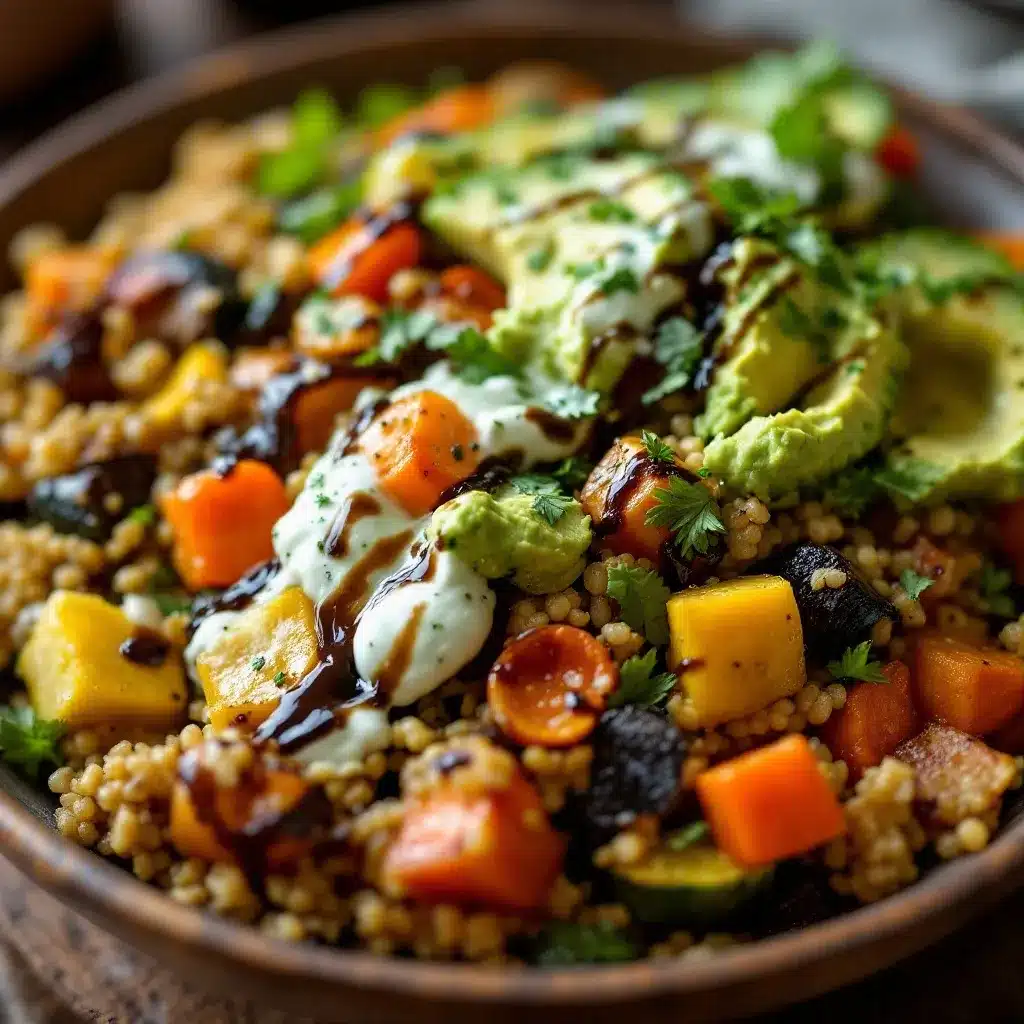
For presentation, arrange the vegetables on a large platter and drizzle the glaze in a zigzag pattern. Sprinkle with fresh herbs and a pinch of flaky sea salt right before serving. The colors—deep orange squash, green Brussels sprouts, and dark purple-red glaze—make a stunning visual impression.
Storage: Leftover roasted vegetables keep in an airtight container in the refrigerator for up to 4 days. The texture will soften slightly, but the flavors actually deepen and become even more delicious overnight.
Reheating: For best results, reheat in a 400°F (200°C) oven for 5-7 minutes until warmed through and edges crisp up again. You can also use an air fryer at 350°F (175°C) for 3-4 minutes. The microwave works in a pinch but will make them softer.
Freezing: These vegetables freeze well for up to 3 months. Spread them on a baking sheet to freeze individually, then transfer to a freezer bag. Reheat directly from frozen in a hot oven—no need to thaw first. The texture won’t be quite as perfect as fresh, but they’re still delicious in soups, grain bowls, or as a quick side.
The flavors continue to develop as the vegetables sit in the balsamic glaze, so leftovers the next day are actually pretty wonderful. I’ve been known to eat them cold straight from the fridge as a snack.
Nutritional Information & Benefits
Per serving (about 1 cup): approximately 180 calories, 8g fat, 26g carbohydrates, 4g fiber, 12g sugar, 4g protein, 380mg sodium.
This dish is packed with nutrients. Butternut squash is loaded with vitamin A (over 400% of your daily needs per cup) and vitamin C, which supports immune health. Brussels sprouts are a cruciferous vegetable rich in vitamin K, vitamin C, and fiber—they’re also packed with antioxidants that help reduce inflammation.
The olive oil provides healthy monounsaturated fats that support heart health, while the balsamic vinegar adds antioxidants called polyphenols that may help with blood sugar regulation. This recipe is naturally gluten-free, dairy-free, and vegan-friendly, making it suitable for a wide range of dietary needs.
If you’re watching your sugar intake, you can reduce or omit the maple syrup in the glaze—the balsamic vinegar alone provides plenty of flavor. The natural sweetness from the roasted vegetables is often enough on its own.
Frequently Asked Questions
Can I make this recipe ahead of time for a holiday dinner?
Yes! You can prep the vegetables up to 24 hours in advance and store them in the refrigerator. Roast them just before serving for the best texture. The balsamic glaze can be made up to a week ahead and stored in the refrigerator—just warm it slightly before drizzling.
Why are my roasted vegetables soggy instead of crispy?
The most common culprit is overcrowding the pan. Vegetables need space between them so the hot air can circulate and evaporate moisture. If your pan is too full, use two pans or roast in batches. Another cause is not using enough oil—don’t be shy with it!
Can I use a store-bought balsamic glaze instead of making my own?
Absolutely. Store-bought balsamic glaze (sometimes called balsamic reduction) works perfectly fine and saves time. Look for one with minimal added sugar and no artificial ingredients. Just drizzle it on after roasting the same way you would with homemade.
How do I prevent the balsamic glaze from burning in the oven?
The key is to add the glaze after roasting, not before. The sugar in balsamic vinegar burns at high temperatures, so brush or drizzle it on the fully cooked vegetables right before serving. If you want a glazed effect, you can toss the vegetables with a small amount of glaze and return them to the oven for just 2-3 minutes.
What other vegetables work well in this recipe?
Almost any sturdy vegetable works great. Try cauliflower, broccoli, sweet potatoes, parsnips, turnips, or fennel. Root vegetables like beets and carrots are especially good because their natural sweetness complements the balsamic glaze. Just make sure to cut everything to similar sizes for even cooking.
Conclusion
This easy roasted fall vegetables recipe has become my go-to for so many occasions—weeknight dinners, holiday feasts, meal prep lunches, and everything in between. The combination of caramelized vegetables with that tangy-sweet balsamic glaze is simple enough for any night of the week but impressive enough for company.
What I love most about this recipe is how adaptable it is. You can swap in whatever vegetables you have on hand, adjust the herbs to match your mood, or dial up the sweetness for special occasions. It’s the kind of recipe that makes you feel like a confident cook without any stress or complicated techniques.
I’d love to hear how this turns out for you! Did you try any fun variations? Drop a comment below and let me know what vegetable combinations you discovered. And if you’re looking for more easy side dish ideas, check out our full collection of recipes for more inspiration. Happy roasting!
Pin This Recipe!
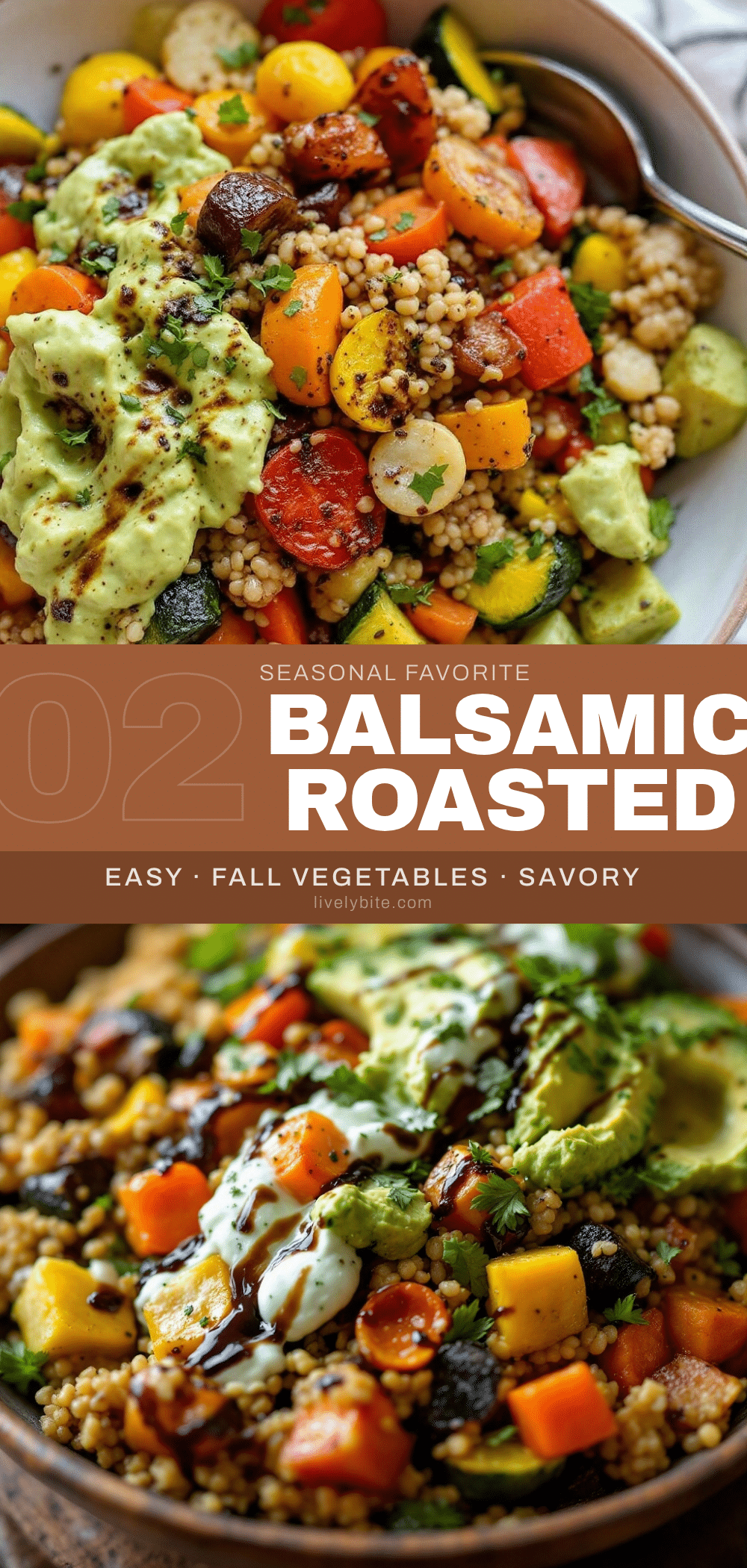
Easy Roasted Fall Vegetables with Balsamic Glaze
Perfectly caramelized butternut squash, Brussels sprouts, and other fall vegetables tossed in a tangy-sweet balsamic glaze. Ready in 40 minutes, this simple yet impressive side dish is ideal for weeknights or holiday feasts.
- Prep Time: 10 minutes
- Cook Time: 30 minutes
- Total Time: 40 minutes
- Yield: 4 servings 1x
- Category: Side Dish
- Cuisine: American
Ingredients
- 1 butternut squash, peeled and cubed into 1-inch pieces
- 1 lb Brussels sprouts, trimmed and halved
- 1 red onion, cut into wedges
- 3 carrots, peeled and cut into 1-inch chunks
- 1/2 cup balsamic vinegar
- 2 tablespoons maple syrup or honey
- 3 tablespoons extra virgin olive oil
- 4–5 garlic cloves, smashed
- 4–5 fresh thyme sprigs (or 1 teaspoon dried thyme)
- 1 teaspoon salt
- 1/2 teaspoon black pepper
- Optional: red pepper flakes to taste
- Optional: fresh parsley or rosemary for garnish
Instructions
- Preheat oven to 425°F (220°C). Line a large baking sheet with parchment paper or a silicone mat.
- Peel and cube butternut squash into 1-inch pieces. Trim and halve Brussels sprouts. Peel and cut carrots into 1-inch chunks. Cut red onion into 1-inch wedges. Smash garlic cloves.
- In a small saucepan, combine balsamic vinegar and maple syrup. Bring to a simmer over medium heat, then reduce heat to low and let bubble gently for 8-10 minutes until thickened and coats the back of a spoon. Set aside.
- In a large mixing bowl, combine squash, Brussels sprouts, carrots, onion wedges, and garlic. Drizzle with olive oil, sprinkle with salt, pepper, and thyme. Toss until evenly coated.
- Spread vegetables in a single layer on the prepared baking sheet, ensuring they are not overlapping. Place cut sides of Brussels sprouts facing down.
- Roast for 15 minutes. Remove from oven, flip vegetables with a spatula, and return to oven. Roast for another 10-15 minutes until tender and golden-brown with crispy edges.
- Transfer roasted vegetables to a serving platter. Drizzle with balsamic glaze (start with half and add more to taste). Toss gently to coat. Garnish with fresh herbs if desired. Serve immediately.
Notes
For extra crispiness, switch oven to broil for the last 2-3 minutes. Add glaze after roasting to prevent burning. Vegetables can be prepped up to 24 hours ahead. Store leftovers in an airtight container in the refrigerator for up to 4 days.
Nutrition
- Serving Size: 1 cup
- Calories: 180
- Sugar: 12
- Sodium: 380
- Fat: 8
- Saturated Fat: 1
- Carbohydrates: 26
- Fiber: 4
- Protein: 4
Keywords: roasted fall vegetables, balsamic glaze, butternut squash, Brussels sprouts, easy side dish, holiday vegetables, vegan, gluten-free