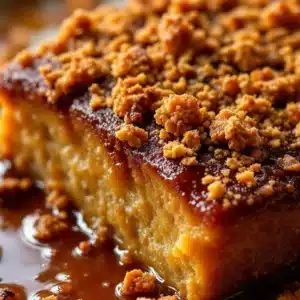
I almost gave up on these cookies. Three batches in, I had a kitchen full of flat, greasy discs that tasted more like burnt sugar than apple cider. The fourth batch spread into one giant cookie. It was not cute. I was ready to scrap the whole idea and stick with my go-to slow cooker honey garlic chicken meal prep bowls for fall comfort. But then I remembered why I was so stubborn about this recipe in the first place.
Apple cider is one of those flavors that screams autumn, you know? But capturing that bright, tangy-sweet taste in a cookie is tricky. Most recipes rely on apple cider concentrate or just a splash of cider, and the flavor gets lost behind all that butter and sugar. I wanted a cookie that actually tasted like you bit into a fresh, cold apple on a crisp October morning. Not just a sugar cookie with a vague “fall” label.
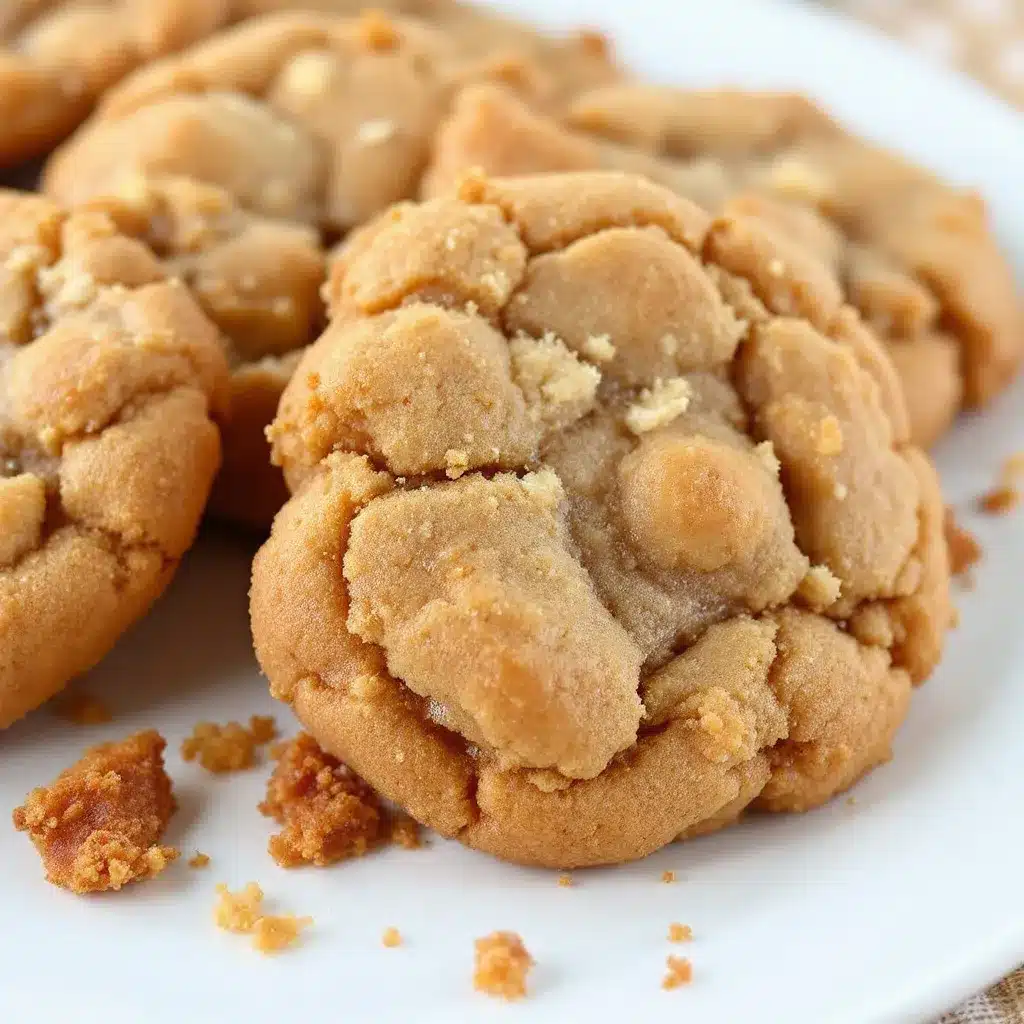
So I went back to the drawing board. I reduced the cider down to a syrup, I played with the flour-to-fat ratio, and I finally stopped being afraid of a longer chill time. The result is this soft-baked apple cider cookie. It’s pillowy, it’s fragrant, and it has that unmistakable apple cider tang that lingers on your tongue. It’s the cookie I wanted to make all along, and honestly, the failures made the final version taste even sweeter.
Why You’ll Love This Recipe
These aren’t your average fall cookies. They are the result of a lot of trial and error (and a few burnt pans), and every adjustment was made with one goal in mind: a perfect, soft, flavorful cookie that’s easy enough for a Tuesday afternoon bake.
- Intense Apple Cider Flavor: We reduce the cider down to a concentrated syrup. This is the secret. No watery flavor, no artificial extracts. Just pure, tangy apple goodness in every bite.
- Perfectly Soft-Baked Texture: The combination of melted butter and a bit of cornstarch gives these cookies a tender, cake-like crumb that stays soft for days. They are the opposite of crunchy.
- Simple Pantry Ingredients: No weird specialty flours or hard-to-find extracts. If you have apple cider, butter, sugar, and flour, you are 90% of the way there.
- That Cozy Fall Aroma: Your entire house will smell like a cider mill. It’s the kind of baking project that makes you want to put on a sweater and light a candle.
- Make-Ahead Friendly: The dough needs to chill anyway, so you can prep it the night before and bake fresh cookies whenever the craving hits. Perfect for holiday cookie swaps or unexpected guests.
This recipe is different because it doesn’t cheat. It doesn’t rely on apple pie spice or apple flavoring to do the heavy lifting. It uses real, reduced apple cider to build a flavor foundation that is both subtle and unmistakable. It’s the kind of cookie that makes people stop and ask, “Wait, what’s in this?”
What Ingredients You Will Need
This recipe uses simple, wholesome ingredients to deliver that big apple cider flavor without any fuss. Most of these are pantry staples, but a few need a little explanation to get them just right.
- Apple Cider (2 cups): This is the star. Use real, unfiltered apple cider, not apple juice. The unfiltered kind has more flavor and body. You will reduce this down to about 1/3 cup of concentrated syrup, so don’t skip this step.
- Unsalted Butter (1 cup, melted): Melted butter gives these cookies their soft, chewy texture. If you only have salted butter, just reduce the added salt by 1/4 teaspoon.
- Granulated Sugar (1 cup): Provides sweetness and helps with spreading. I prefer standard white sugar here.
- Light Brown Sugar (1/2 cup, packed): Adds moisture and a touch of molasses flavor that complements the apple cider beautifully.
- Large Egg (1): Binds everything together. Make sure it’s at room temperature so it emulsifies properly with the melted butter.
- Egg Yolk (1): Adds extra richness and tenderness. This is a pro trick for soft-baked cookies.
- Vanilla Extract (2 teaspoons): Rounds out the flavor profile. Use pure vanilla if you have it.
- All-Purpose Flour (2 1/4 cups): The structure of the cookie. Spoon and level your flour for the most accurate measurement.
- Cornstarch (2 tablespoons): This is the secret to the soft texture. It tenderizes the gluten and prevents the cookies from becoming tough.
- Baking Soda (1 teaspoon): Helps the cookies spread and rise just enough.
- Ground Cinnamon (1 teaspoon): A classic fall spice that pairs perfectly with apple.
- Ground Nutmeg (1/4 teaspoon): Adds warmth. Freshly grated is amazing if you have the patience.
- Salt (1/2 teaspoon): Balances the sweetness and enhances all the flavors.
- Optional: Cinnamon Sugar Coating (1/4 cup sugar + 1 teaspoon cinnamon): For rolling the dough balls before baking. It adds a lovely sparkly crust.
Equipment Needed
You don’t need a fancy bakery setup for these cookies, but a few specific tools make the process smoother.
- Small Saucepan: For reducing the apple cider. A heavy-bottomed pan works best to prevent scorching.
- Large Mixing Bowls: One for wet ingredients, one for dry.
- Whisk and Wooden Spoon: A whisk for the wet ingredients, a spoon or spatula for folding in the flour.
- Baking Sheets: Standard half-sheet pans work great. Line them with parchment paper for easy cleanup.
- Cookie Scoop (about 1.5 tablespoons): Ensures uniform cookies that bake evenly. A spoon works, but a scoop is more consistent.
- Wire Rack: For cooling the cookies properly. If you let them sit on the hot pan, they will continue to bake and can over-brown.
- Plastic Wrap: For chilling the dough. You can also use a reusable bowl cover.
I’ve tried making these with a silicone baking mat, and parchment paper works better. The cookies spread slightly less on parchment, giving you a thicker, softer final result.
Preparation Method
Let’s get to the good part. Follow these steps carefully, especially the cider reduction and the chill time. They are non-negotiable for the best texture and flavor.
- Reduce the Apple Cider: Pour 2 cups of apple cider into a small saucepan. Bring it to a boil over medium-high heat, then reduce the heat to a steady simmer. Let it bubble away, stirring occasionally, until it reduces to about 1/3 cup. This takes about 15-20 minutes. The syrup should be thick and dark amber. Watch it closely at the end so it doesn’t burn. Pour it into a small bowl and let it cool completely.
- Mix the Wet Ingredients: In a large bowl, whisk together the melted butter, granulated sugar, and brown sugar until smooth. Add the egg, egg yolk, vanilla extract, and the cooled apple cider syrup. Whisk vigorously until the mixture is glossy and well-combined. It will look a little thin at this point, that’s okay.
- Combine the Dry Ingredients: In a separate bowl, whisk together the all-purpose flour, cornstarch, baking soda, cinnamon, nutmeg, and salt. Make sure there are no lumps. The cornstarch can be stubborn, so whisk thoroughly.
- Bring It Together: Gradually add the dry ingredients to the wet ingredients. Use a wooden spoon or a rubber spatula to fold everything together. Mix just until no streaks of flour remain. Do not overmix, or the cookies will be tough. The dough will be very soft and sticky, almost like a thick batter.
- Chill the Dough: This is the most important step. Cover the bowl with plastic wrap and refrigerate the dough for at least 2 hours, or up to 3 days. Chilling the dough solidifies the fat, which prevents the cookies from spreading into flat puddles in the oven. It also allows the flavors to meld together. Don’t skip this.
- Preheat and Prep: When you are ready to bake, preheat your oven to 350°F (175°C). Line two baking sheets with parchment paper.
- Shape the Cookies: If you are using the cinnamon sugar coating, whisk the 1/4 cup sugar and 1 teaspoon cinnamon together in a small bowl. Use a cookie scoop to portion out balls of dough (about 1.5 tablespoons each). Roll each ball between your palms to make it smooth, then roll it in the cinnamon sugar mixture until coated. Place the dough balls on the prepared baking sheets, spacing them about 2 inches apart.
- Bake: Bake for 10-12 minutes. The edges should look set and lightly golden, but the centers will still look slightly soft and puffy. Do not overbake. They will continue to set on the hot baking sheet.
- Cool: Let the cookies cool on the baking sheet for 5 minutes. This allows them to firm up enough to be moved. Then, transfer them to a wire rack to cool completely. The centers will sink slightly as they cool, creating that perfect soft-baked texture.
Cooking Tips & Techniques
I learned these the hard way, so you don’t have to. Here are the things that make the biggest difference in this recipe.
Don’t Rush the Cider Reduction. I know it’s tempting to crank up the heat to make it go faster, but you will end up with burnt cider and a bitter taste. Keep it at a gentle simmer and stir it every few minutes. The syrup is ready when it coats the back of a spoon and leaves a trail when you run your finger through it.
The Dough Must Be Cold. I made the mistake of baking a test batch after only 30 minutes of chilling. The cookies spread into thin, crispy wafers. They tasted fine, but the texture was all wrong. Two hours in the fridge is the minimum. Overnight is even better. The cold dough ensures a thick, soft center.
Use a Cookie Scoop for Consistency. Uniform size means uniform baking. If some dough balls are bigger than others, you will end up with some cookies that are perfectly soft and others that are overdone. A simple scoop fixes this problem instantly.
Watch the Oven, Not the Clock. Every oven runs a little differently. Your cookies might be done at 10 minutes, or they might need 12. Look for the visual cues: set edges, slightly puffy centers, and a light golden color on the bottom. The tops should still look soft and a little pale.
Let Them Rest on the Pan. This is a hard one to resist, but don’t try to move the cookies immediately after baking. They are too fragile and will fall apart. Give them a solid 5 minutes on the hot baking sheet. This is where the magic happens, and they finish setting up without drying out.
Variations & Adaptations
This recipe is a great base for experimentation. Here are a few ways I have played with it, and they all turned out delicious.
- Apple Cider Cookies with White Chocolate Chips: Fold in 1 cup of white chocolate chips after mixing the dry ingredients. The sweetness of the white chocolate pairs beautifully with the tangy apple cider. It’s a very decadent version.
- Spiced Apple Cider Cookies: Add 1/4 teaspoon of ground cloves and 1/4 teaspoon of ground ginger to the dry ingredients. This gives the cookies a chai-like warmth that is perfect for cold winter days.
- Maple Apple Cider Cookies: Replace the granulated sugar with 1 cup of maple sugar (or use 1/2 cup maple syrup and reduce the apple cider to 1/4 cup). This creates a deeper, earthier sweetness that is incredible with the apple.
- Gluten-Free Version: Substitute the all-purpose flour with a 1:1 gluten-free baking flour blend. Make sure the blend contains xanthan gum. The texture will be slightly more delicate, but still very soft and delicious.
- Vegan Adaptation: Use melted coconut oil or vegan butter in place of the butter. Replace the egg and egg yolk with a flax egg (1 tablespoon ground flaxseed mixed with 3 tablespoons water) and an extra 2 tablespoons of applesauce. The cookies will be a bit more cake-like, but the flavor is still spot on.
I personally love the version with a handful of chopped pecans folded in. The crunch is a nice contrast to the soft cookie, and the nutty flavor works perfectly with the apple cider.
Serving & Storage Suggestions
These cookies are best enjoyed within a day or two of baking, when they are at their softest. But they store well if you know the right tricks.
Serving: Serve them at room temperature with a cold glass of milk or a hot cup of coffee. They are also amazing warmed up for about 10 seconds in the microwave. The centers get all soft and gooey again. For a dessert spread, pair them with a scoop of vanilla ice cream and a drizzle of caramel sauce. It’s a simple but impressive fall dessert.
Storage: Store the cooled cookies in an airtight container at room temperature. Place a slice of plain white bread in the container with the cookies. The bread will absorb excess moisture and keep the cookies soft for up to 5 days. Replace the bread slice every other day if you are storing them for longer.
Freezing: You can freeze the baked cookies or the raw dough. For baked cookies, cool them completely, then layer them between sheets of parchment paper in a freezer-safe container. They will keep for up to 3 months. Thaw at room temperature. For raw dough, scoop the dough balls onto a baking sheet and freeze until solid. Transfer the frozen dough balls to a freezer bag. Bake directly from frozen, adding 2-3 minutes to the bake time.
Reheating: The best way to reheat a single cookie is in the microwave for 10-15 seconds. For a whole batch, warm them in a 300°F oven for 5 minutes. They will taste freshly baked.
Nutritional Information & Benefits
These are a treat, so enjoy them in moderation. But they do have a few redeeming qualities!
| Nutrient | Per Cookie (approx.) |
|---|---|
| Calories | 185 |
| Fat | 9g |
| Saturated Fat | 5g |
| Carbohydrates | 26g |
| Sugar | 16g |
| Protein | 2g |
Health Benefits: The apple cider is a good source of antioxidants, particularly polyphenols, which can help fight inflammation. Cinnamon is known for its anti-inflammatory properties and can help regulate blood sugar. While this is not a health food, using real, whole ingredients means you are getting more nutritional value than a typical packaged cookie.
Dietary Considerations: This recipe contains gluten, dairy, and eggs. See the variations section above for gluten-free and vegan adaptations. It is nut-free as written, making it a safe option for school bake sales or parties.
Honestly, I make these because they make me happy. But it’s nice to know they aren’t completely empty calories.
Conclusion
These soft-baked apple cider cookies are everything I wanted them to be. They are the result of patience, a few kitchen disasters, and a stubborn refusal to settle for a cookie that was just “okay.” The concentrated cider syrup gives them a flavor that is both bold and delicate, and the soft, pillowy texture is exactly what a fall cookie should be.
I hope you give these a try and make them your own. Maybe you will add a handful of dried cranberries, or a pinch of cardamom. Maybe you will serve them with a warm mug of chai. That’s the beauty of a good base recipe, it’s a starting point for your own creativity.
If you make these, I would love to hear about it. Drop a comment below and tell me how they turned out, or share a photo of your batch. And if you are looking for more cozy fall recipes, you might enjoy this refreshing cucumber mint green tea cooler for a lighter option. Happy baking, friends!
Frequently Asked Questions
Can I use apple juice instead of apple cider?
Technically yes, but the flavor will be much milder and sweeter. Apple juice lacks the tangy, tart complexity of cider. If you are in a pinch, use juice, but add an extra 1/4 teaspoon of lemon juice to the dough to brighten the flavor.
Why did my cookies spread too much?
This usually happens for one of two reasons: the dough wasn’t chilled long enough, or the butter was too warm when you mixed it. Make sure your melted butter is cooled to room temperature before mixing, and always chill the dough for at least 2 hours.
Can I make the dough ahead of time?
Absolutely! The dough can be stored in the refrigerator for up to 3 days. You can also freeze the scooped dough balls for up to 3 months. This is a great recipe for holiday prep.
My cider syrup burned. What went wrong?
Burning happens when the heat is too high or you walk away from the pan. Keep the heat at a gentle simmer and stir frequently, especially in the last 5 minutes. If it burns, start over. Burnt syrup will ruin the batch.
Can I add frosting to these cookies?
Yes, a simple powdered sugar glaze would be lovely. Mix 1 cup of powdered sugar with 2 tablespoons of apple cider (unreduced) and a splash of vanilla. Drizzle it over the cooled cookies for an extra layer of sweetness and flavor.
Pin This Recipe!
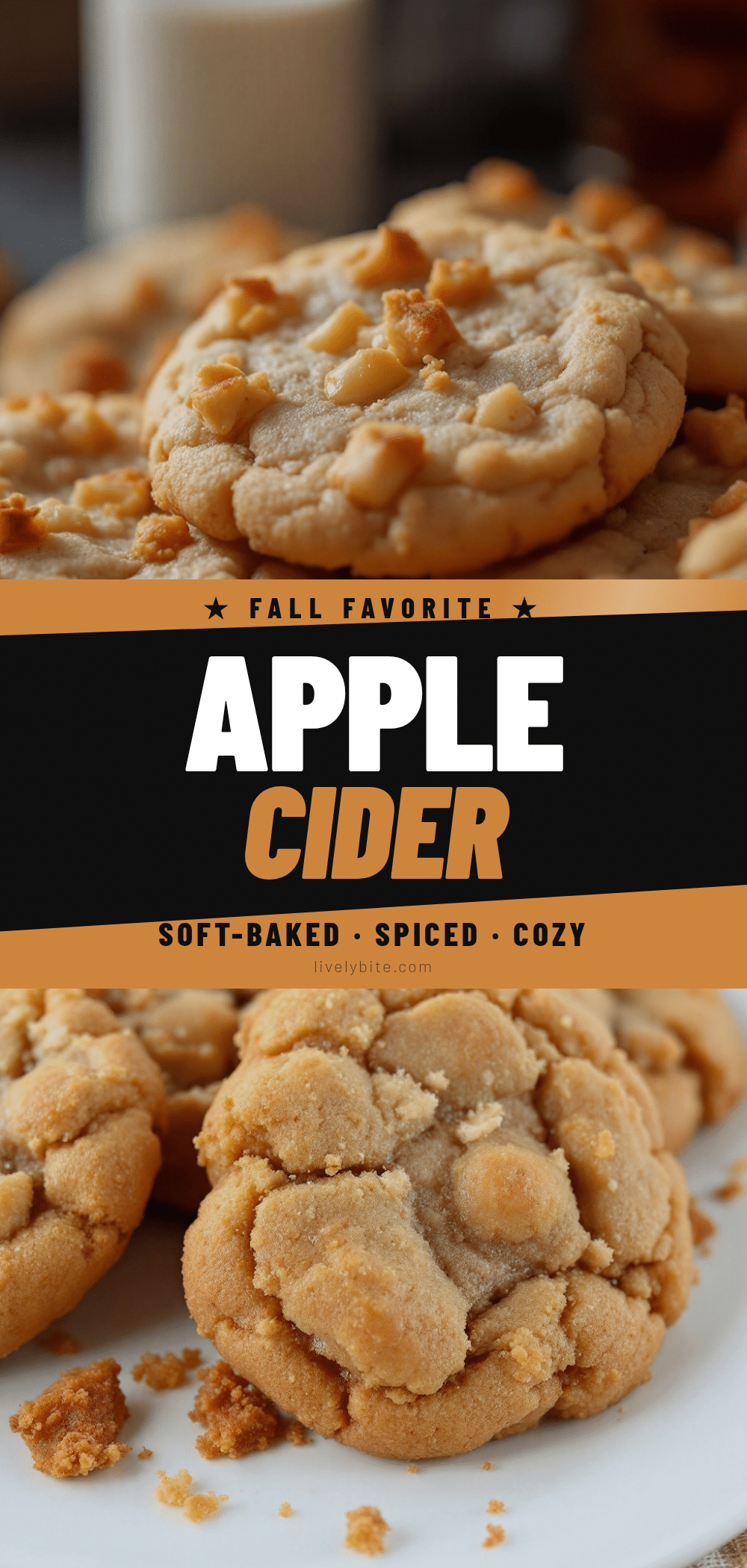
Soft-Baked Apple Cider Cookies: Easy Fall Recipe

These soft-baked apple cider cookies are pillowy, fragrant, and have that unmistakable apple cider tang. Made with reduced apple cider syrup for intense flavor, they are the perfect fall treat that’s easy enough for a Tuesday afternoon bake.
- Prep Time: 20 minutes
- Cook Time: 12 minutes
- Total Time: 2 hours 32 minutes (includes 2 hours chilling)
- Yield: 24 servings 1x
- Category: Dessert
- Cuisine: American
Ingredients
- 2 cups apple cider (unfiltered)
- 1 cup unsalted butter, melted
- 1 cup granulated sugar
- 1/2 cup light brown sugar, packed
- 1 large egg, room temperature
- 1 egg yolk, room temperature
- 2 teaspoons vanilla extract
- 2 1/4 cups all-purpose flour
- 2 tablespoons cornstarch
- 1 teaspoon baking soda
- 1 teaspoon ground cinnamon
- 1/4 teaspoon ground nutmeg
- 1/2 teaspoon salt
- Optional: 1/4 cup granulated sugar + 1 teaspoon ground cinnamon (for coating)
Instructions
- Reduce the apple cider: Pour 2 cups of apple cider into a small saucepan. Bring to a boil over medium-high heat, then reduce heat to a steady simmer. Cook, stirring occasionally, until reduced to about 1/3 cup (15-20 minutes). The syrup should be thick and dark amber. Pour into a small bowl and let cool completely.
- Mix the wet ingredients: In a large bowl, whisk together melted butter, granulated sugar, and brown sugar until smooth. Add the egg, egg yolk, vanilla extract, and cooled apple cider syrup. Whisk vigorously until glossy and well-combined.
- Combine the dry ingredients: In a separate bowl, whisk together all-purpose flour, cornstarch, baking soda, cinnamon, nutmeg, and salt until no lumps remain.
- Bring it together: Gradually add dry ingredients to wet ingredients. Fold with a wooden spoon or rubber spatula until just combined. Do not overmix. Dough will be very soft and sticky.
- Chill the dough: Cover the bowl with plastic wrap and refrigerate for at least 2 hours, or up to 3 days.
- Preheat and prep: When ready to bake, preheat oven to 350°F (175°C). Line two baking sheets with parchment paper.
- Shape the cookies: If using cinnamon sugar coating, whisk 1/4 cup sugar and 1 teaspoon cinnamon together. Use a cookie scoop (about 1.5 tablespoons) to portion dough. Roll each ball smooth, then coat in cinnamon sugar mixture. Place on prepared baking sheets, spacing 2 inches apart.
- Bake: Bake for 10-12 minutes. Edges should be set and lightly golden, centers still soft and puffy. Do not overbake.
- Cool: Let cookies cool on baking sheet for 5 minutes, then transfer to a wire rack to cool completely.
Notes
Don’t rush the cider reduction; keep at a gentle simmer. The dough must be chilled for at least 2 hours to prevent spreading. Use a cookie scoop for uniform cookies. Let cookies rest on the pan for 5 minutes after baking. Store with a slice of bread to keep soft for up to 5 days.
Nutrition
- Serving Size: 1 cookie
- Calories: 185
- Sugar: 16
- Sodium: 120
- Fat: 9
- Saturated Fat: 5
- Carbohydrates: 26
- Protein: 2
Keywords: apple cider cookies, soft-baked cookies, fall cookies, apple cookies, easy cookie recipe