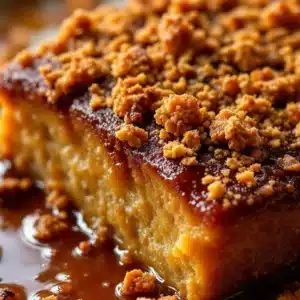
I want a slice of something that tastes like fall in every single bite. The problem is, most apple cakes are either too dense, too dry, or they just don’t have that concentrated apple flavor I’m chasing. I have the apples, I have the cinnamon, but what I really need is that deep, boiled-down essence of apple cider that makes a cake taste like you’re biting into a crisp October afternoon. That’s when it hit me—I don’t need more apple chunks, I need apple cider reduced to a syrupy concentrate. This Perfect Apple Cider Bundt Cake with Salted Caramel Drizzle was born from that very specific craving.
You know how sometimes you buy a half-gallon of fresh apple cider, drink a glass or two, and then it sits in the fridge? That’s exactly what happened. I stared at that jug, knowing I needed something more than just another muffin recipe. I wanted a cake that felt special, the kind you bring to a gathering and everyone asks for the recipe before they’ve even finished their slice.
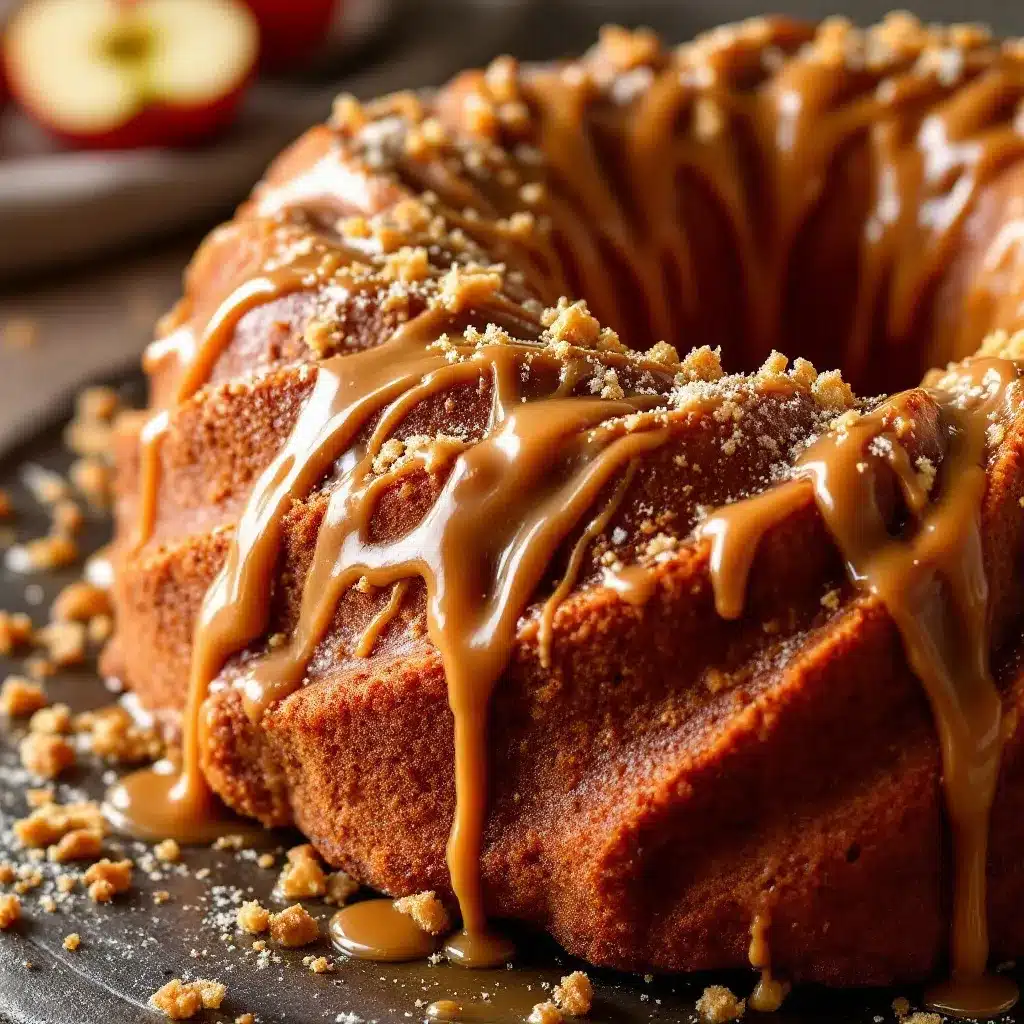
This isn’t just another bundt cake. The apple cider reduction does something magical—it concentrates all that fruity, tangy sweetness into a flavor that permeates every crumb. Then you add a salted caramel drizzle that’s rich, buttery, and just salty enough to balance everything out. It’s the kind of dessert that makes you close your eyes after the first bite. Honestly, it’s the only apple cake recipe you’ll ever need.
Why You’ll Love This Recipe
After testing this recipe about six times (my family was very patient), I can confidently say this bundt cake delivers on every level. It’s not just good—it’s the kind of cake that disappears before you’ve had a chance to grab a second slice.
- Intense Apple Flavor Without the Fuss : By reducing fresh apple cider into a syrup, you get a concentrated apple taste that infuses the entire cake. No chopping apples, no peeling—just pure, distilled flavor.
- Perfectly Moist Texture : The combination of oil, buttermilk, and that cider reduction creates a crumb that’s tender and stays moist for days. I’ve tested this with both oil and butter, and trust me, the oil wins for texture here.
- Simple Pantry Ingredients : Nothing fancy here. You probably have most of these ingredients already—flour, sugar, eggs, butter, and a jug of apple cider from your last farmers market trip.
- Impressive Without Stress : A bundt cake looks stunning with its elegant shape and glossy caramel drizzle, but it’s actually one of the easiest cakes to make. No layering, no frosting skills required.
- Make-Ahead Friendly : This cake actually tastes better the next day. The flavors meld together and the texture becomes even more tender overnight. Perfect for holiday prep.
- That Salted Caramel Drizzle : Let’s be real—the caramel is the star. It’s silky, rich, and the flaky sea salt on top creates that sweet-salty contrast that makes this cake absolutely addictive.
I’ve made this for Thanksgiving, for casual Sunday brunches, and for no reason at all except that I wanted a really good piece of cake. Every single time, people ask for the recipe. It’s become my signature fall dessert, and I have a feeling it’ll become yours too.
What Ingredients You Will Need
This recipe uses simple, wholesome ingredients that work together to create something truly special. The magic really happens when you reduce the apple cider, so don’t skip that step—it’s the heart of this cake.
For the Apple Cider Reduction
- 2 cups fresh apple cider (not apple juice—cider has more depth and a slightly tangy flavor)
- 1 cinnamon stick (optional, but adds a lovely warmth as it reduces)
For the Bundt Cake
- 3 cups all-purpose flour (spooned and leveled—don’t scoop directly from the bag)
- 2 teaspoons baking powder
- 1 teaspoon baking soda
- 1 teaspoon ground cinnamon
- ½ teaspoon ground nutmeg (freshly grated if you have it—it makes a difference)
- ½ teaspoon salt
- 1 cup unsalted butter, softened (I use Kerrygold for its richness)
- 1 cup granulated sugar
- ½ cup light brown sugar, packed
- 3 large eggs, room temperature
- 1 teaspoon vanilla extract
- ½ cup buttermilk, room temperature (or make your own by adding 1 tablespoon lemon juice to ½ cup milk)
- ½ cup apple cider reduction (cooled)
For the Salted Caramel Sauce
- ½ cup unsalted butter
- 1 cup light brown sugar, packed
- ½ cup heavy cream
- 1 teaspoon vanilla extract
- ½ teaspoon flaky sea salt (plus more for sprinkling on top)
I recommend using a good quality apple cider for this recipe—something from a local orchard if you can find it. The flavor difference is noticeable. For the caramel, don’t be tempted to use salted butter and skip the added salt; using unsalted butter gives you more control over the final saltiness.
If you need a dairy-free option, you can substitute the buttermilk with a plant-based milk mixed with a little lemon juice, and use a high-quality vegan butter for both the cake and the caramel. The texture will be slightly different, but still delicious.
Equipment Needed
You don’t need a professional bakery setup to make this cake, but having the right tools makes the process smoother and more enjoyable.
- 10 to 12-cup bundt pan : This is non-negotiable. A smaller pan will overflow, and a larger one will give you a flat cake. I love my Nordic Ware bundt pan—it releases cakes perfectly and creates those beautiful, sharp ridges that catch every bit of caramel.
- Small saucepan : For reducing the apple cider. A 1 to 2-quart saucepan works perfectly.
- Medium saucepan : For making the caramel sauce. A heavy-bottomed pan is ideal to prevent scorching.
- Electric mixer : A stand mixer or hand mixer works well. You need to cream the butter and sugar thoroughly, and doing it by hand takes forever.
- Large mixing bowls : At least two—one for dry ingredients, one for wet.
- Whisk and spatula : A good silicone spatula is your best friend for scraping down the bowl and folding ingredients.
- Cooling rack : Essential for letting the cake cool evenly before glazing.
- Pastry brush : For greasing every nook and cranny of your bundt pan (trust me on this one).
If you don’t have a bundt pan, you can bake this in two 9-inch loaf pans or a 9×13-inch sheet pan. Just adjust the baking time—loaves will take about 45-50 minutes, and a sheet pan about 30-35 minutes. The presentation won’t be as dramatic, but the flavor will still be incredible.
Preparation Method
Let’s get baking. I’ll walk you through every step so you get that perfect, tender crumb and glossy caramel every single time.
Step 1: Reduce the Apple Cider
Pour the 2 cups of apple cider into a small saucepan. Add the cinnamon stick if using. Bring it to a boil over medium-high heat, then reduce the heat to medium-low and let it simmer gently. You want it to reduce down to about ½ cup of concentrated syrup. This takes about 20-25 minutes. The cider will thicken slightly and smell intensely of apples. Remove the cinnamon stick and let the reduction cool completely. You can do this a day ahead—just store it in the fridge.
Step 2: Preheat and Prep the Pan
Preheat your oven to 350°F (175°C). Grease your bundt pan thoroughly with softened butter or a baking spray that contains flour. Use a pastry brush to get into all those ridges—this is the most important step for a clean release. Dust the pan with a light coating of flour, tap out the excess, and set it aside.
Step 3: Mix the Dry Ingredients
In a large bowl, whisk together the flour, baking powder, baking soda, cinnamon, nutmeg, and salt. This ensures the leavening agents and spices are evenly distributed throughout the cake. Set this aside for now.
Step 4: Cream the Butter and Sugars
In the bowl of your stand mixer fitted with the paddle attachment (or using a hand mixer), beat the softened butter, granulated sugar, and brown sugar together on medium speed for 3-4 minutes. You want it light and fluffy—the mixture should look pale and increase in volume. Scrape down the sides and bottom of the bowl at least once.
Step 5: Add the Eggs and Vanilla
Add the eggs one at a time, beating well after each addition. This helps the emulsion stay stable. Add the vanilla extract and beat until combined. The mixture might look slightly curdled at this point—that’s okay, especially if your eggs were cold. Room temperature ingredients really do help here.
Step 6: Alternate the Dry and Wet Ingredients
With the mixer on low speed, add about one-third of the flour mixture. Mix until just combined. Add half of the buttermilk and mix. Repeat with another third of the flour, the remaining buttermilk, and finally the last of the flour. Be careful not to overmix—stop as soon as you no longer see streaks of flour.
Step 7: Add the Cider Reduction
Gently fold in the cooled apple cider reduction with a spatula. You want it fully incorporated, but don’t stir vigorously. The batter should be thick and smell amazing at this point.
Step 8: Bake the Cake
Pour the batter into the prepared bundt pan and spread it evenly. Tap the pan gently on the counter a few times to release any air bubbles. Bake for 50-60 minutes, or until a toothpick inserted into the center comes out clean or with just a few moist crumbs. The top should be golden brown and spring back when lightly touched.
Let the cake cool in the pan on a wire rack for 15 minutes. Then, carefully invert it onto the rack to cool completely. Don’t rush this—if you try to unmold it too soon, it might stick and break apart.
Step 9: Make the Salted Caramel
While the cake cools, make the caramel. In a medium saucepan over medium heat, melt the butter. Add the brown sugar and whisk until combined. Slowly pour in the heavy cream while whisking continuously. Bring the mixture to a gentle boil, then reduce the heat and let it simmer for 3-4 minutes, stirring occasionally. It should thicken slightly. Remove from heat and stir in the vanilla extract and flaky sea salt. Let it cool for about 10 minutes—it will thicken more as it cools.
Step 10: Glaze the Cake
Once the cake is completely cool, place it on your serving plate. Slowly pour the salted caramel over the top, letting it drip down the sides in those beautiful rivulets. Sprinkle a little extra flaky sea salt on top for that perfect finish.
Cooking Tips & Techniques
I’ve made this cake enough times to know exactly where things can go wrong. Here are the lessons I learned the hard way so you don’t have to.
Don’t rush the cider reduction. The first time I made this, I tried to speed up the process by using high heat. The cider burned, and I had to start over. Low and slow is the way to go. You want it to reduce gently so the apple flavor concentrates without any bitter notes.
Room temperature ingredients matter. I know, everyone says this, but it’s true. Cold eggs and cold buttermilk will seize the butter in your creamed mixture, leading to a denser cake. Take the eggs and buttermilk out of the fridge about 30 minutes before you start baking. If you forget, place the eggs in a bowl of warm water for 5 minutes and microwave the buttermilk for 10 seconds.
Grease that pan like your life depends on it. I once thought I had greased my bundt pan thoroughly, only to have half the cake stick to the pan. It was heartbreaking. Use a pastry brush to get into every crevice, and don’t skip the flour dusting. A baking spray with flour (like Baker’s Joy) works wonders.
Watch the caramel carefully. Caramel can go from perfect to burnt in seconds. When you add the cream, it will bubble up vigorously—that’s normal. Just keep whisking. And don’t skip the salt; it balances the sweetness and makes the apple flavor pop.
Let the cake cool completely. I know it’s tempting to pour that warm caramel over a slightly warm cake, but patience pays off here. If the cake is too warm, the caramel will slide right off and pool at the bottom. A completely cool cake holds the glaze beautifully.
If you’re making this for a special occasion, I recommend baking the cake a day ahead. Wrap it tightly in plastic wrap once it’s cool, and store it at room temperature. The flavors actually deepen overnight, and the texture becomes even more tender. Then just make the caramel and glaze it right before serving.
Variations & Adaptations
One of the best things about this recipe is how adaptable it is. I’ve played around with different versions, and here are some of my favorites.
Gluten-Free Version : Substitute the all-purpose flour with a high-quality 1:1 gluten-free baking flour blend. I’ve had great results with King Arthur Measure for Measure. Add 1 teaspoon of xanthan gum if your blend doesn’t already include it. The texture will be slightly more delicate, so handle the cake gently when unmolding.
Spiced Chai Twist : Add 1 teaspoon of chai spice blend to the dry ingredients along with the cinnamon and nutmeg. The cardamom and ginger notes complement the apple cider beautifully. I made this version for a fall brunch, and it was gone in minutes.
Apple Cider Donut Muffins : If you don’t want a whole cake, this batter makes amazing muffins. Grease a muffin tin and fill each cup about two-thirds full. Bake at 350°F for 18-20 minutes. While they’re still warm, dip the tops in melted butter and then in cinnamon sugar. They taste just like apple cider donuts.
Dairy-Free Adaptation : Use a high-quality vegan butter for both the cake and the caramel. Substitute the buttermilk with ½ cup of unsweetened almond milk mixed with 1 tablespoon of lemon juice. The cake will be slightly less tender, but still incredibly flavorful.
Add Some Texture : Fold in ½ cup of toasted pecans or walnuts along with the cider reduction. The crunch adds a lovely contrast to the tender crumb. I sometimes add ½ cup of dried cranberries too, for little bursts of tartness.
Serving & Storage Suggestions
This cake is a showstopper, and how you serve it can make it even more special.
Serving Temperature : Serve the cake at room temperature. Cold cake tends to be denser, and the caramel hardens in the fridge. Let it sit out for about 30 minutes before serving for the best texture and flavor.
Presentation Ideas : Place the glazed cake on a beautiful cake stand. Add a few fresh apple slices, some cinnamon sticks, and a sprinkle of nutmeg around the base for a gorgeous fall tablescape. If you’re feeling extra fancy, add a dollop of lightly sweetened whipped cream or a scoop of vanilla ice cream on the side.
What to Serve With It : This cake pairs beautifully with a hot cup of spiced chai, a mug of hot apple cider, or a strong cup of coffee. For a full fall dessert spread, serve it alongside a Refreshing Cucumber Mint Green Tea Cooler for a contrasting palate cleanser, or pair it with the Easy Slow Cooker Honey Garlic Chicken Meal Prep Bowls for a sweet-savory dinner combination that’s surprisingly perfect for autumn.
Storage Instructions : Store the cake in an airtight container at room temperature for up to 3 days. If you’ve already glazed it, place a piece of parchment paper over the cut surface to keep it from drying out. The caramel will soften the cake slightly, which is honestly a good thing.
Freezing : You can freeze the unglazed cake for up to 3 months. Wrap it tightly in plastic wrap, then in a layer of aluminum foil. When you’re ready to serve, thaw it overnight in the refrigerator, bring it to room temperature, and then make the caramel glaze fresh. I’ve done this for Thanksgiving prep, and it works beautifully.
Reheating : If you want that just-baked warmth, microwave individual slices for about 15 seconds. The caramel will soften, and the cake will taste like it just came out of the oven.
Nutritional Information & Benefits
Let’s be honest—this is a decadent dessert, not a health food. But knowing what’s in it helps you enjoy it mindfully.
Estimated Nutritional Values (per slice, based on 12 servings) :
- Calories: 485
- Fat: 24g
- Saturated Fat: 15g
- Carbohydrates: 64g
- Sugar: 42g
- Fiber: 1g
- Protein: 5g
- Sodium: 320mg
Health Highlights : Apple cider contains antioxidants called polyphenols, which may help reduce inflammation. The cinnamon in this recipe has been shown to help regulate blood sugar levels. And while the caramel is indulgent, using real butter and cream means you’re avoiding the artificial ingredients found in store-bought caramel sauces.
Dietary Considerations : This recipe contains gluten, dairy, and eggs. For a gluten-free version, see the variations section above. For a dairy-free option, use vegan butter and plant-based milk. This recipe is not suitable for a low-carb or keto diet due to the sugar content.
Allergen Notes : Contains wheat, dairy, and eggs. May contain traces of nuts if you add the optional pecan or walnut variation.
I believe in balance. This cake is meant for celebrations, for cozy weekends, for sharing with people you love. Enjoy a slice, savor every bite, and don’t feel guilty about it. Food is meant to bring joy, and this cake delivers that in spades.
Frequently Asked Questions
Can I use apple juice instead of apple cider?
Technically yes, but the flavor won’t be as deep or complex. Apple juice is typically filtered and sweeter, while apple cider has a tangier, more robust apple flavor. If you only have apple juice, reduce it the same way, but consider adding a tablespoon of lemon juice to mimic that slight tartness.
Why did my bundt cake stick to the pan?
This usually happens for one of two reasons: the pan wasn’t greased thoroughly enough, or the cake wasn’t cooled long enough before unmolding. Make sure you use a pastry brush to get butter or baking spray into every ridge of the pan. And wait the full 15 minutes before inverting—patience is key here.
Can I make this cake without a bundt pan?
Absolutely. You can bake this batter in two 9×5-inch loaf pans (bake for 45-50 minutes) or a 9×13-inch sheet pan (bake for 30-35 minutes). The presentation will be different, but the flavor is just as amazing. If using loaf pans, you can double the caramel recipe for extra drizzle.
How do I know when the apple cider reduction is done?
The cider should reduce from 2 cups to about ½ cup. It will be syrupy, slightly thickened, and intensely fragrant. You’ll notice it coats the back of a spoon. If you’re unsure, pour it into a liquid measuring cup—it should measure exactly ½ cup. Don’t reduce it further, or it will become too sticky and concentrated.
Can I use store-bought caramel sauce instead of making my own?
You can, but I really recommend making the homemade salted caramel. It’s surprisingly easy and tastes infinitely better than anything from a jar. The homemade version has a richer, more buttery flavor, and you can control the salt level. If you’re in a pinch, warm up a good quality store-bought caramel and stir in a pinch of flaky sea salt.
Conclusion
This Perfect Apple Cider Bundt Cake with Salted Caramel Drizzle is everything I want in a fall dessert—deeply flavorful, beautifully moist, and impressive enough for any gathering. The apple cider reduction is the secret weapon here, giving you that concentrated apple taste without any fussy peeling or chopping. And that salted caramel drizzle? It’s the kind of thing that makes people close their eyes and sigh with happiness.
I love how adaptable this recipe is. Whether you make it for Thanksgiving, a cozy Sunday brunch, or just because you have a jug of apple cider that needs using up, it never disappoints. It’s become my go-to fall dessert, and I have a feeling it’ll become yours too.
If you’re looking for other cozy, comforting recipes, you might enjoy the Easy Lemon Herb Salmon Sheet Pan Dinner for a quick weeknight meal, or the Easy Mediterranean Stuffed Mini Peppers with Feta for a simple appetizer that pairs beautifully with this cake for a fall gathering.
I’d love to hear how your cake turns out! Leave a comment below and let me know if you tried any variations or if this recipe became a new family favorite. And if you’re looking for more inspiration, check out all our recipes for more delicious ideas. Happy baking, friends!
Pin This Recipe!
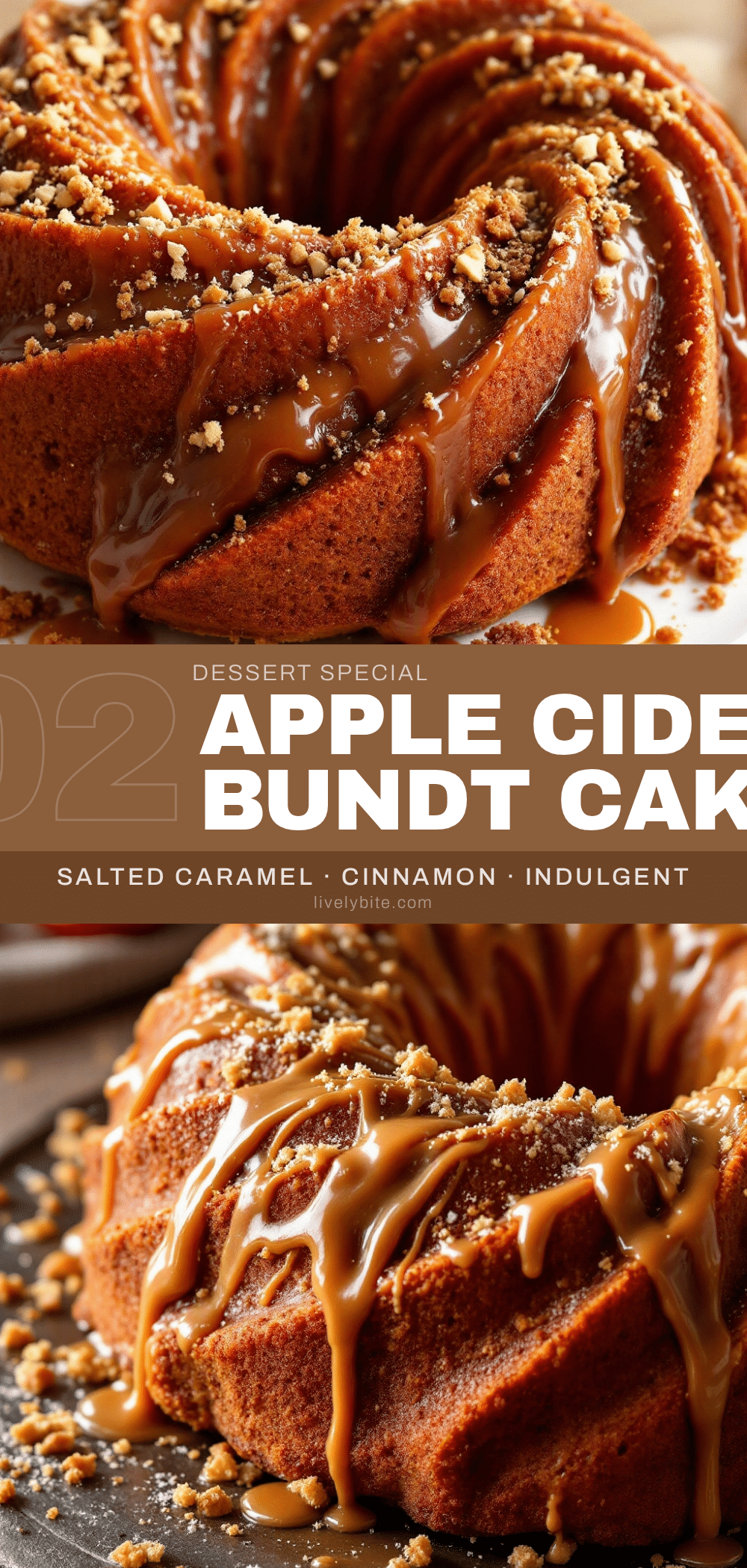
Perfect Apple Cider Bundt Cake with Salted Caramel Glaze
This Perfect Apple Cider Bundt Cake with Salted Caramel Drizzle is everything you want in a fall dessert—deeply flavorful, beautifully moist, and impressive enough for any gathering. The apple cider reduction gives you concentrated apple taste without any fussy peeling or chopping, and the salted caramel drizzle creates a sweet-salty contrast that makes this cake absolutely addictive.
- Prep Time: 30 minutes
- Cook Time: 55 minutes
- Total Time: 1 hour 25 minutes
- Yield: 12 servings 1x
- Category: Dessert
- Cuisine: American
Ingredients
- 2 cups fresh apple cider
- 1 cinnamon stick (optional)
- 3 cups all-purpose flour (spooned and leveled)
- 2 teaspoons baking powder
- 1 teaspoon baking soda
- 1 teaspoon ground cinnamon
- ½ teaspoon ground nutmeg (freshly grated if possible)
- ½ teaspoon salt
- 1 cup unsalted butter, softened
- 1 cup granulated sugar
- ½ cup light brown sugar, packed
- 3 large eggs, room temperature
- 1 teaspoon vanilla extract
- ½ cup buttermilk, room temperature
- ½ cup apple cider reduction (cooled)
- ½ cup unsalted butter (for caramel)
- 1 cup light brown sugar, packed (for caramel)
- ½ cup heavy cream (for caramel)
- 1 teaspoon vanilla extract (for caramel)
- ½ teaspoon flaky sea salt (for caramel, plus more for sprinkling)
Instructions
- Reduce the apple cider: Pour 2 cups of apple cider into a small saucepan. Add the cinnamon stick if using. Bring to a boil over medium-high heat, then reduce heat to medium-low and simmer gently until reduced to about ½ cup of concentrated syrup (about 20-25 minutes). Remove cinnamon stick and let cool completely.
- Preheat oven to 350°F (175°C). Grease a 10 to 12-cup bundt pan thoroughly with softened butter or baking spray containing flour. Dust with flour, tap out excess, and set aside.
- In a large bowl, whisk together flour, baking powder, baking soda, cinnamon, nutmeg, and salt.
- In the bowl of a stand mixer fitted with the paddle attachment (or using a hand mixer), beat softened butter, granulated sugar, and brown sugar together on medium speed for 3-4 minutes until light and fluffy. Scrape down sides and bottom of bowl at least once.
- Add eggs one at a time, beating well after each addition. Add vanilla extract and beat until combined.
- With mixer on low speed, add about one-third of the flour mixture and mix until just combined. Add half of the buttermilk and mix. Repeat with another third of flour, remaining buttermilk, and final third of flour. Stop mixing as soon as no streaks of flour remain.
- Gently fold in the cooled apple cider reduction with a spatula until fully incorporated.
- Pour batter into prepared bundt pan and spread evenly. Tap pan gently on counter a few times to release air bubbles. Bake for 50-60 minutes, or until a toothpick inserted into the center comes out clean or with just a few moist crumbs. The top should be golden brown and spring back when lightly touched.
- Let cake cool in pan on a wire rack for 15 minutes. Carefully invert onto rack to cool completely.
- While cake cools, make the salted caramel: In a medium saucepan over medium heat, melt the butter. Add brown sugar and whisk until combined. Slowly pour in heavy cream while whisking continuously. Bring to a gentle boil, then reduce heat and simmer for 3-4 minutes, stirring occasionally, until slightly thickened. Remove from heat and stir in vanilla extract and flaky sea salt. Let cool for about 10 minutes (it will thicken more as it cools).
- Once cake is completely cool, place on serving plate. Slowly pour salted caramel over the top, letting it drip down the sides. Sprinkle extra flaky sea salt on top.
Notes
Don’t rush the cider reduction—low and slow prevents burning. Room temperature ingredients are crucial for best texture. Grease the bundt pan thoroughly with a pastry brush to ensure clean release. Let cake cool completely before glazing to prevent caramel from sliding off. Cake tastes even better the next day; can be baked a day ahead and stored tightly wrapped at room temperature. For gluten-free version, use a 1:1 gluten-free flour blend with xanthan gum. For dairy-free, use vegan butter and plant-based milk with lemon juice.
Nutrition
- Serving Size: 1 slice
- Calories: 485
- Sugar: 42
- Sodium: 320
- Fat: 24
- Saturated Fat: 15
- Carbohydrates: 64
- Fiber: 1
- Protein: 5
Keywords: apple cider bundt cake, salted caramel bundt cake, fall dessert, apple cake, bundt cake recipe, apple cider reduction, salted caramel glaze