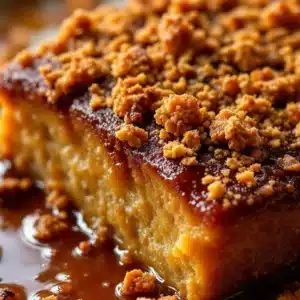
The third time I made this creamy butternut squash sage lasagna in a single week, I didn’t even bother pretending it was for anything other than pure, selfish craving. My kitchen counter had a permanent dusting of flour, the sage plant on my windowsill was looking suspiciously bare, and I was starting to wonder if my family would stage an intervention.
Each batch got a little better. The first one was good—creamy, yes, but the flavors felt like they were standing on opposite sides of the pan, not dancing together. The second attempt? Closer. I had figured out that roasting the squash until the edges caramelized made all the difference, and the béchamel finally hit that silky, luxurious consistency I was chasing. But the third one, on a chilly Thursday evening when the rain wouldn’t quit and I needed something warm and grounding—that one clicked. The nuttiness of the browned butter, the earthy whisper of sage, the sweet creaminess of the squash, all wrapped up in tender pasta sheets. It was the kind of meal that makes you forget you were tired.
I honestly didn’t set out to make a lasagna that would take over my week. But there’s something about this combination that feels both special and deeply comforting. It’s not the lasagna you grew up eating (probably), but it might just become the one you crave when the weather turns crisp and you want to slow down in the kitchen. This creamy butternut squash sage lasagna is proof that a little bit of obsession in the kitchen can lead to something genuinely worth sharing.
Why You’ll Love This Recipe
Look, I’ve tested a lot of lasagnas over the years. Some are too heavy, some are too dry, and some just don’t deliver on flavor. This one hits different, and here is why you’ll want to make it your new cold-weather staple.
- Incredibly Creamy Without Being Heavy: The béchamel sauce here is made with whole milk and a touch of cream, but it’s the roasted butternut squash that does the heavy lifting. It blends into the sauce, creating a velvety texture that feels indulgent without weighing you down.
- Bold, Earthy Flavor: Fresh sage and nutmeg are the unsung heroes here. They complement the natural sweetness of the squash and add a layer of complexity that makes this lasagna feel restaurant-worthy.
- Perfect for Make-Ahead Meals: This lasagna actually gets better after a day in the fridge. The flavors meld together, and the texture sets beautifully. It’s a dream for meal prep or for feeding a crowd without last-minute stress.
- Crowd-Pleasing Showstopper: I’ve served this to vegetarians and meat-lovers alike, and it disappears every single time. It’s hearty enough to be the main event, yet elegant enough for a holiday table.
- Simple Ingredients, Complex Result: You won’t find any weird processed stuff here. Just real, whole ingredients that come together to create something truly special. It’s the kind of recipe that makes you feel like a kitchen wizard without the complicated techniques.
This isn’t just another lasagna recipe. It’s the one I turn to when I want to impress without stress, when I need a hug in a baking dish, and when I want to remind myself that simple, honest cooking is always the best kind.
What Ingredients You Will Need
This creamy butternut squash sage lasagna relies on a handful of quality ingredients that work together beautifully. Most of these are pantry or produce staples, especially during fall and winter. Let’s break down what you need and why each one matters.
- Butternut Squash (1 medium, about 3 pounds): You want a squash that feels heavy for its size and has a firm, unblemished skin. I prefer to roast it myself rather than using pre-cut cubes, as the roasting deepens the flavor. (Pro tip: Look for squash with a long neck—more usable flesh, fewer seeds.)
- Fresh Sage Leaves (1/2 cup, packed): Dried sage simply won’t do here. Fresh sage has a soft, almost fuzzy texture and a gentle, earthy aroma that mellows beautifully when cooked. You’ll use some in the sauce and some as a garnish.
- Unsalted Butter (6 tablespoons): We’re browning half of this for the sauce, which adds a nutty, toasty flavor that is the backbone of the dish. Use unsalted so you can control the salt level.
- Whole Milk (4 cups): Full-fat milk creates the creamiest béchamel. You can use 2% in a pinch, but the sauce won’t be as luxuriously thick. (I’ve tried it with oat milk for a dairy-free version, and while it works, the texture is noticeably thinner.)
- Heavy Cream (1/2 cup): Just a splash adds richness and helps the sauce cling to the pasta. Don’t skip it.
- All-Purpose Flour (1/4 cup): This thickens the béchamel. For a gluten-free version, you can use a 1:1 gluten-free flour blend, but whisk it thoroughly to avoid lumps.
- Garlic (4 cloves, minced): Fresh garlic, not the jarred stuff. It adds a subtle savory note that balances the sweetness of the squash.
- Fresh Nutmeg (1/2 teaspoon, grated): Pre-ground nutmeg is fine, but freshly grated is a game-changer. It has a warmer, more aromatic flavor that really shines here.
- Salt and Black Pepper (to taste): I use fine sea salt for the sauce and flaky salt for finishing.
- No-Boil Lasagna Noodles (12 sheets): I love no-boil noodles for convenience. They absorb the moisture from the sauce perfectly during baking. If you prefer traditional noodles, cook them 2 minutes less than the package directions.
- Whole Milk Ricotta Cheese (15 ounces): Look for a good-quality ricotta that is creamy, not grainy. I like Galbani or a local artisan brand.
- Mozzarella Cheese (3 cups, shredded): Low-moisture, part-skim mozzarella melts beautifully without making the lasagna greasy. Shred it yourself from a block—the pre-shredded stuff has anti-caking agents that affect melting.
- Parmesan Cheese (1 cup, freshly grated): Please, for the love of all things cheesy, buy a wedge and grate it yourself. The flavor is incomparably better than the green can.
- Olive Oil (2 tablespoons): For roasting the squash. A good extra-virgin olive oil adds a subtle fruity note.
- Brown Sugar (1 tablespoon, optional): If your butternut squash isn’t super sweet, a tiny bit of brown sugar enhances its natural sweetness. I only use this in early fall when squash is less mature.
Equipment Needed
You don’t need a professional kitchen to pull off this creamy butternut squash sage lasagna, but a few key tools will make the process smoother and more enjoyable.
- 9×13-inch Baking Dish: This is the standard size for a lasagna. A ceramic or glass dish works best for even heat distribution. (I have a vintage Pyrex dish that I swear by—it’s never let me down.)
- Large Skillet or Saucepan: For making the béchamel. A heavy-bottomed pan prevents scorching.
- Baking Sheet: For roasting the squash. Line it with parchment paper for easy cleanup.
- Immersion Blender or Regular Blender: To puree the roasted squash into a silky sauce. An immersion blender is easier, but a regular blender works just fine—just be careful with the hot liquid.
- Chef’s Knife and Cutting Board: For prepping the squash and garlic. A sharp knife is non-negotiable for safely cutting through a hard squash.
- Box Grater or Microplane: For grating the Parmesan and nutmeg. A microplane gives you that fine, fluffy texture.
- Whisk: Essential for a lump-free béchamel. A silicone whisk is great because it won’t scratch your pans.
- Mixing Bowls: A couple of medium bowls for the ricotta mixture and shredded cheese.
- Aluminum Foil: For covering the lasagna during the first part of baking to prevent the top from burning.
If you don’t have an immersion blender, no worries. A potato masher or a fork can work if you mash the squash thoroughly, though the texture won’t be as smooth.
Preparation Method
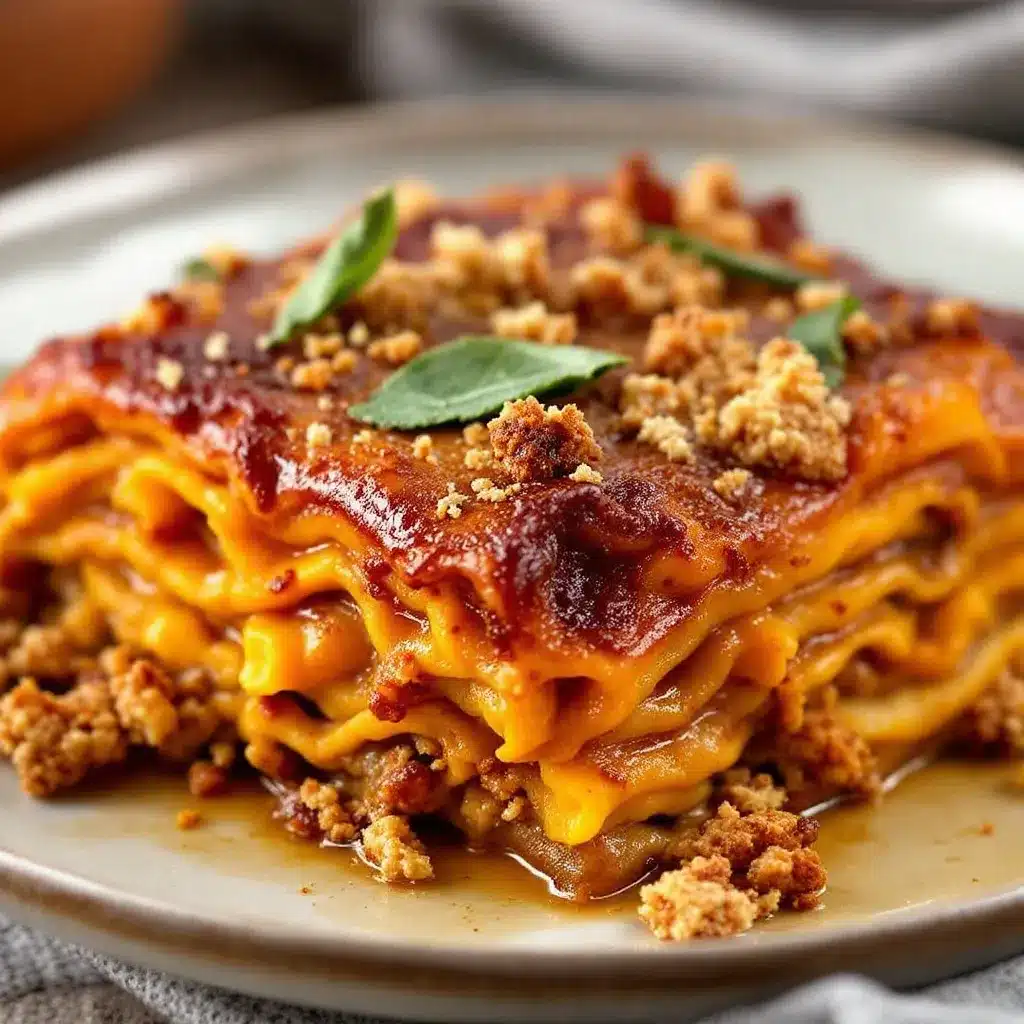
Let’s get cooking. This recipe takes a little time, but most of it is hands-off. The result is absolutely worth every minute.
- Preheat and Prep the Squash: Preheat your oven to 400°F (200°C). Cut the butternut squash in half lengthwise and scoop out the seeds. Drizzle the cut sides with olive oil and sprinkle with a pinch of salt and pepper. Place the halves cut-side down on a parchment-lined baking sheet. Roast for 40-50 minutes, until the flesh is fork-tender and the edges are lightly caramelized. Let it cool slightly, then scoop the flesh into a bowl. You should have about 3 cups of roasted squash.
- Make the Sage Béchamel: While the squash roasts, start the sauce. In a large saucepan over medium heat, melt 3 tablespoons of butter. Let it cook, swirling the pan occasionally, until it turns a light golden brown and smells nutty—about 3-4 minutes. Add the minced garlic and half the fresh sage leaves (roughly chopped), and cook for 30 seconds until fragrant. Whisk in the flour and cook for 1 minute, stirring constantly. Slowly pour in the milk, whisking continuously to prevent lumps. Add the heavy cream and bring the mixture to a gentle simmer. Cook for 5-7 minutes, whisking often, until the sauce thickens enough to coat the back of a spoon. Remove from heat and stir in the grated nutmeg, 1/2 teaspoon of salt, and a few cracks of black pepper.
- Blend the Squash Sauce: Add the roasted butternut squash to the béchamel. Use an immersion blender directly in the pot (or transfer to a regular blender in batches) and puree until completely smooth. Taste and adjust seasoning—you might want a little more salt or a pinch of brown sugar if the squash isn’t very sweet. Set aside.
- Prepare the Ricotta Mixture: In a medium bowl, combine the ricotta cheese, 1 cup of shredded mozzarella, 1/2 cup of grated Parmesan, a pinch of salt, and a few cracks of black pepper. Stir in 1 tablespoon of finely chopped fresh sage. Mix well and set aside.
- Assemble the Lasagna: Spread a thin layer (about 1/2 cup) of the squash béchamel on the bottom of your 9×13-inch baking dish. This prevents the noodles from sticking. Place 3 no-boil lasagna sheets on top, slightly overlapping if needed. Spread 1/3 of the remaining squash béchamel over the noodles. Dollop 1/3 of the ricotta mixture over the sauce and gently spread it. Sprinkle 1/3 of the remaining mozzarella and a little Parmesan. Repeat the layers: noodles, sauce, ricotta, mozzarella, Parmesan—two more times. For the final layer, add the last 3 noodles, the remaining sauce (you want a generous coating on top), and the rest of the mozzarella and Parmesan. Sprinkle the remaining fresh sage leaves over the top for a beautiful finish.
- Bake to Perfection: Cover the baking dish tightly with aluminum foil. Bake at 375°F (190°C) for 30 minutes. Remove the foil and bake for another 20-25 minutes, until the top is golden and bubbly, and the edges are slightly crispy. Let the lasagna rest for at least 15 minutes before slicing. This is crucial—it allows the layers to set so you get clean, beautiful slices instead of a soupy mess.
Cooking Tips & Techniques
After making this creamy butternut squash sage lasagna way too many times in one week, I picked up a few things that I wish I had known from the start.
Don’t rush the squash roasting. I know it’s tempting to microwave it to save time, but you lose that deep, caramelized flavor. The edges should be slightly browned and sticky. That’s where the magic happens. If your squash is roasted perfectly, you barely need any seasoning.
Brown the butter properly. This is non-negotiable. The nutty aroma of browned butter is what elevates the entire dish. Watch it carefully—it goes from brown to burnt in seconds. Swirl the pan and trust your nose. When it smells like toasted hazelnuts, you’re there.
Season each layer. This is a mistake I made the first time. I seasoned the sauce well, but the ricotta layer was bland. Every component needs a little salt and pepper. Taste the ricotta mixture before you assemble. It should be flavorful on its own.
Let it rest. I cannot stress this enough. If you cut into this lasagna right out of the oven, you’ll get a beautiful, molten mess. Fifteen minutes of patience gives you picture-perfect slices and allows the flavors to settle. Use that time to set the table or make a simple green salad.
Use a sharp knife for slicing. A dull knife will squish the layers. Run your knife under hot water between cuts for the cleanest slices. (I learned this from a friend who used to work in a restaurant kitchen.)
Variations & Adaptations
One of the best things about this creamy butternut squash sage lasagna is how flexible it is. Here are some ways to make it your own.
- Make it Vegetarian (It Already Is!): This recipe is naturally vegetarian. For a vegan version, use a plant-based milk and cream, vegan butter, and your favorite dairy-free cheeses. I’ve tried it with cashew ricotta, and it was surprisingly good.
- Add Some Greens: Sautéed spinach or kale makes a wonderful addition. Layer it between the sauce and ricotta for extra color and nutrients. Wilt the greens first to remove excess moisture.
- Swap the Squash: If butternut squash isn’t available, try pumpkin, kabocha, or even sweet potatoes. Each will bring a slightly different sweetness and texture. Kabocha gives a denser, richer result.
- Go Gluten-Free: Use gluten-free lasagna noodles (the no-boil kind works best) and a 1:1 gluten-free flour blend for the béchamel. The texture will be slightly different, but the flavor is still fantastic.
- Add Protein: For a heartier version, add a layer of cooked Italian sausage (remove the casings and crumble it) or shredded rotisserie chicken. Brown the sausage first to render the fat and add flavor.
- Spice It Up: A pinch of red pepper flakes in the béchamel adds a gentle warmth that contrasts beautifully with the sweet squash. I do this when I’m feeling adventurous.
Serving & Storage Suggestions
This lasagna is a meal in itself, but a few thoughtful sides can round it out beautifully.
How to Serve: Let the lasagna rest for 15 minutes after baking, then slice into generous squares. Serve warm, not piping hot, so the flavors can shine. A simple arugula salad with lemon vinaigrette is my go-to side—the peppery greens cut through the richness perfectly. A glass of crisp white wine, like a Sauvignon Blanc or a dry Riesling, pairs wonderfully with the sage and nutmeg. For a cozy night in, I love serving it with crusty bread and a bowl of slow cooker honey garlic chicken meal prep bowls on the side for the meat-eaters at the table.
Storage: Leftover lasagna keeps beautifully in the refrigerator for up to 4 days. Cover the dish tightly with foil or transfer individual portions to airtight containers. The flavors actually deepen overnight, so it might taste even better the next day.
Freezing: This lasagna freezes like a dream. Assemble the entire dish (uncooked or baked) in a freezer-safe baking dish. Wrap it tightly in plastic wrap, then a layer of foil. Freeze for up to 3 months. To bake from frozen, remove the plastic wrap, cover with foil, and bake at 375°F (190°C) for about 60 minutes, removing the foil for the last 15 minutes. If baking from thawed, follow the original baking instructions.
Reheating: The best way to reheat individual portions is in the oven or toaster oven at 350°F (175°C) for 10-15 minutes. The microwave works in a pinch, but the top won’t be as crispy. For a quick lunch, I sometimes reheat it in a covered skillet with a splash of water to create steam—it keeps the pasta tender.
Nutritional Information & Benefits
While this creamy butternut squash sage lasagna is an indulgence, it also packs some surprising nutritional perks. Here’s a rough estimate per serving (1/8 of the recipe):
- Calories: Approximately 480-520
- Protein: 22g
- Fat: 28g
- Carbohydrates: 42g
- Fiber: 5g
- Sugar: 12g
Health Highlights: Butternut squash is loaded with vitamin A (great for eye health and immunity), vitamin C, and fiber. The sage in this recipe isn’t just for flavor—it’s known for its anti-inflammatory properties and has been used traditionally to support digestion. The calcium from the dairy is a bonus for bone health. While this isn’t a low-calorie meal, it’s a nutrient-dense one that satisfies deeply with real, whole ingredients. If you’re watching your carbs, you can use whole wheat lasagna noodles for extra fiber, or swap the noodles for thinly sliced zucchini (just salt and drain them first to remove moisture).
Dietary Notes: This recipe contains gluten and dairy. For a dairy-free version, use plant-based milk, butter, and cheese alternatives. For a gluten-free option, use gluten-free noodles and flour blend as mentioned above.
Conclusion
This creamy butternut squash sage lasagna is the kind of recipe that makes you want to invite people over just so you can share it. It’s warm, comforting, and surprisingly elegant—the perfect centerpiece for a fall dinner party or a quiet Sunday supper. The combination of sweet roasted squash, earthy sage, and nutty browned butter is one that I keep coming back to, and I have a feeling you will too.
I hope you give this recipe a try and make it your own. Maybe you’ll add a little extra sage, or swap in some spinach, or serve it alongside a refreshing cucumber mint green tea cooler for a bright contrast. Whatever you do, don’t forget to let it rest before slicing—future you will thank you.
I’d love to hear how it turns out! Drop a comment below if you make it, and feel free to share your own twists. And if you’re looking for more cozy, vegetable-forward recipes, check out the easy Mediterranean stuffed mini peppers with feta for another crowd-pleasing dish. Happy cooking!
Frequently Asked Questions
Can I use frozen butternut squash instead of fresh?
Yes, you can use frozen butternut squash to save time. Thaw it completely and pat it dry with paper towels to remove excess moisture before roasting or blending. The flavor won’t be quite as deep as fresh roasted squash, but it still works well in a pinch.
How do I prevent the lasagna from being watery?
The key is to roast the squash until it’s caramelized and not watery, and to let the béchamel thicken properly before assembling. Also, avoid over-saucing—stick to the amounts in the recipe. If you’re using frozen spinach or other greens, make sure to squeeze out all the excess liquid before adding them.
Can I make this lasagna ahead of time?
Absolutely! You can assemble the entire lasagna up to 24 hours in advance, cover it, and refrigerate. When you’re ready to bake, add about 10-15 minutes to the covered baking time since it’s starting from cold. You can also freeze it unbaked for up to 3 months.
What can I use instead of no-boil lasagna noodles?
You can use traditional lasagna noodles that require boiling. Cook them according to the package directions, but reduce the cooking time by 2 minutes since they will continue cooking in the oven. Drain them well and lay them flat on a baking sheet to prevent sticking while you assemble.
How do I get clean slices when serving?
Patience is everything. Let the lasagna rest for at least 15 minutes after baking. Use a sharp knife and run it under hot water between cuts. Wipe the blade clean with a paper towel after each slice for the cleanest presentation. A wide spatula helps transfer the slices to plates without breaking them.
Pin This Recipe!
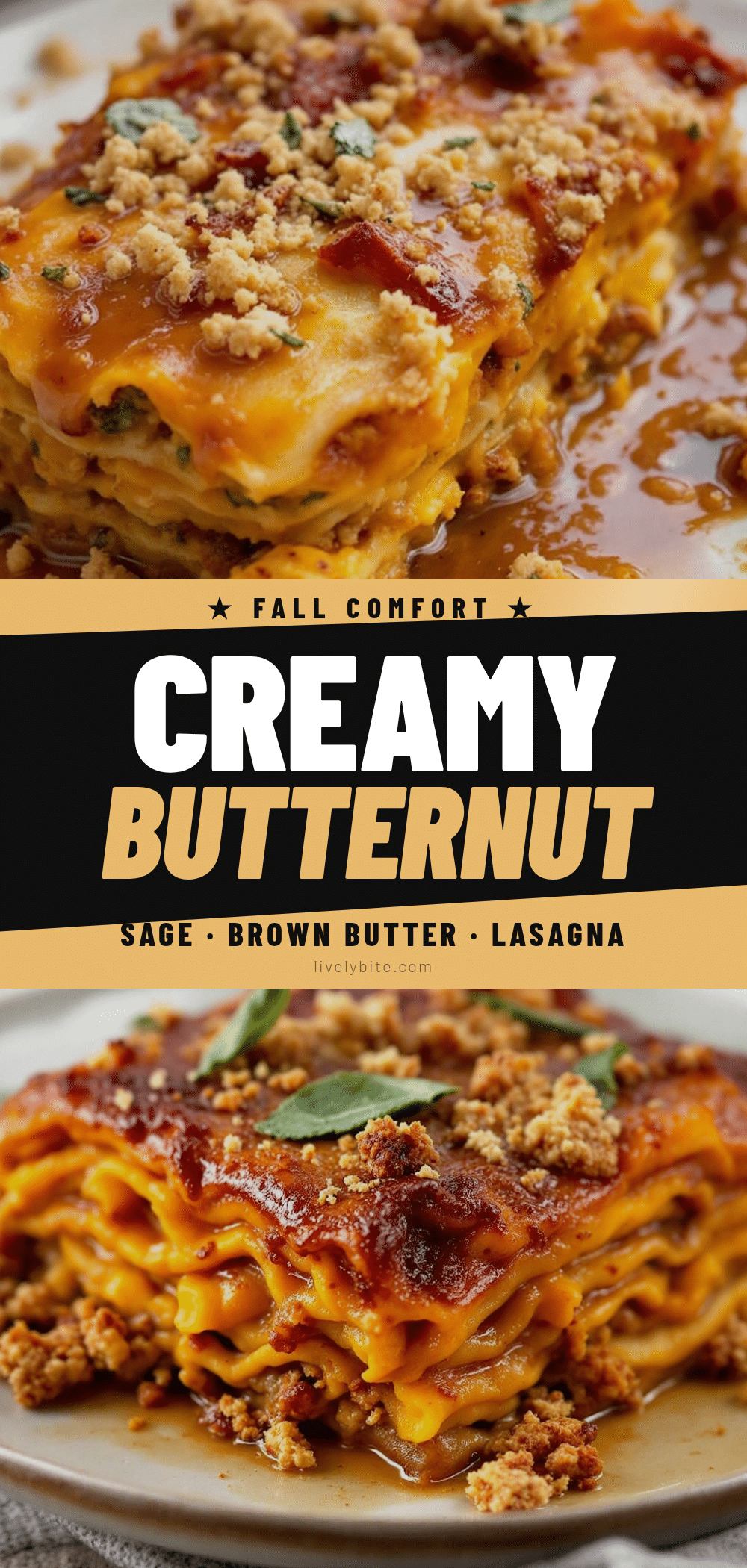
Best Creamy Butternut Squash Sage Lasagna Recipe

This creamy butternut squash sage lasagna features roasted squash, a silky béchamel, and earthy sage for a comforting, elegant dish that’s perfect for fall and winter.
- Prep Time: 30 minutes
- Cook Time: 1 hour 10 minutes
- Total Time: 1 hour 40 minutes
- Yield: 8 servings 1x
- Category: Main Course
- Cuisine: Italian
Ingredients
- 1 medium butternut squash (about 3 pounds)
- 1/2 cup packed fresh sage leaves
- 6 tablespoons unsalted butter
- 4 cups whole milk
- 1/2 cup heavy cream
- 1/4 cup all-purpose flour
- 4 cloves garlic, minced
- 1/2 teaspoon freshly grated nutmeg
- Salt and black pepper to taste
- 12 no-boil lasagna noodles
- 15 ounces whole milk ricotta cheese
- 3 cups shredded low-moisture part-skim mozzarella cheese
- 1 cup freshly grated Parmesan cheese
- 2 tablespoons olive oil
- 1 tablespoon brown sugar (optional)
Instructions
- Preheat oven to 400°F (200°C). Cut butternut squash in half lengthwise, scoop out seeds. Drizzle cut sides with olive oil, season with salt and pepper. Place cut-side down on a parchment-lined baking sheet. Roast 40-50 minutes until fork-tender and edges caramelized. Let cool slightly, then scoop flesh into a bowl (about 3 cups).
- While squash roasts, make the sage béchamel: In a large saucepan over medium heat, melt 3 tablespoons butter. Cook until light golden brown and nutty, about 3-4 minutes. Add minced garlic and half the chopped sage leaves, cook 30 seconds. Whisk in flour, cook 1 minute. Slowly pour in milk and heavy cream, whisking constantly. Bring to a gentle simmer, cook 5-7 minutes until thickened. Remove from heat, stir in nutmeg, 1/2 teaspoon salt, and pepper.
- Add roasted squash to béchamel. Use an immersion blender or regular blender to puree until smooth. Adjust seasoning, adding brown sugar if needed. Set aside.
- In a medium bowl, combine ricotta, 1 cup mozzarella, 1/2 cup Parmesan, a pinch of salt, pepper, and 1 tablespoon chopped sage. Mix well.
- Assemble lasagna: Spread 1/2 cup squash béchamel on bottom of a 9×13-inch baking dish. Layer 3 no-boil noodles. Spread 1/3 of remaining béchamel, dollop 1/3 of ricotta mixture, sprinkle 1/3 of remaining mozzarella and some Parmesan. Repeat layers twice. For final layer, add last 3 noodles, remaining sauce, and remaining mozzarella and Parmesan. Sprinkle remaining sage leaves on top.
- Cover tightly with foil. Bake at 375°F (190°C) for 30 minutes. Remove foil, bake 20-25 minutes more until golden and bubbly. Let rest at least 15 minutes before slicing.
Notes
Let lasagna rest at least 15 minutes before slicing for clean pieces. For make-ahead, assemble up to 24 hours in advance and refrigerate. Freezes well for up to 3 months. For a dairy-free version, use plant-based milk, butter, and cheese alternatives. For gluten-free, use gluten-free noodles and flour blend.
Nutrition
- Serving Size: 1/8 of recipe
- Calories: 500
- Sugar: 12
- Sodium: 680
- Fat: 28
- Saturated Fat: 16
- Carbohydrates: 42
- Fiber: 5
- Protein: 22
Keywords: butternut squash lasagna, sage lasagna, creamy lasagna, fall lasagna, vegetarian lasagna, comfort food