I did not trust honeynut squash. Not one bit. My first encounter was at a farmers’ market, where the vendor swore it was “sweeter and creamier than butternut” — and I’d heard that line before about plenty of vegetables that ended up watery and disappointing. But then she handed me a sample, roasted with just a touch of olive oil, and I had to admit it was… different. The texture was almost buttery, the sweetness concentrated and deep, nothing like the stringy, sometimes bland butternut I was used to. That moment of grudging respect stuck with me.
So when I found myself staring down a pile of these cute little squashes last fall, I decided to put my skepticism to the test with soup. And honestly? I was still half-expecting disaster. I roasted them until caramelized, then blended them with coconut milk on a whim — not because I had a recipe, but because the richness felt right. The first spoonful stopped me mid-motion. That velvety texture, that subtle sweetness balanced by savory warmth — it was the kind of quiet surprise that makes you trust a new ingredient completely.
This creamy honeynut squash soup with coconut milk is what happened when I finally let that little squash prove me wrong. It’s simple, yes, but it’s also the soup I now make when I want to remind myself that sometimes the best things come from being wrong.
Why You’ll Love This Recipe
I’ve tested this soup more times than I care to admit — tweaking roasting times, swapping in different milks, adjusting spice levels. And every single batch taught me something. Here’s what makes this version stand out:
- Quick & Easy : From start to finish, this comes together in under 45 minutes. Most of that is hands-off oven time while the squash roasts.
- Simple Ingredients : You’ll need fewer than 10 ingredients, and none of them require a specialty grocery trip.
- Perfect for Cozy Nights : This is the soup you want on a chilly evening when you need something warm and satisfying without spending hours in the kitchen.
- Crowd-Pleaser : I’ve served this to squash skeptics (including my husband) and watched them go back for seconds. It’s that good.
- Unbelievably Creamy : The coconut milk plus roasted squash creates a texture that feels indulgent without any heavy cream.
What makes this version different? It’s the roasting method. I don’t just boil the squash — I roast it until the edges caramelize and the natural sugars concentrate. That step alone transforms the flavor. And the coconut milk? It adds richness without overpowering the delicate squash taste. It’s not just another squash soup recipe; it’s the one that made me a believer.
What Ingredients You Will Need
This recipe relies on simple, wholesome ingredients that work together to create something genuinely special. Most of these are pantry staples, especially during fall and winter.
For the Soup Base
- Honeynut squash , 3 medium (about 2 pounds total) — Look for squash that feels heavy for its size and has a deep orange color. The skin is thin enough to eat once roasted, but I prefer peeling for soup.
- Yellow onion , 1 large, roughly chopped — Adds savory depth that balances the sweetness.
- Garlic cloves , 4, smashed — Roasted garlic gives a mellow, almost nutty flavor.
- Fresh ginger , 1-inch piece, peeled and sliced — A little warmth that cuts through the richness.
- Olive oil , 2 tablespoons — For roasting. I use a good quality extra virgin here.
- Salt , 1 teaspoon (plus more to taste)
- Black pepper , ½ teaspoon, freshly ground
For the Creamy Finish
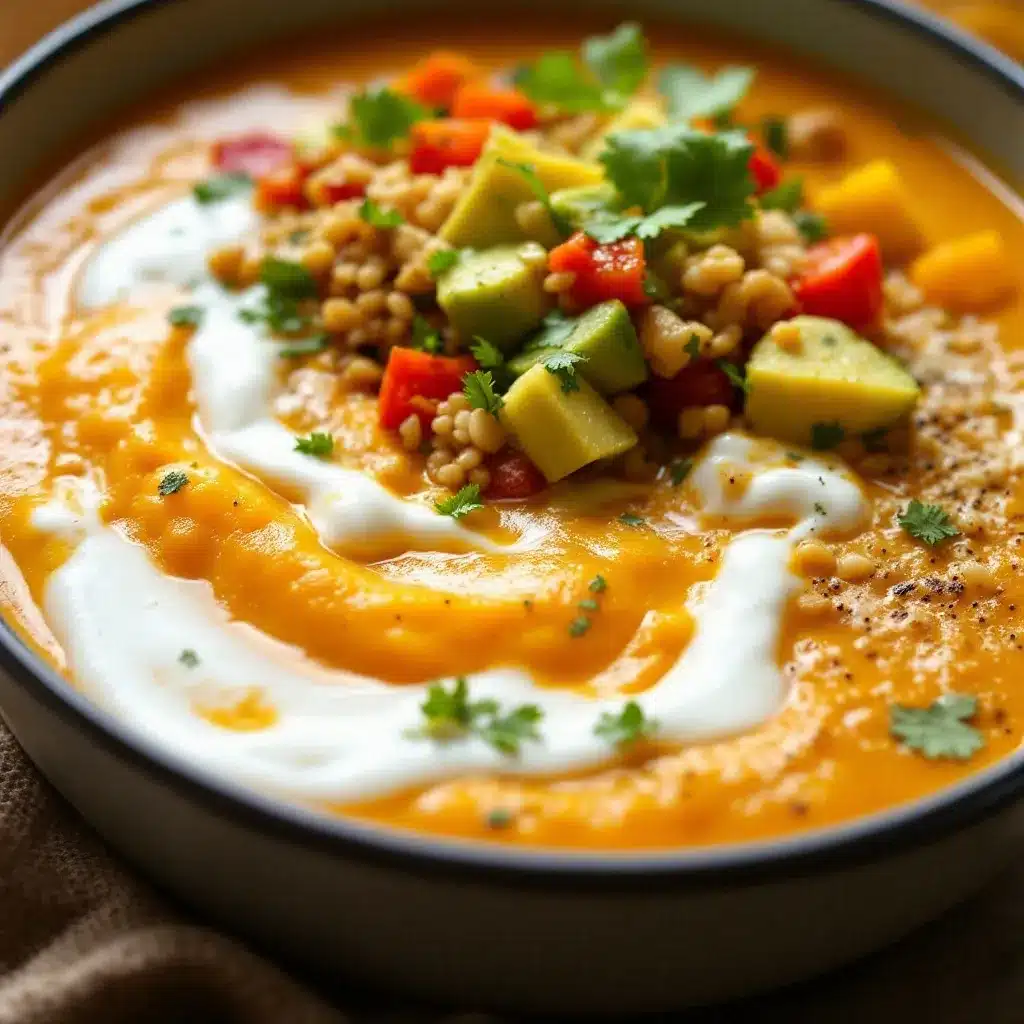
- Canned coconut milk , 1 can (13.5 ounces) — Full-fat gives the best texture. I like Thai Kitchen for its consistent richness. Shake the can well before opening.
- Vegetable broth , 2 cups — Low-sodium is best so you control the salt. Better Than Bouillon vegetable base works beautifully.
- Maple syrup , 1 tablespoon (optional) — Only if your squash isn’t sweet enough. I usually skip this.
For Garnish (Optional but Recommended)
- Toasted pumpkin seeds , ¼ cup
- Coconut cream , a drizzle (the thick part from the top of the can)
- Fresh thyme or parsley , a few sprigs
- Red pepper flakes , a pinch (for heat lovers)
If you can’t find honeynut squash, butternut squash works as a substitute — just note that the flavor will be slightly less sweet and the texture a bit more fibrous. You might need an extra tablespoon of maple syrup to compensate.
Equipment Needed
This recipe doesn’t require fancy tools, which is part of its charm. Here’s what you’ll need:
- Baking sheet , rimmed — I use a half-sheet pan. Line it with parchment paper for easier cleanup.
- Chef’s knife and vegetable peeler — A sharp knife makes cutting squash much safer. Trust me on this one.
- Large pot or Dutch oven — For simmering the soup. I love my Lodge enameled Dutch oven for even heating.
- Immersion blender — This is my preferred tool for silky smooth soup without transferring hot liquid to a blender. If you don’t have one, a regular blender works — just work in batches and vent the lid.
- Measuring cups and spoons
If you don’t have an immersion blender, a standard blender is perfectly fine. Let the soup cool slightly before blending, and never fill the blender more than halfway. Hold the lid down with a towel — hot soup expands and can blow the lid off. I learned that the hard way.
Preparation Method
Let’s walk through this step by step. I’ll include the visual cues I’ve learned to watch for.
- Preheat your oven to 400°F (200°C). Line a rimmed baking sheet with parchment paper for easy cleanup.
- Prepare the squash. Using a sharp vegetable peeler, peel the honeynut squash. The skin is thin, so it comes off easily. Cut each squash in half lengthwise, scoop out the seeds with a spoon, and chop into 1-inch cubes. Don’t worry about being precise — they’ll get blended later. You should have about 4 cups of cubed squash.
- Roast the aromatics. On your prepared baking sheet, toss the cubed squash, chopped onion, smashed garlic cloves, and sliced ginger with 2 tablespoons olive oil, 1 teaspoon salt, and ½ teaspoon black pepper. Spread everything in a single layer. Roast for 25-30 minutes, stirring halfway through. The squash should be fork-tender and the edges should have golden-brown caramelized spots — that’s where the flavor lives.
- Transfer to pot. Carefully scrape the roasted vegetables and all those caramelized bits into a large pot or Dutch oven. Don’t leave any of those browned pieces on the pan — that’s concentrated flavor you don’t want to waste.
- Add liquids. Pour in the vegetable broth and the full can of coconut milk. Stir everything together, scraping the bottom of the pot to incorporate any stuck-on bits.
- Simmer. Bring the soup to a gentle simmer over medium heat. Reduce the heat to low and let it cook for 10 minutes. This allows the flavors to meld together. The soup should be bubbling gently, not boiling vigorously.
- Blend until smooth. Remove the pot from heat. Using an immersion blender, blend the soup directly in the pot until completely smooth. If using a regular blender, work in batches and leave the lid slightly vented to release steam. The finished soup should be velvety and uniform in color — a deep, warm orange.
- Taste and adjust. Give it a taste. Does it need more salt? A pinch more pepper? If the squash wasn’t particularly sweet, stir in 1 tablespoon of maple syrup. Remember that flavors deepen as the soup sits, so go easy on adjustments.
- Serve. Ladle into bowls and add your desired garnishes. A swirl of coconut cream, a sprinkle of pumpkin seeds, and a few fresh thyme leaves make it look restaurant-worthy.
Cooking Tips & Techniques
I’ve made this soup at least a dozen times, and I’ve made plenty of mistakes along the way. Here’s what I’ve learned:
Roast, don’t boil. This is non-negotiable. Boiling squash dilutes its flavor and creates a watery soup. Roasting concentrates the natural sugars and develops those deep, caramelized notes that make this soup special. Don’t skip the roasting step — it’s what separates good squash soup from memorable squash soup.
Don’t overcrowd the pan. If your squash pieces are piled on top of each other, they’ll steam instead of roast. Use a large enough baking sheet and spread everything in a single layer. If you need to use two pans, do it. The extra five minutes of cleanup is worth it.
Watch your blending temperature. Hot liquid expands when blended. If using a regular blender, let the soup cool for 10 minutes before blending. And always, always vent the lid. I once forgot this step and ended up with squash soup on my ceiling. Not my finest moment.
Save the coconut cream. When you open your can of coconut milk, the thick cream often separates and rises to the top. Spoon off a few tablespoons before shaking the can and reserve it for garnish. A swirl of that white cream against the orange soup looks stunning.
Season in layers. I add salt at the roasting stage and again after blending. This builds flavor gradually rather than dumping it all at the end. You’ll get a more complex, balanced result.
Variations & Adaptations
This soup is incredibly flexible. Here are a few ways I’ve adapted it:
Spicy version: Add a chopped Thai chili or ½ teaspoon red pepper flakes along with the ginger before roasting. The heat plays beautifully against the sweet squash and creamy coconut milk.
Curried twist: Stir in 1 tablespoon of yellow curry paste after blending, then simmer for 5 more minutes. The curry adds warmth and complexity without overwhelming the squash flavor. This is my personal favorite variation.
Make it vegan and whole30-friendly: This recipe is already vegan as written. For Whole30, just skip the maple syrup and check your broth labels for any added sugars. The soup is plenty sweet from the roasted squash alone.
Protein boost: Add a can of drained and rinsed chickpeas when you add the broth. They’ll blend into the soup and add body and protein without changing the flavor much. Or serve the soup topped with crispy chickpeas for texture.
Different squash options: Butternut, kabocha, or even sugar pumpkin work here. Each will give a slightly different sweetness and texture. Kabocha produces the creamiest result, while butternut is the most widely available. For a fun twist, try this with honey garlic chicken on the side for a cozy fall dinner.
Serving & Storage Suggestions
This soup is best served hot, with a swirl of coconut cream and a sprinkle of toasted pumpkin seeds for crunch. I like to pair it with crusty bread for dipping — a good sourdough or a warm baguette works beautifully.
For a complete meal, serve alongside a simple green salad with a tangy vinaigrette to cut through the richness. Or try it as a starter before a main dish like lemon herb salmon sheet pan dinner — the brightness of the lemon complements the sweet squash perfectly.
Storage: Let the soup cool completely, then transfer to an airtight container. It will keep in the refrigerator for up to 5 days. The flavors actually improve after a day or two as they meld together.
Freezing: This soup freezes beautifully. Pour cooled soup into freezer-safe containers or zip-top bags, leaving an inch of headroom for expansion. It will keep for up to 3 months. Thaw overnight in the refrigerator before reheating.
Reheating: Warm the soup gently on the stovetop over medium-low heat, stirring occasionally. If it thickens too much after refrigeration, thin it with a splash of broth or water. You can also microwave individual portions in 30-second bursts, stirring between each.
Nutritional Information & Benefits
Per serving (about 1½ cups, assuming 4 servings):
| Nutrient | Amount |
|---|---|
| Calories | 285 |
| Total Fat | 18g |
| Saturated Fat | 12g |
| Carbohydrates | 28g |
| Fiber | 6g |
| Sugar | 10g (natural) |
| Protein | 5g |
| Vitamin A | 280% DV |
| Vitamin C | 35% DV |
| Potassium | 620mg |
Honeynut squash is packed with vitamin A (in the form of beta-carotene), which supports eye health and immune function. The coconut milk provides healthy medium-chain triglycerides (MCTs) that can boost energy and brain function. Ginger adds anti-inflammatory properties, and garlic contributes immune-supporting compounds.
This soup is naturally gluten-free, dairy-free, and vegan. It’s also relatively low in calories for how satisfying it feels — a win-win in my book.
Frequently Asked Questions
Can I use butternut squash instead of honeynut?
Absolutely. Butternut squash is the closest substitute and widely available. The flavor will be slightly less sweet and the texture a bit more fibrous, but it still makes a delicious soup. You may want to add a tablespoon of maple syrup to compensate for the lower natural sugar content.
Can I make this soup ahead of time?
Yes, and I actually recommend it. The flavors deepen and meld together after a day in the refrigerator. Make it up to 5 days ahead, store it in an airtight container, and reheat gently when ready to serve. It’s a great option for meal prep or entertaining.
Is this soup spicy?
No, not at all. The ginger adds a gentle warmth but no actual heat. If you want a spicy version, add a chopped Thai chili or red pepper flakes when roasting the vegetables. You can also serve it with a sprinkle of cayenne on top for those who want extra kick.
Can I freeze this soup?
Yes, it freezes beautifully. Let the soup cool completely, then transfer to freezer-safe containers or zip-top bags. Leave about an inch of headroom for expansion. It will keep for up to 3 months. Thaw overnight in the refrigerator before reheating on the stovetop.
What can I use instead of coconut milk?
For a different flavor profile, you can substitute full-fat oat milk, cashew cream, or even heavy cream if you’re not dairy-free. Each will give a slightly different texture and richness. Keep in mind that lighter milks like almond milk will produce a thinner soup. If you’re looking for another cozy meal to pair with this soup, check out Mediterranean stuffed mini peppers for a colorful side dish.
Conclusion
This creamy honeynut squash soup with coconut milk is proof that sometimes the best recipes come from being wrong about an ingredient. I didn’t trust honeynut squash at first, but now it’s the squash I seek out every fall. The soup is simple enough for a weeknight but elegant enough for company — and it freezes beautifully, which means you can enjoy it long after squash season ends.
I’d love to hear how this turns out for you. Did you add the curry paste? Skip the maple syrup? Serve it with a big hunk of bread? Drop a comment below and let me know — your variations might inspire someone else’s dinner tonight. And if you’re looking for more cozy fall recipes, browse the full recipe collection for more seasonal inspiration.
Go ahead, give that little squash a chance. It might just surprise you too.
Pin This Recipe!
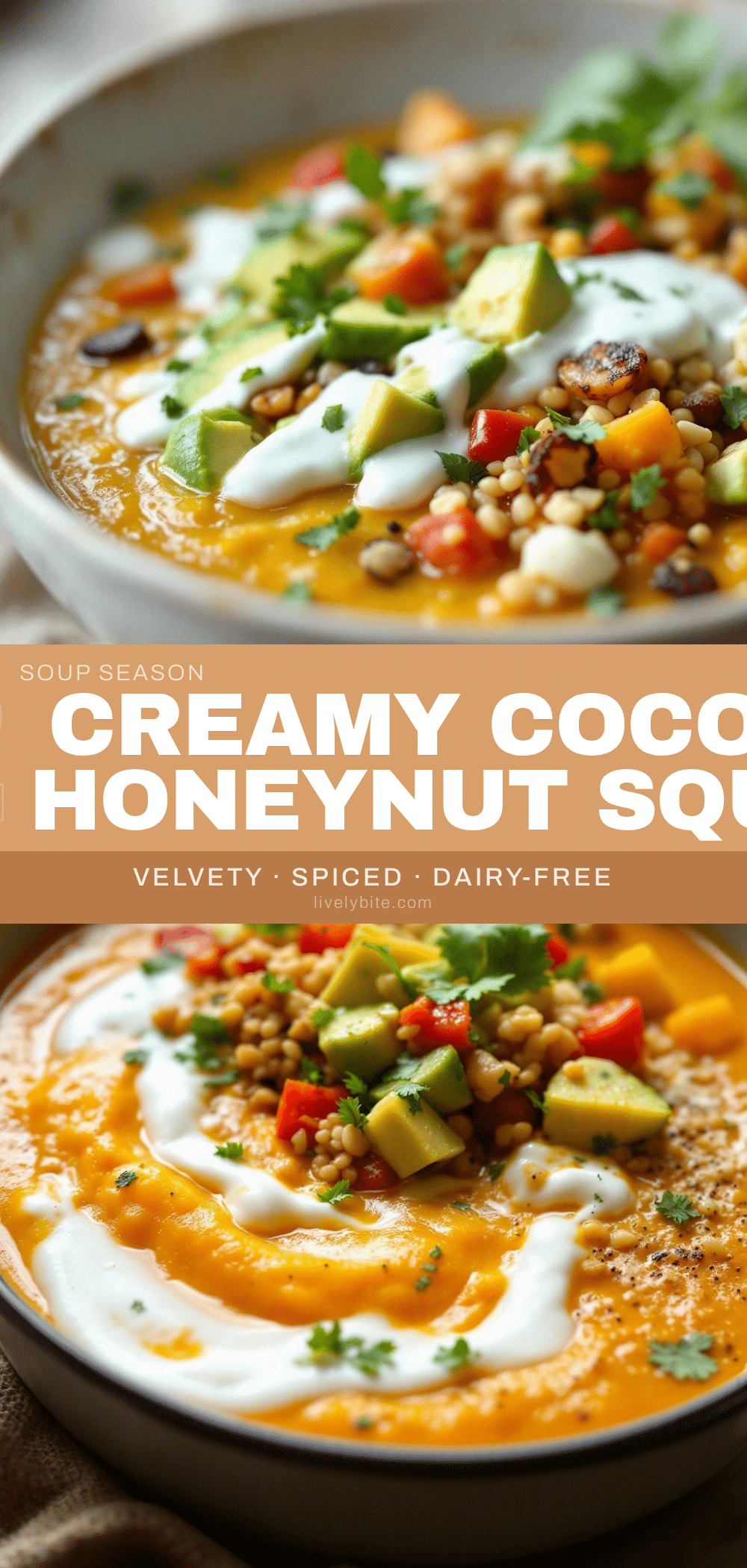
Easy Creamy Honeynut Squash Soup with Coconut Milk

This creamy honeynut squash soup with coconut milk is a simple, elegant fall recipe that comes together in under 45 minutes. Roasted squash and aromatics are blended with coconut milk for a velvety, naturally sweet and savory soup that’s perfect for cozy nights.
- Prep Time: 15 minutes
- Cook Time: 30 minutes
- Total Time: 45 minutes
- Yield: 4 servings 1x
- Category: Soup
- Cuisine: American
Ingredients
- 3 medium honeynut squash (about 2 pounds total), peeled, seeded, and cubed
- 1 large yellow onion, roughly chopped
- 4 garlic cloves, smashed
- 1-inch piece fresh ginger, peeled and sliced
- 2 tablespoons olive oil
- 1 teaspoon salt (plus more to taste)
- ½ teaspoon freshly ground black pepper
- 1 can (13.5 ounces) full-fat coconut milk
- 2 cups low-sodium vegetable broth
- 1 tablespoon maple syrup (optional)
- For garnish: toasted pumpkin seeds, coconut cream, fresh thyme or parsley, red pepper flakes (optional)
Instructions
- Preheat your oven to 400°F (200°C). Line a rimmed baking sheet with parchment paper.
- Prepare the squash: Using a sharp vegetable peeler, peel the honeynut squash. Cut each squash in half lengthwise, scoop out the seeds, and chop into 1-inch cubes (about 4 cups).
- On the prepared baking sheet, toss the cubed squash, chopped onion, smashed garlic, and sliced ginger with olive oil, salt, and pepper. Spread in a single layer.
- Roast for 25-30 minutes, stirring halfway through, until the squash is fork-tender and edges are caramelized.
- Transfer the roasted vegetables and any browned bits to a large pot or Dutch oven.
- Add the vegetable broth and full can of coconut milk. Stir to combine, scraping the bottom of the pot.
- Bring to a gentle simmer over medium heat, then reduce heat to low and cook for 10 minutes.
- Remove from heat. Using an immersion blender, blend the soup until smooth. (Alternatively, let cool slightly and blend in batches in a regular blender, venting the lid.)
- Taste and adjust seasoning. If the squash isn’t sweet enough, stir in 1 tablespoon maple syrup.
- Ladle into bowls and garnish as desired. Serve hot.
Notes
Roasting the squash is essential for concentrated flavor. Don’t overcrowd the pan. For a spicier version, add a chopped Thai chili or red pepper flakes when roasting. For a curried twist, stir in 1 tablespoon yellow curry paste after blending. The soup can be stored in the refrigerator for up to 5 days or frozen for up to 3 months. Reheat gently on the stovetop.
Nutrition
- Serving Size: 1½ cups
- Calories: 285
- Sugar: 10
- Sodium: 620
- Fat: 18
- Saturated Fat: 12
- Carbohydrates: 28
- Fiber: 6
- Protein: 5
Keywords: honeynut squash soup, creamy squash soup, coconut milk soup, vegan soup, gluten-free soup, fall soup, easy soup recipe