“Wait—what’s that smell?” My neighbor poked her head over the fence, still holding her gardening gloves. “Whatever you’re making, I need the recipe.” I laughed, stirring the pot on my stove, the aroma of roasted squash and sizzling butter drifting through the crisp October air. That was the moment I realized this butternut squash soup with brown butter wasn’t just another recipe—it was the kind that makes people stop mid-sentence and follow their nose to your kitchen.
I had been experimenting for weeks. You know how it goes—trying to capture that perfect balance between sweet and savory, creamy and light, simple and special. Honestly, I made a lot of mediocre soup before this one clicked. But that afternoon, with the leaves falling outside and the butter turning that perfect shade of amber in my pan, everything just came together. The soup was velvety, the brown butter added this nutty depth you can’t get any other way, and for a second, I felt like I had finally cracked the code on fall comfort food.
This cozy roasted butternut squash soup with brown butter isn’t complicated. It uses simple ingredients you can grab at any grocery store. But there’s something about the way the roasted squash caramelizes in the oven, then gets blended with that rich, golden-brown butter—it just hits different. It’s the kind of bowl you hold with both hands, the kind that makes you slow down and actually taste what you’re eating. No fancy techniques, no fussy garnishes. Just honest, soul-warming food that tastes like fall in a bowl. And honestly? That’s exactly what I needed.
Why You’ll Love This Recipe
I have tested this recipe more times than I care to admit. Burnt butter, watery squash, too much sage, not enough salt—I have made every mistake so you don’t have to. This version is the one I keep coming back to, and here’s why it works:
- Rich, Deep Flavor Without the Work : Roasting the squash caramelizes its natural sugars, giving you that sweet, nutty flavor without adding sugar. The brown butter takes it over the top with a toasty, almost hazelnut-like taste that makes this soup feel special.
- Simple Ingredients, Big Results : You don’t need anything fancy here. Butternut squash, onion, garlic, broth, butter, and a few pantry staples. That’s it. No heavy cream, no exotic spices, no trips to specialty stores.
- Perfect for Meal Prep : This soup actually gets better after a day in the fridge. Make it on Sunday, and you have cozy lunches all week. It freezes beautifully too.
- Crowd-Pleaser Approved : I have served this to picky kids, vegetarian friends, and meat-and-potatoes dads. Everyone goes back for seconds. It’s creamy without being heavy, savory with a hint of sweetness, and completely satisfying.
- Naturally Gluten-Free and Dairy-Free Adaptable : As written, this soup is gluten-free. Swap the butter for a good vegan butter or olive oil, and it becomes dairy-free too. Everyone deserves a warm bowl of comfort.
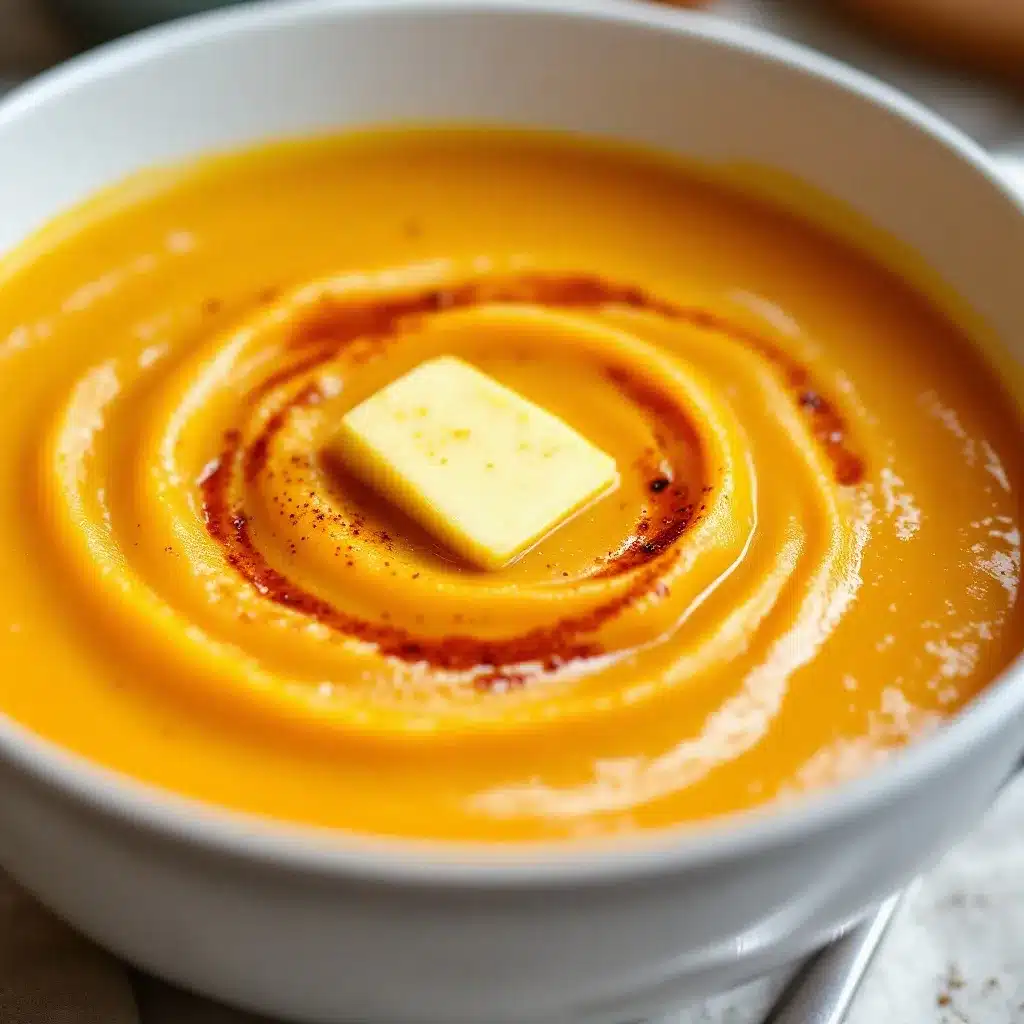
What makes this different from every other butternut squash soup recipe out there? It’s the brown butter. I know, I know—brown butter feels trendy. But here’s the thing: it actually transforms this soup. The nutty, caramelized notes from the butter weave through the sweet roasted squash in a way that plain butter or cream just can’t match. It’s not complicated, but it’s intentional. And that one extra step—watching the butter foam and turn golden—makes all the difference between a good soup and a memorable one.
This is the kind of soup you make when you want to feel taken care of. When the weather turns cold and you need something warm to hold onto. It’s comfort food that doesn’t weigh you down, and honestly, that’s exactly what fall cooking should be.
What Ingredients You Will Need
This recipe relies on a handful of quality ingredients to create something truly special. Each one plays a role in building that deep, layered flavor you’ll love. Here’s what you need and why it matters:
For the Roasted Squash
- 1 medium butternut squash (about 3 pounds) — peeled, seeded, and cut into 1-inch cubes. Look for a squash with a long neck and small bulb—you get more usable flesh and less seed cavity. I prefer organic when I can find it, but conventional works just fine.
- 2 tablespoons olive oil — for roasting. Use a good quality extra-virgin here; it adds flavor as the squash caramelizes.
- 1/2 teaspoon salt — I use fine sea salt for roasting. It distributes better than kosher salt on the cubes.
- 1/4 teaspoon black pepper — freshly ground, always.
For the Soup Base
- 1 tablespoon olive oil — for sautéing the aromatics.
- 1 medium yellow onion — chopped. About 1 1/2 cups. Onion adds that savory backbone that balances the sweet squash.
- 3 cloves garlic — minced. Fresh garlic only here, please. The jarred stuff just doesn’t taste the same.
- 1/2 teaspoon dried thyme — or 2 teaspoons fresh thyme leaves. Thyme and squash are best friends.
- 1/4 teaspoon ground nutmeg — freshly grated if you have it. It adds warmth without being obvious.
- 4 cups vegetable broth — or chicken broth if you aren’t keeping it vegetarian. I like Pacific Foods or Imagine brand for clean flavor. Low-sodium is best so you control the salt.
- 1/2 cup canned coconut milk (full fat) — this adds creaminess without dairy. Or use heavy cream if you prefer. Both work beautifully.
For the Brown Butter Finish
- 3 tablespoons unsalted butter — use a good quality butter here. European-style butter has higher fat content and browns more evenly. I love Kerrygold for this.
- 6-8 fresh sage leaves — optional but highly recommended. They crisp up in the brown butter and make a gorgeous garnish.
- Salt and pepper to taste — for finishing the soup after blending.
For Garnish (Optional but Lovely)
- Toasted pumpkin seeds — for crunch.
- A swirl of coconut milk or cream — for presentation.
- Fresh thyme sprigs — pretty and fragrant.
Ingredient Swap Notes: If you can’t find butternut squash, try kabocha or buttercup squash—they have similar sweetness and texture. For a nut-free version, skip the pumpkin seeds or use sunflower seeds instead. And if you’re dairy-free, use a high-quality vegan butter like Miyoko’s for browning—it actually works!
Equipment Needed
You don’t need a fancy kitchen to make this soup. Here’s what you’ll actually use:
- Large baking sheet — rimmed, please. You need edges to catch any juices from the roasting squash. Half-sheet size is perfect.
- Parchment paper — for easy cleanup. Trust me on this one.
- Chef’s knife and cutting board — a sharp knife makes peeling and cubing squash so much safer and faster.
- Vegetable peeler — a sturdy Y-peeler works best for butternut squash skin. I have tried using a knife, and it’s just not worth the effort.
- Large heavy-bottomed pot or Dutch oven — 5 to 6 quarts. I use my Le Creuset for everything, but any heavy pot works. The heavy bottom prevents scorching when you brown the butter.
- Immersion blender — this is my preferred method for silky soup. So much easier than transferring hot liquid to a blender. I have a KitchenAid immersion blender that has lasted years.
- Regular blender — if you don’t have an immersion blender. Blend in batches, and never fill the blender more than halfway with hot liquid. Remove the center cap from the lid and cover with a towel to let steam escape.
- Measuring cups and spoons — standard set.
- Small skillet — for browning the butter and sage. A light-colored pan helps you see the butter change color.
Budget Tip: Don’t have an immersion blender? No problem. A regular blender works perfectly—just be careful with the hot liquid. Let the soup cool for 5-10 minutes before blending, and always vent the lid. I have learned this the hard way, and soup on the ceiling is not a good look.
Preparation Method
Let’s make some soup. Take your time with the roasting step—it’s where all the flavor starts.
- Preheat your oven to 400°F (200°C). Line a large baking sheet with parchment paper. This makes cleanup a breeze and prevents sticking.
- Prep the squash. Using a sharp vegetable peeler, remove the skin from the butternut squash. Cut off the stem end and the bottom. Slice the squash in half where the narrow neck meets the round bulb. Scoop out the seeds from the bulb with a spoon (save them for roasting later if you like!). Cut the squash into 1-inch cubes. Aim for even sizes so they roast uniformly. This takes about 10 minutes the first time, but you’ll get faster.
- Roast the squash. Toss the cubed squash with 2 tablespoons olive oil, 1/2 teaspoon salt, and 1/4 teaspoon pepper. Spread in a single layer on the prepared baking sheet. Don’t overcrowd—if the pieces are touching too much, they’ll steam instead of caramelize. Roast for 25-30 minutes, flipping halfway through, until the squash is tender and the edges are golden brown. You want some browning—that’s flavor!
- While the squash roasts, start the soup base. In your large pot or Dutch oven, heat 1 tablespoon olive oil over medium heat. Add the chopped onion and cook for 5-6 minutes, stirring occasionally, until softened and translucent. Don’t rush this step—browned onions are good, but for this soup, we want them soft and sweet, not crispy.
- Add the garlic and spices. Stir in the minced garlic, dried thyme, and ground nutmeg. Cook for 1 minute until fragrant. Your kitchen should smell amazing right about now.
- Add the broth and roasted squash. Pour in the vegetable broth and add the roasted squash cubes. Stir to combine. Bring the soup to a gentle simmer, then reduce heat to low. Let it simmer for 10 minutes to let the flavors meld together. The squash should be very tender—it will break apart easily when you stir.
- Blend until smooth. Remove the pot from heat. Using an immersion blender, blend the soup directly in the pot until completely smooth and velvety. If using a regular blender, work in batches—fill the blender no more than halfway, remove the center cap from the lid, cover with a towel, and blend on low speed. Return the blended soup to the pot.
- Stir in the coconut milk. Add 1/2 cup full-fat coconut milk and stir until fully incorporated. Taste and adjust seasoning with salt and pepper. The soup should be creamy, savory, with a hint of sweetness and warmth from the nutmeg. If it’s too thick for your liking, add a splash more broth or water.
- Make the brown butter. In a small skillet (preferably light-colored so you can see the color change), melt the 3 tablespoons butter over medium heat. Swirl the pan occasionally. The butter will foam, then the foam will subside, and you’ll see golden-brown specks forming at the bottom. This takes about 3-4 minutes. Watch carefully—it goes from brown to burnt fast! As soon as it smells nutty and looks amber, remove from heat. If using sage leaves, add them to the hot butter—they’ll crisp up in about 15 seconds.
- Serve. Ladle the soup into bowls. Drizzle each bowl with a spoonful of brown butter and a few crispy sage leaves. Add a sprinkle of toasted pumpkin seeds and a fresh thyme sprig if you’re feeling fancy. Serve hot with crusty bread or a simple side salad.
Sensory cues to watch for: The roasted squash should look caramelized on the edges but still tender in the center. The brown butter should smell like toasted nuts and caramel—not burnt coffee. The finished soup should be thick enough to coat the back of a spoon but still pourable. If it’s too thick, thin it with broth. Too thin? Simmer it a bit longer to reduce.
Troubleshooting tip: If your soup tastes flat, it likely needs more salt or a splash of acid. A squeeze of lemon juice at the end can brighten everything up without tasting lemony. I add this about half the time, depending on the squash’s natural sweetness.
Cooking Tips & Techniques
Over the years, I have learned a few things about making this soup consistently great. Here are the tips that saved me from many mediocre batches:
Don’t skip the roasting. I know it’s tempting to boil the squash to save time. Don’t. Roasting concentrates the flavor and adds caramelization that you simply cannot get from boiling. That golden-brown color on the squash edges? That’s pure flavor. If you are in a hurry, cut the squash into smaller cubes—they’ll roast faster.
Brown butter is a patience game. The first few times I made brown butter, I either undercooked it (yellow butter with no flavor) or burned it (bitter and sad). Here’s the trick: use a light-colored pan so you can see the color change. Swirl constantly. The butter will foam, then the foam will subside, and suddenly you’ll see brown specks forming. The moment it smells nutty and looks amber, pull it off the heat. It continues cooking in the hot pan, so err on the side of removing it early.
Season in layers. Salt the squash before roasting, season the soup base, and taste again after blending. Each layer of seasoning builds depth. I have made the mistake of undersalting the roasted squash and then trying to fix it in the soup—it never tastes as integrated.
Let the soup rest. Like many soups, this one tastes even better the next day. The flavors meld and mellow overnight. If you can, make it a day ahead and reheat gently. It’s a game-changer for meal prep.
My biggest failure: I once tried to blend the soup while it was boiling hot. The immersion blender sent a jet of hot soup across my kitchen. I spent an hour cleaning butternut squash puree off my cabinets. Let the soup cool for 5 minutes before blending. Your kitchen—and your skin—will thank you.
Multitasking strategy: While the squash roasts, prep your onion and garlic. While the soup simmers, make the brown butter. This way, everything comes together in about 40 minutes total, with most of that being hands-off oven time.
For another cozy meal that comes together quickly, try this easy slow cooker honey garlic chicken—it’s perfect for busy weeknights when you want something warm and satisfying without much effort.
Variations & Adaptations
One of the best things about this soup is how easy it is to adapt. Here are some ways I have changed it up depending on what I have on hand or who I’m serving:
Vegan Version: Use a high-quality vegan butter for the brown butter finish. I have tested this with Miyoko’s European-style cultured vegan butter, and it browns beautifully—almost indistinguishable from dairy butter. The soup itself is already vegan if you use vegetable broth and coconut milk.
Spicy Twist: Add 1/2 teaspoon of red pepper flakes along with the garlic. Or stir in 1 tablespoon of harissa paste before blending. The heat cuts through the sweetness of the squash beautifully. I made this version for a friend who loves spicy food, and she said it was “the best soup of her life.” High praise.
Apple-Squash Combo: Roast one peeled and cubed apple (Honeycrisp or Granny Smith) along with the squash. The apple adds a bright, fruity note that pairs wonderfully with the brown butter. This is my favorite fall variation—it tastes like autumn in a bowl.
Curried Butternut Soup: Swap the thyme and nutmeg for 1 tablespoon of curry powder. Add it with the garlic and cook for 1 minute before adding the broth. The warm spices complement the sweet squash and nutty brown butter perfectly. Serve with a dollop of yogurt on top.
Thicker, Heartier Version: Add one peeled and cubed potato to the roasting pan along with the squash. The potato adds body and makes the soup extra creamy without any dairy. It also stretches the soup further—great for feeding a crowd.
For a lighter meal that still feels special, pair this soup with these easy Mediterranean stuffed mini peppers with feta for a colorful, satisfying dinner that comes together fast.
Serving & Storage Suggestions
Serving Temperature: Serve this soup piping hot. Ladle it into warmed bowls if you want to be extra cozy. The brown butter should be drizzled on top just before serving so it stays warm and fragrant.
Presentation Ideas: A swirl of coconut milk or cream on top looks gorgeous and adds richness. Sprinkle toasted pumpkin seeds for crunch, a few crispy sage leaves for herbaceousness, and a grind of fresh black pepper. Simple but stunning.
What to Serve With It: Crusty sourdough bread is my go-to—perfect for dipping. A simple green salad with a lemony vinaigrette balances the richness. For a heartier meal, serve it alongside a grilled cheese sandwich or a easy lemon herb salmon sheet pan dinner for a complete fall dinner spread.
Storage: Cool the soup completely before storing. Transfer to an airtight container and refrigerate for up to 5 days. The flavors actually deepen and improve after a day or two. I often make a double batch on Sunday and enjoy it all week.
Freezing: This soup freezes beautifully. Pour cooled soup into freezer-safe containers or zip-top bags (lay flat for easy stacking). Freeze for up to 3 months. Thaw overnight in the refrigerator before reheating.
Reheating: Reheat gently on the stovetop over medium-low heat, stirring occasionally. Add a splash of broth or water if the soup has thickened too much. You can also microwave individual portions in 30-second bursts, stirring between each. The brown butter topping is best made fresh—it doesn’t reheat well. But honestly, making fresh brown butter takes 3 minutes and is absolutely worth it.
Flavor Development: This soup is one of those rare dishes that tastes better on day two. The squash and spices have time to meld, and the texture becomes even silkier. If you can plan ahead, make it a day before you plan to serve it. Your future self will thank you.
Nutritional Information & Benefits
This soup is as nourishing as it is delicious. Here’s a rough breakdown per serving (based on 6 servings):
- Calories: ~220
- Fat: 14g (mostly from olive oil, coconut milk, and butter)
- Carbohydrates: 22g
- Fiber: 5g
- Protein: 3g
- Vitamin A: 450% of the Daily Value (from the butternut squash)
- Vitamin C: 35% of the Daily Value
- Potassium: 600mg
Health Benefits: Butternut squash is a powerhouse of vitamin A (in the form of beta-carotene), which supports eye health and immune function. It’s also rich in fiber, which aids digestion and keeps you feeling full. The olive oil provides heart-healthy monounsaturated fats, and the coconut milk adds medium-chain triglycerides (MCTs) that can support energy metabolism. This soup is naturally gluten-free and can easily be made dairy-free and vegan.
Dietary Considerations: As written, this recipe is gluten-free and vegetarian. To make it vegan, use vegan butter for the brown butter. To make it nut-free, skip the pumpkin seed garnish. It’s also relatively low in added sugar—the sweetness comes entirely from the roasted squash.
Personal Wellness Note: I love that this soup feels indulgent but is actually packed with vegetables and healthy fats. It’s the kind of meal that satisfies both your craving for comfort and your desire to eat well. No guilt, just goodness.
Conclusion
This cozy roasted butternut squash soup with brown butter has become my go-to for fall entertaining, quiet weeknight dinners, and everything in between. It’s the recipe I turn to when I want to impress without stress, when I need a hug in a bowl, or when the weather turns cold and I just want something warm to hold onto.
The beauty of this soup is how adaptable it is. Make it spicy, make it creamy, make it vegan—it works every time. The brown butter is the secret weapon that transforms simple ingredients into something memorable. And honestly? It’s just fun to make. Watching butter turn into liquid gold never gets old.
I would love to hear how this soup turns out for you. Did you add your own twist? Serve it with something unexpected? Drop a comment below and let me know—I read every single one. And if you share it on social media, tag me so I can see your beautiful bowls of comfort.
Here’s to cozy nights, warm soup, and the simple joy of good food shared with people you love. Happy cooking, friends.
Looking for more cozy fall recipes? Browse all our favorite recipes here for more seasonal inspiration.
Frequently Asked Questions
Can I use frozen butternut squash instead of fresh?
Yes, you can! Frozen butternut squash is already peeled and cubed, which saves prep time. However, frozen squash tends to release more water during roasting, so it won’t caramelize as deeply as fresh. To get better browning, spread the frozen cubes on a baking sheet and let them sit at room temperature for 15 minutes to release some moisture, then pat dry before roasting. The soup will still be delicious—just slightly less intense in flavor.
How do I peel butternut squash easily?
I have tried every method, and here’s what works best: First, microwave the whole squash for 2-3 minutes to soften the skin slightly. Then, cut off both ends, stand the squash upright, and use a sharp Y-peeler to remove the skin in long strips downward. The microwave trick makes the skin come off much easier than peeling a cold, hard squash. Alternatively, you can roast the squash halved with the skin on and scoop out the flesh after roasting—the skin slips right off.
Can I make this soup in an Instant Pot?
Absolutely! To make this in an Instant Pot, sauté the onion and garlic using the sauté function. Add the cubed squash (no need to roast first—though you’ll miss some caramelization), broth, thyme, and nutmeg. Pressure cook on high for 8 minutes. Quick release the pressure, then blend as directed. For the roasted flavor, you can roast the squash in the oven while you prep everything else, then add it to the Instant Pot. It’s a great shortcut when you’re short on time.
Why did my brown butter burn?
Brown butter burns easily because it goes from perfect to burnt in about 30 seconds. Common mistakes: using too high heat, walking away from the pan, or using a dark-colored pan where you can’t see the color change. Always use medium heat, swirl constantly, and watch for the moment the foam subsides and golden specks appear at the bottom. Remove from heat immediately. If you see black specks or smell a bitter, burnt aroma, you have gone too far—start over. It’s worth it!
Can I leave out the coconut milk?
Yes, you can skip the coconut milk entirely for a lighter soup. The soup will still be creamy from the blended squash itself. Alternatively, substitute with heavy cream, half-and-half, or even a splash of unsweetened almond milk. If you are avoiding coconut but want creaminess, try adding a peeled potato to the roasting pan—it will blend into the soup and add body without any dairy or coconut flavor.
Pin This Recipe!
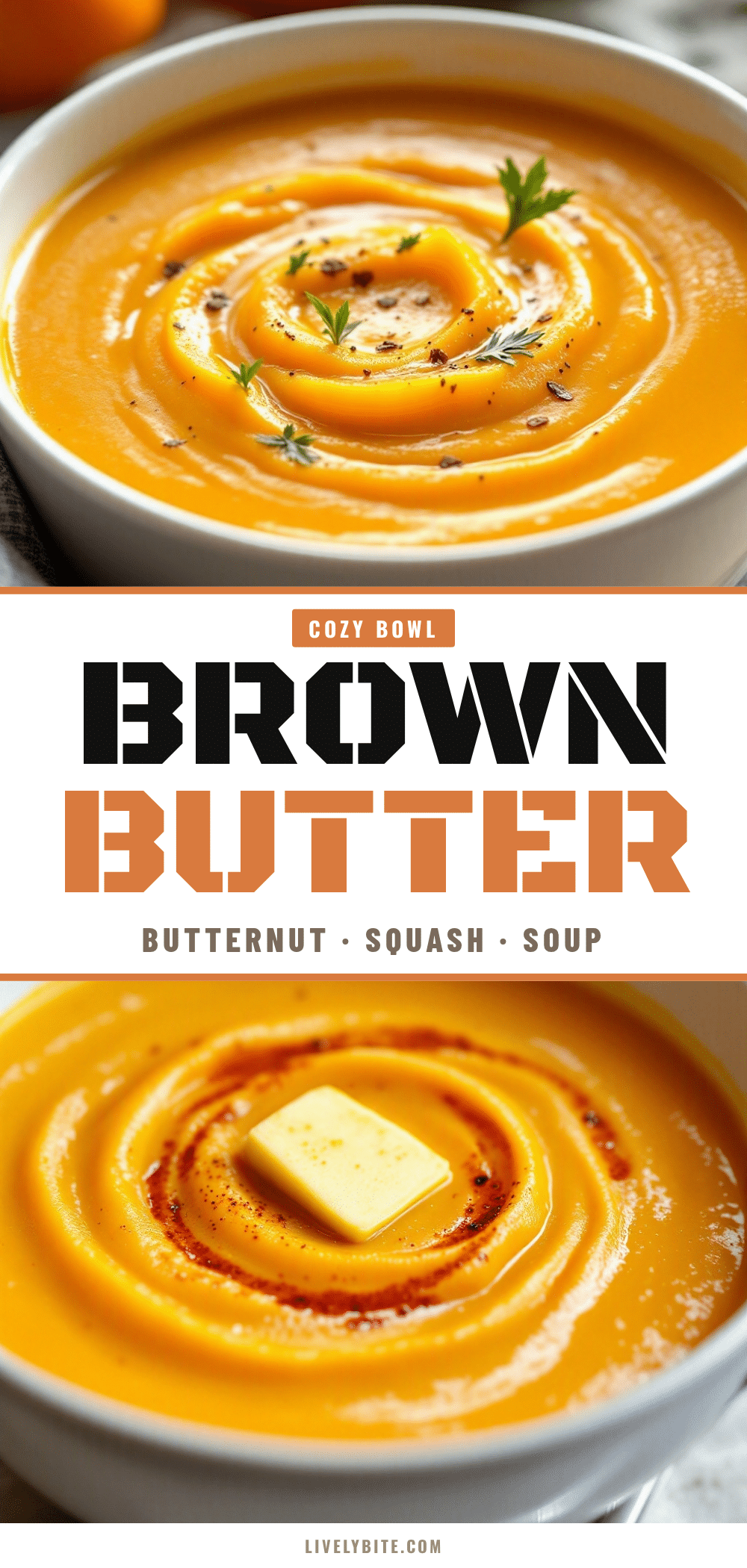
Cozy Roasted Butternut Squash Soup with Brown Butter

A velvety roasted butternut squash soup finished with nutty brown butter and crispy sage. This simple, gluten-free fall comfort food is perfect for meal prep and crowd-pleasing dinners.
- Prep Time: 15 minutes
- Cook Time: 40 minutes
- Total Time: 55 minutes
- Yield: 6 servings 1x
- Category: Soup
- Cuisine: American
Ingredients
- 1 medium butternut squash (about 3 pounds), peeled, seeded, and cut into 1-inch cubes
- 2 tablespoons olive oil
- 1/2 teaspoon fine sea salt
- 1/4 teaspoon freshly ground black pepper
- 1 tablespoon olive oil (for sautéing)
- 1 medium yellow onion, chopped (about 1 1/2 cups)
- 3 cloves garlic, minced
- 1/2 teaspoon dried thyme (or 2 teaspoons fresh thyme leaves)
- 1/4 teaspoon ground nutmeg (preferably freshly grated)
- 4 cups vegetable broth (low-sodium recommended)
- 1/2 cup full-fat canned coconut milk (or heavy cream)
- 3 tablespoons unsalted butter (European-style preferred, e.g., Kerrygold)
- 6–8 fresh sage leaves (optional)
- Salt and pepper to taste
- Toasted pumpkin seeds (for garnish, optional)
- A swirl of coconut milk or cream (for garnish, optional)
- Fresh thyme sprigs (for garnish, optional)
Instructions
- Preheat your oven to 400°F (200°C). Line a large baking sheet with parchment paper.
- Prep the squash: Using a sharp vegetable peeler, remove the skin from the butternut squash. Cut off the stem end and the bottom. Slice the squash in half where the narrow neck meets the round bulb. Scoop out the seeds from the bulb with a spoon. Cut the squash into 1-inch cubes.
- Roast the squash: Toss the cubed squash with 2 tablespoons olive oil, 1/2 teaspoon salt, and 1/4 teaspoon pepper. Spread in a single layer on the prepared baking sheet. Roast for 25-30 minutes, flipping halfway through, until tender and edges are golden brown.
- While the squash roasts, start the soup base: In a large pot or Dutch oven, heat 1 tablespoon olive oil over medium heat. Add the chopped onion and cook for 5-6 minutes, stirring occasionally, until softened and translucent.
- Add the garlic and spices: Stir in the minced garlic, dried thyme, and ground nutmeg. Cook for 1 minute until fragrant.
- Add the broth and roasted squash: Pour in the vegetable broth and add the roasted squash cubes. Stir to combine. Bring to a gentle simmer, then reduce heat to low. Let simmer for 10 minutes to meld flavors.
- Blend until smooth: Remove the pot from heat. Using an immersion blender, blend the soup directly in the pot until completely smooth. If using a regular blender, work in batches—fill no more than halfway, remove center cap from lid, cover with a towel, and blend on low speed. Return blended soup to the pot.
- Stir in the coconut milk: Add 1/2 cup full-fat coconut milk and stir until fully incorporated. Taste and adjust seasoning with salt and pepper.
- Make the brown butter: In a small light-colored skillet, melt 3 tablespoons butter over medium heat. Swirl the pan occasionally. The butter will foam, then the foam will subside, and golden-brown specks will form at the bottom (about 3-4 minutes). As soon as it smells nutty and looks amber, remove from heat. If using sage leaves, add them to the hot butter—they’ll crisp up in about 15 seconds.
- Serve: Ladle the soup into bowls. Drizzle each bowl with a spoonful of brown butter and a few crispy sage leaves. Add a sprinkle of toasted pumpkin seeds and a fresh thyme sprig if desired. Serve hot with crusty bread or a simple side salad.
Notes
For best flavor, don’t skip roasting the squash—it caramelizes and deepens the taste. Brown butter can burn quickly; watch carefully and remove from heat as soon as it turns amber. The soup tastes even better the next day. To make vegan, use a high-quality vegan butter like Miyoko’s for the brown butter. For a nut-free version, skip the pumpkin seeds or use sunflower seeds.
Nutrition
- Serving Size: 1 bowl (about 1 1/2
- Calories: 220
- Sugar: 6
- Sodium: 480
- Fat: 14
- Saturated Fat: 6
- Carbohydrates: 22
- Fiber: 5
- Protein: 3
Keywords: butternut squash soup, roasted butternut squash soup, brown butter soup, fall soup, gluten-free soup, vegetarian soup, comfort food, easy soup recipe