I had three pounds of ground beef thawing on the counter and absolutely no plan. My husband texted that he was bringing his boss home for dinner—in two hours. The pantry was bare except for some onions, a box of crackers I’d forgotten about, and a bottle of ketchup that was almost empty. I stood there, staring at the meat, feeling that familiar pinch of panic that every home cook knows too well.
Then I remembered my grandmother’s old trick—the one she used when she had to stretch a meal for unexpected company. She’d mix everything into one big loaf, slather it with something sweet, and call it dinner. No fuss, no stress, just honest food that somehow made everyone feel taken care of. I grabbed the brown sugar from the back of the cabinet and got to work.
What came out of the oven that night was pure comfort—tender, juicy meatloaf with a sticky-sweet glaze that caramelized into something almost candy-like around the edges. The boss asked for seconds. Then for the recipe. I laughed and told him it was just my grandmother’s Best Classic Meatloaf with Brown Sugar Glaze, thrown together out of necessity. But honestly? It became our go-to dinner from that night on.
This recipe stuck because it’s not fancy. It’s the kind of meal that shows up when you need it most—when you’re out of ideas, out of time, or just out of energy. And every time I make it, I remember that dinner doesn’t have to be complicated to be memorable.
Why You’ll Love This Recipe
Let me tell you—this isn’t just another meatloaf recipe you’ll try once and forget. I’ve tested this version more times than I can count, tweaking the ratios and playing with the glaze until it hit that perfect balance of savory and sweet. Here’s why I think you’re going to love it as much as my family does:
- Quick & Easy: From fridge to table in about an hour, with only 10 minutes of active prep. Perfect for those nights when you need dinner on the table without a whole production.
- Simple Ingredients: You probably have everything in your kitchen right now. No trips to specialty stores, no weird ingredients you’ll never use again.
- Perfect for Company: It looks impressive—especially with that glossy brown sugar glaze—but it’s secretly one of the easiest things you can make. Your guests will think you spent hours on it.
- Crowd-Pleaser: Kids devour it. Adults ask for the recipe. Even picky eaters go back for seconds. I’ve never met anyone who didn’t love a good meatloaf.
- Unbelievably Delicious: The texture is what gets me every time—moist and tender, not dry or crumbly. And that glaze? It’s the kind of sweet-savory magic that makes you close your eyes after the first bite.
What makes this one different from all the other meatloaf recipes out there? It’s the technique. I use a blend of ground beef and ground pork (trust me on this), plus a panade—that’s just a fancy word for bread soaked in milk—that keeps everything incredibly moist. And the brown sugar glaze isn’t an afterthought; it’s the star of the show, brushed on in layers so it builds up that gorgeous, sticky crust.
This is comfort food at its finest—the kind that fills your kitchen with that cozy, home-cooked smell and makes everyone wander in asking, “What’s for dinner?” It’s the recipe I turn to when I need a guaranteed win.
What Ingredients You Will Need
This recipe uses simple, honest ingredients that work together to create something truly special. Most of these are pantry staples, which is exactly what you want in a weeknight dinner. Let me walk you through each one and why it matters.
For the Meatloaf
- Ground beef (80/20): 2 pounds. Don’t go leaner than this—you need that fat for moisture and flavor. I prefer 80/20 because it gives you the juiciest results without being greasy. If you only have 85/15, it’ll still work, just add an extra tablespoon of milk to the panade.
- Ground pork: 1 pound. This is my secret ingredient. Pork adds richness and tenderness that beef alone can’t match. If you can’t find ground pork, you can use all beef, but honestly, the pork makes a noticeable difference. I get mine from the butcher counter at my local grocery store.
- Yellow onion: 1 medium, finely diced. Onion adds sweetness and moisture. I like to sauté it briefly before adding it to the mix—it softens the flavor and prevents that raw onion crunch. You can use a white onion if that’s what you have.
- Garlic: 4 cloves, minced. Fresh garlic is non-negotiable here. The jarred stuff just doesn’t have the same punch. I mince mine fine so it distributes evenly throughout the meatloaf.
- Breadcrumbs: 1 cup plain. These help bind everything together. I use plain panko for a lighter texture, but regular breadcrumbs work too. If you’re gluten-free, use gluten-free breadcrumbs or crushed pork rinds.
- Whole milk: ½ cup. This creates the panade—a paste of bread and milk that keeps the meatloaf tender and moist. You can use 2% or even oat milk in a pinch, but whole milk gives the best results.
- Eggs: 2 large, lightly beaten. Eggs are the binder that holds everything together. Make sure they’re at room temperature so they incorporate smoothly.
- Worcestershire sauce: 2 tablespoons. This adds that deep, savory umami flavor that makes meatloaf taste so good. I use Lea & Perrins—it’s my go-to brand and has the best flavor profile.
- Dijon mustard: 1 tablespoon. A little tangy kick that balances the sweetness of the glaze. Don’t skip it—it adds complexity you’ll miss if you leave it out.
- Ketchup: ¼ cup. This goes right into the meat mixture for extra moisture and a touch of sweetness. I use Heinz, but any brand works.
- Salt and black pepper: 1 teaspoon salt, ½ teaspoon pepper. Season generously—meatloaf needs it. I use kosher salt for better control.
- Dried thyme: 1 teaspoon. A subtle herb note that pairs beautifully with beef. You can use fresh thyme if you have it—just triple the amount.
- Fresh parsley: ¼ cup, chopped (optional but nice). Adds a fresh, bright note and a little color. I toss it in when I have it on hand.
For the Brown Sugar Glaze
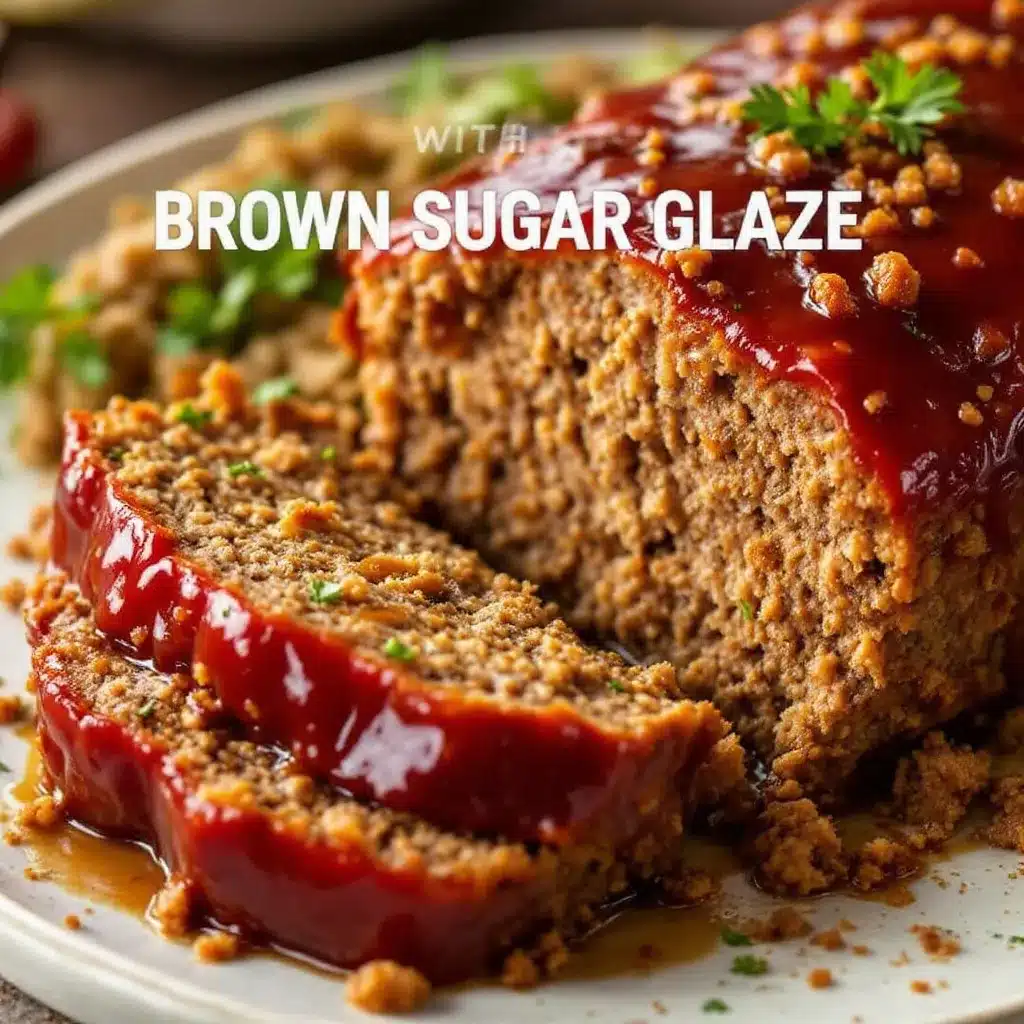
- Brown sugar: ½ cup, packed. Light or dark brown sugar both work. Dark brown sugar gives a deeper, more molasses-y flavor, while light is milder. I prefer dark for this recipe—it caramelizes beautifully.
- Ketchup: ½ cup. The base of the glaze. It provides that classic tangy-sweet flavor we all love on meatloaf.
- Apple cider vinegar: 1 tablespoon. A little acidity to cut through the sweetness. It brightens the whole glaze and keeps it from being cloying.
- Worcestershire sauce: 1 teaspoon. Just a touch to deepen the savory side of the glaze.
- Garlic powder: ½ teaspoon. Not fresh garlic here—powdered blends in smoothly and doesn’t burn under the broiler.
Equipment Needed
You don’t need a fancy kitchen to make this meatloaf. Here’s what I use, along with some alternatives if you’re working with what you’ve got.
- Large mixing bowl: You need something big enough to get your hands in there and mix everything together. I use a ceramic bowl, but any large bowl works. Pro tip: avoid glass bowls—they can feel slippery when your hands are greasy.
- Baking sheet or loaf pan: I prefer a rimmed baking sheet lined with foil for easier cleanup and better caramelization on all sides. A 9×5-inch loaf pan works too, but you’ll get less of that crispy edge. If using a loaf pan, line it with parchment paper for easy removal.
- Wire rack: Optional but helpful. Placing the meatloaf on a rack over the baking sheet lets the fat drip away and helps the glaze set evenly. If you don’t have one, just shape the loaf directly on the baking sheet.
- Small saucepan: For making the glaze. Any small pot works—just make sure it’s not nonstick if you plan to whisk vigorously.
- Pastry brush: For applying the glaze. A silicone brush is easiest to clean. No brush? Use the back of a spoon to spread the glaze gently.
- Meat thermometer: This is non-negotiable for me. An instant-read thermometer takes the guesswork out of cooking. I’ve had too many dry meatloaves in my life to trust timing alone. A digital one is about $10 and worth every penny.
- Chef’s knife and cutting board: For dicing the onion and mincing the garlic. A sharp knife makes this job so much faster.
If you’re on a budget, skip the wire rack and the pastry brush. You can shape the loaf directly on the baking sheet and use a spoon for the glaze. The results will still be delicious.
Preparation Method
Alright, let’s make this meatloaf. I’ve broken it down into clear steps with all the little details I’ve learned from making this dozens of times. Trust the process, and you’ll end up with the best meatloaf of your life.
- Preheat your oven to 350°F (175°C). Position the rack in the center of the oven. While it’s heating, line a rimmed baking sheet with foil for easy cleanup. If you’re using a wire rack, place it on the baking sheet now.
- Make the panade. In your large mixing bowl, combine 1 cup of breadcrumbs with ½ cup of whole milk. Stir gently and let it sit for 5 minutes. The bread will absorb the milk and turn into a paste—this is your panade. It’s the secret to a tender, never-dry meatloaf. I learned this trick from a chef friend years ago, and I’ve never looked back.
- Sauté the aromatics. Heat a small skillet over medium heat with a drizzle of oil. Add the finely diced onion and cook for 3-4 minutes until soft and translucent. Add the minced garlic and cook for another 30 seconds until fragrant. Set aside to cool slightly. This step mellows the onion and garlic so they blend seamlessly into the meatloaf.
- Mix the meatloaf base. To the bowl with the panade, add the sautéed onions and garlic, 2 beaten eggs, 2 tablespoons Worcestershire sauce, 1 tablespoon Dijon mustard, ¼ cup ketchup, 1 teaspoon salt, ½ teaspoon black pepper, and 1 teaspoon dried thyme. Stir everything together until well combined. This mixture should look like a thick, slightly wet paste.
- Add the meat. Add 2 pounds of ground beef and 1 pound of ground pork to the bowl. Using your hands (I promise, this is the best way), gently mix everything together until just combined. Don’t overmix—that’s the number one mistake people make. Overworking the meat makes it tough. You want to mix until you can’t see any more streaks of raw meat, then stop. If you’re squeamish about using your hands, wear disposable gloves.
- Shape the meatloaf. Transfer the meat mixture to your prepared baking sheet (or onto the wire rack). Shape it into a loaf about 9 inches long and 5 inches wide. Try to make it uniform in thickness so it cooks evenly. I like to make the edges slightly higher than the center—this helps the glaze pool in the middle without running off.
- Make the glaze. In a small saucepan, combine ½ cup packed brown sugar, ½ cup ketchup, 1 tablespoon apple cider vinegar, 1 teaspoon Worcestershire sauce, and ½ teaspoon garlic powder. Whisk together over medium heat until the sugar dissolves and the mixture comes to a gentle simmer, about 2-3 minutes. Remove from heat. The glaze should be thick and glossy, with a deep caramel color.
- Apply the first glaze layer. Brush about half of the glaze evenly over the top and sides of the meatloaf. Reserve the remaining glaze for later. Don’t be shy—cover every visible surface. This first layer will bake into the meatloaf, creating a base of flavor.
- Bake the meatloaf. Place the meatloaf in the preheated oven and bake for 45 minutes. At this point, the meatloaf should be starting to brown and the glaze should be set. The internal temperature should be around 145°F (63°C).
- Apply the second glaze layer. Remove the meatloaf from the oven and brush on the remaining glaze. This second layer creates that thick, sticky, caramelized crust that makes this recipe so special. Return to the oven and bake for another 15-20 minutes.
- Check for doneness. The meatloaf is done when the internal temperature reaches 160°F (71°C) for beef and pork. Insert your meat thermometer into the thickest part of the loaf—avoid touching the pan or rack. If you don’t have a thermometer, cut into the center; the juices should run clear and there should be no pink remaining.
- Rest before slicing. This is crucial. Remove the meatloaf from the oven and let it rest on the baking sheet for 10-15 minutes. Don’t skip this step! Resting allows the juices to redistribute throughout the meatloaf, so every slice stays moist. If you cut into it too soon, all those delicious juices will run out onto the pan, leaving you with a dry meatloaf.
- Slice and serve. Use a sharp knife to cut the meatloaf into 1-inch thick slices. The glaze should be sticky and caramelized on the outside, while the inside is tender and juicy. Serve immediately with your favorite sides.
One more thing—the pan juices. After you remove the meatloaf, you’ll notice some juices in the pan. Don’t throw them away! Spoon them over the sliced meatloaf for extra flavor. It’s like a built-in sauce.
Cooking Tips & Techniques
I’ve made this meatloaf more times than I can count, and I’ve learned a few things the hard way. Here are my best tips to help you nail it on your first try.
Don’t overmix the meat. This is the most common mistake I see. When you overmix ground meat, you develop the proteins too much, and the result is a dense, tough meatloaf. Mix just until everything comes together—about 30 seconds of gentle folding with your hands. It’s okay if you still see small bits of fat or seasoning; they’ll distribute as it bakes.
Use a meat thermometer. I cannot stress this enough. Oven temperatures vary, and meatloaf thickness changes cooking time. The only reliable way to know it’s done is by internal temperature. I’ve had meatloaves that looked perfectly browned on the outside but were still raw in the middle. A $10 thermometer saves you from that disappointment. Aim for 160°F (71°C) for the perfect balance of safety and juiciness.
Let it rest. I know it’s hard to wait when your kitchen smells amazing, but resting is non-negotiable. The meatloaf continues cooking slightly from residual heat, and the juices settle back into the meat. I once cut into a meatloaf right out of the oven, and the entire center slid out onto the cutting board in a puddle of juice. Learn from my mistake—set a timer for 10 minutes and walk away.
Toast the breadcrumbs first. This is a pro tip I picked up from a restaurant cookbook. Spread your breadcrumbs on a baking sheet and toast them in the oven at 350°F for 3-4 minutes until lightly golden. Toasted breadcrumbs absorb liquid better and add a subtle nutty flavor. It’s a small step that makes a noticeable difference.
Chill the meat mixture before shaping. If you have time, pop the mixed meatloaf in the fridge for 15-20 minutes before shaping. Cold meat holds its shape better and is easier to form into a uniform loaf. Plus, it helps the meatloaf cook more evenly.
Line your pan with foil. Cleanup is the worst part of cooking, right? Lining your baking sheet with heavy-duty foil makes cleanup a breeze. Just fold up the edges to catch any drips, and when dinner’s done, toss the foil. No scrubbing required.
Variations & Adaptations
This recipe is wonderfully versatile. Here are some ways to make it your own, based on what I’ve tried over the years.
Turkey Meatloaf: Swap the beef and pork for 3 pounds of ground turkey (93/7 works best). Add 2 tablespoons of olive oil to compensate for the lower fat content, and increase the milk in the panade to ¾ cup. Turkey meatloaf can be dry, so don’t skip the panade. I’ve made this version for friends who don’t eat red meat, and they loved it.
BBQ Glaze: Replace the brown sugar glaze with your favorite barbecue sauce. Brush it on the same way—half before baking, half after. I’ve used a smoky chipotle BBQ sauce for a spicy kick, and it was incredible. This is my go-to for summer cookouts.
Cheese-Stuffed Meatloaf: After shaping the loaf, make a deep trench down the center and fill it with shredded cheddar, mozzarella, or provolone. Pinch the meat back together to seal it. The cheese melts into a gooey center that’s absolutely decadent. I tried this once for a dinner party, and everyone went crazy for it.
Gluten-Free Option: Use gluten-free breadcrumbs or crushed gluten-free crackers. I’ve used crushed pork rinds too—they add extra protein and keep the meatloaf incredibly moist. Just make sure your Worcestershire sauce is gluten-free (Lea & Perrins is).
Italian-Style Meatloaf: Add ½ cup grated Parmesan cheese, ¼ cup chopped fresh basil, and 1 teaspoon dried oregano to the meat mixture. Swap the brown sugar glaze for a simple tomato sauce glaze (½ cup tomato sauce mixed with 1 tablespoon balsamic vinegar). Serve with spaghetti and marinara for a fun twist. This is my husband’s favorite variation.
Mini Meatloaves: Shape the mixture into 6 individual loaves and bake for 25-30 minutes. Perfect for meal prep or for getting dinner on the table faster. Kids especially love having their own little meatloaf.
Serving & Storage Suggestions
This meatloaf is wonderful served hot, but it’s also delicious at room temperature or even cold the next day. Here’s how to make the most of it.
Serving Temperature: Serve the meatloaf hot, right after its 10-minute rest. The glaze should be sticky and warm, and the interior should be tender and juicy. I like to slice it at the table for a nice presentation.
What to Serve With It: Classic sides are mashed potatoes and green beans, but don’t stop there. It’s amazing with roasted vegetables, a simple green salad, or even over rice. I love serving it with Easy Lemon Herb Salmon Sheet Pan Dinner for a surf-and-turf night, or alongside Easy Mediterranean Stuffed Mini Peppers with Feta for a colorful plate. For a cozy weeknight, pair it with Easy Slow Cooker Honey Garlic Chicken Meal Prep Bowls for a double-dose of comfort food.
Storing Leftovers: Let the meatloaf cool completely, then wrap it tightly in plastic wrap or aluminum foil. Store in the refrigerator for up to 4 days. The flavors actually deepen overnight, so leftovers are often even better the next day.
Freezing: Meatloaf freezes beautifully. Slice the cooled meatloaf and wrap each slice individually in plastic wrap, then place in a freezer-safe bag. Freeze for up to 3 months. To reheat, thaw in the refrigerator overnight, then warm in a 350°F oven for 10-15 minutes. You can also reheat slices in the microwave for 1-2 minutes.
Reheating: The best way to reheat meatloaf is in the oven. Place slices on a baking sheet, cover loosely with foil, and warm at 350°F for 10-15 minutes. This helps the glaze get sticky again without drying out the meat. If you’re in a hurry, the microwave works, but the texture won’t be quite as good. For a quick lunch, I sometimes crumble cold meatloaf over a salad—it’s surprisingly delicious.
Flavor Development: The glaze continues to set and deepen in flavor as the meatloaf cools. If you’re making this ahead, let it cool completely, then refrigerate overnight. The next day, the glaze will be even thicker and more caramelized. Reheat gently and enjoy.
Nutritional Information & Benefits
This meatloaf is hearty comfort food, but it also has some nutritional perks worth noting. Here’s a rough breakdown per serving (based on 8 servings):
- Calories: 485
- Protein: 32g
- Fat: 28g
- Carbohydrates: 22g
- Fiber: 1g
- Sugar: 16g (mostly from the glaze)
Protein Powerhouse: With 32g of protein per serving, this meatloaf is excellent for muscle repair and keeping you full. The combination of beef and pork provides a complete amino acid profile.
Iron and B Vitamins: Beef is rich in iron and B12, which support energy levels and healthy blood cells. Pork adds thiamine (B1), which helps convert food into energy.
Lower Carb Option: Skip the breadcrumbs and use almond flour or crushed pork rinds instead. This reduces the carb count to about 8g per serving. I’ve tried this version for low-carb friends, and they couldn’t tell the difference.
Allergen Notes: This recipe contains dairy (milk), eggs, and gluten (breadcrumbs). For a dairy-free version, use unsweetened almond milk in the panade and dairy-free butter for sautéing. For egg-free, substitute with 2 tablespoons of flaxseed meal mixed with 6 tablespoons of water (let it sit for 5 minutes to gel).
I’m not a nutritionist, but I believe in balance. This meatloaf is real food made with real ingredients—protein, vegetables, and a little bit of sweetness. It’s the kind of meal that nourishes you and makes you feel good. Pair it with a big green salad or roasted vegetables, and you’ve got a well-rounded dinner that satisfies without guilt.
Conclusion
This Best Classic Meatloaf with Brown Sugar Glaze has become a staple in my kitchen for good reason. It’s the recipe I turn to when I need something reliable, something that feels like home, something that makes everyone at the table happy. It came from a moment of panic and necessity, but it’s stayed because it’s simply that good.
What I love most about this recipe is how forgiving it is. You can tweak the seasonings, swap the meats, change up the glaze—and it still works. It’s a blank canvas for your creativity, but it’s also perfect exactly as written. That’s the mark of a great recipe, if you ask me.
I’d love to hear how yours turns out. Did you make any changes? Serve it with something unexpected? Have a meatloaf disaster story of your own? Drop a comment below and share your experience. And if you loved this recipe, please share it with a friend who needs a good comfort meal in their life.
Happy cooking, friend. You’ve got this.
Frequently Asked Questions
Can I make this meatloaf ahead of time?
Absolutely. You can assemble the meatloaf up to 24 hours in advance, shape it, and keep it covered in the refrigerator. Just add the glaze right before baking. The flavors actually meld together beautifully overnight.
Why is my meatloaf falling apart?
This usually happens for two reasons: not enough binder (eggs and breadcrumbs) or slicing before it’s rested. Make sure you’re using the full amount of panade and eggs, and always let the meatloaf rest for at least 10 minutes before cutting. If it’s still falling apart, try adding an extra egg next time.
Can I use only ground beef instead of the beef and pork mix?
Yes, you can use 3 pounds of ground beef. The meatloaf will still be delicious, but it might be slightly less tender. If you go this route, add an extra tablespoon of milk to the panade to keep it moist. I’ve done this many times when I didn’t have pork on hand.
How do I know when the meatloaf is fully cooked without a thermometer?
If you don’t have a meat thermometer, cut into the center of the meatloaf with a knife. The juices should run clear, and there should be no pink remaining. The meatloaf should also feel firm to the touch and pull away slightly from the edges of the pan. That said, a thermometer is really the best way to be sure.
Can I freeze the leftover glaze?
Yes! Extra glaze can be stored in an airtight container in the refrigerator for up to a week, or frozen for up to 3 months. Thaw in the refrigerator overnight and reheat gently before using. It’s also fantastic on meatballs, roasted chicken, or even as a dipping sauce for fries.
Looking for more comforting dinner ideas? Check out all our favorite recipes here for more inspiration.
Pin This Recipe!
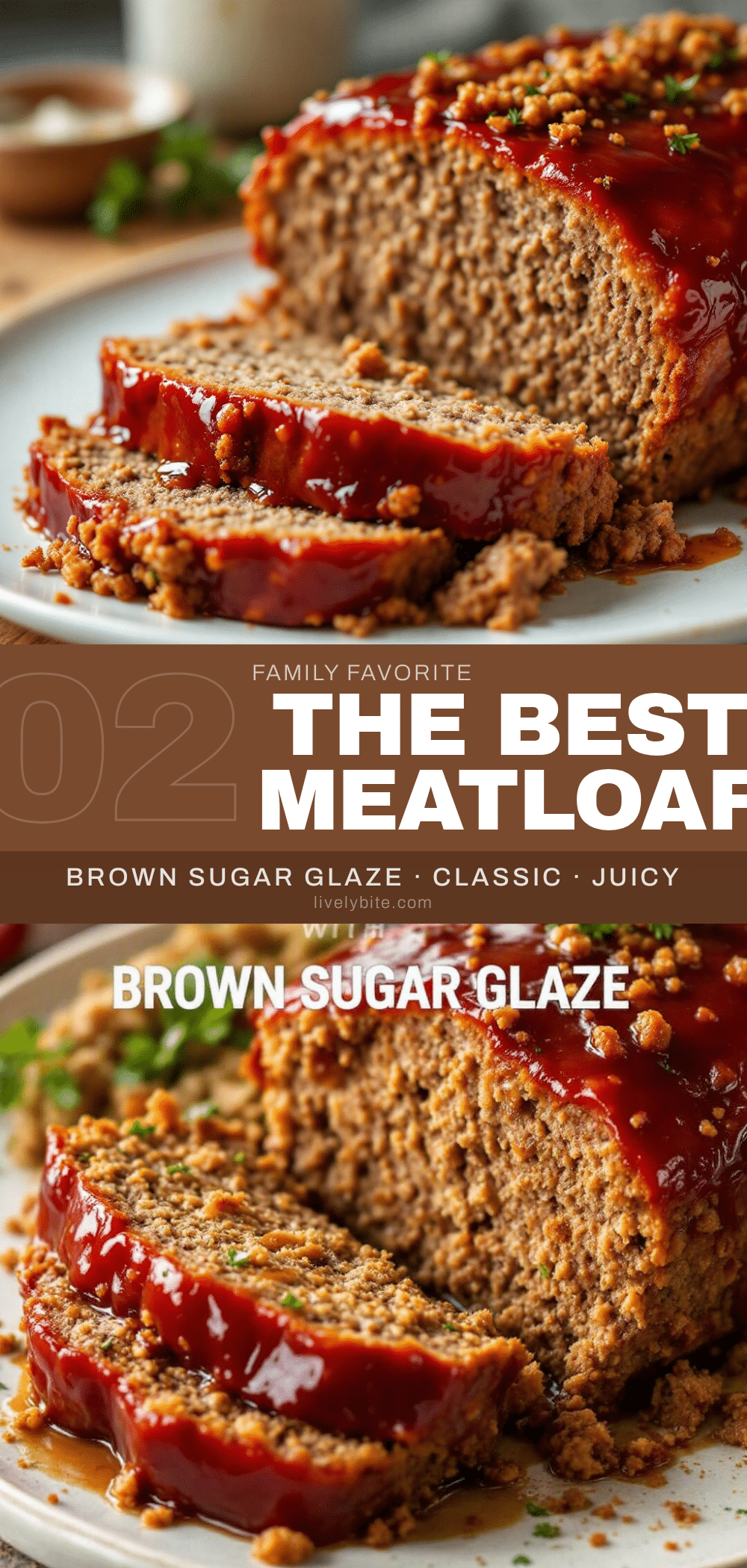
Best Classic Meatloaf with Brown Sugar Glaze
A tender, juicy meatloaf with a sticky-sweet brown sugar glaze that caramelizes into a candy-like crust. This easy, crowd-pleasing recipe uses simple ingredients and comes together in about an hour.
- Prep Time: 15 minutes
- Cook Time: 60 minutes
- Total Time: 1 hour 15 minutes
- Yield: 8 servings 1x
- Category: Main Course
- Cuisine: American
Ingredients
- 2 pounds ground beef (80/20)
- 1 pound ground pork
- 1 medium yellow onion, finely diced
- 4 cloves garlic, minced
- 1 cup plain breadcrumbs (or panko)
- ½ cup whole milk
- 2 large eggs, lightly beaten
- 2 tablespoons Worcestershire sauce
- 1 tablespoon Dijon mustard
- ¼ cup ketchup
- 1 teaspoon salt
- ½ teaspoon black pepper
- 1 teaspoon dried thyme
- ¼ cup fresh parsley, chopped (optional)
- ½ cup packed brown sugar (light or dark)
- ½ cup ketchup (for glaze)
- 1 tablespoon apple cider vinegar
- 1 teaspoon Worcestershire sauce (for glaze)
- ½ teaspoon garlic powder
Instructions
- Preheat oven to 350°F (175°C). Line a rimmed baking sheet with foil; place a wire rack on top if desired.
- Make the panade: In a large bowl, combine breadcrumbs and milk. Let sit 5 minutes until a paste forms.
- Sauté aromatics: In a small skillet over medium heat, cook onion in a drizzle of oil until soft (3-4 minutes). Add garlic and cook 30 seconds. Cool slightly.
- Mix base: To the panade, add sautéed onion and garlic, eggs, 2 tablespoons Worcestershire, mustard, ¼ cup ketchup, salt, pepper, and thyme. Stir until combined.
- Add meats: Add beef and pork. Using your hands, gently mix until just combined—do not overmix.
- Shape loaf: Transfer mixture to prepared baking sheet. Shape into a 9×5-inch loaf, making edges slightly higher than center.
- Make glaze: In a small saucepan, combine brown sugar, ½ cup ketchup, vinegar, 1 teaspoon Worcestershire, and garlic powder. Whisk over medium heat until sugar dissolves and mixture simmers (2-3 minutes). Remove from heat.
- Apply first glaze layer: Brush half the glaze over the top and sides of the meatloaf.
- Bake: Place in oven and bake for 45 minutes. Internal temperature should reach about 145°F (63°C).
- Apply second glaze layer: Remove from oven, brush on remaining glaze. Return to oven and bake 15-20 minutes more, until internal temperature reaches 160°F (71°C).
- Rest: Let meatloaf rest on baking sheet for 10-15 minutes before slicing.
- Slice and serve: Cut into 1-inch thick slices. Spoon pan juices over slices if desired.
Notes
Don’t overmix the meat—mix just until combined. Let the meatloaf rest for 10-15 minutes before slicing to keep it moist. For a gluten-free version, use gluten-free breadcrumbs or crushed pork rinds. For dairy-free, use unsweetened almond milk. Leftovers keep in the fridge for up to 4 days or freeze for up to 3 months.
Nutrition
- Serving Size: 1 slice (1/8 of reci
- Calories: 485
- Sugar: 16
- Sodium: 780
- Fat: 28
- Saturated Fat: 10
- Carbohydrates: 22
- Fiber: 1
- Protein: 32
Keywords: meatloaf, brown sugar glaze, classic meatloaf, comfort food, ground beef, ground pork, easy dinner, family meal