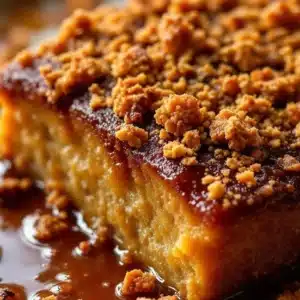
That first crackling sound—the kind that makes you stop mid-sentence and just listen—still takes me straight to my grandmother’s kitchen on a cool November evening. I was maybe ten, standing on a step stool so I could see over the counter, watching her slice through an acorn squash with a knife that looked way too big for her hands. She never measured anything, you know. A glug of maple syrup here, a handful of brown sugar there, butter melting into the ridges like it had nowhere else to be. I remember thinking, “How does she know when it’s ready?” She just shrugged and said, “The smell tells me.”
Honestly, I’ve spent years trying to recreate that exact moment. And these caramelized brown sugar roasted acorn squash rings? They’re pretty much it. The edges get all sticky and dark, almost candied, while the inside stays tender enough to melt on your tongue. It’s the kind of side dish that makes you forget there’s a main course coming. I’ve made them for Thanksgiving, for random Tuesday dinners, and even for a breakfast side dish once (don’t judge—it works).
What I love most is how simple they are. No complicated techniques, no fancy equipment. Just a few ingredients doing exactly what they’re supposed to do. And that smell? It fills your whole house, wrapping around you like a warm blanket. Trust me—once you make these, you’ll understand why I kept coming back to my grandmother’s kitchen all those years ago.
Why You’ll Love This Recipe
Let me tell you why these caramelized brown sugar roasted acorn squash rings have become my go-to fall side dish. I’ve tested this recipe at least a dozen times—sometimes with too much butter, sometimes with not enough brown sugar—and I’ve finally nailed the balance.
- Quick & Easy: Ready in under 40 minutes, including prep. Perfect for those nights when you need something impressive but don’t have hours to spend in the kitchen.
- Simple Ingredients: You probably already have brown sugar, butter, and cinnamon in your pantry. No weird specialty items here.
- Perfect for Fall Gatherings: Whether it’s Thanksgiving, a cozy dinner party, or just a weeknight meal that feels special, these squash rings fit right in.
- Crowd-Pleaser: I’ve served these to kids who swore they hated squash, and they went back for seconds. The caramelized sugar does all the convincing.
- Unbelievably Delicious: The contrast between the crispy, caramelized edges and the soft, buttery center is next-level comfort food.
What makes this recipe different from the rest? It’s the technique. Instead of roasting the squash in chunks, slicing it into rings means every piece gets that perfect caramelized edge. No soggy middles, no uneven cooking. Plus, the rings look gorgeous on a platter—like little edible sunsets.
This recipe isn’t just good—it’s the kind that makes you close your eyes after the first bite. It’s comfort food reimagined: healthier than you’d expect, faster than you’d think, but with the same soul-soothing satisfaction. Perfect for impressing guests without stress, or turning a simple meal into something memorable.
What Ingredients You Will Need
This recipe uses simple, wholesome ingredients to deliver bold flavor and satisfying texture without the fuss. Most of these are pantry staples, which makes this dish perfect for last-minute cravings.
For the Squash Rings
- 1 large acorn squash (about 2 pounds) – Look for one that feels heavy for its size and has a deep green color with some orange patches. That orange means it’s fully ripe and naturally sweeter.
- 3 tablespoons unsalted butter, melted – I use Kerrygold for its rich flavor, but any good-quality butter works. If you’re dairy-free, coconut oil is a solid substitute.
- ¼ cup packed light brown sugar – Dark brown sugar works too and gives a deeper molasses flavor. Just don’t use granulated—it won’t caramelize the same way.
- 1 teaspoon ground cinnamon – Fresh cinnamon makes a difference here. If yours has been sitting in the cabinet for two years, maybe buy a new jar.
- ½ teaspoon salt – I prefer fine sea salt. It dissolves better and balances the sweetness.
- ¼ teaspoon ground nutmeg – Optional, but I love the warmth it adds. Freshly grated is amazing if you have it.
- Pinch of cayenne pepper – Trust me on this. Just a tiny pinch. It doesn’t make the squash spicy—it just makes the caramelized sugar taste even more complex.
For Garnish (Optional)
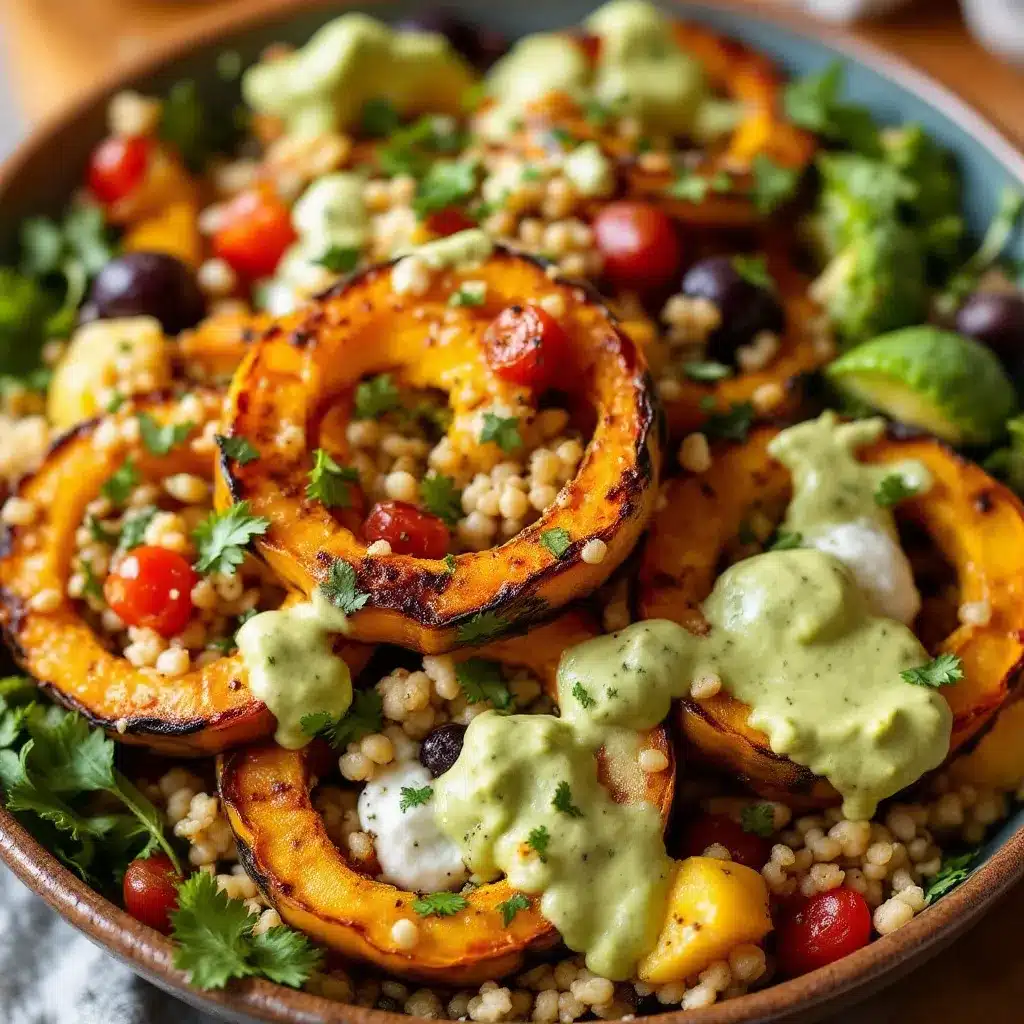
- Fresh thyme or sage leaves – Adds a beautiful color contrast and a hint of earthiness.
- Flaky sea salt – Like Maldon. Sprinkle it right before serving for that little crunch.
- Drizzle of maple syrup – If you want extra sweetness, go for it. I sometimes do this when serving for brunch.
Ingredient Selection Tip: When picking acorn squash, avoid any with soft spots or cracks. The stem should be intact and dry. If you’re not using it right away, store it in a cool, dark place—it’ll keep for up to a month.
Substitution Guidance: For a vegan version, swap the butter with melted coconut oil or vegan butter. Use coconut sugar instead of brown sugar for a less refined option. And if you’re watching your sugar intake, try using just 2 tablespoons of brown sugar mixed with a pinch of stevia—it still caramelizes beautifully.
Equipment Needed
You don’t need much for this recipe, which is part of its charm. Here’s what you’ll want to have on hand:
- Sharp chef’s knife – A dull knife is dangerous when cutting through squash. I use my trusty 8-inch Wüsthof, and it makes clean work of those tough skins.
- Cutting board – A sturdy wooden or plastic board that won’t slip around.
- Large baking sheet – Rimmed is best to catch any caramelized drips. I love my Nordic Ware sheet pans—they distribute heat evenly and don’t warp.
- Parchment paper or silicone baking mat – This makes cleanup a breeze and prevents sticking. Trust me, you don’t want to scrape caramelized sugar off your pan.
- Small bowl – For mixing the brown sugar and spices.
- Pastry brush – For brushing the melted butter onto the squash rings. A silicone brush works great and doesn’t shed bristles.
- Measuring spoons – Because eyeballing brown sugar usually means using too much (not that I’m complaining).
Budget-Friendly Tip: If you don’t have a pastry brush, just use a spoon to drizzle the butter over the rings. It’s not as neat, but it works perfectly fine. And skip the silicone mat—parchment paper is cheap and does the job.
Maintenance Note: After cutting squash, wash your knife immediately. The natural sugars in squash can make the blade sticky, and you don’t want that sitting around.
Preparation Method
Alright, let’s get cooking. Here’s how to make these caramelized brown sugar roasted acorn squash rings step by step.
- Preheat your oven to 400°F (200°C). Line a large baking sheet with parchment paper or a silicone mat. Getting the oven hot is key—you want that immediate sizzle when the squash hits the pan.
- Prep the squash. Using a sharp chef’s knife, carefully cut off both ends of the acorn squash—just about ½ inch from each tip. This creates a flat surface and makes it easier to cut through. Then, slice the squash crosswise into ½-inch thick rings. You’ll get about 5 to 6 rings from one large squash. Use a spoon to scrape out the seeds and stringy pulp from the center of each ring. Don’t worry if some rings break—they’ll still taste amazing.
- Make the brown sugar mixture. In a small bowl, combine the packed light brown sugar, ground cinnamon, salt, ground nutmeg, and that tiny pinch of cayenne pepper. Mix well with a fork, breaking up any clumps of brown sugar. Set aside.
- Brush the rings with butter. Arrange the squash rings in a single layer on the prepared baking sheet. Using a pastry brush, coat both sides of each ring with the melted unsalted butter. Don’t skimp here—the butter helps the sugar stick and creates that gorgeous caramelization.
- Sprinkle with the brown sugar mixture. Evenly sprinkle the brown sugar mixture over both sides of each ring. Use your fingers to press the mixture gently into the squash—this helps it adhere and creates a better crust. You might have a little extra mixture; just sprinkle it over the rings.
- Roast the squash rings. Place the baking sheet in the preheated oven and roast for 20 minutes. After 20 minutes, carefully flip each ring using a spatula. Roast for another 10 to 15 minutes, until the edges are deeply caramelized and the squash is tender when pierced with a fork. The sugar should be bubbling and dark in spots—that’s the good stuff.
- Optional broil for extra caramelization. If you want darker, crispier edges, switch your oven to broil for the last 1 to 2 minutes. Watch them closely—sugar burns fast under the broiler. I’ve learned this the hard way more times than I’d like to admit.
- Rest and serve. Remove the baking sheet from the oven and let the squash rings rest for 2 to 3 minutes. This allows the caramelized sugar to set slightly. Transfer to a serving platter, garnish with fresh thyme or sage leaves and a sprinkle of flaky sea salt, and serve warm.
Sensory Cues: At the 20-minute mark, your kitchen should smell like a bakery meets a fall festival. The edges of the squash will look sticky and dark, almost like they’re wearing a caramel jacket. When you pierce a ring with a fork, it should slide in with just a little resistance—not mushy, but definitely tender.
Personal Tip: I always make an extra ring or two because I inevitably eat one straight off the baking sheet. They’re that good right out of the oven. Just be careful—the caramelized sugar is hot enough to burn your tongue.
Cooking Tips & Techniques
After making these caramelized brown sugar roasted acorn squash rings more times than I can count, I’ve picked up a few tricks that make the difference between good and unforgettable.
Tip 1: Slice evenly. This is huge. If your rings are different thicknesses, some will be done while others are still crunchy. I aim for ½-inch thick rings. Too thin, and they’ll burn before they’re tender. Too thick, and the sugar will caramelize before the squash is cooked through. Use a ruler if you have to—I won’t tell anyone.
Tip 2: Don’t overcrowd the pan. Those rings need space to breathe. If they’re touching, they’ll steam instead of caramelize. Use two baking sheets if you need to, and rotate them halfway through cooking for even browning.
Tip 3: Pat the squash dry. After you remove the seeds, the rings can be a little wet. Pat them dry with a paper towel before brushing with butter. This helps the sugar mixture stick better and promotes caramelization.
Common Mistake to Avoid: I once forgot to flip the rings halfway through roasting. The bottoms got way too dark while the tops were barely golden. Set a timer for 20 minutes, and don’t skip the flip. Your future self will thank you.
Timing Strategy: While the squash is roasting, you can prep the rest of your meal. These rings pair beautifully with a simple lemon herb salmon sheet pan dinner—both cook at the same temperature, so you can roast them together. Just add the salmon to the oven when you flip the squash rings.
Consistency Tip: For the most consistent results, use a mandoline slicer set to ½-inch thickness. It makes perfectly even rings every time. Just watch your fingers—I speak from experience when I say those blades are no joke.
Variations & Adaptations
One of the best things about this recipe is how easy it is to adapt. Here are some variations I’ve tried and loved.
Savory Version
Skip the brown sugar and cinnamon. Instead, brush the rings with olive oil and sprinkle with smoked paprika, garlic powder, salt, and black pepper. Roast the same way, and you’ve got a savory side that goes perfectly with grilled meats or roasted chicken.
Maple-Bourbon Twist
Replace the brown sugar with 3 tablespoons of maple syrup and add 1 tablespoon of bourbon to the melted butter. The bourbon adds a smoky depth that’s incredible for fall dinners. Just be careful—the alcohol doesn’t cook off completely, so this version is for adults only.
Spicy Kick
Increase the cayenne pepper to ¼ teaspoon and add ½ teaspoon of chili powder to the brown sugar mixture. The heat balances the sweetness beautifully. I made this version for a potluck, and it was the first dish to disappear.
Dietary Adaptations
- Vegan: Use melted coconut oil or vegan butter instead of regular butter. Coconut sugar works in place of brown sugar.
- Gluten-Free: This recipe is naturally gluten-free. Just double-check your spice blends for any hidden gluten.
- Low-Sugar: Reduce the brown sugar to 2 tablespoons and add 1 tablespoon of monk fruit sweetener. The caramelization won’t be as intense, but it’s still delicious.
- Nut-Free: No nuts in this recipe, so you’re good to go.
Personal Variation
My favorite twist is adding a tablespoon of balsamic glaze to the butter before brushing. The tanginess cuts through the sweetness and adds this incredible complexity. I stumbled on this combination by accident—I was out of maple syrup and just grabbed the balsamic glaze out of desperation. Best mistake I ever made.
Serving & Storage Suggestions
These caramelized brown sugar roasted acorn squash rings are best served warm, right out of the oven. The caramelized edges are at their crispiest, and the butter is still glossy and inviting.
Serving Ideas:
- Arrange the rings on a large platter, overlapping slightly, and garnish with fresh thyme or sage leaves.
- Sprinkle with flaky sea salt and a drizzle of maple syrup for an extra touch of elegance.
- Serve alongside roasted turkey, pork chops, or slow cooker honey garlic chicken for a complete meal.
- For brunch, serve them next to scrambled eggs and crispy bacon. Trust me—sweet squash and salty bacon are a match made in heaven.
Complementary Dishes:
- A crisp green salad with a tangy vinaigrette balances the sweetness.
- Roasted Brussels sprouts or Mediterranean stuffed mini peppers make great veggie sides.
- For drinks, a glass of dry Riesling or a warm mug of apple cider pairs beautifully.
Storage Instructions:
- Refrigerator: Store leftover squash rings in an airtight container for up to 4 days. The caramelized edges will soften, but the flavor is still fantastic.
- Freezer: Place cooled rings in a single layer on a baking sheet and freeze until solid. Transfer to a freezer-safe bag or container for up to 3 months. Thaw in the refrigerator overnight before reheating.
Reheating Methods:
- Oven: Reheat at 350°F (175°C) for 5 to 7 minutes. This restores some of the crispiness.
- Air Fryer: Reheat at 350°F (175°C) for 3 to 4 minutes. This is my preferred method—the edges get almost as crispy as fresh.
- Microwave: Quick but not ideal. The squash will be soft and the caramelized edges will be gone. Use only if you’re in a hurry.
Flavor Development: Interestingly, the flavors meld and deepen after a day in the fridge. The brown sugar and spices infuse the squash even more, making leftovers almost better than the original. I sometimes make a double batch just for this reason.
Nutritional Information & Benefits
Here’s a rough estimate of the nutritional values per serving (based on 4 servings):
| Nutrient | Amount Per Serving |
|---|---|
| Calories | 185 |
| Total Fat | 9g |
| Saturated Fat | 5.5g |
| Carbohydrates | 28g |
| Fiber | 3g |
| Sugar | 18g |
| Protein | 2g |
| Vitamin A | 20% DV |
| Vitamin C | 25% DV |
| Potassium | 10% DV |
Health Benefits:
- Acorn squash is packed with vitamin A (from beta-carotene) and vitamin C, both of which support immune health and skin health.
- The fiber content helps with digestion and keeps you feeling full longer.
- Brown sugar and butter add calories, but the squash itself is nutrient-dense. This is a treat, not an everyday dish—and that’s perfectly okay.
Dietary Considerations:
- Gluten-free (check spice blends)
- Vegetarian
- Can be made vegan with simple swaps
- Contains dairy (butter) in the original recipe
Personal Wellness Perspective: I believe in balance. This recipe is indulgent, yes, but it’s made with real, whole ingredients. The squash provides plenty of good stuff, and the sugar and butter make it feel like a celebration. Life’s too short to skip the caramelized edges, you know?
Conclusion
These caramelized brown sugar roasted acorn squash rings are more than just a side dish—they’re a little moment of fall magic. The way the sugar crisps up around the edges, the way the butter pools in the center, the way your whole kitchen smells like cinnamon and warmth—it’s the kind of recipe that makes you slow down and actually enjoy cooking.
I’ve made these for holiday dinners, lazy Sunday meals, and even as a sweet snack straight off the baking sheet (no judgment). Every time, they remind me of that November evening in my grandmother’s kitchen, watching her work her magic without measuring a single thing.
Now it’s your turn. Try this recipe, make it your own, and don’t be afraid to experiment with the variations. I’d love to hear how it turns out—leave a comment below and tell me about your favorite way to enjoy roasted squash. And if you’re looking for more fall inspiration, check out our full recipe collection for more cozy, seasonal dishes.
Happy cooking, friends. Your kitchen is about to smell amazing.
Frequently Asked Questions
Can I use butternut squash instead of acorn squash?
Absolutely. Butternut squash works great, but you’ll need to cut it into ½-inch thick rounds instead of rings. The cooking time might be slightly shorter since butternut squash is less dense. Just keep an eye on it starting at the 25-minute mark.
Why did my brown sugar burn in the oven?
This usually happens if your oven runs hot or if the rings are too thin. Try reducing the oven temperature to 375°F (190°C) and roasting a little longer. Also, make sure you’re using light brown sugar—dark brown sugar has more molasses and burns more easily.
Can I make these ahead of time?
You can prep the squash rings up to a day ahead. Slice them, remove the seeds, and store them in a sealed bag in the refrigerator. When you’re ready to cook, just brush with butter, sprinkle with the brown sugar mixture, and roast. The rings might release a little moisture, but they’ll still caramelize beautifully.
How do I get the sugar to stick better?
Make sure the rings are dry before brushing with butter. The butter acts as glue for the sugar mixture. Also, press the sugar mixture gently into the rings with your fingers. Don’t be shy—really work it in. And if you’re using a silicone mat, the sugar tends to stick better than with parchment paper.
Can I use a different sweetener?
Sure. Maple syrup, honey, or coconut sugar all work, but the texture will be different. Maple syrup and honey will create a stickier, less crunchy coating. Coconut sugar will caramelize similarly but has a slightly less sweet, more earthy flavor. Experiment and see what you like best.
Pin This Recipe!
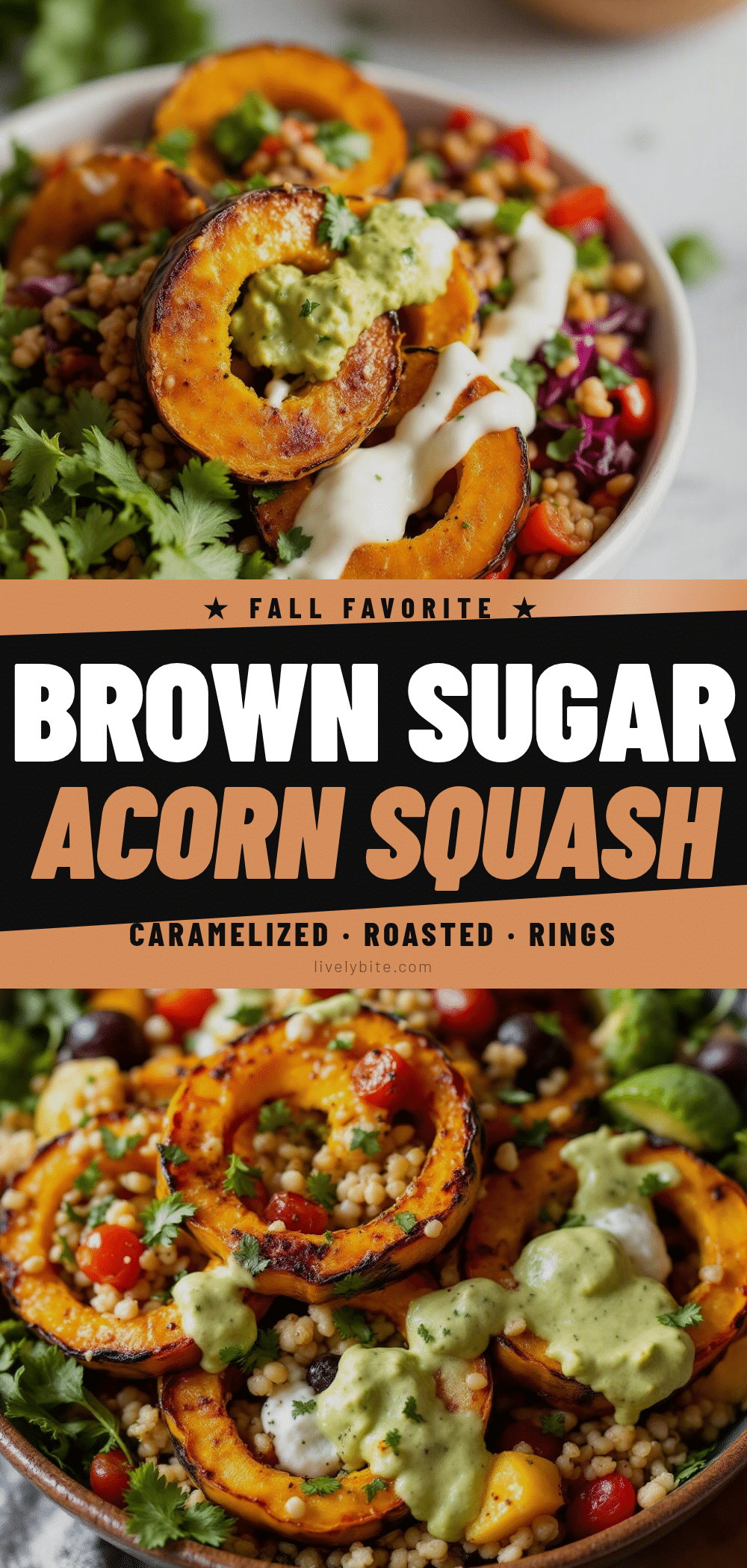
Best Easy Caramelized Brown Sugar Roasted Acorn Squash Rings

These caramelized brown sugar roasted acorn squash rings are a quick and easy fall side dish, ready in under 40 minutes. The edges get sticky and dark, almost candied, while the inside stays tender, making it a crowd-pleaser for any gathering.
- Prep Time: 10 minutes
- Cook Time: 30 minutes
- Total Time: 40 minutes
- Yield: 4 servings 1x
- Category: Side Dish
- Cuisine: American
Ingredients
- 1 large acorn squash (about 2 pounds)
- 3 tablespoons unsalted butter, melted
- ¼ cup packed light brown sugar
- 1 teaspoon ground cinnamon
- ½ teaspoon fine sea salt
- ¼ teaspoon ground nutmeg (optional)
- Pinch of cayenne pepper
- Fresh thyme or sage leaves (for garnish, optional)
- Flaky sea salt (for garnish, optional)
- Drizzle of maple syrup (for garnish, optional)
Instructions
- Preheat your oven to 400°F (200°C). Line a large baking sheet with parchment paper or a silicone mat.
- Using a sharp chef’s knife, carefully cut off both ends of the acorn squash—about ½ inch from each tip. Slice the squash crosswise into ½-inch thick rings. Use a spoon to scrape out the seeds and stringy pulp from the center of each ring.
- In a small bowl, combine the packed light brown sugar, ground cinnamon, salt, ground nutmeg, and cayenne pepper. Mix well with a fork.
- Arrange the squash rings in a single layer on the prepared baking sheet. Using a pastry brush, coat both sides of each ring with the melted unsalted butter.
- Evenly sprinkle the brown sugar mixture over both sides of each ring. Use your fingers to press the mixture gently into the squash.
- Roast for 20 minutes. Carefully flip each ring using a spatula, then roast for another 10 to 15 minutes, until the edges are deeply caramelized and the squash is tender when pierced with a fork.
- Optional: For darker, crispier edges, switch your oven to broil for the last 1 to 2 minutes. Watch closely to prevent burning.
- Remove from the oven and let the squash rings rest for 2 to 3 minutes. Transfer to a serving platter, garnish with fresh thyme or sage leaves and a sprinkle of flaky sea salt, and serve warm.
Notes
Slice the rings evenly (½-inch thick) for consistent cooking. Pat the rings dry before brushing with butter to help the sugar mixture stick. For a vegan version, use melted coconut oil or vegan butter and coconut sugar. Leftovers can be stored in an airtight container in the refrigerator for up to 4 days or frozen for up to 3 months. Reheat in the oven or air fryer for best results.
Nutrition
- Serving Size: 1 serving (about 1-2
- Calories: 185
- Sugar: 18
- Sodium: 300
- Fat: 9
- Saturated Fat: 5.5
- Carbohydrates: 28
- Fiber: 3
- Protein: 2
Keywords: acorn squash, roasted squash, caramelized squash, brown sugar squash, fall side dish, easy side dish, vegetarian, gluten-free