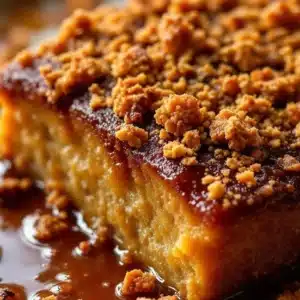
The way the brown butter clings to each piece of butternut squash—that glossy, speckled coating—is what I made this dish for. Everything else is secondary. I mean it. I was standing in my kitchen last October, staring at a whole butternut squash I’d bought on a whim, and I just knew I didn’t want to roast it the same old way. I wanted it tangled up in pasta, slick with something nutty and deep.
I’d been making brown butter for years, mostly for cookies. (Honestly, who hasn’t stood there, hypnotized, watching butter turn into liquid gold?) But it clicked that day—what if I used that same magic to dress a simple, one-pan pasta? No separate saucepans. No draining. Just the squash, the pasta, and that glorious butter doing all the heavy lifting.
The first time I tried it, I used way too much sage. My kitchen smelled like a fall candle exploded. The second time, I nailed it. The squash softened into these buttery, caramelized pockets, the pasta soaked up all that savory goodness, and the brown butter—well, it turned the whole thing into a bowl of quiet comfort. No hype. Just a really good dinner that makes you slow down.
This recipe stuck because it’s the kind of meal you make when you want something that feels special but doesn’t ask you to work for it. And that, right there, is the whole point.
Why You’ll Love This Recipe
Let me tell you, this one-pan wonder has become my go-to for those nights when I want a warm, satisfying meal without a sink full of dishes. I’ve tested it more times than I can count, tweaking the liquid ratios and the squash size until it was just right. Here’s why it works so beautifully:
- One Pan, Minimal Mess: Everything cooks in a single skillet or Dutch oven. No boiling pasta separately, no draining, no extra pots. Cleanup is a breeze, which honestly makes the whole meal taste better.
- Simple Pantry Ingredients: You likely have most of these on hand—pasta, butter, garlic, broth. The butternut squash is the star, but it doesn’t ask for anything fancy. No cream, no complicated sauces.
- Perfect for Cozy Fall Evenings: This dish is pure comfort food. It’s warm, nutty, and slightly sweet from the squash, with that deep, toasty flavor from the brown butter. It feels like a hug in a bowl.
- Naturally Crowd-Pleasing: I’ve served this to picky eaters and vegetable skeptics, and it always gets rave reviews. The squash melts into the pasta so nicely that even kids go back for seconds.
- Unbelievably Satisfying Texture: The pasta cooks right in the broth, releasing starch that creates a silky, almost creamy sauce—no cream needed. Combined with the tender squash and crispy sage, every bite has a little something different.
This isn’t just another pasta recipe. It’s my best version—tested, tweaked, and perfected. It’s the kind of meal that makes you close your eyes after the first bite, not because it’s fancy, but because it’s just that good.
What Ingredients You Will Need
This recipe uses a handful of simple, wholesome ingredients that come together to create something truly special. The magic is in the technique, not a long list of obscure items. Here’s what you’ll need and a little about why each one matters:
- Butternut Squash (about 3 cups, peeled and cubed into ½-inch pieces): This is the heart of the dish. Look for a squash that feels heavy for its size with a firm, unblemished skin. I find that pre-cubed squash from the store works in a pinch, but cubing it yourself from a whole squash gives you more control over the size, which helps it cook evenly.
- Short-Cut Pasta (12 ounces, like penne, rigatoni, or fusilli): Short, sturdy shapes are best here. They hold up well during the one-pan cooking process and catch little bits of squash and sage in their nooks and crannies. I’m partial to De Cecco or Barilla for their texture.
- Unsalted Butter (4 tablespoons): This is your flavor powerhouse. As it browns, it develops a nutty, toasty aroma that transforms the entire dish. Using unsalted butter lets you control the salt level.
- Fresh Sage Leaves (about 10-12 leaves): Sage and brown butter are a classic duo for a reason. The herb’s earthy, slightly peppery flavor stands up beautifully to the richness of the butter. Don’t skip it—dried sage just won’t deliver the same punch.
- Garlic (3 cloves, thinly sliced): Adds a gentle savory backbone. Slicing, rather than mincing, prevents the garlic from burning and becoming bitter during the browning process.
- Vegetable or Chicken Broth (3 cups): This is the cooking liquid for your pasta. A good-quality broth adds depth. I often use a low-sodium version so I can season to taste at the end.
- Water (1 cup): Helps thin the broth just enough so the pasta cooks perfectly without becoming too starchy or thick.
- Grated Parmesan Cheese (½ cup, plus more for serving): Adds a salty, savory umami note that ties everything together. A good Parmigiano-Reggiano makes a noticeable difference.
- Salt and Black Pepper (to taste): Essential for bringing out all the other flavors.
- Optional: Red Pepper Flakes (for a little heat): I love a pinch of these at the end for a subtle kick that cuts through the richness.
That’s it. Nothing complicated, but every ingredient has a job, and they all work together to create something that feels much more complex than it is.
Equipment Needed
One of the best things about this recipe is how little equipment it requires. You don’t need a pasta pot, a colander, or a separate saucepan. Here’s what you’ll want to have on hand:
- Large, Deep Skillet or Dutch Oven (12-inch with a lid): This is your workhorse. A wide, heavy-bottomed pan ensures even heat distribution and enough surface area for the pasta and squash to cook without overcrowding. A lid is crucial for the steaming phase. I use my trusty 5.5-quart Le Creuset Dutch oven, but a heavy stainless steel skillet with a lid works just as well.
- Sharp Chef’s Knife and Cutting Board: For cubing the squash and slicing the garlic and sage. A sharp knife makes prepping a butternut squash much safer and easier.
- Wooden Spoon or Silicone Spatula: For stirring the pasta and scraping up any browned bits from the bottom of the pan.
- Measuring Cups and Spoons: For accurate measurements of broth, water, and cheese.
- Microplane or Box Grater: For finely grating your Parmesan cheese. Pre-grated cheese won’t melt as smoothly.
If you don’t have a lid for your skillet, a large sheet of aluminum foil works as a temporary cover. It’s not perfect, but it gets the job done!
Preparation Method
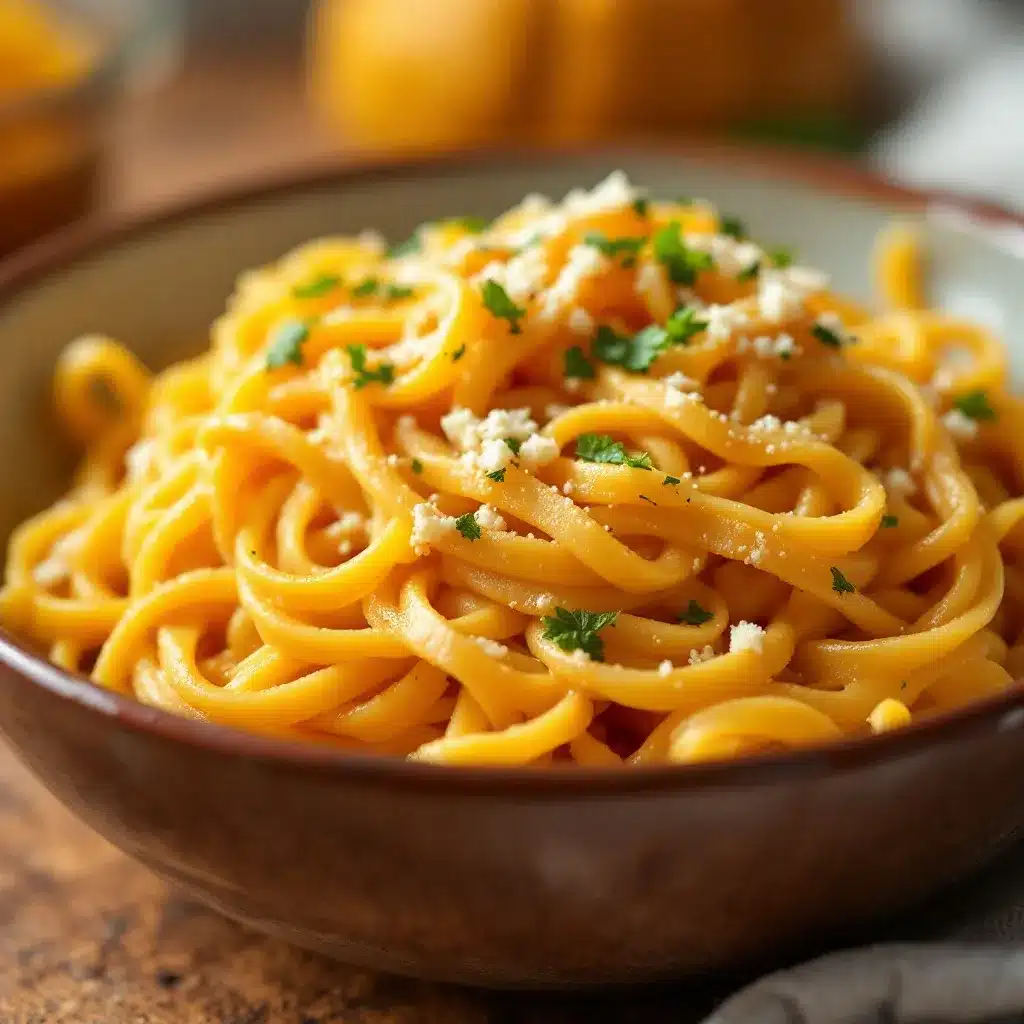
This is where the magic happens. Follow these steps, and you’ll have a beautiful, comforting meal in about 30 minutes. Don’t rush the browning of the butter—that’s where the soul of this dish lives.
- Prep Your Squash (5 minutes): Peel the butternut squash with a vegetable peeler, cut it in half lengthwise, and scoop out the seeds. Cut the flesh into ½-inch cubes. Try to keep them uniform in size so they cook evenly. I usually end up with about 3 cups of cubes from a medium squash.
- Start the Brown Butter (5-7 minutes): Place your large skillet or Dutch oven over medium heat. Add the 4 tablespoons of unsalted butter. Let it melt completely, then continue cooking, swirling the pan occasionally. The butter will foam, then the foam will subside, and you’ll see little brown specks forming at the bottom. It will smell nutty and amazing. This whole process takes about 4-5 minutes. Watch it carefully—it can go from perfect to burnt in seconds.
- Sizzle the Sage and Garlic (1 minute): As soon as the butter is browned, toss in the fresh sage leaves and sliced garlic. They will sizzle immediately. Stir them for about 30-45 seconds, just until the garlic is fragrant and the sage leaves are crisp. Use a slotted spoon to remove the sage leaves and set them aside for garnish. Leave the garlic in the pan.
- Toast the Pasta (2 minutes): Add the 12 ounces of dry pasta directly to the brown butter and garlic. Stir it around for about a minute or two. It should smell toasty and look lightly coated. This step adds another layer of nutty flavor to the pasta itself.
- Add Squash and Liquid (1 minute): Add the cubed butternut squash to the pan. Pour in the 3 cups of broth and 1 cup of water. Season with a generous pinch of salt and a few cracks of black pepper. Stir everything together to combine.
- Simmer and Cook (12-15 minutes): Bring the liquid to a boil, then reduce the heat to a steady simmer. Cover the pan with the lid and let it cook for 10-12 minutes. After 10 minutes, give it a stir. The pasta should be almost tender, and the squash should be soft enough to break apart with a spoon. If the liquid has been absorbed too quickly and the pasta is still hard, add another ¼ cup of water or broth.
- Finish and Serve (2 minutes): Once the pasta is al dente and the squash is tender, remove the pan from the heat. Stir in the ½ cup of grated Parmesan cheese. The residual heat will melt it into a silky, creamy sauce. Taste and adjust the salt and pepper. Crumble the reserved crispy sage leaves over the top. Serve immediately with extra Parmesan and a pinch of red pepper flakes if you like a little heat.
A note on timing: Different pasta shapes and brands absorb liquid at different rates. Start checking for doneness at the 10-minute mark. If your pasta is done and there’s still a lot of liquid left, just simmer it uncovered for a minute or two. If it’s dry before the pasta is cooked, add a splash more broth.
Cooking Tips & Techniques
Over the many times I’ve made this, I’ve picked up a few tricks that make the process smoother and the results more consistent. Here are my best tips:
- Don’t Walk Away from the Brown Butter: I learned this the hard way. Brown butter goes from perfect to burnt in about 30 seconds. Stay by the stove, swirl the pan, and watch for those brown specks. The moment you smell that nutty aroma, it’s ready for the next step.
- Cut the Squash Uniformly: This is the most important step for even cooking. If some pieces are much larger than others, you’ll end up with mushy bits and crunchy bits. Aim for consistent ½-inch cubes.
- Use the Right Pan Size: A 12-inch skillet or a 5-6 quart Dutch oven is ideal. If your pan is too small, the pasta and squash will be crowded and may cook unevenly. If it’s too large, the liquid might evaporate too quickly.
- Resist the Urge to Stir Too Much: Once you’ve added the liquid and put the lid on, let it do its thing. Stirring too often can break down the squash into mush before the pasta is done. A gentle stir halfway through is all you need.
- Save That Starchy Liquid: If you find you have a little extra liquid after the pasta is cooked, don’t drain it! That starchy, flavorful broth is liquid gold. It will help the Parmesan create a creamier sauce.
- Grate Your Own Cheese: Pre-shredded Parmesan contains anti-caking agents that prevent it from melting smoothly. Grating a block yourself takes 30 seconds and makes a world of difference in the final texture.
I once forgot to add the water and only used broth. The pasta turned out okay, but the flavor was way too intense and salty. The balance of broth and water is key—it gives you flavor without overwhelming the dish.
Variations & Adaptations
This recipe is wonderfully flexible. Here are a few ways I’ve adapted it for different diets, seasons, and cravings:
- Make it Vegetarian or Vegan: The recipe is already vegetarian if you use vegetable broth. To make it vegan, swap the butter for a high-quality vegan butter (like Miyoko’s) and use a vegan Parmesan or nutritional yeast for that cheesy, savory finish. The brown butter effect won’t be exactly the same, but it’s still delicious.
- Add Protein: For a heartier meal, add some protein. Cooked Italian sausage (sliced), shredded rotisserie chicken, or crispy pancetta are all fantastic. Add them right at the end, just to warm through, so they don’t overcook.
- Switch Up the Herbs: If you don’t have sage, don’t worry. Fresh rosemary or thyme also pair beautifully with brown butter and squash. Just strip the leaves from the stems and add them with the garlic.
- Try a Different Pasta: While short pasta is my favorite, this works with long noodles like fettuccine or linguine. You might need to break them in half to fit in the pan and adjust the liquid slightly. Orzo or ditalini are also great options for a more spoonable dish.
- Seasonal Swaps: In the summer, swap the butternut squash for zucchini or yellow squash (cut into half-moons). They cook much faster, so add them halfway through the pasta cooking time. In the winter, sweet potatoes or even diced carrots and parsnips work beautifully.
- Gluten-Free Option: Use your favorite gluten-free pasta. Be sure to check the cooking time on the package, as gluten-free pastas can vary widely. You may need to add a little extra liquid.
I once tried this with a bit of leftover roasted butternut squash from the night before. I just stirred it in at the end with the cheese. It was a little less integrated, but it saved me time and tasted great. It’s a forgiving recipe!
Serving & Storage Suggestions
This dish is best enjoyed fresh, right from the pan, but leftovers are still a wonderful thing. Here’s how to serve and store it:
- Serving Temperature: Serve it piping hot. The cheese should be melted and the sauce silky. A final sprinkle of fresh Parmesan and the crispy sage leaves right before serving makes it look and taste special.
- What to Serve With It: A simple green salad with a lemony vinaigrette is the perfect side—it cuts through the richness of the pasta. A glass of crisp white wine, like a Sauvignon Blanc or a Pinot Grigio, is a lovely pairing. If you’re looking for a lighter starter, these easy Mediterranean stuffed mini peppers would be a fantastic, colorful beginning to the meal.
- Storing Leftovers: Let the pasta cool completely, then transfer it to an airtight container. It will keep in the refrigerator for up to 4 days. The pasta will absorb more liquid as it sits, so it will be a bit thicker the next day—still delicious, just different.
- Reheating: The best way to reheat this is in a skillet over medium-low heat with a splash of broth or water. Stir it gently until it’s heated through. You can also microwave it in 30-second bursts, stirring in between. The sauce might not be as silky, but the flavor will still be there.
- Freezing: I don’t recommend freezing this dish. The texture of the squash and the pasta can become mushy upon thawing. It’s really a dish best made and enjoyed fresh.
The flavors actually meld together even more overnight. I’ve been known to make a double batch just so I can have it for lunch the next day. It’s a different experience—more like a warm, savory porridge—but I love it just as much.
Nutritional Information & Benefits
This dish is a wonderful way to enjoy a comforting meal that also packs some nutritional benefits. Here’s a general idea of what you’re getting in a serving (about 1.5 cups):
- Calories: Approximately 450-500 calories per serving.
- Carbohydrates: Around 65g, mostly from the pasta and squash.
- Protein: About 15g, from the pasta, Parmesan, and a small amount from the squash.
- Fat: Around 18g, primarily from the butter and Parmesan.
- Fiber: Approximately 6g, thanks to the butternut squash.
Health Benefits: Butternut squash is a nutritional powerhouse. It’s loaded with vitamin A (great for eye health), vitamin C (for immunity), and fiber (for digestion). The sage isn’t just for flavor—it’s been used for its antioxidant and anti-inflammatory properties. While this is a richer dish, using whole-wheat pasta can boost the fiber content even more.
Dietary Considerations: This recipe is naturally vegetarian. For a gluten-free version, use certified gluten-free pasta. For a lower-carb option, you could swap the pasta for zucchini noodles or spaghetti squash, but the cooking method would need to be adjusted significantly.
I don’t count calories myself, but I love knowing that this indulgent-tasting meal has a secret health boost from all that beautiful squash. It’s comfort food you can feel pretty good about.
Conclusion
This Easy One-Pan Butternut Squash Pasta with Brown Butter is one of those recipes that feels like a secret weapon. It’s impressive enough for a dinner party (no one needs to know how simple it was) but easy enough for a random Tuesday night when you just need something warm and good. The nutty brown butter, the sweet, tender squash, the crispy sage—it all comes together in one pan with minimal fuss and maximum flavor.
I encourage you to make it your own. Add a pinch of nutmeg. Throw in some toasted walnuts for crunch. Use whatever pasta shape you have in the pantry. The beauty of this recipe is its flexibility. It’s a starting point, not a rigid rulebook.
I honestly love this dish because it reminds me that you don’t need a dozen ingredients or complicated techniques to make something memorable. Sometimes, the best meals are the simplest ones, made with a little patience and a lot of love. I’d love to hear how yours turns out—drop a comment below and let me know if you added your own twist! And if you’re in the mood for another easy, one-pan meal, you might enjoy this easy lemon herb salmon sheet pan dinner for a completely different flavor profile.
Frequently Asked Questions
Can I use frozen butternut squash for this recipe?
Yes, you can! Frozen butternut squash is a great time-saver. There’s no need to thaw it first. Just add it directly to the pan with the pasta and liquid. You may need to add an extra 2-3 minutes to the cooking time, as frozen squash releases more water.
What if I don’t have a lid for my skillet?
No problem! You can use a large piece of aluminum foil to cover the pan tightly. Just crimp the edges to create a good seal. A baking sheet placed on top of the skillet can also work in a pinch.
Can I make this recipe dairy-free?
Absolutely. To make it dairy-free, use a high-quality vegan butter for the brown butter step. For the Parmesan, you can use a vegan Parmesan alternative or a tablespoon of nutritional yeast stirred in at the end for a cheesy, savory flavor.
My pasta turned out mushy. What went wrong?
Mushy pasta is usually a sign of overcooking or too much liquid. Make sure you’re using a short, sturdy pasta shape. Check for doneness starting at the 10-minute mark. Also, be sure your squash cubes are uniform in size so they finish cooking at the same time as the pasta.
Can I add other vegetables to this dish?
Definitely! This is a great way to clean out your fridge. Chopped kale or spinach can be stirred in at the very end until wilted. Roasted red peppers, sun-dried tomatoes, or even some chopped broccoli florets (added with the squash) would all be delicious additions.
Pin This Recipe!
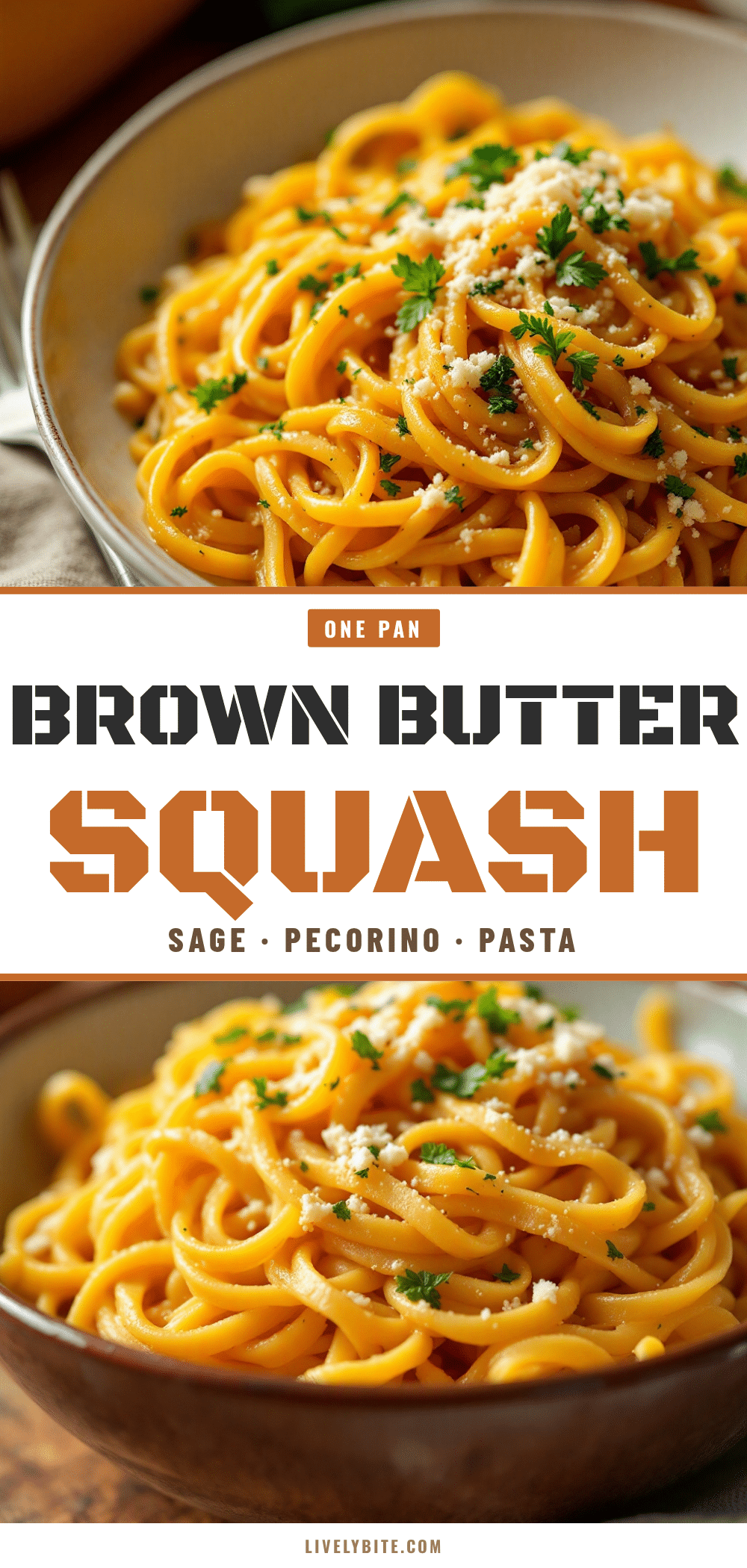
Easy One-Pan Butternut Squash Pasta with Brown Butter
A comforting one-pan pasta dish featuring tender butternut squash, nutty brown butter, and crispy sage. Everything cooks in a single skillet for minimal cleanup and maximum flavor.
- Prep Time: 10 minutes
- Cook Time: 20 minutes
- Total Time: 30 minutes
- Yield: 4 servings 1x
- Category: Main Course
- Cuisine: American
Ingredients
- 3 cups butternut squash, peeled and cubed into ½-inch pieces
- 12 ounces short-cut pasta (penne, rigatoni, or fusilli)
- 4 tablespoons unsalted butter
- 10–12 fresh sage leaves
- 3 cloves garlic, thinly sliced
- 3 cups vegetable or chicken broth (low-sodium)
- 1 cup water
- ½ cup grated Parmesan cheese, plus more for serving
- Salt and black pepper to taste
- Optional: red pepper flakes for heat
Instructions
- Prep the squash: Peel the butternut squash, cut in half lengthwise, scoop out seeds, and cut into ½-inch cubes. Aim for about 3 cups.
- Start the brown butter: Place a large skillet or Dutch oven over medium heat. Add 4 tablespoons unsalted butter. Melt and cook, swirling occasionally, until the butter foams, the foam subsides, and brown specks form at the bottom (about 4-5 minutes). Watch carefully to avoid burning.
- Sizzle the sage and garlic: Add fresh sage leaves and sliced garlic to the browned butter. Stir for 30-45 seconds until fragrant and sage is crisp. Remove sage leaves with a slotted spoon and set aside for garnish. Leave garlic in the pan.
- Toast the pasta: Add 12 ounces dry pasta to the pan. Stir for 1-2 minutes until lightly toasted and coated with butter.
- Add squash and liquid: Add cubed butternut squash, 3 cups broth, 1 cup water, a generous pinch of salt, and black pepper. Stir to combine.
- Simmer and cook: Bring to a boil, then reduce heat to a steady simmer. Cover and cook for 10-12 minutes. Stir halfway through. Check for doneness: pasta should be almost tender and squash soft. If liquid is absorbed too quickly, add ¼ cup more water or broth.
- Finish and serve: Remove from heat. Stir in ½ cup grated Parmesan cheese until melted and creamy. Taste and adjust salt and pepper. Crumble reserved crispy sage leaves on top. Serve immediately with extra Parmesan and optional red pepper flakes.
Notes
Don’t walk away from the brown butter—it can burn quickly. Cut squash uniformly for even cooking. Use the right pan size (12-inch skillet or 5-6 quart Dutch oven). Resist stirring too much once lid is on. Save any extra starchy liquid to help create a creamier sauce. Grate your own Parmesan for best melting.
Nutrition
- Serving Size: 1.5 cups
- Calories: 475
- Sugar: 8
- Sodium: 580
- Fat: 18
- Saturated Fat: 10
- Carbohydrates: 65
- Fiber: 6
- Protein: 15
Keywords: one-pan pasta, butternut squash pasta, brown butter pasta, fall pasta recipe, easy weeknight dinner, vegetarian pasta