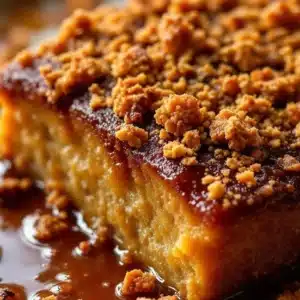
I want something deeply savory, a little sweet, and completely satisfying—and I have a kabocha squash sitting on the counter that’s been staring at me for three days. The problem is, I’m tired of roasting it plain with just salt and pepper. That feels like a side dish, not a meal, not a moment. I need this squash to feel like the main event, something that makes you close your eyes after the first bite. And honestly, the only thing standing between me and that perfect bite is a jar of white miso paste hiding in the back of the fridge.
That’s how this savory baked kabocha squash with miso glaze was born—not from a recipe book or a fancy cooking class, but from a fridge raid and a serious craving. I wanted something that tasted like it took hours of effort but actually came together in the time it takes to preheat the oven. The miso brings this salty, umami depth that clings to every ridge of the squash, while a touch of maple syrup rounds it out without making it sweet. It’s the kind of dish that feels clever but is embarrassingly easy to make.
What I love most about this recipe is how it transforms a humble winter squash into something you’d happily serve to guests. The edges get caramelized and slightly crispy, the flesh turns buttery soft, and that miso glaze caramelizes into a glossy, flavor-packed coating. It’s savory, it’s satisfying, and it might just become your new favorite way to eat vegetables. Trust me on this one.
Why You’ll Love This Recipe
This isn’t just another roasted squash recipe—it’s the one you’ll keep coming back to. I’ve tested this method at least six times (my family will confirm), and every single time, the results are consistently perfect. Here’s why this savory baked kabocha squash with miso glaze stands out from the rest:
- Quick & Easy: From cutting board to oven in under 10 minutes. The glaze comes together in one small bowl while the squash roasts to golden perfection.
- Simple Ingredients: You probably have miso paste, maple syrup, and oil in your kitchen right now. No fancy trips to specialty stores required.
- Perfect for Weeknights or Dinner Parties: It’s elegant enough for a holiday table but easy enough for a Tuesday night dinner alongside some lemon herb salmon.
- Crowd-Pleaser: Even people who claim they “don’t like squash” have gone back for seconds. The miso glaze does that magic trick of making vegetables irresistible.
- Unbelievably Delicious: The contrast between the caramelized edges and the creamy interior is next-level comfort food. It’s savory, slightly sweet, and deeply satisfying.
What makes this recipe different is the technique—letting the squash roast uncovered so the glaze thickens and concentrates, rather than steaming the squash under foil. This simple change creates that crispy, sticky coating that makes every bite memorable. Plus, kabocha squash has a naturally sweet, chestnut-like flavor that pairs beautifully with the salty, fermented notes of white miso.
This is the kind of dish that makes you feel like a kitchen genius with minimal effort. It’s comfort food reimagined—healthier, faster, but with the same soul-soothing satisfaction. Perfect for impressing guests without stress, or turning a simple weeknight meal into something you’ll actually look forward to eating.
What Ingredients You Will Need
This recipe uses simple, wholesome ingredients to deliver bold flavor and satisfying texture without the fuss. Most of these are pantry staples, and the few special ones are worth seeking out for the incredible result.
- Kabocha squash (1 medium, about 2-3 pounds): Look for one that feels heavy for its size with a dull, hard skin. No need to peel it—the skin is edible and becomes tender when roasted. I prefer organic when I can find it.
- White miso paste (3 tablespoons): Also called shiro miso, this is the mildest and sweetest variety. I recommend the brand Hikari or Miso Master for consistent quality. Don’t use red or brown miso here—they’re too salty and intense for this glaze.
- Maple syrup (2 tablespoons): Pure maple syrup, not pancake syrup. It balances the saltiness of the miso without making the dish taste sweet. You can substitute honey if that’s what you have, but maple adds a deeper flavor.
- Toasted sesame oil (1 tablespoon): This adds a nutty, aromatic quality that complements the miso beautifully. Regular vegetable oil won’t give you the same depth of flavor.
- Rice vinegar (1 tablespoon): A splash of acidity cuts through the richness and brightens the whole dish. Unseasoned rice vinegar is best.
- Soy sauce or tamari (1 teaspoon): Just a touch for extra umami. Use tamari if you need this to be gluten-free.
- Fresh garlic (2 cloves, minced): Don’t skip this—it adds a pungent kick that mellows beautifully as it roasts.
- Fresh ginger (1 teaspoon, grated): Adds warmth and a slight peppery note. Microplane works best for grating.
- Sesame seeds (1 tablespoon, for garnish): Toasted white or black sesame seeds add a nice crunch and visual appeal.
- Green onions (2, sliced, for garnish): A pop of freshness and color to finish the dish.
Ingredient Selection Tips: When choosing kabocha squash, look for one with a stem still attached—it indicates freshness. The skin should be hard and free of soft spots. If you can’t find kabocha, buttercup squash or red kuri squash work well as substitutes. For the miso, always use white miso for this recipe; it’s milder and sweeter than other varieties. If you’re gluten-sensitive, make sure your miso paste and soy sauce are certified gluten-free.
Substitution Guidance: Need a nut-free option? Skip the sesame oil and use avocado oil instead. For a lower-sugar version, reduce the maple syrup to 1 tablespoon—the squash is naturally sweet enough. If you’re out of rice vinegar, a squeeze of fresh lime juice works in a pinch.
Equipment Needed
You don’t need a fancy kitchen to make this savory baked kabocha squash with miso glaze. Here’s what you’ll need:
- Sharp chef’s knife: Kabocha squash is dense and tough. A sharp, heavy knife makes cutting it manageable. I’ve learned the hard way that a dull knife is dangerous here.
- Cutting board: A sturdy, non-slip board is essential for safety when cutting hard squash.
- Large baking sheet: A rimmed baking sheet works best to catch any glaze that drips. Line it with parchment paper for easy cleanup.
- Small mixing bowl: For whisking together the miso glaze.
- Whisk or fork: To combine the glaze ingredients smoothly.
- Microplane or fine grater: For grating fresh ginger and garlic. A regular grater works too, but microplane gives you a finer, more even texture.
- Measuring spoons: For accurate measurements. I prefer metal ones that don’t bend.
- Pastry brush (optional): For brushing the glaze onto the squash evenly. A spoon works fine too.
Budget-Friendly Options: If you don’t have a microplane, just mince the garlic and ginger very finely with a knife. No pastry brush? No problem—just drizzle the glaze over the squash and toss gently with your hands. A regular baking sheet without parchment works too, just expect a bit more scrubbing afterward.
Preparation Method
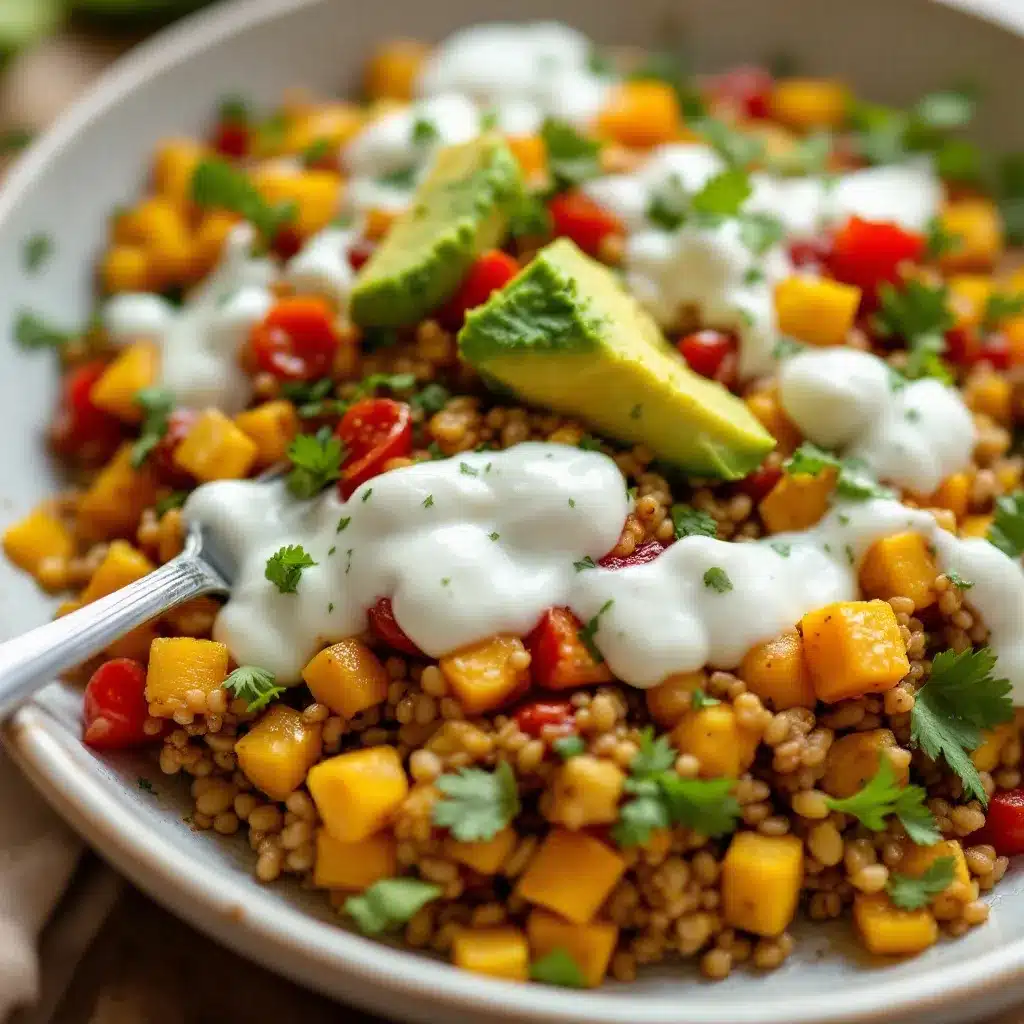
Let’s get cooking. This savory baked kabocha squash with miso glaze comes together in about 40 minutes, and most of that is hands-off oven time.
- Preheat your oven to 400°F (200°C). Position the rack in the middle of the oven. While it heats up, line a large baking sheet with parchment paper for easy cleanup.
- Prepare the kabocha squash. Using a sharp chef’s knife, carefully cut the squash in half through the stem end. Scoop out the seeds and stringy fibers with a spoon—save the seeds for roasting if you like! Cut each half into 1-inch thick wedges or crescents. No need to peel the skin; it softens during roasting and is perfectly edible. Safety tip: If the squash is too hard to cut, microwave it whole for 2 minutes to soften it slightly.
- Make the miso glaze. In a small bowl, whisk together 3 tablespoons white miso paste, 2 tablespoons maple syrup, 1 tablespoon toasted sesame oil, 1 tablespoon rice vinegar, 1 teaspoon soy sauce, 2 minced garlic cloves, and 1 teaspoon grated fresh ginger. Whisk until smooth and well combined. The mixture should be thick but pourable. If it’s too thick, add a teaspoon of warm water.
- Coat the squash. Arrange the squash wedges on the prepared baking sheet in a single layer, leaving a little space between each piece. Using a pastry brush or the back of a spoon, brush the miso glaze generously over all sides of the squash wedges. Don’t be shy—every surface should be coated. Pro tip: Reserve about 2 tablespoons of glaze for brushing on halfway through roasting.
- Roast for 20 minutes. Place the baking sheet in the preheated oven and roast for 20 minutes. The squash will start to soften and the glaze will begin to caramelize around the edges.
- Flip and glaze again. After 20 minutes, carefully flip each wedge using tongs. Brush the reserved glaze over the exposed sides. Return to the oven and roast for another 15-20 minutes. The squash is done when it’s fork-tender and the edges are caramelized and slightly crispy. Sensory cue: You’ll smell a nutty, savory aroma when it’s close to done, and the glaze should look glossy and sticky.
- Broil for extra caramelization (optional). If you want deeper color and crispier edges, switch the oven to broil for the last 2-3 minutes. Watch closely—it can burn quickly!
- Garnish and serve. Transfer the roasted squash to a serving platter. Sprinkle with toasted sesame seeds and sliced green onions. Serve hot, warm, or at room temperature.
Troubleshooting: If your squash isn’t tender after 40 minutes, it may need 5-10 more minutes depending on thickness. If the glaze is burning before the squash is cooked, reduce the oven temperature to 375°F (190°C) and roast longer. If the glaze looks too watery, don’t worry—it will thicken and caramelize as it roasts.
Cooking Tips & Techniques
After making this savory baked kabocha squash with miso glaze more times than I can count, I’ve picked up a few tricks that make a real difference.
Cutting kabocha squash safely: I’ll be honest—I’ve had a few close calls with slippery squash. Here’s what works: place a damp paper towel under your cutting board to keep it from sliding. Cut a small slice off the bottom of the squash so it sits flat and stable. Then, using your sharpest knife, rock the blade through the squash with steady pressure. If it gets stuck, don’t force it—tap the back of the knife with your palm instead.
Don’t overcrowd the pan: This is the number one mistake I see people make. If the squash wedges are touching or overlapping, they’ll steam instead of roast, and you’ll lose that beautiful caramelization. Give them room to breathe. Use two baking sheets if needed.
Reserve glaze for basting: I learned this the hard way. If you use all the glaze at the beginning, the squash ends up dry on top. Brushing on a second coat halfway through creates that thick, sticky, restaurant-quality finish.
Timing and multitasking: While the squash roasts, you can prepare the rest of your meal. This pairs beautifully with a simple grain bowl or a side of steamed rice. I often make this alongside a quick protein like slow cooker honey garlic chicken for a complete, satisfying dinner.
Consistency tips: Cut your squash wedges as uniformly as possible so they cook at the same rate. If some pieces are thinner, they’ll cook faster—pull them out early if needed. For extra even cooking, flip the squash halfway through the roasting time.
Variations & Adaptations
This savory baked kabocha squash with miso glaze is wonderfully flexible. Here are some variations I’ve tried and loved:
- Spicy Miso Glaze: Add 1 teaspoon of sriracha or gochujang to the glaze for a kick of heat. The spicy-savory combination is addictive. I made this version for a party and it disappeared in minutes.
- Maple-Tahini Variation: Replace the sesame oil with tahini and add an extra tablespoon of maple syrup. The result is a creamier, nuttier glaze that’s almost dessert-like. Perfect for when you want something a little richer.
- Herb-Infused Version: Add 1 teaspoon of dried thyme or rosemary to the glaze. The earthy herbs complement the sweet squash beautifully. This version pairs especially well with roasted chicken or turkey.
- Air Fryer Method: Cook the glazed squash in an air fryer at 375°F (190°C) for 12-15 minutes, shaking the basket halfway through. The air fryer gives you extra crispy edges in less time. Just make sure to work in batches so you don’t overcrowd the basket.
- Vegan and Gluten-Free: This recipe is naturally vegan and can be made gluten-free by using tamari instead of soy sauce. Always check your miso paste label—most white miso is gluten-free, but some brands use barley.
Seasonal Adaptation: In fall, add a pinch of cinnamon or nutmeg to the glaze for a warming, cozy flavor. In summer, swap the kabocha for zucchini or summer squash and reduce the roasting time to 15-20 minutes.
Serving & Storage Suggestions
This savory baked kabocha squash with miso glaze is incredibly versatile when it comes to serving. Here’s how to make the most of it:
Serving Temperature: Serve it hot from the oven for the best texture—crispy edges and creamy interior. It’s also delicious at room temperature, which makes it perfect for potlucks or meal prep. I wouldn’t recommend serving it cold, as the texture becomes denser.
Presentation: Arrange the wedges on a large platter in a fan pattern for a beautiful presentation. Drizzle any remaining glaze from the pan over the top, then sprinkle generously with sesame seeds and green onions. A few cilantro leaves add a nice touch if you have them.
Complementary Dishes: This squash pairs beautifully with a wide range of mains. Try it alongside lemon herb salmon for a complete sheet pan dinner. It also works well with grilled tofu, roasted chicken, or even as a topping for grain bowls with quinoa and avocado.
Beverage Pairings: A crisp, dry white wine like Sauvignon Blanc or a light Pinot Noir complements the savory-sweet flavors. For a non-alcoholic option, try a refreshing cucumber mint green tea cooler—the clean, herbal notes balance the richness of the miso glaze.
Storage Instructions: Store leftovers in an airtight container in the refrigerator for up to 4 days. The squash will soften as it sits, but the flavor actually deepens overnight. To reheat, place the squash on a baking sheet in a 350°F (175°C) oven for 5-7 minutes, or until warmed through and slightly crispy again. You can also reheat in an air fryer at 350°F for 3-4 minutes. Avoid microwaving—it makes the squash mushy and the glaze loses its caramelized texture.
Freezing: I don’t recommend freezing this dish, as the texture of both the squash and the glaze changes significantly after thawing. It’s best enjoyed fresh or within a few days of making.
Nutritional Information & Benefits
This savory baked kabocha squash with miso glaze isn’t just delicious—it’s packed with nutrients that make you feel good about eating it.
Estimated Nutritional Values (per serving, about 1 cup):
- Calories: 180
- Total Fat: 7g
- Saturated Fat: 1g
- Sodium: 520mg
- Total Carbohydrates: 28g
- Dietary Fiber: 4g
- Sugars: 12g
- Protein: 4g
Health Benefits: Kabocha squash is a nutritional powerhouse. It’s rich in beta-carotene, which your body converts to vitamin A for healthy vision and immune function. It also provides a good amount of vitamin C, potassium, and fiber. The skin contains additional fiber and antioxidants, so don’t peel it off!
Dietary Considerations: This recipe is naturally vegan, dairy-free, and can be made gluten-free with a simple swap. It’s also low in calories relative to its volume, making it a great option for those watching their weight. The miso paste adds beneficial probiotics, though these are largely deactivated by the heat of roasting—still, it contributes to the overall umami flavor without adding significant calories.
Potential Allergens: This recipe contains soy (from miso and soy sauce) and sesame (from sesame oil and seeds). For a soy-free version, use coconut aminos instead of soy sauce and skip the miso (though this will change the flavor profile significantly).
Personal Wellness Perspective: I love that this dish feels indulgent but is actually really good for you. It’s the kind of recipe that makes eating vegetables feel like a treat, not a chore. When I’m trying to eat more plants but still want something satisfying, this is my go-to.
Conclusion
This savory baked kabocha squash with miso glaze has become a staple in my kitchen for good reason. It’s simple enough for a busy weeknight, impressive enough for company, and so delicious that you’ll find yourself craving it. The combination of creamy squash, salty miso, and sweet maple creates a flavor profile that feels both familiar and exciting.
I encourage you to make this recipe your own—play with the glaze, try different squash varieties, or experiment with the garnishes. That’s the beauty of cooking, isn’t it? Taking a simple idea and making it yours. And honestly, once you taste that first bite of caramelized, miso-glazed squash, you’ll understand why I can’t stop talking about it.
Have you tried this recipe? I’d love to hear how it turned out for you! Drop a comment below and let me know if you made any tweaks or discovered a new favorite variation. And if you loved it, share it with a friend who needs a new vegetable recipe in their life. Happy cooking!
Frequently Asked Questions
Can I use other types of squash for this recipe?
Absolutely! Buttercup squash, red kuri squash, or even butternut squash work well as substitutes. Just keep in mind that cooking times may vary slightly depending on the density and size of the squash pieces. Check for fork-tenderness rather than relying strictly on the timer.
Do I need to peel kabocha squash before roasting?
Nope! The skin of kabocha squash is completely edible and becomes tender during roasting. It also contains extra fiber and nutrients. Just make sure to wash the squash thoroughly before cutting. If you prefer a softer texture, you can peel it, but I find the skin adds a nice contrast in texture.
Can I make the miso glaze ahead of time?
Yes, you can prepare the glaze up to 3 days in advance. Store it in an airtight container in the refrigerator. Let it come to room temperature before using, or warm it slightly to make it easier to brush onto the squash. The flavors actually meld together nicely over time.
Is this recipe spicy?
No, this version is not spicy at all. The miso glaze is savory with a hint of sweetness from the maple syrup. If you want heat, add sriracha, gochujang, or red pepper flakes to the glaze. Start with 1/2 teaspoon and adjust to your preference.
How do I prevent the glaze from burning?
Keep an eye on the squash during the last 10 minutes of roasting. If the glaze looks like it’s browning too quickly, cover the squash loosely with foil and continue roasting until tender. Every oven runs slightly differently, so check at the 30-minute mark and adjust as needed.
Pin This Recipe!
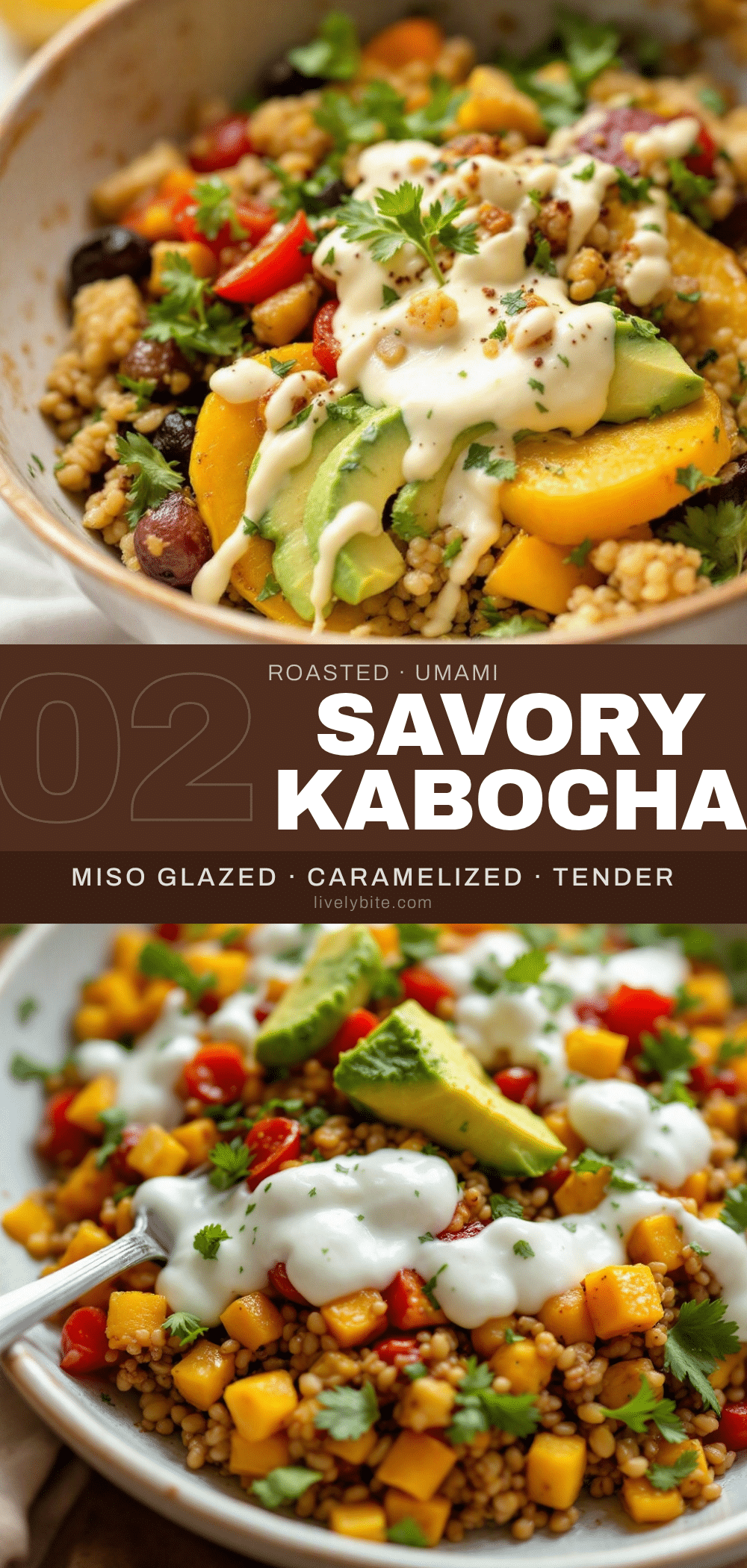
Savory Miso Glazed Kabocha Squash – Easy Baked Recipe

This savory baked kabocha squash with miso glaze transforms humble winter squash into a caramelized, umami-packed main event. Quick to prepare and deeply satisfying, it’s perfect for weeknights or dinner parties.
- Prep Time: 10 minutes
- Cook Time: 35-40 minutes
- Total Time: 45-50 minutes
- Yield: 4 servings 1x
- Category: Side Dish
- Cuisine: Japanese-inspired
Ingredients
- 1 medium kabocha squash (about 2–3 pounds)
- 3 tablespoons white miso paste
- 2 tablespoons pure maple syrup
- 1 tablespoon toasted sesame oil
- 1 tablespoon rice vinegar
- 1 teaspoon soy sauce or tamari
- 2 cloves garlic, minced
- 1 teaspoon fresh ginger, grated
- 1 tablespoon sesame seeds (for garnish)
- 2 green onions, sliced (for garnish)
Instructions
- Preheat oven to 400°F (200°C). Line a large baking sheet with parchment paper.
- Cut kabocha squash in half through the stem end. Scoop out seeds and stringy fibers. Cut each half into 1-inch thick wedges or crescents. Do not peel.
- In a small bowl, whisk together miso paste, maple syrup, sesame oil, rice vinegar, soy sauce, minced garlic, and grated ginger until smooth. If too thick, add a teaspoon of warm water.
- Arrange squash wedges in a single layer on the prepared baking sheet. Brush miso glaze generously over all sides. Reserve about 2 tablespoons of glaze for later.
- Roast for 20 minutes. Remove from oven, flip each wedge, and brush with reserved glaze.
- Return to oven and roast for another 15-20 minutes, until fork-tender and edges are caramelized.
- Optional: Broil for 2-3 minutes for extra caramelization, watching closely.
- Transfer to a serving platter. Sprinkle with sesame seeds and sliced green onions. Serve hot, warm, or at room temperature.
Notes
For easier cutting, microwave the whole squash for 2 minutes to soften slightly. If the glaze is too thick, add a teaspoon of warm water. Reserve some glaze for basting halfway through to achieve a thick, sticky finish. Do not overcrowd the pan to ensure caramelization. For a spicy version, add 1 teaspoon sriracha or gochujang to the glaze.
Nutrition
- Serving Size: 1 cup
- Calories: 180
- Sugar: 12
- Sodium: 520
- Fat: 7
- Saturated Fat: 1
- Carbohydrates: 28
- Fiber: 4
- Protein: 4
Keywords: kabocha squash, miso glaze, roasted squash, savory squash, vegan side dish, gluten-free, easy vegetable recipe