It’s late September, and the last of the figs are sitting in a bowl on my counter, soft and heavy with syrup, their tiny seeds catching the afternoon light. The only thing I want is to trap this moment in a jar—to take the quiet sweetness of the season and make it last through the gray months ahead. So I slice them open, one by one, and let the honey drip over the fruit in the pan.
This isn’t a big-batch, canning-for-the-apocalypse kind of project. It’s smaller than that, more intimate. Just a single jar of something precious you made with your own hands, because you had a few figs and a little time, and you wanted to taste the difference.
That’s how this homemade small-batch fig and honey jam came to be. It was born from a Tuesday afternoon when I had exactly four figs left and no plans. I wasn’t trying to impress anyone. I just wanted to see if I could turn a handful of fruit into something that felt like a secret worth keeping. And honestly? I haven’t stopped making it since.
Why You’ll Love This Recipe
This fig and honey jam is the kind of recipe that feels like a cheat code. It’s impossibly simple, yet it tastes like you spent hours in the kitchen. The honey brings a floral depth that granulated sugar just can’t match, and the figs break down into this luscious, almost velvety texture that’s perfect on everything from toast to cheese boards.
- Quick & Easy : Ready in about 20 minutes, start to finish. No pectin, no water bath canning, no complicated steps.
- Simple Ingredients : You only need figs, honey, lemon juice, and a pinch of salt. That’s it.
- Perfect for Gifting : A single jar of this jam makes a thoughtful, handmade present for hostesses, neighbors, or holiday gift exchanges.
- Crowd-Pleaser : Even people who claim they don’t like fig jam change their minds after one taste of this honey-sweetened version.
- Unbelievably Delicious : The balance of sweet honey and jammy figs, with a tiny hint of citrus brightness—it’s the kind of thing you eat straight from the spoon and pretend no one is watching.
What makes this recipe different from the rest is the honey. Most fig jams rely on white sugar, which adds sweetness but not much else. Here, the honey does the heavy lifting—it brings its own floral notes and pairs beautifully with the fig’s natural honeyed flavor. It’s not just another version of fig jam. It’s the one you’ll make again and again, because it tastes like a warm afternoon in a jar.
What Ingredients You Will Need
This recipe uses a handful of simple, wholesome ingredients that deliver big flavor with almost no effort. Most of these are probably already in your kitchen, or easy to find at the grocery store.
- Fresh figs (1 pound or about 450 grams, stemmed and quartered) : Look for figs that are soft to the touch but not mushy. Black Mission, Brown Turkey, or Kadota figs all work beautifully. If your figs are very ripe, you’ll need slightly less honey since they’ll be sweeter naturally.
- Honey (⅓ cup or about 113 grams) : Use a mild, floral honey like orange blossom or wildflower. Avoid strong, dark honeys like buckwheat, which can overpower the delicate fig flavor. I personally love using local wildflower honey—it adds a subtle complexity that changes with the season.
- Fresh lemon juice (1 tablespoon or 15 ml) : This isn’t just for flavor. The acidity helps balance the sweetness and encourages the jam to set. Freshly squeezed is non-negotiable here—bottled lemon juice has a flat, metallic taste that you’ll notice in the finished jam.
- Pinch of sea salt (about ⅛ teaspoon) : Salt amplifies the sweetness and rounds out the flavors. Don’t skip it, even if it seems like a tiny amount.
- Optional: ½ teaspoon vanilla extract : This is my secret addition. A splash of vanilla makes the jam taste even more luxurious, like something from a fancy French patisserie. Try it once, and you might never leave it out again.
That’s the whole list. No pectin, no commercial pectin powder, no corn syrup, no complicated stabilizers. The natural pectin in the figs, combined with the acid from the lemon juice, is enough to create a beautiful spreadable texture. If you can’t find fresh figs, frozen figs work in a pinch—just thaw them first and drain off any excess liquid before cooking.
Equipment Needed
You don’t need a fancy canning setup for this small-batch recipe. A few basic tools will do the job perfectly.
- Medium saucepan or heavy-bottomed pot : A 2-quart saucepan is ideal. A heavy bottom helps distribute heat evenly and prevents scorching.
- Wooden spoon or heat-resistant spatula : For stirring the jam as it cooks. Wooden spoons are great because they don’t conduct heat and won’t scratch your cookware.
- Sharp knife and cutting board : For stemming and quartering the figs.
- Measuring cups and spoons : For accurate ingredient portions.
- Glass jar with a tight-fitting lid : A half-pint (8-ounce) jar is perfect for this small batch. Make sure it’s clean and dry before filling.
- Small funnel (optional but helpful) : For transferring the hot jam into the jar without making a mess.
- Pot holder or kitchen towel : The jar will be hot, so protect your hands.
If you don’t have a heavy-bottomed pot, any medium saucepan will work—just keep a closer eye on the jam and stir more frequently to prevent sticking. I’ve made this jam in a cheap nonstick pan before, and while it worked, the enameled cast iron pot I usually use gives a more even cook and better caramelization.
Preparation Method
This jam comes together quickly, so it’s a good idea to have everything prepped and ready before you start. The actual cooking time is only about 15 minutes, and most of that is hands-off stirring.
- Prep the figs : Rinse the figs gently under cool water and pat them dry. Remove the tough stems by cutting off the very top of each fig, then quarter them lengthwise. If your figs are large, cut them into sixths instead. The smaller pieces will break down faster during cooking. (Pro tip: if the figs are very ripe and soft, they’ll practically fall apart on their own—don’t worry about perfect cuts.)
- Combine ingredients in the saucepan : Place the quartered figs, honey, lemon juice, and salt into your saucepan. If you’re using vanilla extract, add it now. Give everything a gentle stir to coat the figs in the honey and lemon juice.
- Bring to a gentle simmer : Place the saucepan over medium heat. Let the mixture come to a simmer—you’ll see small bubbles breaking the surface around the edges of the pan. This usually takes about 3-4 minutes. Don’t rush this step; medium heat is perfect. High heat can cause the honey to scorch before the figs have a chance to release their juices.
- Cook and stir : Once the mixture is simmering, reduce the heat to medium-low. Stir occasionally with your wooden spoon, scraping the bottom and sides of the pan to prevent sticking. The figs will start to break down after about 5 minutes, releasing their natural pectin and creating a syrupy texture. You’ll see the color deepen from pale golden to a rich amber-brown.
- Mash for desired texture : After about 8 minutes of cooking, use the back of your spoon to gently mash some of the fig pieces against the side of the pan. This helps release more pectin and creates a jammy consistency. If you prefer a chunky jam, mash only about half the figs. For a smoother jam, mash more thoroughly. I personally like leaving some larger pieces intact—they feel more rustic and homemade.
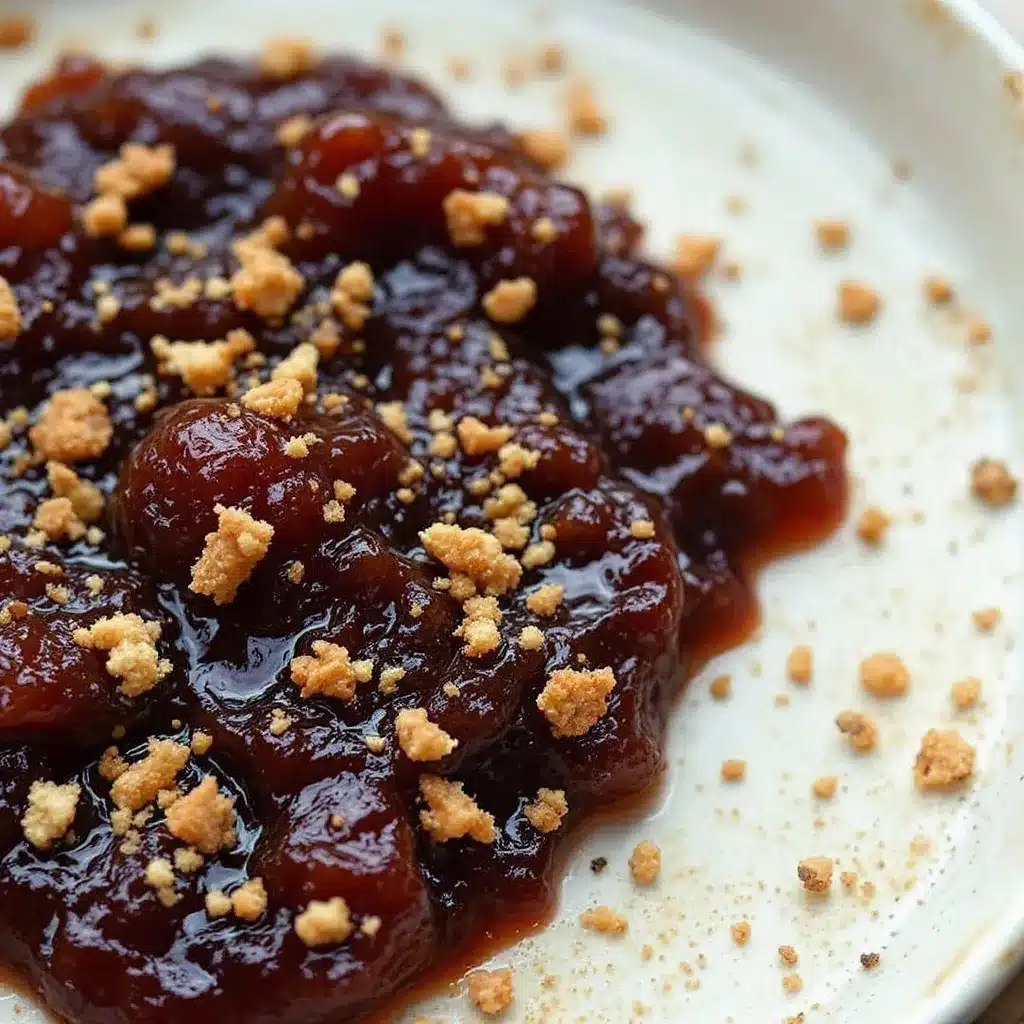
- Check for doneness : After 12-15 minutes total cooking time, the jam should look thick and glossy. To test if it’s ready, place a small spoonful on a chilled plate and let it sit for 30 seconds. Run your finger through the middle—if the jam holds its shape and doesn’t immediately run back together, it’s done. If it’s still too runny, continue cooking for another 2-3 minutes and test again.
- Cool slightly and jar : Remove the saucepan from heat. Let the jam cool in the pan for about 5 minutes—this helps it thicken further. Carefully transfer the jam into your clean glass jar using the funnel if you have one. Leave about ½ inch of headspace at the top. Let the jar cool completely at room temperature before sealing with the lid.
- Refrigerate : Once the jar is cool, screw on the lid and place it in the refrigerator. The jam will continue to set as it chills. It’s ready to eat immediately, but the flavor actually improves after 24 hours in the fridge.
A quick note: if your jam seems too thick after cooling, don’t panic. You can thin it by stirring in a teaspoon of warm water at a time until it reaches your preferred consistency. Conversely, if it’s too thin, return it to the pan and simmer for another 3-5 minutes.
Cooking Tips & Techniques
Over the many batches I’ve made, I’ve learned a few things the hard way. Here are the tips I wish someone had told me from the start.
Don’t walk away from the pan. This jam cooks fast, and honey has a tendency to scorch if left unattended. Stay nearby and stir every minute or so, especially in the last 5 minutes of cooking. I learned this lesson when I stepped away to answer a text and came back to a slightly burnt bottom layer. The jam was still edible, but that bitter note lingered.
Use a heavy-bottomed pot if you have one. The even heat distribution prevents hot spots that can cause the jam to stick or burn. If you only have a thin saucepan, stir more frequently and keep the heat on the lower side of medium-low.
Trust your senses, not just the timer. Every batch of figs is different. Some are juicier, some are drier, some are sweeter. The cooking time can vary by a few minutes depending on the fruit. Look for visual cues—the jam should be thick and glossy, and when you stir it, you should see the bottom of the pan for a second before the jam flows back together.
Chill your test plate ahead of time. This is a game-changer. Pop a small plate in the freezer before you start cooking. When you’re ready to test the jam’s doneness, the cold plate gives you an instant read on the texture without waiting for the spoonful to cool naturally.
Scale the recipe up or down easily. This recipe is designed for a small batch, but you can double or triple it if you have more figs. Just use a larger pot and expect the cooking time to increase by about 5-8 minutes. The ratio of ingredients stays the same.
Timing is everything. Start this jam after you’ve already prepped everything else for your meal, because it comes together in the time it takes to toast some bread or assemble a cheese board. I often make it while I’m waiting for water to boil for pasta—it’s that fast.
Variations & Adaptations
One of the best things about this jam is how easy it is to adapt. Here are a few variations I’ve tried and loved.
Spiced Fig and Honey Jam : Add ¼ teaspoon of cinnamon and a pinch of cardamom along with the figs. The warm spices complement the honey beautifully and make the jam taste even more autumnal. I made this version for Thanksgiving one year, and it was gone before the turkey even hit the table.
Balsamic Fig Jam : Stir in 1 tablespoon of good-quality balsamic vinegar during the last 2 minutes of cooking. The vinegar adds a tangy depth that balances the sweetness and makes the jam incredible on a Mediterranean stuffed mini peppers platter or alongside roasted meats.
Vegan-Friendly Version : This recipe is naturally vegan if you use a plant-based honey alternative like agave nectar or date syrup. Keep in mind that the flavor will change slightly—agave is milder, while date syrup is richer and more caramel-like. Both work well, just adjust the sweetness to your taste.
Low-Sugar Adaptation : If you want to reduce the honey, you can cut it down to ¼ cup. The jam will be a bit tarter and less syrupy, but still delicious. You might need to cook it for an extra minute or two to help it thicken without the extra sugar.
Herb-Infused Jam : Add a sprig of fresh rosemary or a few fresh thyme sprigs to the pan while the jam simmers. Remove the herb sprigs before jarring. The herbal notes add an unexpected sophistication that pairs beautifully with goat cheese. This is my go-to version for holiday entertaining.
Serving & Storage Suggestions
This jam is incredibly versatile. Here are some of my favorite ways to use it.
On toast or biscuits : Spread it generously on warm buttered toast, flaky biscuits, or English muffins. It’s a breakfast upgrade that takes 30 seconds.
With cheese : This jam is a natural partner for soft cheeses like brie, goat cheese, or burrata. It also works beautifully with aged cheeses like manchego or sharp cheddar. Arrange a simple cheese board with the jam, some crackers, and fresh fruit for an effortless appetizer.
On yogurt or oatmeal : Swirl a spoonful into plain Greek yogurt or warm oatmeal for a touch of natural sweetness. It’s way better than store-bought fruit syrups.
As a glaze : Brush the jam over roasted pork, chicken, or salmon during the last few minutes of cooking. It adds a gorgeous glossy finish and a sweet-savory flavor. It’s especially good with the easy lemon herb salmon sheet pan dinner—the honey fig glaze pairs surprisingly well with the lemon and herbs.
Storage : Keep the jam in a sealed jar in the refrigerator for up to 3 weeks. Because this is a small-batch recipe with no commercial preservatives, it won’t last as long as store-bought jam—but honestly, it never lasts that long in my house anyway.
Freezing : You can freeze the jam for up to 3 months. Let it cool completely, then transfer it to a freezer-safe container, leaving about ½ inch of headspace for expansion. Thaw overnight in the refrigerator before using. The texture might be slightly softer after thawing, but the flavor remains perfect.
Reheating : If the jam thickens too much in the fridge, simply let it sit at room temperature for 15 minutes before using, or microwave it for 10-15 seconds. Stir well before serving.
The flavors actually deepen after a day or two in the fridge. The honey and figs meld together into something even more complex and satisfying. So if you can resist eating it all on day one, you’re in for a treat.
Nutritional Information & Benefits
This jam is naturally sweetened with honey and packed with the goodness of fresh figs. Here’s a rough nutritional estimate per tablespoon (15 ml) serving.
| Nutrient | Amount per serving |
|---|---|
| Calories | 35 |
| Total Fat | 0g |
| Sodium | 10mg |
| Total Carbohydrates | 9g |
| Sugars | 8g |
| Fiber | 1g |
| Protein | 0g |
Figs are a great source of dietary fiber, which supports digestive health and helps keep you feeling full. They also contain potassium, calcium, and antioxidants like polyphenols. Honey, especially raw local honey, offers its own set of antioxidants and can help soothe sore throats and support immune function.
This recipe is naturally gluten-free, dairy-free, and vegan (if using a plant-based honey alternative). It contains no refined sugar, making it a better choice than most commercial jams. If you have a honey allergy, substitute with maple syrup or agave nectar.
I love that this jam lets me enjoy a sweet treat without the sugar crash that comes from heavily processed spreads. It feels indulgent, but it’s made from real, whole ingredients that actually nourish you.
Conclusion
This homemade small-batch fig and honey jam is one of those recipes that feels like a small victory every time you make it. It takes almost no effort, yet the result is something you’d happily pay premium prices for at a farmer’s market. It’s proof that you don’t need a ton of ingredients or hours of free time to create something genuinely special in your kitchen.
I hope you’ll try this recipe and make it your own. Maybe you’ll add a pinch of cinnamon, or swap the honey for maple syrup, or spread it on a warm croissant with a generous scoop of creamy vegan chocolate avocado pudding for a truly decadent dessert. However you choose to enjoy it, I promise it will become a staple in your kitchen.
If you make this jam, I’d love to hear about it. Leave a comment below, tag me in your photos, or tell me what creative ways you found to use it. And if you have a favorite variation I haven’t thought of, please share it—I’m always looking for new ideas.
Now go grab those figs. Your jar is waiting.
Frequently Asked Questions
Can I use dried figs instead of fresh?
Yes, but the texture and flavor will be different. Dried figs are much denser and sweeter, so you’ll need to rehydrate them first. Soak 1 cup of dried figs in warm water for 30 minutes, then drain and chop them before using. Reduce the honey to ¼ cup since the dried figs are already concentrated in sweetness. The jam will be thicker and more like a fruit paste than a traditional jam.
Do I need to use pectin for this recipe?
No, you don’t. Fresh figs contain natural pectin, especially when they’re slightly underripe. Combined with the acid from the lemon juice, this is enough to create a nice spreadable consistency. If your figs are very ripe and soft, the jam will be a bit looser but still delicious—think of it more as a compote or syrup.
How long does this jam last in the refrigerator?
Properly stored in a sealed jar, this jam will keep for up to 3 weeks in the refrigerator. Because it’s a small batch made without commercial preservatives, it won’t last as long as store-bought jam. If you see any mold, discoloration, or off smells, discard it immediately. In my experience, though, it’s usually gone within a week.
Can I can this jam for long-term storage?
This recipe is not formulated for water bath canning. The honey-to-fig ratio and the small batch size don’t guarantee the acidity level needed for safe shelf-stable canning. If you want to preserve it longer, freeze it instead. For water bath canning, you would need to use a tested recipe with a specific ratio of sugar, acid, and fruit to ensure safety.
What if my jam is too runny?
Don’t worry—this is fixable. Return the jam to the saucepan and simmer it over medium-low heat for another 3-5 minutes, stirring constantly. The extra evaporation will help it thicken. You can also stir in 1 teaspoon of chia seeds while it’s still warm—they’ll absorb excess liquid and create a gel-like texture without changing the flavor. This trick saved a particularly juicy batch of figs I had last summer.
If you’re looking for more quick and easy recipes to pair with this jam, check out our full recipe collection for more inspiration. And if you’re in the mood for a refreshing drink to go with your fig jam toast, try the refreshing cucumber mint green tea cooler—the cool, herbaceous flavors are a perfect match for the sweet jam.
Pin This Recipe!
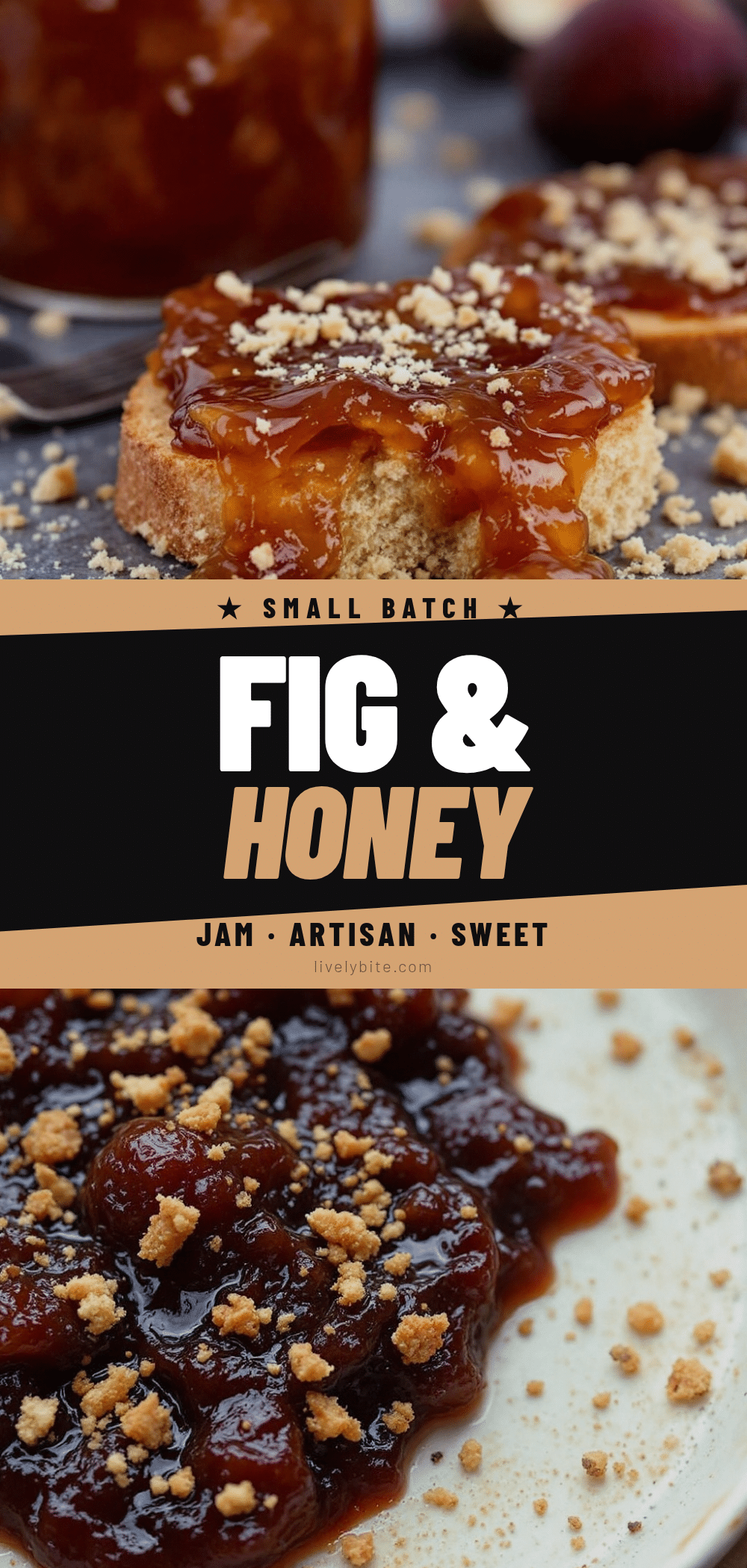
Homemade Small-Batch Fig and Honey Jam – Easy 20-Minute Recipe
This small-batch fig and honey jam is impossibly simple yet tastes like you spent hours in the kitchen. Made with just a handful of ingredients, it’s perfect on toast, cheese boards, or as a thoughtful homemade gift.
- Prep Time: 5 minutes
- Cook Time: 15 minutes
- Total Time: 20 minutes
- Yield: 1 half-pint jar (about 8 ounces) 1x
- Category: Condiment
- Cuisine: American
Ingredients
- 1 pound fresh figs (about 450 grams), stemmed and quartered
- ⅓ cup honey (about 113 grams)
- 1 tablespoon fresh lemon juice (15 ml)
- ⅛ teaspoon sea salt
- ½ teaspoon vanilla extract (optional)
Instructions
- Rinse the figs gently under cool water and pat them dry. Remove the tough stems by cutting off the very top of each fig, then quarter them lengthwise. If your figs are large, cut them into sixths instead.
- Place the quartered figs, honey, lemon juice, and salt into a medium saucepan. If using vanilla extract, add it now. Stir gently to coat the figs.
- Place the saucepan over medium heat and bring the mixture to a gentle simmer, about 3-4 minutes.
- Reduce heat to medium-low and cook, stirring occasionally with a wooden spoon, scraping the bottom and sides of the pan to prevent sticking. The figs will start to break down after about 5 minutes.
- After about 8 minutes of cooking, use the back of your spoon to gently mash some of the fig pieces against the side of the pan to release more pectin and create a jammy consistency. Mash to your desired texture.
- After 12-15 minutes total cooking time, the jam should look thick and glossy. To test for doneness, place a small spoonful on a chilled plate and let it sit for 30 seconds. Run your finger through the middle—if the jam holds its shape and doesn’t immediately run back together, it’s done.
- Remove the saucepan from heat and let the jam cool in the pan for about 5 minutes to thicken further.
- Carefully transfer the jam into a clean glass jar using a funnel if available. Leave about ½ inch of headspace at the top. Let the jar cool completely at room temperature before sealing with the lid.
- Once cool, screw on the lid and place in the refrigerator. The jam will continue to set as it chills. It’s ready to eat immediately, but the flavor improves after 24 hours.
Notes
Don’t walk away from the pan as the jam cooks fast and honey can scorch. Use a heavy-bottomed pot for even heat distribution. Trust your senses over the timer as figs vary in juiciness. Chill a test plate ahead of time for checking doneness. The jam can be thinned with warm water if too thick, or simmered longer if too runny. For a thicker texture, stir in 1 teaspoon of chia seeds while warm.
Nutrition
- Serving Size: 1 tablespoon (15 ml)
- Calories: 35
- Sugar: 8
- Sodium: 10
- Carbohydrates: 9
- Fiber: 1
Keywords: fig jam, honey jam, small-batch jam, homemade jam, fig recipe, easy jam, no pectin jam, fig and honey jam